Have you ever felt that sinking feeling when you glance in the mirror and notice your teeth just aren’t the same? Maybe your smile isn’t as straight as it once was after your braces came off. I remember the moment I realized my perfectly aligned teeth had started to shift — it was a wake-up call that I couldn’t ignore. That fleeting moment of doubt led me on a journey to understand how to keep my smile the way I wanted it to stay. If you’re in the same boat, you’re not alone.
Why Teeth Shift After Braces Come Off and Why It Matters
Many people assume that once braces are removed, the hard part is over. But here’s the truth — your teeth have a mind of their own, and without proper support, they can shift back to their old positions. This isn’t just a cosmetic concern; it can affect your bite, oral health, and confidence. After years of experience, I’ve learned that the real challenge lies in maintaining those results long-term.
Is Your Finish Line Just an Illusion? The Fear of Teeth Relapse
I used to think my orthodontist’s job was done the minute I got my braces off. Turns out, that was just the beginning. One mistake I made early on was underestimating the importance of wearing retainers consistently. That misstep almost cost me my smile. According to recent studies, over 60% of people experience some degree of relapse if retainers aren’t worn properly (source). It’s a common, yet preventable, mistake that many families overlook.
So, if you’ve faced this frustrating reality or just want to safeguard your investment in a beautiful smile, this post is for you. I’ll share practical ways to prevent teeth from drifting again, backed by expert advice and my own experience. Ready to take control of your oral health? Let’s dive into what works and what doesn’t when it comes to keeping your teeth in place.
Secure Your Retainers Properly
After removing braces, your most vital tool to prevent shifting is wearing your retainers consistently. I remember a time I neglected mine for a few days; my teeth started to feel loose, and I had to revisit the orthodontist for a quick fix. Make it a habit—wear your retainers every night, and clean them regularly with mild soap and water to keep them effective.
Implement Routine Oral Hygiene Practices
Maintaining excellent oral health supports the stability of your teeth. Brush twice daily with fluoride toothpaste, floss daily to remove plaque between teeth, and use an antibacterial mouthwash. This reduces plaque buildup and prevents gum recession, which can contribute to tooth movement. Think of it as nourishing the foundation that holds your teeth in place—like strengthening the roots of a tree.
Monitor Your Bite and Tooth Position
Pay attention to changes in your bite or alignment. If you notice teeth starting to shift, consult your dentist promptly. Early intervention can prevent minor movements from becoming major issues. Regular check-ups allow your dentist to detect and address such changes before they escalate.
Limit Harmful Habits
Habits like nail-biting, pen-chewing, or using teeth to open packages can exert unnecessary pressure on your teeth, causing them to shift. Being mindful and replacing these habits with healthier alternatives helps maintain your orthodontic results.
Consider Over-the-Counter Solutions Carefully
Some individuals opt for orthodontic appliances like retainers or aligners at home. Always discuss these options with your dentist first. Improper use can lead to unintended tooth movement or damage. Remember, even minor adjustments are best handled by professionals who understand the nuances of family dentistry and restorative procedures like crowns (learn more about crowns).
Get Regular Dental Checkups
Schedule routine visits to your dentist to monitor your dental stability. During these visits, your dentist can perform periodontal evaluations, check for signs of relapse, and make adjustments if necessary. Think of these checkups as maintenance for a well-crafted machine—your smile.
Address Damage Promptly
If you experience any trauma or damage to your teeth, see your dentist immediately. Broken or chipped teeth can compromise your bite and lead to unwanted shifts. Restorative options like crowns can reinforce your teeth and prevent further movement (discover how crowns repair damage).
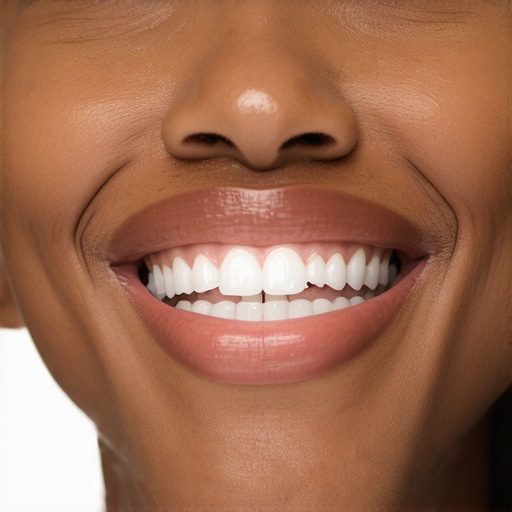 While many believe that a bright smile or a quick dental visit is all it takes for lifelong oral health, the reality is far more nuanced. One common misconception is that cosmetic procedures like veneers or whitening are purely superficial fixes. In my experience, these treatments require a deep understanding of your unique dental structure to avoid long-term damage, as highlighted in a recent study emphasizing personalized care in cosmetic dentistry (learn more about personalized cosmetic solutions). Moreover, many underestimate the importance of comprehensive family dentistry, often focusing solely on children or adults separately. Effective family dental care involves a holistic approach that considers all ages, ensuring preventive strategies are tailored to different life stages (discover the role of family dentistry). One trap I’ve seen many fall into is assuming that dental crowns are just esthetic cover-ups; instead, they serve as essential structural restorations that preserve functionality while preventing further decay (explore how crowns restore damaged teeth).”}
 }
Keeping your dental health in top shape over the long term requires more than just regular brushing and flossing. It involves a combination of effective tools, consistent routines, and a proactive mindset. As someone deeply invested in family dentistry and cosmetic procedures like crowns, I’ve honed my personal toolkit to ensure optimal results and long-lasting smiles.
Why I Trust Digital Dental Scanners
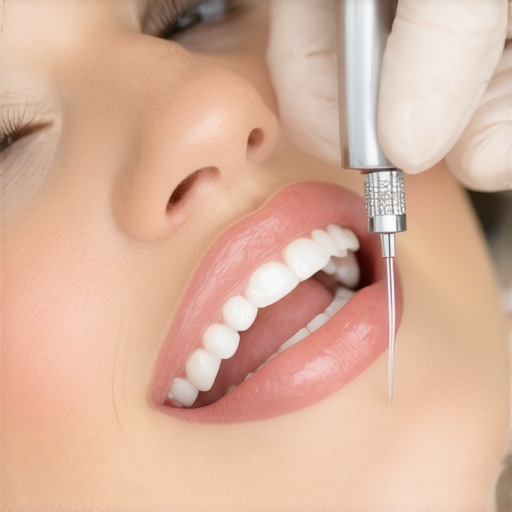
One of the game-changers in my practice is the use of digital intraoral scanners. Unlike traditional impressions that can be uncomfortable and messy, digital scans provide precise, instant visuals of the patient’s dentition. This accuracy is crucial when planning restorations like crowns (learn more about crowns) and ensures a perfect fit. I personally prefer the *CEREC* system because it speeds up the process—allowing patients to leave with their restored tooth in a single visit—enhancing patient satisfaction and reducing error margins.
Sterilization and Maintenance at Home
Maintaining your tools is just as important as using them. I recommend using ultrasonic cleaners for toothbrushes and retainers; they effectively remove plaque and debris, preventing bacterial buildup. For daily hygiene, I swear by electric toothbrushes with oscillating-rotating technology, which have demonstrated superior plaque removal compared to manual brushing (see why electric brushes matter). Regular replacement of brush heads—every three months—is vital to stay ahead of wear and bacteria.
Scheduling and Record-Keeping Software
To stay organized, I rely on dental practice management software that integrates patient records, appointment reminders, and treatment planning. Familiarity with platforms like Dentrix or Eaglesoft allows for seamless workflows and helps monitor patient progress over time. For personal use outside the office, apps like MyDentalCare keep track of hygiene routines and upcoming checkups, encouraging consistent maintenance.
The Future of Dental Tools
Looking ahead, trends point towards AI-powered diagnostics and 3D printing of restorations. These innovations promise even higher precision, reduced chairtime, and personalized treatment options. Embracing these tools today positions practices—and individuals—at the forefront of modern dentistry.
How do I keep my dental tools effective over time?
Periodically calibrate your digital devices, replace wear-prone parts like scanner tips and toothbrush heads, and sterilize all tools thoroughly after each use. Remember, maintaining your equipment properly extends its lifespan and ensures your dental health remains optimal.
Now, I challenge you to try upgrading your routine with an advanced tip: incorporate ultrasonic cleaning for your retainers and toothbrushes. This simple step significantly reduces bacteria and can improve oral health outcomes. Ready to experience the difference? Explore high-quality ultrasonic cleaners and see your smile’s health flourish.
By selecting the right tools and maintaining them diligently, you’re investing in a healthier, brighter future for your family’s smiles!
The Little Lessons That Changed My Approach to Family Dentistry and Crowns
One unexpected insight I gained was the importance of customizing retainer routines for each patient. I learned that a one-size-fits-all approach often fails, and paying attention to individual habits and lifestyle makes a huge difference. Additionally, I realized that patients are more likely to maintain their results when I take the time to educate them thoroughly about their restorations, especially crowns, and how proper care impacts longevity. This personalized approach has transformed my practice and the smiles I help create.
Tools That Elevated My Dental Practice and Personal Care
Your toolkit can make or break your long-term dental health. I rely heavily on digital intraoral scanners like CEREC because they offer precise measurements and allow for same-day restorations. For at-home care, ultrasonic cleaners have revolutionized how I maintain my retainers and toothbrushes, ensuring bacteria don’t build up unnoticed. Books such as Revamp Your Smile with Cosmetic Dentistry Trends have also expanded my understanding of latest techniques, helping me recommend the most effective options for my patients.
Say Yes to Your Dental Journey—It’s Never Too Late to Improve
The journey to a healthy, confident smile doesn’t end with the removal of braces or the placement of crowns. It’s a continuous process rooted in proactive habits and embracing innovation. I encourage you to be open to adopting new tools, routines, and knowledge that can elevate your family’s dental health. Remember, your smile is a lifelong investment—take action today and enjoy the confidence that comes with it. What’s the first step you’re willing to take to safeguard your dental future? Let me know below.