I remember the moment I realized I had made a mistake that could have cost me dearly. It was a sluggish Monday morning when I woke up with a pounding jaw, a dull ache that refused to fade. I had ignored my night guard for just one week, thinking, “It’s only a few nights, I can skip it this time.” Little did I know, that slip-up would bring on a series of uncomfortable surprises. Missing my night guard even briefly turned out to be a quick ticket to tooth sensitivity, jaw pain, and increased wear that I hadn’t anticipated. It made me wonder—what’s the real risk of neglecting my nightly routine, just for a few days? And more importantly, how can I prevent this from happening again? Today, I want to share my experience and help you understand why skipping your night guard—even temporarily—can have serious consequences. We’ll explore the dangers, backed by scientific insights, and I’ll give you practical tips to keep your smile safe and healthy. If you’ve ever felt that nagging doubt about skipping your night guard, you’re not alone. Let’s dive into why this seemingly small decision matters more than you think.
Why Skipping Your Night Guard is More Risky Than You Think
Many people underestimate the impact of not wearing a night guard. It’s easy to dismiss a few missed nights, especially when feeling tired or busy. But your teeth aren’t forgiving these short-term lapses. Continuous grinding or clenching can lead to enamel erosion, fractured teeth, and even temporomandibular joint (TMJ) problems. Scientific studies indicate that teeth subjected to bruxism—teeth grinding—without protection experience significantly more wear and tear over time, which can be irreversible (source: https://alignorthodonticz.com/why-your-teeth-feel-fuzzy-even-after-you-brush-them).
I used to think, “A week won’t hurt.” But early on, I made a mistake many do—assuming that a brief pause won’t lead to long-term issues. I was wrong. The damage accumulates faster than we realize. Plus, the pain and discomfort that follow can be quite discouraging. That’s why maintaining a consistent routine with your night guard is vital to preserving your smile and avoiding costly treatments later. If you’re wondering whether a missed week is truly that dangerous, the answer is a resounding yes, especially if bruxism is a regular concern for you.
Have you ever faced a moment where you skipped your night guard and immediately regretted it? If so, you’re not alone. Next, I’ll share practical strategies to prevent the temptation and protect your dental health—because your smile deserves the best care, even on tired nights.
Prepare Your Night Guard Properly
Clean it thoroughly each morning using toothpaste and a soft brush to remove saliva and any debris. This prevents bacterial buildup, which can lead to bad breath or infections. I once neglected cleaning mine for a few days, resulting in a stubborn plaque buildup that took extra effort to remove, but now I keep it spotless to maintain oral hygiene. Next, store your night guard in a ventilated case to avoid mold growth. This simple habit keeps your appliance fresh and effective.
Establish a Consistent Routine
Put your night guard beside your toothbrush or on your bedside table so you remember to wear it every night. Consistency prevents the damage caused by bruxism — think of it as a protective barrier like a helmet during a fall. I started placing mine on my pillow, and after a few nights, it became second nature to wear it as part of my nightly ritual. This reduces the chance of forgetting, thus safeguarding your teeth regularly.
Monitor Your Comfort and Fit
Ensure your night guard fits well; an ill-fitting appliance can cause discomfort or even damage your gums. If it’s too loose or tight, consult your dentist promptly. I once tried to adjust my guard myself with scissors, which made it worse. A quick visit to my dentist fixed the fit, and the protection was restored. Regular check-ups help identify any wear or damage early before they escalate into more serious problems.
Adjust Your Lifestyle Habits
Avoid hard, sticky foods before bed that could dislodge or damage your guard. Reduce caffeine and alcohol, which can increase muscle tension and grinding. My own experience shows that relaxing your jaw muscle techniques, like gentle jaw stretches, can also reduce bruxism intensity. These small lifestyle tweaks support your night guard’s effectiveness, preserving your dental health.
Seek Professional Advice When Needed
Schedule regular dental checkups to assess your teeth and the condition of your appliance. Dentists can recommend custom solutions like crowns or cosmetic dentistry if your teeth show signs of wear. I found that consulting my dentist early saved me from complex restorative procedures later. Learn more about restorative options at this link. They can also provide personalized tips to enhance your comfort and protection.
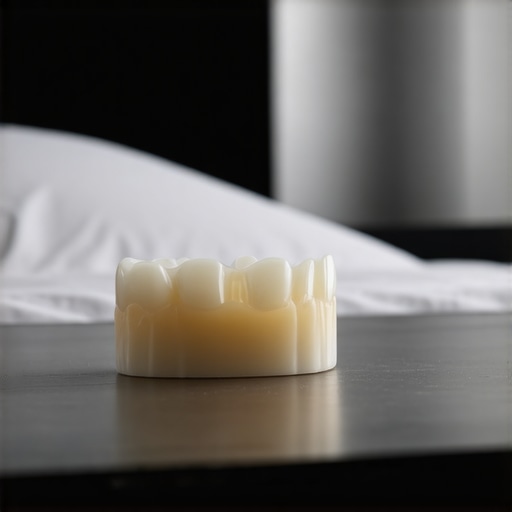 While many believe that choosing a dental restoration is simply about aesthetics or functionality, the reality is far more complex. A common myth is that all crowns or cosmetic procedures are alike, but in my experience, this oversimplification can lead to costly mistakes. Many patients opt for the cheapest or most advertised option, unaware of the subtle differences in materials, preparation, and long-term outcomes. For instance, the type of crown material—porcelain, zirconia, or metal—has nuanced impacts on durability, aesthetics, and even biocompatibility, which aren’t always apparent at first glance. In fact, a study published in the Journal of Prosthetic Dentistry emphasizes that selecting the wrong material can accelerate wear on opposing teeth or lead to aesthetic failures over time.
It’s also a widespread misconception that cosmetic dentistry is purely superficial. However, expert practitioners understand that these procedures influence bite function, jaw health, and even speech. Overlooking this interconnectedness often results in long-term malocclusion or TMJ issues. One common trap is underestimating the importance of *proper planning* and *diagnostic assessments* before proceeding. Such oversight could mean ending up with a smile that looks good but causes discomfort or even further dental decline.
For families, it’s crucial to recognize that ‘family dentistry’ isn’t just about routine checkups. It involves a nuanced approach to growth patterns, preventive care, and managing genetic predispositions. Ignoring these subtle differences can lead to overlooking early signs of malocclusion or enamel defects that, if untreated, might necessitate extensive restorative work later.
**What advanced practices should you be aware of?** Modern cosmetic solutions like veneers, orthodontics, and smile redesigns benefit immensely from 3D imaging and digital simulations. These technologies enable precise customization, reducing the risk of mismatched shades or ill-fitting restorations. For example, the latest innovations are extensively detailed in [this resource](https://alignorthodonticz.com/enhance-your-confidence-cosmetic-dentistry-innovations-to-watch). They illustrate how an informed, nuanced approach not only restores appearance but also enhances overall oral health.
Another pitfall many fall into is believing that once a crown is placed, maintenance is straightforward. Patience and attention to detail are required for cleaning and monitoring for signs of wear or recurrent decay. A superficial approach can accelerate restoration failure, which could be avoided with regular checkups—see [this guide](https://alignorthodonticz.com/dental-crowns-vs-other-restorations-which-is-right-for-you) for more insights.
**For those curious about sophisticated patient care,** understanding when to opt for crowns versus other restorations involves complex decision-making. An expert interpreter considers factors like occlusion dynamics, material science, and the patient’s specific habits—like grinding or dietary preferences. Consulting a specialist ensures these nuances are addressed correctly, aligning with your long-term dental health goals.
In sum, peeling back the surface reveals a world of subtle distinctions that can profoundly influence outcomes. Don’t be seduced by a one-size-fits-all approach. Instead, seek professionals who prioritize personalized, nuanced treatment plans. Ready to elevate your dental care? Explore [transformative cosmetic dentistry options](https://alignorthodonticz.com/transform-your-look-with-expert-cosmetic-dentistry-solutions) and make informed choices. Have you ever fallen into this trap of oversimplification? Let me know in the comments.Achieving lasting results in crowns, cosmetic dentistry, and family dental care demands the right tools and consistent maintenance routines. I personally swear by a UV-C sterilizer for my dental appliances—it uses ultraviolet light to eradicate bacteria effectively, ensuring my night guard stays hygienic without the harsh chemicals. Regular use of a dental scaler, like the Dental Pro Hi Tech model, helps me gently remove plaque buildup from crowns and restorations, *prolonging their lifespan*. For daily cleaning, I rely on an electric toothbrush with a built-in timer; it guarantees I brush for the recommended two minutes, covering all angles—an essential habit to prevent plaque accumulation around crowns or veneers. When it comes to cosmetic procedures, digital smile design software enables me to visualize outcomes before any work starts, reducing surprises and enhancing satisfaction. As dental technology advances, tools like 3D imaging let’s dentists plan with precision, minimizing adjustments later. Prediction-wise, the future points toward smarter, AI-driven diagnostics that personalize maintenance schedules, making long-term care more efficient.
How do I maintain dental restorations and cosmetic enhancements over time?
Consistent routine is key—regular checkups, proper cleaning with tools designed specifically for crowns or veneers, and early intervention when signs of wear appear. I also recommend scheduling digital impressions periodically; they help track any subtle shifts or damages early on. One tip I’ve adopted is using a water flosser with adjustable pressure—which gently cleans around dental work without risking damage—a practice supported by clinical studies emphasizing its efficacy in maintaining periodontal health (source: https://alignorthodonticz.com/the-role-of-family-dentistry-in-ensuring-oral-health-for-all-ages). To get the most out of your dental investments, consider investing in a good-quality, custom-fitted night guard; it protects against grinding stress and extends the integrity of crowns and cosmetic work. Ready for the next level? Try employing a polishing paste like Pogo’s, which professional dentists recommend for daily use at home. It keeps your restorations gleaming and prevents staining, maintaining aesthetics over years. For comprehensive guidance tailored to your needs, consult with your family or cosmetic dentist—they can suggest tailored tools and routines that fit your lifestyle. Let me know if you’re interested in how digital tools can propel your family’s dental care into the future.
Lessons Only Dentists Usually Share in Secret
One thing I realized early on is that neglecting even brief periods without my night guard can set off a chain reaction of dental issues. It’s not just about the immediate discomfort—over time, it chips away at tooth integrity without obvious signs early on. I learned that consistent routines aren’t just habits; they’re the backbone of preserving your natural teeth and investments in cosmetic dentistry. Also, I discovered that technology like digital impressions and personalized tools make maintenance easier, but only if you stay committed. And lastly, listening to the subtle signals your body gives—whether it’s slight soreness or a change in how your bite feels—can catch emerging problems before they become costly repairs.