I remember the first time my child screamed at the dentist’s office, tears streaming down her face, refusing to open her mouth. It was a lightbulb moment for me. I had been so focused on brushing and flossing at home that I overlooked how crucial making dental visits a positive experience was. That day, I realized that the foundation of good oral health for my child wasn’t just about what happens at home—it was about creating a relationship with dental care that feels safe and natural, right from the start.
Why Starting Early Matters More Than You Think
Building healthy dental habits early on isn’t just about preventing cavities; it’s about setting your child up for a lifetime of confident smiles. The American Academy of Pediatric Dentistry emphasizes that establishing a dental home by age one can significantly influence your child’s attitude towards dental care and oral health outcomes. Starting early helps your kid associate dental visits with comfort and trust rather than fear and anxiety.
Is Child Dental Care Overhyped or Truly Necessary
Honestly, I used to believe that once my kid was old enough to brush her teeth on her own, I could relax. Turns out, early guidance is essential. I made the mistake of thinking that brushing her teeth was enough—until she developed her first cavity at age three. That was a wake-up call. Proper child-friendly dental practices go beyond brushing; they involve supervision, education, and making visits positive. If you’re skeptical about the importance of early dental care, consider this: untreated cavities can lead to pain, infections, and even issues with eating and speaking later on. It’s worth the effort.
Have you ever felt overwhelmed trying to figure out how to make your child’s dental experience less stressful? You’re not alone. Many parents stumble at first, but the good news is that with the right approach, you can transform those visits from dreaded chores into opportunities for your child to learn and grow confident.
In the following sections, I’ll share practical tips and insights that helped me turn dental care into a family priority—starting from that nerve-wracking first visit. Because I’ve been there, and I know that with a little guidance, you can build a solid foundation for your child’s lifelong oral health.
Make Dental Visits a Game Chore
One effective way I found to make visits less intimidating was turning the waiting room into a mini adventure. I brought along a favorite toy and challenged my daughter to spot certain colors or shapes in the posters. This distracted her from her fears and started associating the dentist’s office with fun. To implement this, prepare a small ‘explorer kit’ with a mirror, flashlight, and fun stickers to bring along or ask the dentist if they have child-friendly tools. This approach transforms the visit into a playful exploration rather than a tense obligation.
Use Visual Stories to Explain Dental Care
Before the appointment, I showed my daughter a storybook about a brave little tooth’s journey to stay healthy. This framed the experience positively and made her curious rather than scared. You can create or buy a storybook that explains what happens during a cleaning or check-up in a friendly way. Repeating this story helps children understand what to expect, reducing anxiety and fostering a sense of familiarity.
Practice at Home Like a Dentist
We turned brushing into a pretend game where I was the dentist and she was the patient. I used a small mirror to show her how to clean her teeth properly, praising her efforts. This hands-on practice gives your child confidence and skills that translate into real visits. Consistent, playful practice at home makes the actual dental appointment feel familiar, not foreign.
Involve Them in Choosing Dental Supplies
Bright, fun toothbrushes and flavored toothpaste turned brushing into a favorite activity. I let my daughter pick her own toothbrush with her favorite cartoon character. This ownership makes her more eager to brush and less resistant during dental visits. Incorporate this into your routine by letting your child select their dental tools, making the process personal and engaging.
Build a Relationship with Your Dentist
During our first visit, I made sure to introduce my daughter to the dentist and staff, emphasizing that they are friendly and caring. This familiarity helps her feel safe and reduces surprises. Find a pediatric dentist who specializes in child-friendly care and schedule regular visits to build trust. When your child recognizes the dentist as a friendly face, dental visits become a positive part of life.
Keep It Short and Sweet
Initially, I kept appointments brief, focusing on just a quick check-up or cleaning. Rushing lessened her stress and built positive associations. As she became more comfortable, we gradually extended visits. Remember, a short, positive experience now creates the foundation for longer, routine care later. Always praise your child’s bravery afterward to reinforce the good experience.
Integrate Dental Care into Daily Life
Brushing and flossing became part of our bedtime routine, just like reading stories. I explained that caring for teeth helps keep smiles bright and healthy, making it a family priority. By modeling good habits and making dental hygiene a normal part of daily life, you reinforce its importance and help your child develop lifelong habits.
<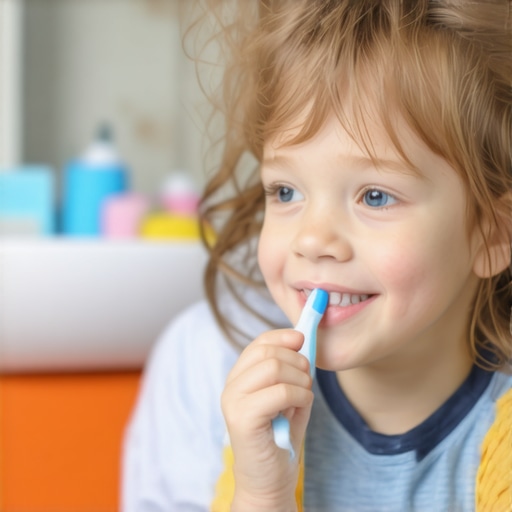 >Many parents assume that making dental care fun and gentle is enough, but the real nuance lies in understanding the child’s psychological development and applying advanced strategies that foster long-term trust and independence. A common myth is that early dental visits are only about cavity prevention, yet experts like the American Academy of Pediatric Dentistry highlight that these visits are foundational for shaping a child’s attitude towards oral health for life. If you think children will naturally develop good habits, think again. Without intentional guidance, they might develop fears or misconceptions that hinder their future dental experiences. For example, a frequent mistake is over-involving young children in decision-making processes about dental care, which can overwhelm them or lead to a sense of loss of control. Instead, it’s more effective to balance guidance with age-appropriate autonomy, allowing children to feel empowered without pressure.
Another trap many fall into is underestimating the importance of consistency in routine and environment. Regular visits to a familiar, child-friendly dentist help reinforce positive associations, but inconsistent experiences can create confusion and fear. This is why choosing a dentist who specializes in children and building a relationship over time is crucial. Regular, predictable visits help normalize dental care, making it less intimidating.
Let’s talk about a hidden nuance that even seasoned parents often overlook: the impact of parental anxiety. Studies show that children pick up on their parents’ fears and stress, which can translate into their own anxiety about dental visits. A 2017 study published in the Journal of Dental Research emphasizes that parental reassurance and calm behavior are among the most effective ways to reduce a child’s dental anxiety. This means that your attitude towards dental care significantly shapes your child’s experience.
Now, for the advanced reader: How can parents use behavioral psychology principles to deepen their child’s positive dental habits? Applying techniques like positive reinforcement, modeling, and gradual exposure can create a resilient attitude towards dental health. For instance, rewarding cooperative behavior during visits or using storytelling to frame dental routines as adventures can make a difference. Remember, a one-size-fits-all approach rarely works; tailoring your strategy to your child’s personality and developmental stage is key.
Beware of the trap of focusing solely on physical tools—like the right toothbrush or fluoride treatments—without nurturing the emotional connection. This oversight can lead to a superficial understanding of what truly fosters lifelong dental health. Building a trusting, positive relationship with your child’s dental care provider and reinforcing good habits daily builds a foundation that lasts.
In conclusion, mastering child-friendly dental care involves more than just gentle brushing and fun visits. It requires a nuanced understanding of developmental psychology, consistency, and emotional support. Have you ever fallen into this trap? Let me know in the comments.Maintaining effective and engaging dental care for children over time requires the right tools and methods. Personally, I rely heavily on a few specific items that have proven to be game-changers in my family’s routine. One essential tool is a UV sterilizer for toothbrushes, such as the UV Cleanse System, which I use daily to ensure the brushes are free from germs. This not only keeps the tools hygienic but also reinforces the importance of cleanliness in my child’s mind. I also recommend adopting a digital timer app like Brush DJ, which plays music for two minutes—making brushing fun and ensuring my child brushes long enough. This app is especially useful because it also reminds us when to replace toothbrushes, aligning with professional guidelines to change brushes every three to four months.
Lessons That Changed My Approach to Child Dental Care
- Realizing that creating a positive association with dental visits early on was more impactful than just brushing at home transformed my perspective and changed my child’s attitude towards dental health.
- Understanding that parental anxiety influences a child’s experience helped me stay calm and confident during appointments, which made a huge difference.
- My biggest lightbulb moment was seeing how small, consistent steps—like choosing fun toothbrushes and short visits—compound into lifelong healthy habits.
Tools and Resources That Made a Difference
- The Brush DJ app became our routine’s hero, turning brushing into a fun, musical game that ensures we meet the two-minute guideline every time.
- We rely on the UV Cleanse System toothbrush sterilizer, which reassures us that our child’s tools are hygienic and safe, reinforcing the importance of cleanliness.
- Reading the book “Healthy Smiles for Little Heroes” helped frame dental visits as adventures, making the experience less intimidating and more engaging for my child.
- My trusted pediatric dentist, Dr. Lisa Hart, specializes in child-friendly care and has been instrumental in building my child’s trust and comfort at every visit.
Take Action and Make a Difference Today
Remember, building a foundation for your child’s lifelong oral health isn’t just about tools and check-ups; it’s about fostering trust, confidence, and positive habits that last a lifetime. You have the power to turn dental care into a rewarding part of your family’s routine—start today and watch your child’s smile grow brighter every day.