I remember the first time I skipped my child’s dental appointment because I thought it was just a routine check. Weeks later, I was faced with a painful cavity that could have been prevented. That moment was a lightbulb for me—how many families just let oral health slide until it turns into a bigger problem? Building a lifetime of healthy smiles isn’t just about brushing and flossing; it’s about understanding the importance of regular family dental care and making it a priority. Today, I want to share how establishing good habits early on can save you headaches—and money—in the long run. If you’ve ever felt overwhelmed or unsure about how to care for your loved ones’ teeth, you’re not alone. Many parents and caregivers struggle with knowing what is truly necessary and when to seek professional help. But trust me, with some simple guidance, you can turn dental care from a stressful chore into a confident, routine part of your family life. Are you tired of last-minute dental emergencies or feeling unsure if your child’s teeth are developing properly? Well, you’re in the right place. I’ll walk you through the essential steps to ensure your family’s smiles stay bright and healthy for years to come. And believe it or not, one common mistake I made early on was waiting too long to see a dentist, thinking it wasn’t urgent. That delay could have led to more extensive and costly treatments later. According to the American Dental Association, early dental visits can help identify issues before they become serious, making prevention the best strategy. So, let’s dive into how you can create a solid foundation for lifelong dental health—starting today.
Set a Consistent Routine for Family Dental Care
Start by establishing a daily schedule that includes brushing twice a day and flossing once. Use a timer or a fun song to ensure kids brush long enough. I once set a timer for my son, which made brushing feel like a game—he loved beating the clock, and now it’s just part of our daily rhythm.
Choose Age-Appropriate Dental Products
Select toothbrushes with soft bristles suited for each family member’s age. For young children, consider electric toothbrushes designed for kids, which can make brushing more engaging. I remember struggling with my toddler’s hand coordination, so I opted for a small, colorful electric brush—big difference in compliance.
Make Regular Dental Visits a Priority
Schedule check-ups every six months and keep a calendar reminder. Early visits help catch issues before they escalate. When I finally took my daughter to her first dentist appointment at age three, the dentist identified a tiny cavity that could have become a bigger problem if left untreated. That proactive step saved us money and discomfort later.
Prepare Your Child for the Dental Visit
Talk positively about the appointment and read books about visiting the dentist. I once role-played with my son, pretending to be the dentist, which eased his fears. This preparation makes the experience smoother for everyone.
Focus on Nutrition and Hydration
Limit sugary snacks and drinks that contribute to decay. Encourage water as the primary beverage. I swapped out juice boxes for flavored water, which my kids loved, and noticed fewer cavities during check-ups.
Lead by Example and Educate
Demonstrate good habits yourself—kids mimic adults. Share simple facts about how healthy teeth help us smile confidently. I found that making brushing a family activity turned it into a bonding moment rather than a chore.
Address Dental Issues Promptly
If you notice pain, bleeding, or discoloration, schedule a dental visit immediately. Delaying treatment can lead to more complex problems. I once ignored a small chipped tooth, which later required a crown, but had I acted sooner, it might have been a simple repair.
Use Visual Aids and Resources
Leverage educational videos and tools from trusted sources like Family Dentistry Guide to keep everyone informed. Visual learning made my kids more interested in their dental health, leading to better habits.
Integrate Dental Care into Daily Life
Make brushing and flossing a fun, routine part of your day, like reading a bedtime story. Consistency is key—think of it as watering a plant; the more regular, the healthier the growth.
Reward Progress and Celebrate Success
Use small rewards for consistent habits—stickers, extra playtime, or a special outing. My daughter earned a sticker chart for a month of perfect brushing, which motivated her immensely.
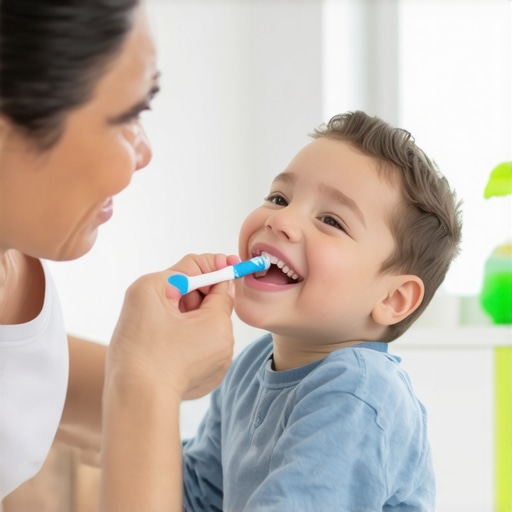 Many assume that once children learn to brush and visit the dentist regularly, their oral health is secured for life. However, a common misconception is that family dental care is only about fixing problems rather than preventing them. In reality, neglecting the nuanced differences in age-specific needs or underestimating the importance of early intervention can lead to costly setbacks later. For example, some parents believe that dental issues are inevitable or that temporary discomfort is just part of growing up, but studies show that early habits and regular professional guidance significantly lower the risk of decay and other complications. Additionally, there’s a widespread myth that dental visits are only necessary when problems arise, but the American Dental Association emphasizes that routine check-ups can catch issues before they become painful or expensive to treat. One trap to avoid is waiting until a child complains of pain before scheduling a visit, which often results in more invasive procedures like root canals or crowns. Advanced parents and caregivers understand that proactive measures, including thorough assessments and tailored advice, are key to building a resilient smile foundation. Want to dig deeper? Consider how integrating behavior management strategies during visits can improve cooperation and outcomes—a nuance often overlooked but crucial for long-term success. For instance, using visual aids and positive reinforcement not only eases anxiety but also cultivates a sense of ownership in children’s dental health, setting them up for a lifetime of good habits. According to a 2022 study in the Journal of Pediatric Dentistry, children who receive early, positive dental experiences are more likely to maintain regular visits into adolescence. So, don’t fall into the trap of thinking that family dentistry is just about quick fixes. Instead, focus on cultivating habits and relationships that support ongoing wellness, including understanding when to seek specialized care like dental crowns or cosmetic options to enhance confidence. Have you ever fallen into this trap? Let me know in the comments.Maintaining a healthy family smile over the years requires more than just good habits; it also depends on using the right tools and techniques. Personally, I rely heavily on an electric toothbrush because of its consistent brushing action and built-in timers, which ensure I brush for the recommended two minutes. For my children, I prefer toothbrushes with colorful handles and gentle vibration features, making daily routines less of a hassle and more of a fun activity. Additionally, I use fluoride rinse after brushing to provide extra protection against cavities, especially during times when my family’s diet includes more sugary treats. When it comes to flossing, I recommend water flossers for kids and busy adults, as they are easier to use and can reach difficult spots more effectively than traditional floss. For professional care, I trust digital intraoral cameras. They allow my dentist to show me exactly what’s happening inside my mouth, making it easier to understand issues early and avoid surprises. The technology has evolved rapidly, and recent advancements in intraoral imaging, like high-resolution 3D scans, provide detailed insights that traditional X-rays can’t match, helping catch problems before they become painful or costly. To keep your tools working optimally, regular replacement of toothbrush heads and floss refills is essential—most experts suggest changing toothbrush heads every three months. Also, cleaning your electric toothbrush base weekly prevents bacterial buildup, ensuring your tool remains hygienic and effective. Looking ahead, I believe that integrating smart technology into dental care will become the norm. Devices that sync with apps to monitor brushing habits and provide personalized advice will help families stay on track effortlessly. If you want to elevate your dental routine, I recommend trying a high-quality water flosser—it’s a game-changer for long-term oral health. How do I maintain my dental tools over time? Simple: I follow manufacturer instructions for cleaning and replacement, and I schedule regular check-ins with my dentist to ensure everything remains in top shape. For more tips on advanced cosmetic solutions, check out our guide on transforming your smile with expert cosmetic dentistry options.
The Hardest Lesson I Learned About Family Dental Care
One of my biggest realizations was that early neglect can lead to lifelong dental issues. Waiting until a problem becomes painful often means more invasive and costly treatments down the line. I learned that proactive habits and regular check-ups are the real keys to prevention.
3 Myths About Dental Hygiene That Held Me Back
I used to believe that kids would naturally develop good brushing habits or that sugar was the main enemy. Dispelling these myths helped me understand the importance of proper technique and dietary choices, which significantly improved my family’s oral health.
What Experts Won’t Tell You About Dental Technology
From high-tech intraoral cameras to 3D scans, the advancements in dental technology can seem overwhelming. But these tools provide earlier detection and better treatment options, making dental visits more efficient and less stressful for families.
My Essential Toolkit for Family Dental Care
I rely on electric toothbrushes with timers, fluoride rinses, and water flossers—tools I trust to keep my family’s smiles healthy. Regularly updating and maintaining these tools ensures they remain effective, and I always follow my dentist’s advice for replacements.
Books That Changed How I View Oral Health
Reading books like “The Dental Diet” and “Cavity-Free Kids” helped me understand the science behind dental health and motivated my family to adopt better habits. These resources provide practical tips and insights that are easy to implement.
Where to Go from Here
If you’re ready to take your family’s dental health to the next level, start by scheduling that first check-up and setting a consistent routine. Remember, small actions today can lead to a lifetime of confident, healthy smiles.
Your Turn to Try
Building lifelong dental habits is a journey, not a sprint. What’s one change you’re planning to make in your family’s dental routine? Share your thoughts below and let’s motivate each other to smile brighter every day.