It happened to me on a family trip—an unexpected jolt from biting into an apple, and suddenly I felt that unsettling wobble in my tooth. Panic creeps in when a crown, that shining symbol of a confident smile, starts to feel loose while you’re miles away from your trusted dentist. The sensation is downright alarming—you’re left wondering, “Is this serious? Can I fix it myself?” Honestly, I learned the hard way that neglecting a loose crown can lead to bigger problems, like infection or even damage to the underlying tooth.
Why a Loose Crown Isn’t Just an Inconvenience
So, why does it matter if your crown feels loose? Well, a loose crown not only jeopardizes your craving for that perfect bite but also exposes the vulnerable tooth underneath to bacteria, which can cause decay or infection. In fact, the American Dental Association emphasizes that a loose crown increases the risk of bacterial buildup leading to cavities or root infections—a situation nobody wants when they’re far from their regular dental care. Early action can save you a lot of discomfort and costly procedures down the line.
Is DIY Fixing Really a Good Idea?
Now, I made a rookie mistake early on—trying to glue my crown back with superglue. Spoiler: it was a disaster. Not only did it cause more damage, but it also delayed proper treatment. It’s a lesson I wish I’d learned sooner: do not attempt to fix dental issues with household glues or adhesives. Instead, knowing what steps to take can make all the difference. If you’re facing this dilemma, keep reading—I’ll walk you through the safe and effective ways to handle a loose crown while on the move. And if you want a broader understanding of dental crown options, check out this comprehensive guide.
Now, tell me—have you ever experienced a loose crown while away from home? Share your story below, and let’s see how many of us have been there. The good news is, with a little know-how, you can manage the situation comfortably until you see your dentist for a proper fix.
Stabilize the Crown Temporarily
Start by assessing the looseness without trying to force or remove it. Use a clean finger or a soft, damp cloth to gently hold the crown in place. If it’s only slightly loose, applying a small amount of dental cement or temporary dental adhesive—available at pharmacies—can help keep it secure until you see your dentist. Remember, this is just a temporary fix. I once used a tiny dab of denture adhesive after my trip to Vegas when my crown felt wobbly, and it bought me time to schedule an appointment.
Ensure Proper Environment and Materials
Before attempting any fix, wash your hands thoroughly and gather the necessary supplies: over-the-counter temporary cement or dental adhesive, a mirror, and a small applicator or toothpick. Avoid household glues, as they can cause damage or be toxic if swallowed. Think of it like patching a leaky pipe—you want the right tools and materials to avoid making things worse.
Carefully Remove or Re-seat the Crown
If the crown is just slipping, avoid prying or forcing it back into place; this can damage the underlying tooth or the crown itself. Instead, gently remove it using a clean, damp finger or a dental pick if necessary. When you do, inspect the underside for debris or damage. If the crown is cracked or broken, it will need professional attention—do not attempt to repair or reattach it yourself. Once removed, rinse the crown with water and check for any cracks or chips.
Clean Both the Crown and Tooth Surface
Use a soft brush or cloth to gently clean the interior of the crown and the tooth’s surface. Removing any old cement, debris, or food particles ensures a better fit and adhesion. I recall the morning after my trip, when I gently scrubbed and cleaned my crown and tooth, noticing a bit of residual cement—this made the temporary fix hold better and prevented further problems.
Apply Temporary Cement or Adhesive
Follow the product instructions carefully. Usually, you’ll place a small amount of cement or adhesive inside the crown using a toothpick or applicator. Then, seat the crown back onto your tooth, applying gentle pressure to ensure a good fit. Bite down softly or use a finger to hold it in place for a few minutes. Remember, this is only a short-term solution to prevent bacteria entry or discomfort until you see your dentist. After placement, avoid eating sticky or hard foods and keep the area clean.
Seek Professional Dental Advice Promptly
Once you’ve managed the immediate issue, schedule an appointment with your dentist as soon as possible through this contact page. A dental professional can examine the crown, check for underlying issues, and re-cement or replace it properly. While DIY steps can buy you time, they aren’t a substitute for professional care—think of it as a bandage on a bigger wound.
Many people approach family dentistry and cosmetic procedures with misconceptions that can hinder their oral health decisions. One prevalent myth is that all dental crowns are alike; in reality, *the choice of crown material greatly impacts durability and aesthetics*, as detailed in [this guide](https://alignorthodonticz.com/dental-crowns-explained-the-ultimate-solution-for-damaged-teeth). Another misconception is that cosmetic dentistry is purely superficial; however, advances in [modern techniques](https://alignorthodonticz.com/enhance-your-confidence-cosmetic-dentistry-innovations-to-watch) show it can also greatly improve function and long-term oral health.
Contrary to popular belief, family dentistry isn’t just about cleaning and fillings—for instance, *early preventive care* involving regular check-ups and fluoride treatments significantly reduces complex issues down the line, especially in children, as I discuss in [this recent article](https://alignorthodonticz.com/caring-for-your-childs-teeth-essential-family-dentistry-tips). Many assume that visiting the dentist is solely reactive, but proactive, comprehensive family care can be transformative.
Be cautious of the trap many fall into: thinking that a quick fix, like applying over-the-counter dental cement for a loose crown, is sufficient long-term care. While it’s a temporary measure, *not recognizing the importance of professional assessment* can lead to complications like infection or further damage. Remember, DIY solutions are just that—temporary and not substitutes for expert intervention.
For those diving deeper into the technicalities, understanding the *advanced nuances of crown fitting and material selection* is crucial. For example, some patients don’t realize that *the underlying tooth structure and bite dynamics influence crown longevity*, a point emphasized in [this detailed review](https://alignorthodonticz.com/dental-crowns-vs-other-restorations-which-is-right-for-you). Failing to consider these factors can result in premature crown failure or discomfort.
Finally, a common oversight is ignoring the role of cosmetic dentistry in boosting overall confidence. Rather than viewing it as vanity, recognize that *smile enhancement can have profound psychological and social benefits*, as highlighted by recent trends in [2025](https://alignorthodonticz.com/revamp-your-smile-top-cosmetic-dentistry-trends-for-2025). But be aware: *not all procedures are suitable for everyone*, and a thorough consultation is essential to tailor treatments to individual needs.
Have you ever fallen into this trap? Let me know in the comments how understanding these nuances has changed your approach to dental care. Remember, informed decisions backed by expert knowledge lead to healthier, happier smiles.
Investing in the Right Tools for Long-Term Success
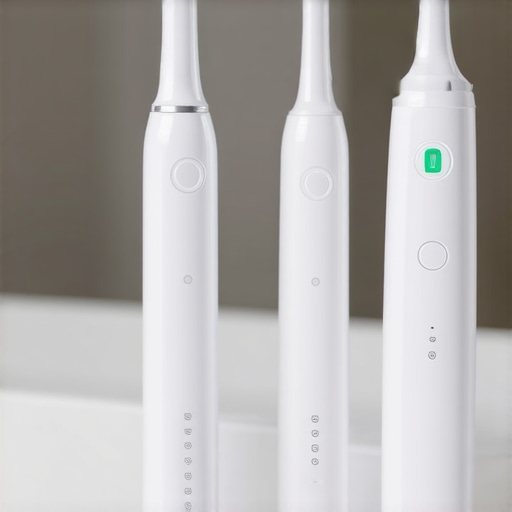
Maintaining the integrity and appearance of dental restorations, especially crowns and cosmetic enhancements, requires more than good habits—it demands the right tools. Personalized care begins with selecting items that enhance durability and ease maintenance. I personally rely on a high-quality ultrasonic toothbrush, which effectively removes plaque without damaging delicate surfaces like veneers or crowns. Its gentle vibrations reach hard-to-access areas, ensuring comprehensive cleaning and reducing the risk of complications such as staining or decay.
Another essential tool I recommend is dental floss with a slender, robust design—like waxed, shred-resistant floss. It helps glide through tight spaces around restorations, preventing plaque buildup and ensuring the longevity of your dental work. Daily use can significantly reduce staining and bacterial colonization that cause discoloration or decay along the margins.
Why Use an electronic Water Flosser?
For those with crowns or veneers, a water flosser becomes invaluable. Its pulsating jets dislodge debris and bacteria more effectively than traditional floss, especially around irregular contours and gum lines. I’ve found that integrating this device into my routine has actually improved the health of my gums and helped maintain the aesthetic quality of my cosmetic procedures. Regular use not only prevents plaque accumulation but also promotes healthier, firmer gums—a cornerstone of lasting cosmetic results.
How Do I Maintain My Restorations Over Time?
The key lies in consistent, cautious routines combined with professional check-ups. Schedule regular visits to your dentist—ideally every six months—to assess the condition of crowns, veneers, or other restorations. During these visits, your dentist can perform targeted cleanings, reapply protective sealants, or make necessary adjustments, as detailed in this comprehensive guide.
Adopting advanced tools like ultrasonic toothbrushes and water flossers ensures you’re proactively protecting your investment. Additionally, using a specialized whitening toothpaste can help keep your teeth bright without compromising delicate restorations, according to research published by the British Dental Journal. Combining professional guidance with state-of-the-art equipment sets the foundation for a lasting, beautiful smile that withstands the test of time.
Looking ahead, I believe the future of dental maintenance lies in smart, connected devices that monitor your oral health. Imagine toothbrushes that sync with apps, alerting you to areas needing extra attention or notifying your dentist if detecting early signs of trouble. Embracing these innovations can help you stay ahead of issues before they become costly repairs.
What’s the Best Way to Keep Your Cosmetic Work Looking Its Best?
Consistency is your secret weapon. Regularly using high-tech tools like ultrasonic brushes and water flossers, along with scheduled professional cleanings, ensures your dental enhancements remain vibrant and functional. Don’t underestimate the power of early intervention—small daily investments in your oral hygiene can prevent bigger problems down the road. If you’re eager to elevate your routine, try incorporating a water flosser into your nightly regimen today. To explore other advanced techniques, visit this page dedicated to cosmetic dentistry innovations for inspiration.
The Hardest Lesson I Learned About Smile Care
One time, I underestimated the importance of regular check-ups for my child’s teeth, thinking minor issues could wait. That oversight led to a more complicated treatment later, reaffirming that preventive family dentistry isn’t just about quick fixes—it’s about building a foundation for lifelong oral health. Now, I realize that consistent care and early detection are the real superheroes behind a confident smile.
How Overhyped Myths Held Me Back From Better Oral Health
I used to believe that all dental crowns are alike and that cosmetic dentistry is just superficial. These misconceptions almost made me settle for less optimal solutions. Discovering that crown material impacts durability and that cosmetic improvements also boost function changed my perspective. My advice? Always question assumptions and seek expert opinions to make informed decisions that truly benefit your smile.
What I Wish I Knew About Long-Term Smile Maintenance
I used to think a quick brushing was enough after getting veneers or crowns. That couldn’t be further from the truth. Incorporating advanced tools like ultrasonic toothbrushes and water flossers has made a significant difference in maintaining my dental work’s longevity and appearance. Investing in the right routine now saves time, money, and a lot of stress later.
Resources That Transformed My Understanding of Aesthetic and Restorative Care
For anyone serious about elevating their oral health, I recommend exploring key tools and references like the comprehensive guide on dental crowns (this resource) and the latest trends in cosmetic dentistry (this article). These have broadened my understanding and helped me choose better care options.
Your Turn to Shine
Remember, the journey toward a healthy, beautiful smile is ongoing. By embracing personalized care, relying on trustworthy resources, and staying proactive, you can make a lasting impact on your family’s dental health. Don’t shy away from exploring new techniques or asking questions—that’s how real confidence in your dental choices from family dentistry to cosmetic procedures is built.