I vividly remember the first time I went for a deep dental cleaning. The sensation of that gritty scraping across my gums was uncomfortable enough, but what caught me off guard was the relentless soreness that followed. I thought, “Is this normal?” and spent sleepless nights trying various remedies that did little more than provide temporary relief. It was a frustrating cycle—until I discovered the real way to soothe my mouth and truly recover. If you’ve ever felt that gnawing discomfort lingering after your cleaning, you’re not alone. Today, I’m going to share proven methods that transformed my experience and can do the same for you.
Why Nurturing Your Mouth After Deep Cleaning Matters
Comfort after a dental deep cleaning isn’t just about avoiding pain; it’s about ensuring your gums heal properly and prevent future issues. When you undergo such a procedure, your gums become temporarily inflamed, and the delicate tissue needs proper care. Neglecting this recovery phase can lead to increased sensitivity, bleeding, or even infection. According to the American Dental Association, proper post-cleaning care speeds healing and preserves your oral health in the long run. I’ve learned from my own mistakes—like ignoring the importance of gentle rinsing—that small changes make a huge difference.
Is It Really Worth Putting in the Effort?
Initially, I thought staying on top of post-cleaning care was unnecessary hassle. I assumed, “It’s just soreness; it will pass.” However, neglecting these steps only prolonged my discomfort and delayed healing. Trust me, a little extra effort—like using the right soothing rinse or avoiding irritating foods—can make all the difference. If you’re curious about transforming your recovery process, stay tuned. I’ll walk you through practical tips that will help your mouth heal faster and more comfortably, backed by expert insights and personal experience.
Jump-Start Your Recovery with Gentle Rinses
Immediately after your deep cleaning, avoid harsh mouthwashes that contain alcohol; instead, opt for a gentle, antibacterial rinse like warm salt water. I remember the first time I used a homemade saltwater rinse—dissolving a teaspoon of salt in warm water—and swishing softly for 30 seconds. It helped reduce inflammation and kept bacteria at bay, fostering quicker healing. Repeat this rinse 2-3 times daily, especially after meals, to prevent infection and soothe irritated tissues.
Diet Adjustments to Protect Sensitive Gums
Think of your gums as fragile new sprouts; they need tender care. Steer clear of spicy, crunchy, or acidic foods which can irritate your healing gums. Instead, focus on soft, plain foods like yogurt, smoothies, and mashed potatoes. During my recovery, I replaced hard crusts with soft bread and avoided nuts, noticing less discomfort. Staying hydrated by drinking plenty of water also aids in flushing out debris and promoting healing. Incorporate cold beverages or ice packs on your cheeks—like I did during a rough day—to numb soreness and reduce swelling.
Mastering Oral Hygiene Without Causing Harm
Cleaning your teeth after a deep cleaning feels like walking a tightrope—balancing cleanliness with gentleness. Use a soft-bristled toothbrush and brush with light circular motions, avoiding the gums directly. I vividly recall gently cleaning around the treated areas, almost as if whispering to them, to prevent bleeding or trauma. Floss carefully, avoiding the immediate area if it’s tender—yet, don’t neglect it entirely. Regularly rinsing with the prescribed antibacterial solution helps keep plaque at bay without disturbing healing tissues.
Harnessing Natural Remedies for Relief
Over-the-counter painkillers like ibuprofen are your first line of defense, but natural remedies can also ease discomfort. Applying a cold compress on your cheek, as I did on a particularly sore night, can help reduce inflammation. Herbal teas, such as chamomile or green tea, have anti-inflammatory properties and can be sipped warm or cold. Additionally, apply a small amount of aloe vera gel inside your mouth if available—that’s what I did when I needed quick relief. These simple measures work synergistically to promote comfort during the critical healing phase.
Knowing When to Seek Professional Advice
Trust your instincts: if symptoms persist beyond a few days or worsen, consult your dentist promptly. Indicators include uncontrolled bleeding, severe pain, or signs of infection like pus or swelling. During my recovery, I scheduled a follow-up after noticing prolonged tenderness; my dentist adjusted my care plan and provided targeted treatment, which expedited healing. Regular check-ups ensure your recovery stays on track, and issues are addressed before they escalate. Remember, every mouth heals at its own pace, and professional guidance can make all the difference.
When it comes to cosmetic dentistry, many assume that procedures like veneers, whitening, or crowns are quick fixes that can be chosen based solely on appearance. However, this oversimplification can lead to costly mistakes. A common myth is that dental crowns are only for visibly damaged teeth, but in reality, they also serve essential functional roles—such as protecting weakened teeth and restoring bite alignment—making them a versatile tool in both aesthetic and restorative cases. For instance, understanding the difference between dental crowns and other restorations is crucial; crowns offer comprehensive coverage that other options, like fillings, simply can’t provide. To explore when crowns are truly necessary and why they often outperform alternatives, check out [this detailed guide](https://alignorthodonticz.com/understanding-dental-crowns-when-and-why-they-are-needed).
Are All Dentists Equally Skilled in Cosmetic Procedures?
Many believe that cosmetic dentistry is straightforward and that any general dentist can deliver stunning results. But in my experience, the artistry and technical precision required demand specialized training and experience. For example, subtle shade matching and shaping require meticulous skill that not all practitioners possess. Opting for a dentist with advanced training in cosmetic techniques ensures your smile isn’t just superficially improved but harmoniously restored with attention to individual facial features. This nuance often determines whether your results appear natural or artificial. If you’re curious about finding an expert who elevates your smile, consider [family dentistry that emphasizes aesthetics](https://alignorthodonticz.com/family-dentistry-guide-building-a-lifetime-of-healthy-smiles), which includes regular checkups, alignment, and personalized care.
Why Small Details Make Big Differences in Restorations
A significant oversight many make involves neglecting the importance of preparation and material choice. For example, some assume that all crowns are the same, but high-quality materials like zirconia offer superior strength and translucency, mimicking natural enamel more effectively. Choosing the wrong material or improper fitting can lead to discomfort, frequent adjustments, or early failure. Moreover, inadequate understanding of how crowns and other restorations interact with surrounding tissues can cause issues like gum recession or improper bite. Over time, these problems can negate the initial aesthetic benefits.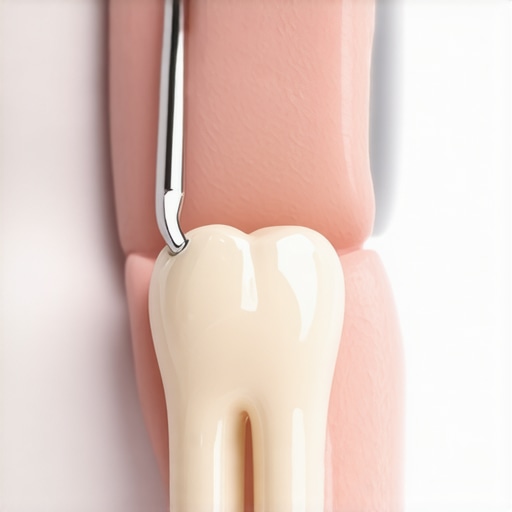
To ensure your restorations last and look natural, it’s vital to work with a practitioner who understands the intricacies of material science and occlusion principles. For a deeper dive into how top-tier cosmetic solutions are crafted, visit [this comprehensive overview](https://alignorthodonticz.com/dental-crowns-explained-the-ultimate-solution-for-damaged-teeth).
Beware the Illusion of ‘One-Size-Fits-All’
Another misconception is that procedures are easily interchangeable. For example, choosing between veneers, crowns, or bonding depends heavily on the extent of damage, alignment issues, and long-term goals. Veneers might be perfect for correcting minor imperfections, but crowns are necessary for extensive decay or structural compromise. Likewise, family dentistry isn’t just about routine cleaning—it’s about tailoring preventive measures and restorative options that consider all ages and risk factors. As highlighted in [this family dentistry guide](https://alignorthodonticz.com/the-role-of-family-dentistry-in-ensuring-oral-health-for-all-ages), personalized treatment plans are key to maintaining optimal oral health across generations. Don’t fall into the trap of assuming all treatments suit every case. Consulting with specialists who understand these nuances can save you time, money, and discomfort in the long run. Have you ever fallen into this trap? Let me know in the comments.Maintaining your dental restorations and cosmetic results over time requires more than just good brushing habits; it demands the right tools and consistent care practices. Personally, I rely on a combination of advanced dental technology and specialized products to ensure longevity and aesthetics of crowns and veneers. For example, I use electric interdental cleaners like the Waterpik Sonic-Frog, which effectively flush out debris from hard-to-reach areas around crowns and in between teeth, reducing plaque buildup and extending the lifespan of restorations. I also swear by software like Dentrix Ascend for tracking my oral health records, appointment reminders, and personalized care plans, making it easier to stay on top of routine maintenance.
How do I maintain my crowns and cosmetic work over time? The key is consistent, gentle care paired with professional evaluations. Regular professional cleanings, ideally every six months, are crucial to prevent plaque accumulation that can lead to gum recession or decay beneath restorations. When visiting your dentist, always ask about the condition of your restorations and inquire about the latest tools they employ—state-of-the-art ultrasonic cleaners or laser gum therapy can make a significant difference.
In the future, we can expect advancements like AI-powered maintenance reminders and even more precise digital scanning that directly monitor the wear and tear of restorations, enabling preventative interventions before issues arise. Embracing these technological innovations will make your long-term care more proactive and less reactive.
To really boost your maintenance routine, try integrating an electric interdental cleaning device like the Waterpik, which I personally use after meals. This step might seem small, but it’s highly effective at keeping your restorations clean and satisfying the rigorous standards recommended by dental professionals. For a detailed guide on choosing the right tools for your needs, consider checking out [dental crown maintenance tips](https://alignorthodonticz.com/understanding-dental-crowns-when-and-why-they-are-needed). Remember, the effort you put into regular upkeep today will preserve the beauty and function of your smile well into the future.
Throughout my journey with cosmetic dentistry and family dentistry, I encountered lessons that reshaped my understanding and practices. One pivotal realization was how often I underestimated the importance of tailored solutions over cookie-cutter treatments. For instance, I used to think veneers suited everyone seeking a perfect smile, but I learned that the strength, translucency, and compatibility of materials significantly influence longevity and appearance. It became clear that thorough consultations and personalized treatment plans are invaluable—something I now emphasize with every patient, ensuring they receive care that aligns with their unique needs rather than applying generic solutions. Additionally, I discovered that early preventive measures, like family dentistry for children, lay a foundation for lifelong oral health, reducing the need for extensive restorative work later. Recognizing the subtle signs of oral health decline early has saved many from complex procedures, highlighting the necessity of regular checkups and attentive care. This depth of understanding has elevated my approach, transforming it from routine to genuinely personalized, enriching both my professional practice and my patients’ outcomes.