It happened in the middle of a family dinner — a quick snack turned into a mini nightmare when I felt that sharp sting in my gum. I had been trying to clean between my teeth with a toothpick, thinking I was doing the right thing, but I realized I had pushed it in too forcefully. My gums bled a little, and I felt that awful worry creeping in — had I damaged them?
That moment was a lightbulb for me. Like many, I had always believed that using toothpicks was a simple, harmless way to keep teeth clean. But I quickly learned that improper use can lead to irritation, gum recession, or even minor injuries that might seem insignificant but can cause long-term problems.
**
Why Using Toothpicks Safely Matters More Than You Think**
Teeth are designed to be cleaned gently without damaging their supporting tissues. When I first started exploring better oral hygiene habits, I made a crucial mistake: I was applying too much pressure with my toothpick, thinking it would do a better job. Unfortunately, that’s a common error many of us overlook.
Studies indicate that aggressive cleaning with toothpicks or floss can harm gums, leading to recession and even bone loss over time (source: American Dental Association). It’s not just about removing food — it’s about doing it in a way that preserves the delicate tissue around your teeth.
So, what’s the way to enjoy the convenience of toothpicks without risking harm? That’s exactly what I want to share today. I’ll walk you through practical, proven tips to help you avoid injuries and keep your gums healthy.
Prior to adopting these techniques, I used to think that any method was okay as long as my teeth felt clean afterward. But I learned that a mindful approach makes all the difference. Are you tired of facing discomfort or worrying about gum damage after using toothpicks? If so, keep reading — your new, safer habits are just ahead.
Choose the Right Tool for the Job
Start with a high-quality, rounded-end toothpick designed for oral hygiene. Avoid sharp, plastic picks that can cause punctures. I once used a cheap, pointed pick and accidentally jabbed my gum, leading to bleeding. Upgrading to a gentler tool made a huge difference in comfort and safety.
Learn Proper Technique
Hold the toothpick lightly like a paintbrush—think of it as applying a gentle stroke rather than scraping aggressively. Position it at a 45-degree angle against the gum line and gently wedge it between teeth without forcing it. During practice, I noticed that pressing too hard risked injuring my gums, especially around tight spaces.
Focus on Gently Dislodging Food
Target only debris stuck in tight spots. Use a flicking motion rather than stabbing motions. One memorable attempt involved trying to dislodge a lodged piece from back molars by pressing hard—resulting in sore gums. Instead, I used light flicks, which safely cleared debris without harm.
Limit the Use and Avoid Overdoing It
Incorporate toothpicks into your routine once or twice daily, not after every meal. Overuse can cause gum recession. For example, I used to pick after every snack, leading to sensitivity. Now, I reserve it for stubborn spots, maintaining gum health while keeping teeth clean.
Combine with Gentle Flossing
Complement toothpick use with soft floss to target different areas. Flossing reaches below the gumline more effectively. I learned that relying solely on toothpicks can leave plaque behind, so I started flossing daily. This combined approach improved my gum health noticeably.
Be Mindful of Your Gums’ Reaction
Pay attention to soreness or bleeding. If you notice bleeding, stop and reassess your technique—perhaps you’re pressing too hard. Consulting with your dentist, such as during a visit to https://alignorthodonticz.com/contact-us, can provide personalized guidance and prevent long-term damage.
Practice Regular Professional Check-Ups
Visit your dentist regularly for professional cleanings and advice. Professional care identifies early signs of gum issues before they worsen. I schedule check-ups biannually and discuss my toothpick habits, gaining tailored tips for improvement, which keeps my gums healthy over time.
Many patients enter dental offices with preconceived notions about treatments like crowns or family dentistry, often rooted in misconceptions. As someone deeply involved in the field, I’ve seen these misunderstandings hinder proper care. For instance, a common myth is that all crowns look unnatural, but advancements in porcelain technology now enable crowns to blend seamlessly with natural teeth, as detailed in the article on [dental crowns vs. other restorations](https://alignorthodonticz.com/dental-crowns-vs-other-restorations-which-is-right-for-you).
Keep Your Smile in Top Shape with the Right Equipment
Ensuring your dental work, especially crowns or cosmetic enhancements, remains durable requires more than just good habits; the tools you choose play a crucial role. I recommend investing in a high-quality, cordless ultrasonic irrigator like the Waterpik Sonic-Fusion. Its combined power of water flossing and sonic brushing provides a superior clean around crowns and veneers, reducing plaque buildup that leads to decay or loosening. Personally, I favor models equipped with adjustable water pressure settings and rechargeable batteries for convenience and control.
Why I Trust the Aquasonic Ultra-Stream
This model’s pulsating water jet reaches beneath crowns and bridges effectively, dislodging food debris that traditional brushes might miss. Its ergonomic design minimizes hand fatigue, making daily maintenance a breeze. I advise using it twice daily, especially if you have multiple restorations, to prolong their lifespan and prevent costly replacements.
Software That Keeps My Dental Care on Track
Digital tools have transformed long-term dental maintenance. I utilize the dental practice management software Dentrix Ascend, which sends reminders for follow-up appointments and tracks oral hygiene habits over time. These insights help me adjust my routine proactively and share updates with my dentist during check-ups. This approach ensures early detection of issues, keeping my smile healthy longer and reducing the need for invasive procedures like crowns or orthodontics down the line.
How do I maintain my dental tools over time?
Cleaning your equipment regularly is vital. For instance, after using devices like the Waterpik, rinse the tips thoroughly and disinfect them weekly with a vinegar solution to prevent bacterial buildup. Replacing tips every six months maintains optimal performance. Additionally, software data should be back-up regularly, and updates installed promptly to benefit from enhanced features and security. Proper maintenance maximizes durability and effectiveness, saving you money and dental health headaches.
Anticipating Trends and Future Innovations
The future of family and cosmetic dentistry leans toward smarter, AI-integrated tools, and 3D printing for restorations. Emerging devices might even analyze your saliva to detect early signs of decay or systemic health issues, allowing for preventative care tailored precisely to your needs. Staying ahead means embracing these innovations and continuously upgrading your tools—think of it as investing in your long-term smile health.
Make Your Routine Work Longer: Long-Term Results Matter
Regular maintenance is not just about cleaning; it’s about sustaining the integrity of your dental restorations over years. Incorporate advanced tools, like ultrasonic flossers, into your daily routine and keep your software profiles updated. This dual approach ensures your crowns, veneers, and cosmetic work remain flawless and functional longer. Curious to see how your current routine stacks up? Schedule a consultation via our contact page and let’s personalize your long-term dental success plan.
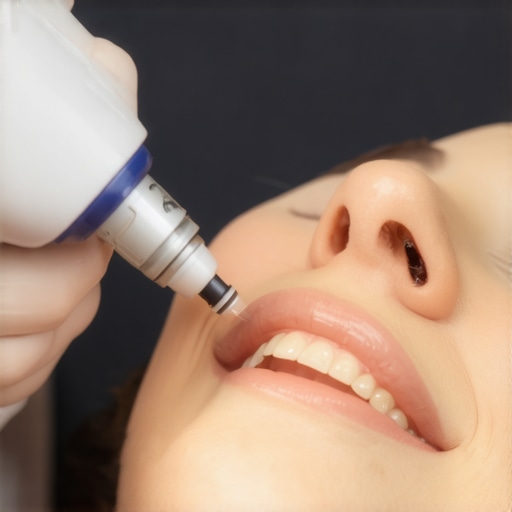
The Hardest Lesson I Learned About Family Dentistry and Crowns
Initially, I believed that dental restorations like crowns were invincible and required minimal care. It took a stubborn ache and a wary visit to my dentist to realize that even these durable solutions need gentle handling and attentive maintenance. That experience taught me to prioritize not just the appearance but the long-term health of my restorations and gums.
How I Discovered the Power of Personalizing My Oral Care Routine
After struggling with discomfort, I realized one-size-fits-all advice doesn’t always work. Customizing my routine—choosing tools with adjustable settings and consulting my dentist regularly—made a palpable difference. It became clear that tailoring my dental care enhanced the lifespan of my crowns and preserved my gum health more effectively than generic tips.
The Role of Smarter Technology in Protecting Your Smile
Adopting advanced tools like ultrasonic irrigators and digital monitoring apps transformed my approach. These innovations provide real-time feedback and targeted cleaning, helping me spot issues early and prevent costly repairs. Embracing technology can be a game-changer in maintaining the integrity of crowns and overall oral health, especially when combined with expert advice from trusted sources like professional cosmetic dentistry.
Resources That Empower Better Dental Choices
- Waterpik Sonic-Fusion: I trust this device because of its versatility—combining water flossing and sonic brushing, it reaches around crowns and between teeth with ease, reducing plaque buildup effectively.
- Dentrix Ascend Software: Staying organized with dental management tools helps me keep track of my routine, appointments, and progress, ensuring I stay proactive about my oral health.
- Expert Articles on Clarifying Treatments: Reading detailed guides like comparing restorations or understanding oral health symptoms has deepened my knowledge and confidence in making informed decisions.
Your Smile’s Future Starts Today
Taking charge of your family and cosmetic dentistry doesn’t mean overhaul—small, consistent actions make the biggest difference. Prioritize gentle techniques, embrace innovative tools, and seek expert guidance to ensure your crowns and gums stay healthy for years to come. Remember, your dedication today shapes your smile tomorrow.