Have you ever had that shocking moment where your mouth suddenly tastes like you’ve bitten into a coin or a rusty nail? It catches you off guard, makes you wonder if something’s seriously wrong, and often leaves you feeling a bit anxious. I remember the first time it happened to me during a routine visit to the dentist. I was mid-conversation when that unmistakable, bitter metallic flavor hit my tongue out of nowhere. It was jarring, and honestly, a little frightening. At that moment, I realized I wasn’t alone; many people experience this strange, metallic taste, and most aren’t sure what’s causing it or if it’s something to worry about.
Understanding That Metallic Taste Isn’t Just in Your Head
That sudden, metallic flavor is more common than you might think. It can pop up suddenly and can be caused by a variety of reasons—some benign, others that require attention. The good news? Most cases are manageable once you identify the root cause. Today, I’m going to walk you through the common causes of this phenomenon, so you can better understand what’s going on and how to address it effectively. Trust me, knowing the facts can be a game-changer and help you avoid unnecessary panic or over-treatment.
Is the Metallic Taste Actually Worth the Hype?
Early on, I made the mistake of dismissing this issue as just a minor inconvenience. But ignoring the problem can sometimes lead to more serious concerns, especially if the metallic taste persists or worsens. Clinically, persistent metallic tastes can be linked to dental issues, medication side effects, or underlying health conditions. According to the Journal of Oral Health and Preventive Dentistry, changes in taste sensation should never be ignored, especially if they are new or persistent (source: https://www.ncbi.nlm.nih.gov/pmc/articles/PMC6119964/). So, what exactly causes this strange taste to appear out of nowhere? Let’s dive into the common triggers and see if any fit your situation.
Identify the culprit by reviewing recent changes
Start by considering any recent dental procedures, medication changes, or new health issues. For example, if you’ve recently gotten a dental crown or started new medication, these could be contributing factors. Keep a journal noting when the metallic taste appears and any associated activities or symptoms.
Examine your oral hygiene habits and dental appliances
Ensure you’re brushing and flossing properly twice daily. If you wear appliances like braces or dentures, inspect them regularly for cleanliness and damage. Poor hygiene or debris on appliances can cause taste disturbances. Consider scheduling a professional cleaning if your mouth feels unclean, which can be done at your dentist’s office.
Evaluate potential medication side effects
Review any new medications with your healthcare provider or pharmacist. Some drugs, including antibiotics and antihistamines, list metallic taste as a side effect. Do not stop or alter medication without consulting your doctor, but request information on managing this side effect.
Inspect your diet for irritants and toxins
Consuming foods high in metals, heavily processed snacks, or using certain whitening products can contribute to taste changes. Limiting exposure to these and maintaining good hydration can help reduce the metallic sensation. Additionally, avoid using excessive or harsh whitening strips, which can irritate your oral tissues and alter taste perceptions.
Assess for signs of dental decay or infections
Look for symptoms such as sensitivity, pain, or swelling. A cavity or infection can sometimes alter taste. Schedule a comprehensive dental inspection, which might involve X-rays, to detect issues like caries or periodontal problems. Regular checkups are vital to catch problems early before they develop into more complex issues.
Consider dental restorations or crowns if damage is evident
If your dentist finds damaged or deteriorating dental work, such as a crown or filling, they may recommend replacing it. Remove the old or damaged restoration to eliminate sources of metallic taste. Dental crowns, for example, are explained as a durable solution for damaged teeth and can be replaced if they cause persistent issues. . For more details on when and why crowns are needed, visit this comprehensive guide.
Consult your dentist for advanced diagnostics
If none of these steps resolve the metallic taste, schedule an appointment. Your dentist may perform tests to rule out systemic issues, infections, or nerve-related causes. They can also check for failing crowns or restorations that might emit metallic sensations. Digital scans and impressions may be employed for precise diagnosis, helping prevent the goopy mess associated with traditional impressions.
Maintain ongoing dental health practices to prevent recurrence
Once the cause is addressed, reinforce good habits and schedule regular checkups. Proper maintenance ensures that your oral environment remains stable, reducing the likelihood of taste disturbances caused by emerging dental issues. For family-friendly tips, see family dentistry essentials.
Many individuals assume that choosing a family or cosmetic dentist is straightforward, but beneath the surface lie common misconceptions that can impact your oral health. For example, a prevalent myth is that all dental crowns are alike; in reality, understanding the nuances between different crown materials and their long-term benefits can make a significant difference. Some patients believe that once a crown is placed, it requires no further maintenance, but neglecting proper care can lead to complications, such as crown failure or secondary decay. Additionally, there’s a misconception that cosmetic dentistry is purely aesthetic and doesn’t affect overall dental health; however, procedures like veneers or whitening can influence the integrity of your tooth structure if not done correctly. Many overlook the fact that not all dental practices are equally skilled in advanced restorative techniques, which could result in subpar outcomes or increased need for retreatment. Be cautious of the ‘one-size-fits-all’ approach many clinics promote, as treatment plans should be tailored to individual needs—this is especially true for complex procedures like crowns or full-mouth reconstructions. Furthermore, some underestimate the importance of ongoing maintenance and regular checkups in preserving the longevity of cosmetic and restorative work. According to expert studies, patient education and personalized treatment are key to achieving lasting results and avoiding unnecessary financial or health-related setbacks. Deep ignorance of these subtle distinctions can inadvertently lead to poor choices, wasted resources, and compromised dental health. For instance, choosing an inexpensive, quick-fix whitening method without professional guidance might cause enamel erosion or sensitivity, which underscores the importance of consulting qualified specialists. The next time you’re considering a dental procedure, ask yourself: am I fully informed about the materials and techniques being used? Remember, the difference between a good and a great outcome often lies in understanding these hidden nuances. Have you ever fallen into this trap? Let me know in the comments. For more insights on enhancing your smile with expert care, explore our dedicated sections on [cosmetic dentistry solutions](https://alignorthodonticz.com/transform-your-look-with-expert-cosmetic-dentistry-solutions) and [comprehensive family dentistry guide](https://alignorthodonticz.com/family-dentistry-guide-building-a-lifetime-of-healthy-smiles). Ensuring you are aware of these subtle factors can help you make smarter decisions and achieve the smile you deserve.
If you’re aiming to keep your smile healthy and vibrant over the years, having the right tools is essential. From routine maintenance to more advanced procedures like crowns or cosmetic enhancements, I personally rely on specific equipment and software that streamline my workflow and improve patient outcomes.
Invest in Digital Imaging for Precise Diagnostics
One of my top choices is the use of digital intraoral scanners, such as the Cerec Omnicam. I prefer this device because it provides immediate, highly accurate 3D images of the patient’s mouth, eliminating the mess and discomfort associated with traditional impressions. In my experience, digital scans significantly reduce chair time and improve diagnostic accuracy, which is crucial for planning restorations like crowns or veneers. As digital imaging technology advances, future trends point toward even more integrated platforms that combine diagnostics with treatment planning seamlessly.
Use CAD/CAM Software to Enhance Restorations
In my practice, I utilize CAD/CAM software integrated with the intraoral scanner to design and fabricate crowns in a single visit. This approach not only accelerates treatment times but also enhances precision. For example, software like Cerec Connect allows me to customize restorations to match patient-specific anatomy perfectly. With ongoing advancements, I predict that future CAD/CAM solutions will incorporate AI-driven design suggestions, further improving long-term durability.
Maintain Your Equipment for Consistent Results
Regular maintenance of these tools is vital. I schedule routine calibrations and cleanings, following manufacturer recommendations, to ensure consistency. Proper storage and handling extend the lifespan of expensive devices, thereby safeguarding your investment and ensuring high-quality care for your patients. Additionally, staying updated on software updates and training ensures you’re leveraging new features that can improve your workflow.
How do I keep tools effective over time?
Proper calibration, timely replacements, and ongoing training are key to maintaining effectiveness. I also incorporate backup equipment and keep detailed maintenance logs to avoid downtime. Embracing continuous education with webinars and workshops helps me stay ahead of technological trends, such as the integration of 3D printing in prosthetics, which is predicted to revolutionize family and cosmetic dentistry in the coming years. For more insights into upcoming trends, visit this article on 2025 cosmetic dentistry trends.
Finally, I recommend trying out advanced digital tools like these to see immediate improvements in your workflow and patient satisfaction. Remember, investing in the right equipment isn’t just about staying current—it’s about providing the best possible care for your patients over the long term.
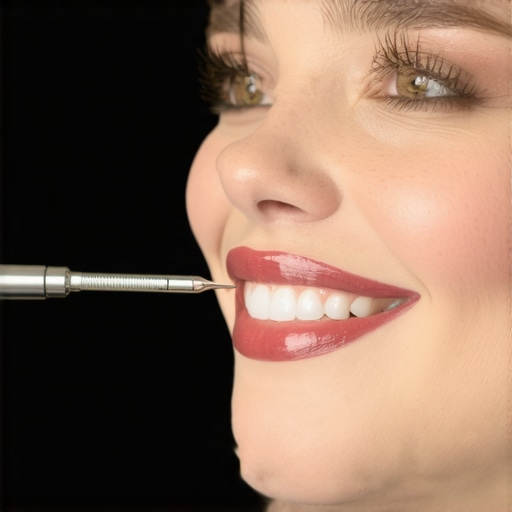
Embarking on your dental journey means more than just fixing teeth; it’s about understanding the intricate symphony of oral health and making informed choices that last a lifetime. Throughout my years as a family and cosmetic dentist, I’ve uncovered hidden truths and common pitfalls that can make or break your smile’s future. Today, I want to share some insider wisdom that I wish I had known earlier—lessons that can save you time, money, and unnecessary stress.
What I Learned About Choosing the Right Restorations
One pivotal lesson was realizing that not all dental materials are created equal. For instance, opting for a cheaper crown might save you money upfront but could lead to discomfort or early replacement. Investing in high-quality materials like porcelain or zirconia can enhance durability and aesthetics, ensuring your smile stays beautiful longer. Now, I always emphasize the importance of understanding the nuances between different restorations and tailoring choices to individual needs rather than falling for one-size-fits-all solutions.
My Top Resources for Smarter Dental Decisions
Over the years, I’ve relied on trusted sources that guide my practice and personal care. This comprehensive guide on dental crowns has been invaluable for explaining material options and their long-term benefits. For staying current with cosmetic dentistry trends, latest trend reports help me offer cutting-edge solutions. Additionally, family dentistry tips remind me of the importance of early preventive care, shaping healthy habits from childhood.
Your Next Step Toward Confident Smiles
The most profound realization is that your smile is a reflection of your overall well-being, and taking proactive steps can profoundly impact your quality of life. Whether it’s exploring advanced restorative options or refining oral hygiene routines, I encourage you to embrace knowledge as your greatest ally. Remember, lifelong dental health isn’t just about avoiding problems; it’s about creating a future where your smile radiates confidence. So, what’s one change you can make today to improve your oral health? Feel free to share your thoughts below and start your journey toward a healthier, happier smile!