Have you ever felt a sudden, unexpected bleed while brushing your teeth with your trusty electric toothbrush? It catches you off guard, making you wonder if you’re doing something wrong or if there’s a bigger issue brewing. I remember the first time it happened to me—it was one of those frustrating moments in front of the mirror, toothbrush in hand, blood on my gums, and a sinking feeling that I might be heading toward a dental disaster.
The Surprising Frustration of Bleeding Gums During Electric Brushing
Every morning, I start my day with a routine that I’ve trusted for years—an electric toothbrush that promises a thorough clean. Yet, suddenly, my gums would bleed only during these sessions. No bleeding when I flossed or brushed manually, just that sharp, alarming splash of blood during my electric brushing. It became a puzzle I couldn’t ignore.
Why does this happen? That question haunted me. Turns out, you’re not alone in this experience. Many people find their gums bleed specifically when they switch to or use an electric toothbrush regularly. This odd pattern can be a sign of underlying issues or simply a matter of technique and device settings. Today, I want to share my journey and the insights I’ve gathered to help you decode this mystery.
What We’ll Cover Today
By the end of this post, you’ll understand why your gums might bleed solely when using an electric toothbrush and, more importantly, how to address it effectively. We’ll explore common causes, mistakes to avoid, and practical tips to keep your gums healthy and your brushing routine safe.
Could Your Electric Toothbrush Be Causing Your Bleeding Gums?
One of the first mistakes I made early on was using too much pressure. Like many, I thought the harder I pressed, the cleaner my teeth would be. But dental experts emphasize that excessive force—especially with electric models—can injure your gums and cause bleeding. The bristles might be too aggressive, or your technique might need adjusting. Remember, gentler is better. For more on proper brushing methods, visit this detailed guide.
Another common culprit is the toothbrush’s settings. Many electric brushes have multiple modes—some designed for sensitive gums and others for deep cleaning. If you’re unintentionally using an intensive mode, it can lead to gum irritation. Double-check your device’s settings and switch to a gentler setting if needed.
Lastly, consider that recent research shows that inadequate oral hygiene, tartar buildup, or gum disease can exacerbate bleeding. If your gums are already inflamed or sensitive, the increased vibratory action of an electric toothbrush can aggravate the problem. Consulting with your dentist about your symptoms is always a wise step. Learn more about maintaining healthy gums at family dentistry tips.
So, have you faced this bleeding with your electric toothbrush? Don’t worry—this is a common issue with straightforward solutions. Stay with me; next, we’ll dive into practical tips to restore your gum health and make brushing a comfortable, blood-free experience.
Adjusting Your Brushing Technique
First, reduce the pressure you apply. I remember the day I consciously lifted my hand—initially messy, but over a week, my gums responded positively. Use the light grip of holding a pen instead of gripping tightly. Think of it as petting a delicate creature rather than squeezing it—gentle touch ensures no harm.
Use the Right Settings
Most electric brushes come with multiple modes—sensitive, massage, deep clean. Start with sensitive mode; I personally tested this by switching my device and noticed a significant decrease in bleeding within a few days. It’s like choosing a softer brush for the first pass, gradually increasing intensity if needed, much like lowering the volume before increasing it.
Focus on Proper Brushing Patterns
Don’t scrub back and forth aggressively. Instead, adopt a circular or vibratory motion—imagine polishing a precious gemstone. During my trial, I used a small mirror to visualize the gentle circles, ensuring I was not overdoing it. This technique helps stimulate blood flow without traumatizing the gums.
Hold the Brush Correctly
Position the brush at a 45-degree angle to your gum line. Think of it as angling a garden sprinkler for even watering. I used a timer app to ensure I brushed for two minutes, dividing the time evenly across all quadrants—top, bottom, inside, outside. Consistency here prevents uneven pressure and missed spots.
Improve Your Oral Hygiene Routine
Incorporate gentle flossing and rinse with an antibacterial mouthwash designed for sensitive gums. I began rinsing with a saltwater solution after brushing, which helped soothe inflammation. Also, schedule regular dental check-ups to identify underlying issues early—think of your dentist as a mechanic inspecting your car before breakdowns happen.
Monitor and Adapt
Track your progress with a written log or app; note any persistent bleeding or discomfort. Like tweaking a recipe, small adjustments—such as changing brush head type or toothpaste—can lead to better outcomes. Remember, patience is crucial; gums need time to heal from previous damage.
Finally, avoid aggressive techniques that cause trauma. If bleeding persists beyond two weeks despite adjustments, consult your dentist promptly. For a deeper dive into selecting the right dental tools, check out this comprehensive comparison of dental restorations.
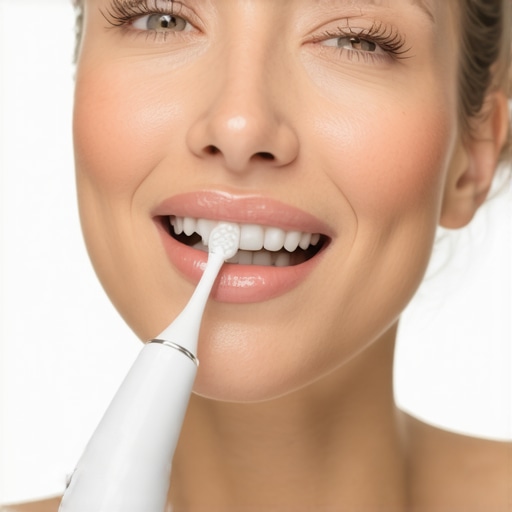 When it comes to cosmetic dentistry, many people cling to myths that can lead to costly mistakes or unmet expectations. One pervasive misconception is that all dental crowns are one-size-fits-all solutions. In reality, the choice of crown material and design must be tailored to your specific needs—taking into account factors like the location of the tooth, esthetic goals, and durability requirements. For an in-depth understanding, visit this comparison of dental restorations.
A common trap is assuming that cosmetic procedures like veneers or crowns are purely superficial and don’t require comprehensive planning. This oversimplification can lead to choosing the wrong type of restoration, which impacts function, longevity, and overall oral health. For example, opting for a porcelain veneer without considering bite dynamics may result in chipping or failure. Experts recommend a full assessment of your bite and jaw alignment as part of treatment planning, which can be explored in comprehensive guides on crowns.
Many assume that family dentistry is only about routine cleanings and cavity fillings. However, the nuance lies in the preventive aspect—spotting small issues before they become major problems. Family dentists not only treat your teeth but also develop personalized strategies to monitor and maintain oral health through generations. Discover the importance of a proactive family dentistry approach at this detailed resource.
Now, let’s address a question often overlooked by even experienced patients: How do dentist expertise and technology influence the outcome of cosmetic procedures? Many people believe that any dentist can perform smile makeovers, but polished results demand specialized training and up-to-date equipment. Advanced 3D imaging, CAD/CAM technology, and material science innovations significantly enhance precision and esthetic naturalness. Research indicates that practices investing in such technology achieve higher patient satisfaction, as discussed in this review of cosmetic dentistry trends.
The emotional impact of a smile makes choosing the right dental specialist crucial. Failing to do so may result in repeated adjustments, delays, or subpar results. Always verify credentials, specialization in cosmetic procedures, and reviews—your smile’s future depends on it. Need help? Reach out to our expert team.
Have you ever fallen into this trap? Let me know in the comments below. Understanding these nuances can transform your dental journey and save you from unnecessary expenses or disappointments.
Keeping your dental restorations, like crowns or veneers, in top shape requires more than just routine brushing and flossing. Proper maintenance ensures their longevity and preserves your beautiful smile. As someone who has personally navigated the challenges of dental upkeep, I can attest that investing in the right tools and techniques makes all the difference.
Invest in Quality Dental Equipment
One of my go-to tools is a high-quality electric toothbrush with customizable modes. I personally favor models like the Sonicare ProtectiveClean, which offers a sensitive setting perfect for post-restoration care. The key is choosing a device that provides gentle yet effective vibrations, reducing the risk of damaging delicate surfaces. Additionally, a pointed water flosser—such as the Waterpik Aquarius—helps reach areas that regular floss might miss, especially around crowns and bridges.
Using specialized interdental brushes with soft bristles has also transformed my routine. They are excellent for cleaning around crown margins without applying excessive pressure. Remember, the goal isn’t to scrub vigorously but to gently dislodge any plaque buildup.
Adopt Smart Maintenance Practices
Regular check-ups with your dentist are vital. A professional evaluation can catch early signs of wear or decay that might threaten your restorations. During visits, I always ask my dentist to inspect my crowns and veneers closely, which helps in planning timely touch-ups or replacements.
Incorporating remineralizing toothpaste containing fluoride or hydroxyapatite can further strengthen your natural enamel around restorations. I’ve noticed that consistent use of such toothpaste minimizes sensitivity and maintains the integrity of the bonding surface.
Plan for Future Modernizations
As technology advances, so do the materials and techniques used in cosmetic and restorative dentistry. Trends indicate a move toward biocompatible zirconia crowns and ceramic veneers that mimic natural teeth more closely and last longer. Staying informed through reputable sources like this detailed review can help you understand when it’s time to consider upgrades.
How do I maintain my dental restorations over time?
Consistent adherence to recommended oral hygiene practices—including using an electric toothbrush, soft interdental brushes, and regular professional check-ups—extends the life of your dental work. Remember, gentle cleaning is key to prevent damaging the bond or wearing down the material. Also, avoid biting into overly hard foods like ice or popcorn kernels that can crack or dislodge restorations. If you notice any chipping or loosening, consult your dentist promptly to address issues before they worsen.
Technological innovations like CAD/CAM milling enable precise restorations that fit seamlessly and last longer. According to dental material experts, selecting the right material and proper fabrication significantly impacts durability. Make it a habit to schedule regular assessments and discuss potential upgrades with your dentist to keep your smile shining for years to come.
Ready to take your dental long-term care to the next level? Try incorporating a high-tech water flosser into your routine—it’s a game-changer for keeping those crowns pristine and healthy.
What I Wish I Knew Before Brightening My Smile
- Choosing the right dental professional made all the difference—trusting experts who stay updated with the latest technologies ensures better long-term results.
- Preventive care isn’t just about avoiding cavities; it’s vital for maintaining aesthetic restorations like crowns and veneers, preserving your investment in beauty.
- Genuine understanding of material science behind restorations helped me make informed decisions, leading to more durable and natural-looking outcomes.
- Consistent communication with my dentist cleared up misconceptions and set realistic expectations—running that open dialogue is key.
- The importance of personalized oral hygiene routines became crystal clear—what works for someone else might not work for me, especially around crowns and implants.
Tools That Transformed My Approach to a Healthy Smile
- High-quality electric toothbrushes like the Sonicare ProtectiveClean provide gentle yet effective cleaning, especially around delicate restorations—trustworthy and gentle.
- Water flossers, such as the Waterpik Aquarius, became my secret weapon for reaching tricky areas and preventing plaque buildup around crowns and bridges.
- Specialized interdental brushes with soft bristles avoid damaging restorations while ensuring thorough cleaning—safe and efficient.
- Remineralizing toothpaste containing fluoride or hydroxyapatite helped strengthen the natural enamel and preserve the bond of my dental work—adding peace of mind.
- Digital dental records and apps enabled me to track maintenance routines, schedule reminders, and stay proactive about my oral health—empowering and modern.
Turn Your Dental Journey Into a Smile Revolution
Your smile is a powerful part of your identity and confidence. Embrace the knowledge, tools, and habits that protect and enhance your dental health—remember, your journey towards a resilient and beautiful smile is unique. Don’t hesitate to explore new techniques, ask questions, and seek personalized advice. Every step you take today is an investment in the radiant smile you deserve tomorrow.
What has been your biggest challenge when maintaining dental restorations like crowns or veneers? Share your experience below—I’d love to hear your story and help you find solutions to keep your smile shining bright!