I remember the moment clearly. My child was playing soccer, adrenaline pumping, and suddenly, a rough tackle sent him tumbling. When I rushed over, I saw the blood immediately—his front tooth was chipped. My stomach sank. That was my lightbulb moment. I realized I hadn’t given much thought to protecting his teeth during his energetic, contact sports—and I wasn’t alone. Many parents assume that a mouthguard is enough, but the truth is, there are crucial steps you might be overlooking.
Why Protecting Your Child’s Teeth Is More Important Than You Think
As a parent, knowing that your child’s smile is safe while they’re out there having fun is a huge relief. But did you know that dental injuries are among the most common facial injuries in young athletes? According to the American Academy of Pediatric Dentistry, about **30% of dental injuries happen during sports or recreational activities** (AAPD, 2022). That’s nearly one in three! That statistic got me thinking—how many injuries could have been prevented with proper protective gear and knowledge?
While a simple mouthguard can significantly reduce the risk of dental trauma, it’s not a foolproof shield. An improperly fitted mouthguard or overlooking other protective measures can leave your child vulnerable. I learned early on that relying solely on store-bought, one-size-fits-all mouthguards isn’t enough. Custom-fit options, like those crafted by your family dentist, provide a much better safeguard. Curious about how to choose the right protection? Check out dental crowns explained for more insights on tooth safety.
In the upcoming sections, I’ll share practical, experience-based tips that can make a real difference in keeping your child’s teeth intact, sport after sport. From choosing the best mouthguard to understanding when to seek professional advice, we’ll cover what every parent should know to act confidently against injury risks.
Have you faced a dental injury scare during your child’s sports game? You’re not alone. Quickly protecting those pearly whites can be a game changer—literally. So let’s get prepared with info you can trust.
Fit a Custom Mouthguard for Maximum Protection
When my son started playing soccer regularly, I realized store-bought mouthguards often fit poorly, reducing their effectiveness. I scheduled a visit to our dentist who crafted a custom-fit mouthguard. This varified an easy but crucial step—custom fit ensures the guard stays in place and absorbs impact better, substantially lowering injury risk. To do this, the dentist makes a precise impression of your child’s teeth, much like creating a mold for a bespoke shoe, ensuring the guard fits snugly and comfortably.
Prepare Your Child for a Comfortable Fit
During the appointment, I watched how the dentist explained the process to my son, making sure he understood the importance. The key is to ensure the guard is not too tight—which could cause discomfort—or too loose, which can slip off during a game. Regular checkups are vital; as your child’s teeth grow, the guard should be adjusted. Remember, a well-fitted mouthguard is your first line of defense against dental injuries during contact sports or even energetic play.
Implement Additional Protective Measures and Strategies
Protection isn’t just about the mouthguard. I immediately integrated safety rules into my child’s routine. For example, I recommended wearing a helmet especially during high-impact sports, and emphasized safe playing techniques to minimize falls and collisions. Using mouthguards in combination with eye protection and proper supervision can significantly lessen the chance of dental trauma. Just as a dam holds back water, these combined safety measures keep your child’s smile secure.
Supervise and Educate About Safe Play
In practical terms, I sat with my son before each game, reviewing safety points. Teaching him to avoid unnecessary roughness and encouraging respectful play helps prevent injuries. Also, I learned that proper warm-ups decrease accident chances, much like stretching before a run ensures muscles are prepared. These simple steps foster a culture of safety, making sure that the focus stays on fun rather than injury avoidance.
Know When to Seek Professional Help Quickly
Despite precautions, accidents happen. I vividly remember a game where my daughter took a tumble, causing a bleeding lip and a loose tooth. Immediate action was critical. Our family dentist emphasized that prompt professional assessment—like visiting your trusted family dentist—can mean the difference between a minor repair and long-term damage. I learned to keep emergency contact numbers handy and to recognize signs of serious injury, such as bleeding that won’t stop or persistent pain.
Temporary Measures Before Professional Care
In this case, my quick response—applying gentle pressure with a clean cloth and using cold packs to reduce swelling—helped. Remember, never attempt to reinsert a displaced tooth yourself; instead, keep it moist in milk or saline and consult a professional immediately. Acting swiftly with proper first aid plus professional advice can preserve the child’s natural smile and prevent complications such as infections or more extensive repairs like crowns or implants, which can be discussed later on here.
Many people believe that dental crowns are a straightforward solution for damaged teeth, but the reality is far more nuanced. One common misconception is that all crowns are similar, leading patients to opt for cheaper, less durable options without understanding the long-term implications. In truth, choosing the right type of crown—be it porcelain, zirconia, or porcelain-fused-to-metal—depends on the specific tooth, aesthetic goals, and functional requirements. Detailed insights about these options can be found in comprehensive guides.
Another fallacy is that crowns are purely cosmetic. While they do enhance appearance, their primary role is often restorative or protective, especially for severely damaged or root-canaled teeth. Overlooking this purpose can lead patients to underestimate the importance of proper installation and material selection. Moreover, many assume that crowns are maintenance-free, but improper care—like neglecting oral hygiene around the crown margin—can result in decay and failure, underscoring the need for ongoing professional monitoring.
For those considering cosmetic enhancements, the misconception that whitening alone will suffice for a perfect smile is widespread. While whitening can dramatically improve the look of natural teeth, it doesn’t address structural issues or misalignment. Advanced cosmetic dentistry, including veneers or crowns, may be necessary to achieve that Hollywood smile. To see recent trends and innovative techniques, explore latest cosmetic trends.
One critical trap that many fall into is assuming that dental procedures are universally suitable without personalized assessment. For instance, using a crown designed for a molar on a front tooth can lead to aesthetic and functional issues. Professional evaluation and customization are essential for successful outcomes. This highlights the importance of consulting experienced dentists who tailor treatments to individual needs, rather than opting for one-size-fits-all solutions.
Finally, there’s a common myth that cosmetic dentistry is only about vanity. In reality, a confident smile can significantly impact self-esteem and social interactions. However, some overlook the importance of a holistic approach that combines function and aesthetics, ensuring that cosmetic enhancements also promote oral health.
In the end, understanding these hidden nuances can prevent costly mistakes and lead to better dental outcomes. Being aware of these myths and traps allows you to engage more confidently with your dental care provider. Do you know of other misconceptions about crowns or family dentistry? Share your experiences and ask questions below—I’m here to help ensure your smile is both beautiful and healthy.
Keeping your dental restorations, such as crowns, in optimal condition over the years requires more than just good brushing habits. It involves using the right tools and adopting effective methods that ensure durability and preserve their natural look. As someone deeply involved in cosmetic and family dentistry, I can attest that investing in specific equipment and techniques makes a remarkable difference.
Why Your Choice of Dental Care Tools Matters
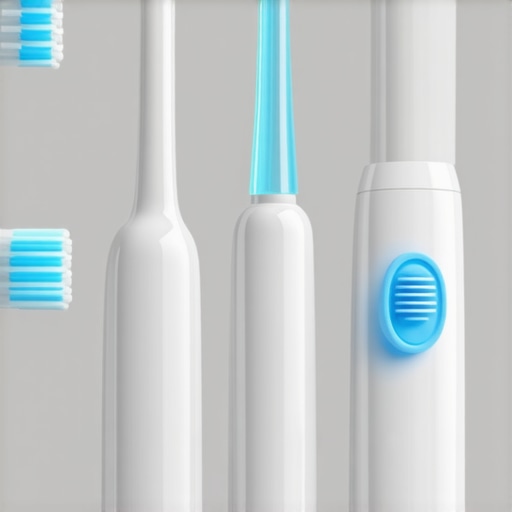
The first step toward long-lasting dental work is selecting the appropriate instruments for daily maintenance. For example, I highly recommend using an electric toothbrush with a gentle, oscillating-rotating motion. These devices surpass manual brushes in removing plaque, especially around crowns and bridges, where precision is key. I personally prefer models equipped with timer and pressure sensors to prevent overbrushing, which can damage delicate restorations. A good electric toothbrush, combined with a soft-bristled end-tapered brush like the Oral-B Super Floss, helps clean hard-to-reach areas effectively.
How do I maintain my crown and prevent debris build-up?
Regular flossing with specialized floss aids is crucial. I recommend using waxed floss with a floss threader for around bridges, or interdental brushes like the Sulcabrush. These tools glide easily under restorations, reducing plaque accumulation. Additionally, I advise incorporating oral irrigators—like Waterpik models—into your routine. They deliver pulsating water streams that dislodge food particles from beneath crowns and around gumlines, minimizing the risk of decay at margins. As a tip, always choose attachments designed for sensitive gums to avoid irritation.
Leveraging Quality Restorative Materials for Longevity
Beyond daily tools, the materials used in your crowns significantly impact their lifespan. Modern crowns made from zirconia or porcelain fused to metal provide exceptional strength and aesthetic appeal. When selecting a dentist, ask about the latest advancements in materials that resist staining and chipping. Proper bonding techniques, which include meticulous preparation and using resin cements, are vital for durability. According to recent research, well-bonded crowns can last over 15 years with proper care.
What’s next for tools and methods in crown maintenance?
The trend is moving toward digital monitoring and minimally invasive procedures. Digital intraoral scanners provide precise impressions, reducing the need for uncomfortable molds and enhancing fitting accuracy. Additionally, whitening and sealing techniques are evolving to protect crowns from discoloration and decay. Future advancements may include smart sensors embedded in restorations to alert you about wear or microleakage, facilitating preventive interventions.
How do I maintain my dental appliances over time?
Consistency is key. Schedule regular check-ups with your family dentist to evaluate the integrity of your crowns and restorations. During these visits, professional cleanings and intraoral examinations can identify issues early—saving you from costly repairs later. Remember, proper home care combined with professional oversight is the best approach to ensure your investments in dental health stand the test of time.
Try integrating an advanced routine, like using a water flosser daily, and observe how much plaque you can reduce around your crowns. This small adjustment can directly prolong the life of your restorations and keep your smile looking its best. For more detailed information on how modern materials and tech support long-term dental health, visit this comprehensive guide.
< >
>
The Hidden Lessons About crowns, dentist, cosmetic dentistry, family dentistry That Changed My Approach
One of the most profound insights I discovered is that investing in personalized, high-quality dental care tools can drastically extend the lifespan of crowns and restorations, saving time and money in the long run. I also learned that trusting your dentist’s expertise in customizing solutions—not just opting for off-the-shelf options—makes a world of difference. A less obvious lesson was realizing how vital ongoing education about misconceptions, like assuming all crowns are identical, truly is for making empowered decisions. Lastly, I understood that emotional confidence in smiling begins with understanding these treatments deeply—transforming anxiety into proactive care.
My Go-To Gems for Dental Success
For anyone serious about protecting their smile, I highly recommend exploring detailed resources like comprehensive guides on dental crowns. They demystify the nuances between different materials, helping you choose what’s best for your needs. Additionally, books such as Smile Makeover Secrets provide insights into modern cosmetic dentistry trends that can inspire and inform your journey. To stay updated with innovative techniques, regularly visit reputable websites like latest cosmetic dentistry innovations. Lastly, engaging with trusted local dental professionals through reviews and consultations ensures personalized advice and peace of mind.
Step Into Your Dental Confidence Today
Remember, understanding the subtleties of crowns, family, and cosmetic dentistry is empowering. The more you learn, the better prepared you’ll be to make choices that truly benefit your health and appearance. Your smile is your signature—make it resilient and radiant by staying informed and proactive. Don’t wait for a problem to sneak up; invest in knowledge today and keep your smile shining brightly for years to come.