I still remember the day I nervously poked at that painful bump on my gum, convincing myself it was just a harmless little gum boil. But as the days went on and the discomfort grew, I realized I was staring down something much more serious—a potential dental abscess. That moment of hesitation taught me a crucial lesson: not all oral bumps are created equal, and knowing the difference can save your smile and your health.
If you’ve ever experienced a swollen, tender spot in your gums, you’re not alone. Many people mistake a simple gum boil for something more sinister, or vice versa. This confusion isn’t just about semantics; it impacts how you respond to the problem. Miss it, and you might face more pain, a costly trip to the dentist, or even tooth loss.
Today, together, we’re going to unravel this mystery. I’ll walk you through the key differences between a dental abscess and a gum boil, how to recognize the warning signs, and why acting promptly is your best bet. After all, an educated decision could be the difference between a quick fix and a lengthy, painful treatment.
Why Knowing the Difference Can Save Your Smile
Understanding what you’re dealing with is essential. A gum boil often appears as a small, pus-filled bump that might burst on its own or with gentle pressure. It’s usually a response to localized infection or irritation, often from trapped food or mild gum inflammation. Conversely, a dental abscess is a deeper, more severe infection that forms at the root of a tooth or in the surrounding gum tissue. It can cause significant swelling, intense pain, fever, and even spread if left untreated.
Early in my experience, I made the mistake of dismissing a persistent gum bump as just a minor nuisance, only to realize it was an abscess that needed urgent care. As Dr. Mark Dunhoff, a respected dentist, explains, “Ignoring an abscess can lead to serious systemic health issues, including the spread of infection to other parts of the body” (source: [The Risk of Ignoring a Tooth That Has Turned Dark Gray](https://alignorthodonticz.com/the-risk-of-ignoring-a-tooth-that-has-turned-dark-gray)). That’s a reality I wouldn’t wish on anyone.
Have you ever faced a swelling or pain that seemed minor but turned out to be more alarming? It’s easy to brush it off, especially if you’re busy or apprehensive about dental visits. But knowing what to look for can help you act before things escalate.
In the upcoming sections, I’ll share practical tips on how to differentiate between these issues, when to see your dentist, and what treatments might be involved. Trust me, understanding these differences is a vital step toward maintaining your oral health and avoiding unnecessary discomfort.
Assess Your Symptoms Quickly and Precisely
Start by examining the size, color, and pain level of the bump. Think of it as diagnosing a car problem—notice if the bump is a small, soft swelling that might burst easily, which leans toward a gum boil, versus a large, throbbing, and persistent swelling indicating a possible abscess. Remember, a gum boil might just be a reaction to irritation, whereas an abscess signals a deeper infection.
Perform a Gentle Self-Check at Home
Use your tongue and fingers cautiously to feel around the area. If the bump is soft and tender but not significantly swollen, it could be a minor gum irritation. But if pressing causes sharp pain, or if the area feels hot and the swelling enlarges quickly, it’s time to act fast. Visual cues like pus or a sudden increase in swelling also suggest infection.
Prioritize Immediate Actions and Comfort Measures
Rinse your mouth with warm saltwater—this is akin to putting a cooling patch on a bruise—reducing bacteria and easing discomfort. Apply a cold compress externally to the cheek to diminish swelling. Over-the-counter pain relievers can help manage discomfort, but do not rely on them as a cure. If symptoms worsen or if you notice fever or spreading swelling, seek emergency dental care without delay.
Schedule an Expert Dental Examination
Understanding the core difference requires a professional assessment. When you visit your dentist, they might perform a visual exam and take X-rays—imagine it like pulling back the hood of a machine to inspect unseen components. This step is crucial to determine whether the bump is a simple gum boil or a sign of an abscess at the root of a tooth.
Diagnosing the Root Cause
During your appointment, the dentist will evaluate your symptoms, examine the tooth and gums, and probably take radiographs. If it’s a gum boil caused by localized inflammation, treatment may involve cleaning and improved oral hygiene. An abscess, however, could require drainage, antibiotics, or even root canal treatment. Recognizing these differences early ensures targeted intervention, preventing complications.
Implement Effective Treatment Strategies
If you’re battling a gum boil, maintaining excellent oral hygiene is your frontline defense—brush twice daily, floss carefully, and avoid irritants like tobacco or hard foods. For abscesses, professional intervention is often necessary; your dentist might drain the infection and prescribe antibiotics. In some cases, a healthcare provider may recommend more extensive procedures like a root canal or dental crowns—think of crowns as a hard hat protecting and rebuilding a damaged house (learn more about dental crowns).
Prevent Future Incidents
Adopt consistent oral care habits and visit your dentist regularly—many of these issues stem from neglect or delayed treatment. For children, establishing a routine early helps prevent complications like abscesses, akin to planting a tree for long-term growth (discover child-friendly dental care). Be attentive to changes in your oral health, and address problems promptly to keep your smile healthy and radiant.
Many people assume that cosmetic dentistry is a quick and simple fix, but there’s more to it than meets the eye. A common misconception is that all veneers, whitening, or crowns are created equal, which isn’t true. For example, some believe that porcelain veneers are indestructible—however, they can chip or stain over time if not properly maintained. This false sense of durability can lead to neglect, and ultimately, costly repairs. According to the American Academy of Cosmetic Dentistry, only the right material and technique ensure longevity and natural-looking results, emphasizing the importance of choosing experienced practitioners (learn more about expert cosmetic solutions).Maintaining a beautiful and functional smile requires more than just quality procedures—it demands the right tools and methods to ensure long-term success. In my practice, I rely on specific equipment and software that not only enhance patient outcomes but also streamline the process, making maintenance more manageable over time.
Why Precision Matters in Dental Maintenance
One of the foundational tools I recommend is a high-resolution digital intraoral scanner. Unlike traditional impression materials, these scanners provide instant, accurate 3D images of your teeth, allowing for precise monitoring of restorations like crowns and veneers. I personally use the iTero Element system because it offers exceptional accuracy and integrates seamlessly with CAD/CAM software, enabling me to evaluate the integrity of restorations and detect issues early before they become problematic.
Software That Enables Better Long-Term Care
Beyond hardware, sophisticated dental management software like Dentrix Ascend or Eaglesoft helps track patient history, schedule regular checkups, and flag potential problems. These platforms also allow for storing detailed images and X-rays, making it easier to identify subtle changes over time. I prioritize software that offers integration capabilities and user-friendly interfaces because they save time during appointments and improve communication with patients about maintenance plans.
The Power of Ultrasonic Cleaners and Air Abrasion Devices
Maintaining your crowns and other restorations involves regular professional cleaning, which I facilitate using ultrasonic scalers equipped with slim, adaptable tips. These tools effectively remove plaque and tartar without damaging restorations—a crucial aspect because rough or improperly cleaned crowns can develop surface wear or decay. Additionally, air abrasion devices are invaluable for conservative polishing and cleaning around delicate margins, helping extend the lifespan of your dental work.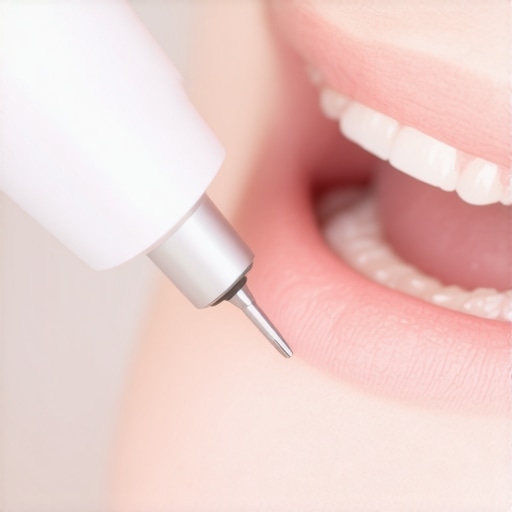
The future of dental maintenance is moving toward even smarter tools. Emerging technologies like AI-driven dental imaging software are promising predictive insights, helping us anticipate issues before they manifest visibly. For example, AI algorithms can analyze patterns in X-ray scans to detect early signs of crown failure or secondary caries, enabling proactive care.
One tip I encourage all patients to try is scheduling digital scanning appointments at least once every two years. This advanced technique not only keeps your records accurate but also allows your dentist to spot subtle changes that could compromise your restorations or overall oral health, aligning with the trend of personalized, preventive dentistry (check out upcoming cosmetic dentistry trends). Implementing these tools and strategies now can drastically improve your long-term results, ensuring your smile remains both attractive and durable for years to come.
The Hidden Wisdom I Gained from My Smile Journey
One of the most profound lessons I learned is that cosmetic dentistry isn’t just about aesthetics; it’s a gateway to overall health. I realized that neglecting small signs, like a stubborn gum bump, can escalate into serious issues, emphasizing the importance of early detection and professional intervention.
Another insight is that choosing the right materials for crowns and veneers—like porcelain over composite—is crucial for longevity and natural appearance. This experience taught me that investing in high-quality options and trusting seasoned practitioners can save you from future hassles and expenses.
Lastly, I discovered that incorporating advanced tools like digital intraoral scanners and AI-powered imaging isn’t just techie jargon; it’s a game-changer. These innovations empower us to catch issues early, personalize treatments, and maintain our radiant smiles with confidence.
Tools and Resources that Changed My Approach to Oral Care
My top recommendation is the latest cosmetic dentistry trends guide, which keeps me informed about emerging techniques. I personally rely on the comprehensive resources on dental crowns for understanding best restoration choices. For staying proactive, dental health tracking software helps me and my patients monitor progress over time. Lastly, I trust the child-friendly family dentistry guidelines to ensure starting young with good habits.
Your Smile’s Next Chapter Starts Today
Remember, your journey with cosmetic dentistry and crowns isn’t just about fixing teeth—it’s about embracing a healthier, more confident you. Every small step, from routine checkups to informed material choices, can make a lasting difference. Invest in your oral health now, and watch your smile transform into a lifelong source of pride. Your future self will thank you for taking action today.