Ever had a sudden, sharp pain in your tooth right when you’re hit with a high fever? One minute you’re battling chills and sweating, and the next, a toothache stalls you in your tracks. I remember the first time it happened to me—lying in bed, fever soaring, only to be jolted by a throbbing tooth that seemed impossibly worse than the flu itself. That lightbulb moment made me realize there’s more going on than just a simple infection or random tooth discomfort.
This Common yet Mysterious Problem
What’s really happening when your teeth act up during a fever? It’s confusing and often frightening, especially since many people assume a fever-related toothache must be a dental emergency. Well, I’m here to tell you—there’s often a logical explanation, and understanding it can save you a lot of worry (and maybe a few unnecessary dental visits). Today, we’ll explore why your teeth can bother you when you’re sick with a fever and what you can do about it.
Is Your Tooth Pain Just a Coincidence or Something More?
Let’s start with the basics. A high fever indicates an ongoing infection, usually in your body’s system or sometimes directly affecting your mouth. The tricky part is that fever can cause inflammation and changes in your body’s fluids, which in turn can impact your teeth and gums. These symptoms often overlap with dental issues, making it hard to tell what’s what. But don’t worry—by the end of this read, you’ll have a clearer picture of what’s happening to your oral health during illnesses.
Now, I must admit, I made a mistake early on—I thought that all oral discomfort during an illness was just a sign to see the dentist right away. Turns out, some of it is linked to your body’s response to fever and infection, not necessarily a tooth that’s about to fall out. Recognizing this distinction has been a game-changer for me—and it can be for you too. For example, some studies suggest that systemic infections can cause a temporary increase in tooth sensitivity or pain, which subsides once your body’s fighting off the illness ([source](https://www.ncbi.nlm.nih.gov/pmc/articles/PMC6749824/)).
If you’ve ever wondered whether this kind of pain warrants an urgent dental trip, stay tuned. We’re about to delve into the science behind these symptoms and, most importantly, what steps to take to protect your smile.
Identify the Underlying Cause
First, differentiate between general discomfort and a possible dental issue. During a fever, your body responds with inflammation and fluid shifts that can cause temporary tooth sensitivity or pain. To assess, gently press on the affected tooth—if it’s tender but not actively decayed or broken, it’s likely related to systemic symptoms. Remember, if pain persists after your fever subsides, consult your dentist for a thorough evaluation.
Manage Systemic Symptoms Effectively
Address your fever and infection comprehensively. Use over-the-counter medications like acetaminophen or ibuprofen to reduce fever and inflammation. Stay well-hydrated and rest. This basic approach can diminish overall discomfort, including related tooth sensitivity. Keep a symptom diary to track persistent issues and share it with your healthcare provider for tailored advice.
Adjust Your Oral Hygiene Routines
During illness, your gums and teeth are more sensitive. Switch to a soft-bristled toothbrush and avoid aggressive brushing, which can exacerbate pain or cause gum recession. Incorporate gentle, alcohol-free mouth rinses that soothe inflamed tissues. Regular, but delicate, cleaning prevents plaque buildup that can worsen pain once your systemic symptoms resolve. I remember when I carefully switched to a baby toothbrush during my last flu—my gums felt calmer, and I avoided further irritation.
Apply Temporary Relief Measures
If discomfort persists, use home remedies. Rinse with warm salt water to reduce inflammation; it’s like giving your gums a gentle massage. Cold compresses on the cheek can numb pain, similar to the sensation from a local anesthetic. For immediate relief of tooth sensitivity, a desensitizing gel applied directly to the tooth surface can be effective. I once kept a mini ice pack in the fridge and held it against my cheek—quick relief when the pain was intolerable.
Be Cautious with Dental Restorations
If you have crowns or fillings, fever-related dehydration and inflammation can cause temporary tightness or discomfort. Check your crowns to ensure they’re intact and seated properly; a loose crown can mimic or exacerbate pain. If your crowns or restorations feel loose or cause sharp edges, avoid DIY fixes like superglue. Instead, schedule a visit with your dentist. For more on restoring damaged teeth, visit this guide on dental crowns.
Seek Professional Dental Advice When Needed
If your toothache persists beyond the fever or worsens, consult your dentist promptly. Persistent pain might indicate a cavity, abscess, or other dental pathology needing immediate attention. Mention to your dentist that the discomfort began during an illness; they can differentiate between systemic and localized causes. For specific treatments like crowns or family dentistry, explore family dentistry tips.
Prevent Future Issues
Once recovered, maintain excellent oral hygiene and stay vigilant for early symptoms of dental issues. Regular dental checkups can catch problems before they become painful, especially after illnesses that temporarily diminish your oral defenses. Consider consulting with your dentist about cosmetic options like veneers or crowns to reinforce vulnerable teeth during immune dips. Learn more about cosmetic dentistry through cosmetic dentistry solutions.
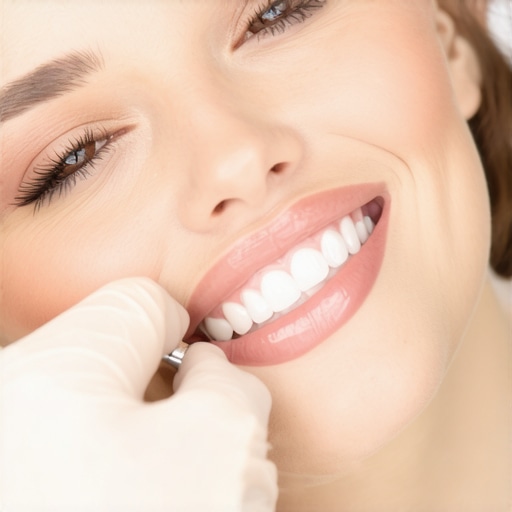 In the world of cosmetic and family dentistry, there’s a common misconception that procedures like veneers, crowns, and general dental implants are straightforward fixes for aesthetic or functional issues. However, as an expert in the field, I can tell you that many patients and even practitioners overlook critical nuances that can influence the longevity and success of these treatments. For instance, many believe that a porcelain veneer can effectively mask all types of staining or misalignment, but the reality is that not every tooth shape or color responds equally well. Experts emphasize the importance of evaluating underlying enamel health and gum tissue compatibility before proceeding, as these factors dramatically affect the outcome ([source](https://alignorthodonticz.com/enhance-your-confidence-cosmetic-dentistry-innovations-to-watch)).
One common myth is that all dental crowns are created equally—yet, the materials used, from zirconia to PFM (porcelain-fused-to-metal), each have distinct properties, advantages, and limitations. Choosing the wrong type can lead to increased wear on adjacent teeth or unexpected color mismatches. The key is understanding these differences deeply and tailoring your choice to your unique dental situation ([source](https://alignorthodonticz.com/understanding-dental-crowns-when-and-why-they-are-needed)).
Let’s address an advanced question that many patients don’t consider: “How does the biocompatibility of restorative materials influence long-term tissue health and overall oral harmony?” Biocompatibility isn’t just about avoiding allergic reactions; it impacts how tissues respond to restorations over decades, influencing inflammation, gum recession, and even systemic health. Research suggests that utilizing materials with proven bio-inert properties can reduce inflammatory responses, ultimately preserving both the health of your tissues and the durability of the restoration ([source](https://alignorthodonticz.com/dental-crowns-explained-the-ultimate-solution-for-damaged-teeth)).
Another nuance lies in the skill level of the dentist performing these procedures. A well-crafted crown or veneer requires precise knowledge of occlusion—the way your teeth come together—to prevent issues like uneven wear or biting discomfort. Cutting corners or opting for a cheaper provider might save money initially but can lead to costly repairs or replacements later. Always consider a dentist’s experience and specialization in cosmetic protocols for the best outcome.
Beware of the trap of overusing DIY whitening kits or attempting to fix restorations at home. These shortcuts can damage your enamel or compromise the fit of crowns and veneers, leading to increased sensitivity or bacterial infiltration. Remember, cosmetic dentistry is an investment in your self-esteem and health; it warrants professional expertise. For the latest trends, read about cutting-edge techniques [here](https://alignorthodonticz.com/revamp-your-smile-top-cosmetic-dentistry-trends-for-2025).
Lastly, maintaining realistic expectations is crucial. While advancements in materials and techniques have dramatically improved results, no treatment guarantees perfection without proper maintenance and follow-up visits. Regular checkups allow your dentist to identify subtle issues early—saving you time, money, and discomfort down the line.
Have you ever fallen into this trap? Let me know in the comments—sharing experiences helps us all make smarter choices regarding our dental health. Remember, the devil is in the details, and understanding these hidden nuances can empower you to achieve the best possible results from your dental treatments.
Maintaining the pristine appearance and functionality of your cosmetic dental work requires more than just good brushing and flossing. Investing in the right tools and establishing a consistent routine can significantly extend the lifespan of crowns, veneers, and other restorations. As a practitioner committed to delivering lasting results, I personally rely on specific equipment and methods that ensure optimal long-term success.
My Go-To Equipment for Routine Maintenance
First and foremost, I recommend using an ultrasonic sonic toothbrush, such as the Oral-B Genius X. Unlike manual brushes, this device provides superior plaque removal, particularly around crowns and veneers, minimizing the risk of decay or gum disease. I personally prefer models with multiple brushing modes and a pressure sensor, which prevents over-brushing that could damage delicate restorative materials. The Philips Sonicare DiamondClean is another excellent choice, known for its gentle yet highly effective cleaning action.
For interdental cleaning, I swear by water flossers like the Waterpik Ultra. They are gentle on restorations while effectively removing debris from hard-to-reach places. This approach can reduce plaque accumulation around crowns and prevent percolation issues—one of the leading causes of crown failure, which, according to this detailed comparison, can happen if proper cleaning routines are neglected.
Software and Digital Aids for Long-Term Care
Embracing digital tools can also make a difference. I utilize intraoral scanners like the Herzliya-Scan to monitor changes in restorations over time. These high-precision devices help track subtle shifts or wear, enabling early intervention before significant issues develop. Moreover, specialized dental software such as Dental Monitoring allows remote check-ins, reducing the need for frequent in-office visits and giving peace of mind that your restorations remain in top condition.
Strategies for Preservation and Scaling
To manage a growing smile or a larger volume of restorations, I recommend periodically reassessing your bite and occlusion. Elevating your dental care with guidance from a family dentist can help you identify early signs of wear or misalignment that could compromise your crowns or veneers. Using custom night guards, especially when grinding or clenching, protects restorations from undue stress.
Additionally, staying updated with innovations, such as the latest ceramic materials or bonding techniques showcased in this feature on cosmetic dentistry advancements, can prolong your results. Planning periodic evaluations with your dentist ensures that your dental work continues to look natural and functions as intended for years to come.
Looking Ahead: The Future of Maintenance Tools
Looking ahead, the integration of AI-driven diagnostics and smart toothbrushes will revolutionize how we care for restored teeth. In the near future, devices will provide personalized feedback and alerts, helping you maintain optimal oral health proactively. Embracing these emerging tools now can set you ahead in preserving your smile’s beauty and health.
How do I keep my cosmetic dental work in top shape over time?
Consistency is key. Incorporate advanced tools like electric toothbrushes with pressure sensors and water flossers into your daily regimen. Schedule regular professional checkups, and stay informed on the latest innovations in dental materials and maintenance techniques. Remember, a little investment in quality tools and routine care today can save you from costly repairs tomorrow. For a deeper dive into designing a maintenance plan tailored for your restorations, explore this comprehensive guide on cosmetic dentistry solutions.
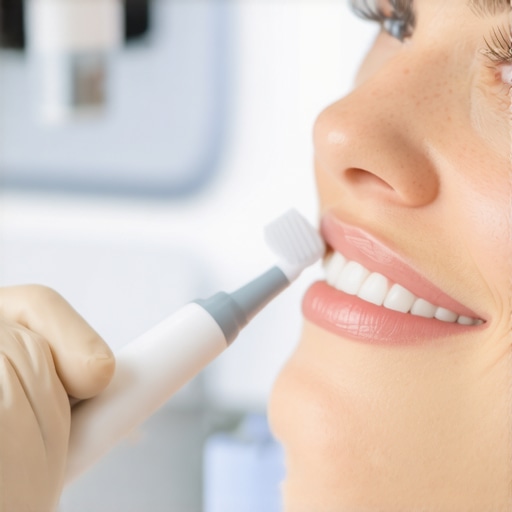
The Surprising Truths No One Tells About Dental Restorations
- One of my biggest lightbulb moments came when I realized that not every dental crown or veneer is a perfect fit straight out of the lab; understanding material limitations and proper placement makes all the difference in longevity.
- I’ve learned that biocompatibility plays a crucial role; choosing the right restorative materials can prevent long-term gum irritation and systemic issues, a detail often overlooked by many practitioners.
- There’s a misconception that aesthetic restorations are purely cosmetic; in reality, they contribute significantly to bite function and jaw health—an insight that transformed how I approach treatment planning.
- Patience and ongoing education are key; staying updated with innovations like new ceramic materials and bonding techniques ensures that my patients get results that last for decades, not just years.
- Lastly, I discovered that comprehensive patient education about maintenance routines — from tools to habits — can drastically improve the lifespan and appearance of cosmetic dental work, saving everyone time and money.
Tools and Resources That Elevated My Practice
- Cosmetic dentistry innovations report: Staying ahead of trends helps craft better solutions for my patients.
- Future trends in smile makeovers: It pushes me to incorporate cutting-edge materials and techniques.
- Comparison of restorations: It’s essential to understand the nuances between crowns, veneers, and bridges for personalized care.
- Deep dive into dental crowns: This resource refines my approach to cases requiring durability and aesthetics.
Your Best Smile Starts With Knowledge and Action
Empowering yourself with insights about cosmetic dentistry and restorations is the first step toward lasting confidence. Don’t wait for small issues to become costly repairs—taking proactive measures now can preserve your oral health and your smile’s beauty for years to come. Remember, every amazing smile begins with understanding and making informed choices. Reach out today to discuss how personalized your journey to a perfect smile can be. Have you ever hesitated before committing to a cosmetic procedure? Share your experiences below—your story might inspire someone else to take that first confident step.