I remember standing in my bathroom three years ago, looking like I’d just participated in a coal-mining expedition. My sink was splattered with black soot, my lips were stained, and I was grinning at the mirror with pitch-black teeth, convinced I was moments away from a movie-star smile. I’d fallen hook, line, and sinker for the viral charcoal powder trend. It felt like the ultimate life hack—natural, cheap, and supposedly more effective than anything a professional could offer. But after three weeks of daily scrubbing, my ‘lightbulb moment’ wasn’t a brighter smile; it was a sharp, shooting pain when I sipped my morning coffee. I had literally sanded down my own protection. Today, I want to pull back the curtain on this trend and help you avoid the expensive mistakes I made so you can keep your smile bright without sacrificing your health. We’re going to look at why that black powder might be doing more harm than good and how to actually achieve a glow-up safely, perhaps even looking into cosmetic dentistry trends that won’t ruin your life.
Stop Scrubbing Away Your Protection
Most of us are desperate for a quick fix, especially if we’re trying to figure out how to keep your teeth white if you drink coffee every day. My biggest mistake was assuming ‘natural’ meant ‘gentle.’ I used that abrasive powder twice a day, thinking the grittiness was just cleaning better. In reality, I was thinning my enamel. Once that enamel is gone, it doesn’t grow back. This is often the reason your teeth look transparent at the bottom edges over time. The charcoal acts like sandpaper; sure, it might scrape off a surface stain from your lunch, but it’s also taking a microscopic layer of your tooth structure with it. This leads to permanent sensitivity and a yellowish tint as the inner dentin begins to show through. It’s a classic example of a ‘DIY win’ turning into a ‘dentist chair fail.’
Is the Natural Label Just a Marketing Trap?
We all want to believe that a simple powder from the earth is better than something ‘chemical’ from a tube. But here’s the kicker: the American Dental Association (ADA) warns that there is no evidence charcoal-based products are safe or effective for your teeth, and many are far too abrasive for regular use. It makes me wonder—why do we trust a TikTok influencer over decades of family dentistry wisdom? Have you ever tried one of these ‘all-natural’ whitening hacks only to regret it when your teeth started throbbing or felt fuzzy? I’d love to hear if I’m the only one who fell for the ‘black teeth for white teeth’ paradox. It’s time we start prioritizing the long-term strength of our enamel over a temporary, risky trend.
If you have already dipped your toothbrush into that jar of black soot, do not panic, but do stop immediately. The transition from a ‘natural’ DIY enthusiast to someone with a healthy, sustainable smile starts with a simple shift in strategy. Instead of using brute force to scrub away stains, we need to focus on chemical lifts and structural protection. Think of your tooth enamel like the clear coat on a high-end sports car; once you sand it down with something abrasive like charcoal, the metal—or in this case, the yellowish dentin—underneath starts to show through. This is exactly the reason your teeth look transparent at the bottom edges and why they become so sensitive to a simple breeze.
Check Your Enamel Before the Damage Becomes Permanent
The first thing you need to do is a quick visual audit of your smile. Hold a small mirror and look at your front teeth under a bright light. Do the edges look slightly bluish or see-through? Does a sip of ice water send a jolt through your jaw? If so, you have already moved past surface staining and into enamel erosion. This is the moment where you need to stop playing amateur chemist and look into expert cosmetic dentistry solutions that can actually replace that lost barrier. When I reached this point, I realized that my DIY ‘hacks’ were actually creating a structural deficit that no amount of toothpaste could fill.
Choose Chemical Whitening Over Physical Abrasion
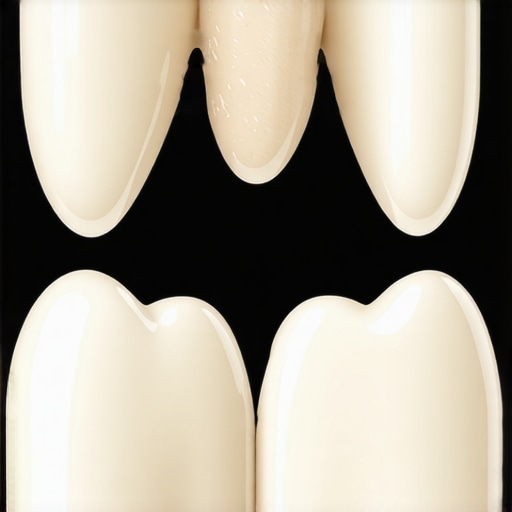
If you are still looking for a brighter look, the answer isn’t a harder scrub; it is a smarter soak. Professional whitening gels use carbamide or hydrogen peroxide to penetrate the enamel and break up deep-set pigment molecules without physically scraping the tooth. This is the gold standard for anyone trying to figure out how to keep your teeth white if you drink coffee every day. Unlike charcoal, which acts like a Brillo pad on a glass window, peroxide works like a laundry soak, lifting the grime while leaving the structure intact. Even if you have sensitive teeth, modern formulas are designed with desensitizers that make the process comfortable.
How to Restore the Strength You Lost
Sometimes, the damage is already done. I remember one specific Tuesday morning when I bit into a piece of toast and felt a tiny ‘click.’ I’d thinned my enamel so much with charcoal that a microscopic piece of my front tooth simply gave up. I was terrified I’d need a full replacement, but my dentist showed me how to fix a tiny chip in your front tooth without a crown using simple bonding. If you have more extensive wear, you might need to look into understanding dental crowns to provide a new ‘helmet’ for your tooth. It’s an investment in your future ability to eat an apple or drink a hot tea without wincing. Strengthening your foundation is the most important part of any family dentistry routine.
Stop Washing Away Your Progress
The final step in this ‘glow-up’ doesn’t cost a dime. Once you have switched to a safe, fluoride-rich toothpaste that repairs enamel, you have to let it work. My biggest habit to break was the post-brush rinse. If you want to keep your teeth strong and white, you must stop rinsing your mouth immediately after you finish brushing. By spitting but not rinsing, you leave a concentrated layer of protective minerals on your teeth that continues to harden the enamel throughout the night. It is the easiest, most effective way to reverse the ‘fuzzy’ feeling and rebuild what the charcoal took away.
Let’s dig deeper into the world of dental restorations, because this is where many people make their most expensive mistakes. If you have reached the point where your enamel is too thin for a simple fix, you are likely weighing the pros and cons of major work. But here is the nuance most people miss: a dental crown is not an indestructible, invisible forcefield. I used to think that once a tooth was capped, it was basically ‘retired’ from the risk of cavities. This is a massive misconception. The “Oops” factor here is neglecting the margin—that tiny, microscopic seam where the porcelain meets your natural tooth. If you do not maintain a strict family dentistry guide building a lifetime of healthy smiles, bacteria will migrate into that seam, causing decay underneath the crown where you cannot even see it.
Your Crown Isn’t an Invisible Forcefield
Everyone says cosmetic dentistry is just about vanity, but in my experience, it is actually the ultimate form of functional health. When you look into revamp your smile top cosmetic dentistry trends for 2025, you will see that the focus is shifting from ‘Hollywood white’ to structural longevity. The trap many fall into is choosing the cheapest material available without considering how it interacts with their bite. If you have a heavy bite or grind your teeth at night, a cheaper material might fracture within years. Understanding dental crowns vs other restorations which is right for you requires an honest conversation about your habits, not just your budget.
Can You Really Expect a Restoration to Last Decades?
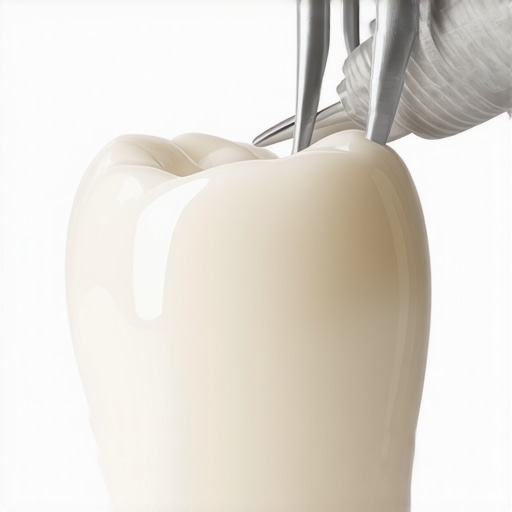
The short answer is: only if you treat it like a living part of your body. A study published in the Journal of Oral Rehabilitation found that the long-term success of dental restorations is more dependent on the health of the surrounding periodontium (the gums and bone) than the strength of the crown itself. This is why you might notice why your gum line looks dark around an old crown; it is often a sign that the gum tissue is retreating due to inflammation or aging, exposing the junction of the restoration. If you ignore these signs, you risk the real cost of delaying a necessary dental crown replacement, which can lead to a full tooth loss.
The Secret to Longevity is in the Gums
We often focus so much on the porcelain that we forget the foundation. Modern expert cosmetic dentistry solutions are now integrating gum health as a primary pillar of the procedure. It is no longer enough to just ‘glue’ a cap on. We have to ensure the biological width is respected so the body doesn’t reject the restoration. If your gums feel spongy or bleed around a specific tooth, that is your body’s alarm system going off. Have you ever fallen into the “set it and forget it” trap with a dental repair? Let me know in the comments. I am curious if you were told your crowns were a permanent fix or if you were warned about the maintenance required to keep them from failing. Success in ensuring oral health for all ages means being proactive about these small changes before they become emergencies.
I used to think that once I walked out of the clinic with a new smile, the hard work was over. I was wrong. The real challenge—and the real secret to a lifetime of compliments—is in the maintenance. After my charcoal disaster, I realized that I was scrubbing way too hard, which is why your gums are receding despite using a soft toothbrush. I finally traded in my manual brush for an electric one with a built-in pressure sensor. This isn’t just about lazy brushing; it is about precision. These sensors flash red the second you press too hard, protecting that delicate junction where your crown meets your gum. If you want to keep your expert cosmetic dentistry solutions looking like they were installed yesterday, you need a tool that prevents you from being your own worst enemy.
Stop Using Muscle and Start Using Tech
The biggest shift I made was moving away from the ‘scrubbing’ mindset to the ‘vibrating’ mindset. High-end sonic toothbrushes create micro-bubbles that reach into areas a manual bristle simply cannot touch. This is essential because even the most perfectly fitted crown can harbor bacteria at the margin. 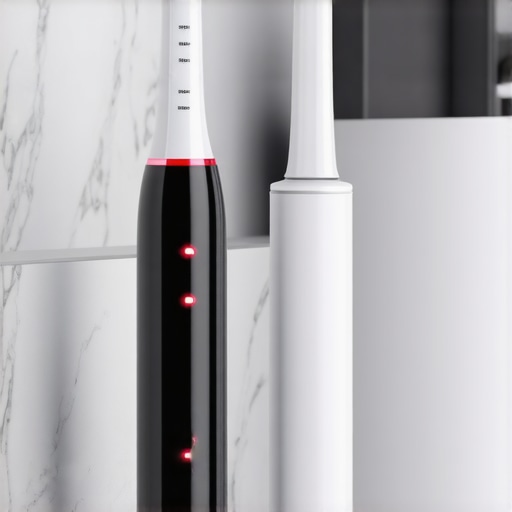 For anyone who has invested in restorative work, this tech is your insurance policy. I also added a water flosser to my nightly ritual. It felt like a gimmick at first, but it is actually the best routine for cleaning under a dental bridge or around crowns where traditional floss tends to shred or get stuck. It’s about flushing out the debris that eventually leads to inflammation and that dreaded dark line at the gum level.
How do I maintain my dental restorations over time?
The key to longevity is managing the forces you put on your teeth while you sleep. I didn’t realize I was a ‘clencher’ until I saw the wear facets on my new porcelain. This is why I never sleep without a custom-fitted occlusal guard. If you are curious about the risks of skipping your night guard for just one week, trust me, the micro-fractures aren’t worth it. Dr. Gordon Christensen, a world-renowned expert and founder of Practical Clinical Courses, often notes that zirconia and lithium disilicate—the materials used in modern crowns—are incredibly strong but brittle under the shearing forces of grinding. A night guard acts as a shock absorber, ensuring your investment doesn’t literally crack under pressure. This proactive approach is the core of ensuring oral health for all ages.
AI is Coming for Your Cavities
Looking ahead, the world of dentistry is moving toward hyper-personalized prevention. I predict that within the next five years, we’ll all have home-based AI scans that sync with our dentist’s office. We’re already seeing this transition in clinics where your dentist might need a 3d scan to find hidden tooth pain that traditional X-rays miss. This technology allows for the detection of microscopic gaps in a restoration before they become painful (and expensive) failures. The future of a bright smile isn’t just better whitening; it’s better data. For now, my best advice is to stop rinsing after you brush tonight. Let that fluoride sit on your enamel and do its job. It’s the simplest ‘pro’ tip I can give you to harden your teeth against the daily grind. Give it a try for just one week—you’ll notice that ‘fuzzy’ feeling disappears much faster than it used to.
Why Your Bathroom Mirror is the Best Reality Check
After three years of repairing the damage I caused with charcoal, I’ve realized that oral health isn’t a DIY project; it’s a long-term collaboration. My biggest ‘lightbulb moment’ was realizing that family dentistry isn’t just about cleanings—it’s about structural preservation. If I had listened to the experts early on, I wouldn’t have needed to research dental crowns vs other restorations which is right for you at age 30. The lesson is simple: if a hack sounds like it’s scrubbing too hard, it probably is. Your teeth are the only set you get, so treat them like the non-renewable resources they are.
#IMAGE_PLACEHOLDER_E#
The High-Tech Gear I Trust Daily
I’ve completely overhauled my routine based on clinical advice rather than viral videos. My ‘Essential Smile Toolkit’ now consists of three main pillars. First, an electric toothbrush with a pressure sensor is non-negotiable to prevent that aggressive scrubbing that causes gums to recede. Second, a water flosser has become the best routine for cleaning under a dental bridge or around new crowns. Finally, I’ve committed to high-fluoride pastes and the strict rule to stop rinsing your mouth immediately after you finish brushing. These aren’t just ‘products’—they are the insurance policy for my cosmetic investment.
Stop Chasing Trends and Start Investing in Strength
The transition from a ‘quick fix’ mindset to a longevity mindset is the most empowering thing you can do for your confidence. When you look into how to revamp your smile top cosmetic dentistry trends for 2025, you’ll see that the future is about preservation, not just perfection. Whether you are teaching a toddler essential family dentistry tips or maintaining your own restorations, the goal is the same: a healthy, pain-free life. Don’t be afraid to walk away from the charcoal and toward expert cosmetic dentistry solutions that actually protect your future. Have you ever tried a ‘natural’ dental hack that ended up causing more trouble than it was worth? Let me know in the comments below!