I will never forget the morning I realized my retainer had become a breeding ground for something that smelled like a damp basement. I had spent thousands on my smile, only to feel like I was hiding a secret swamp behind my lips. My biggest blunder early on? Thinking a quick rinse with lukewarm tap water was enough to keep things hygienic. I actually tried soaking it in boiling water once, thinking I was being ‘extra clean.’ It didn’t sanitize anything—it just warped the plastic into a useless, $500 lump of garbage. We are going to fix that today so you do not repeat my expensive dental disasters. This isn’t just about the hardware; it is about protecting the enamel underneath from the silent build-up that happens while you sleep.
Your Retainer is Trapped in a Bacteria Vacuum
The real problem is not just the plastic; it is what is happening underneath it. When you pop that retainer in, you are essentially sealing your teeth in a vacuum of saliva and microscopic food particles. If you have ever noticed why your teeth feel fuzzy even after you brush them, it is because plaque is working overtime in that damp, enclosed environment. I used to think I could just brush around the hardware, but that is like trying to wash your feet with your socks on. You have to get tactical about the biofilm that forms. If you ignore it, you are basically asking for trouble, and you might eventually need to look into cosmetic dentistry innovations to fix the resulting stains or decay. To keep things fresh, you need a routine that addresses both the device and the surface of your teeth simultaneously. It is much easier to prevent your trays from turning yellow than it is to scrub away months of neglected tartar.
Is all this extra scrubbing actually worth the hassle?
You might be worried that being too aggressive with your cleaning routine will scratch the surface of your retainer, and you are right to be skeptical. Tiny micro-scratches are like luxury hotels for bacteria. According to the American Association of Orthodontists (AAO), dental appliances can harbor significant amounts of bacteria if not cleaned with non-abrasive methods daily. It is not just about the ‘look’—it is about making sure you do not end up with an infection or localized gum issues. Have you ever noticed a funky smell or a white, chalky residue when you take your retainer out in the morning? You are not alone, but that residue is actually calcified plaque that can harden onto your teeth if you aren’t careful. We are going to dive into the exact routine that keeps your breath fresh and your enamel intact, without having to buy a new retainer every six months.
Stop Scrubbing With Your Morning Toothpaste
Stop using your standard toothpaste to clean your hardware immediately. Most commercial brands contain abrasive agents like silica or baking soda designed to polish tough enamel, but these are far too harsh for clear plastic or acrylic. I once tried to scrub a stubborn white spot off my own retainer using a stiff-bristled brush and whitening toothpaste. I ended up creating hundreds of microscopic scratches that turned the plastic permanently cloudy. It looked like I was wearing a piece of frosted glass on my teeth, and those scratches became a permanent hotel for bacteria. Instead, use a mild, clear dish soap or a dedicated cleaning foam designed for expert cosmetic dentistry solutions. If you treat the device like a delicate optical lens rather than a kitchen floor, it will remain invisible for years. Use a soft-bristled brush specifically designated for your retainer, as your regular toothbrush often carries leftover paste that can still cause dullness.
The 15-Minute Soak Rule
The most effective way to eliminate the biofilm that a brush cannot reach is a daily chemical soak. Every morning, while you are drinking your coffee or eating breakfast, drop your hardware into a glass of lukewarm water with a specialized cleaning tablet. This effervescent action breaks down the proteins in your saliva that eventually turn into hard tartar. If you find that your child’s mouth smells bad even after brushing, the source is often a poorly maintained appliance that is re-infecting the gums. The best way to clean dentures without scratching the surface is remarkably similar to the protocol for retainers: stay away from boiling water and harsh bleach, which can leach chemicals into your bloodstream. A simple 15-minute soak is enough to kill 99% of the bacteria without warping the fit.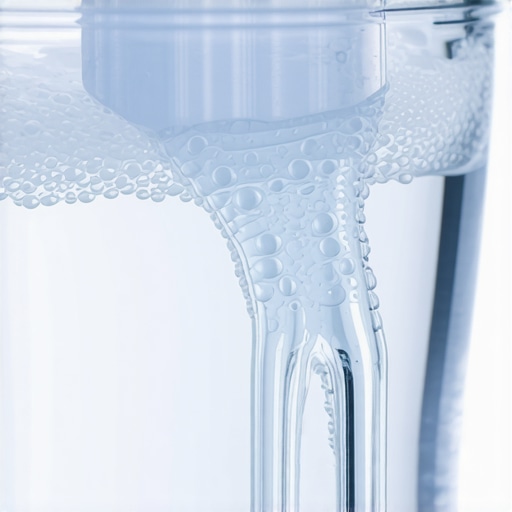
Wash the Case or Risk Re-infection
The biggest mistake people make is putting a freshly cleaned retainer back into a case that has been sitting at the bottom of a gym bag for three weeks. If you do not clean your case, you are basically taking a shower and putting on dirty laundry. Scrub the inside of your case at least once a week with warm soap and water, then let it air dry completely. Leaving the case closed and damp is an invitation for mold. Proper storage is as vital as the cleaning itself; learn how to properly store invisalign trays when eating out to avoid accidentally throwing them in the trash or exposing them to table-top germs. Ignoring case hygiene is a fast track to developing bad breath caused by tonsil stones or localized gum inflammation.
Know When to Call Your Dentist
If you notice hard, white, chalky deposits that won’t budge even after a long soak, do not try to scrape them off with a metal tool or a toothpick. This is calcified plaque, and at this stage, you need professional help. Your dentist has ultrasonic cleaners that can vibrate that debris off without harming the plastic. If you ignore this build-up, it can irritate your gums and lead to decay on the teeth the retainer is meant to protect. In some cases, neglected oral hygiene under an appliance can lead to significant damage that requires dental crowns explained as a restorative measure. If you have questions about the integrity of your hardware, it is always best to contact us or consult a family dentistry guide to ensure your oral environment remains healthy and your smile stays aligned.Let’s dig deeper into the ‘hardware’ mindset. Most people think that once they graduate from a retainer to something more permanent, like a crown, the hard part is over. I see this all the time: a patient gets a beautiful new restoration and assumes it is an invincibility star from a video game. But here is the contrarian truth: a crowned tooth is often more high-maintenance than a natural one. While the porcelain itself won’t decay, the tiny sliver of natural tooth at the gumline—the margin—is a magnet for plaque. If you treat it like a ‘set it and forget it’ solution, you are essentially building a luxury house on a crumbling foundation. To really understand the mechanics, you should look at dental crowns explained by those who see the long-term failures from the inside out. The biggest ‘oops’ factor I encounter? People who shell out thousands for top cosmetic dentistry trends for 2025 but then skip their night guard for a month.
Why your crown feels tight when you wake up
Have you ever noticed that strange, pressurized sensation in your jaw first thing in the morning? It is a common concern, and usually, why your crown feels tight when you wake up comes down to micro-movements or nighttime bruxism rather than a bad fit. According to a study published in the Journal of Oral Rehabilitation, the mechanical stress of grinding can cause restorations to fail up to three times faster than they would in a stable environment. 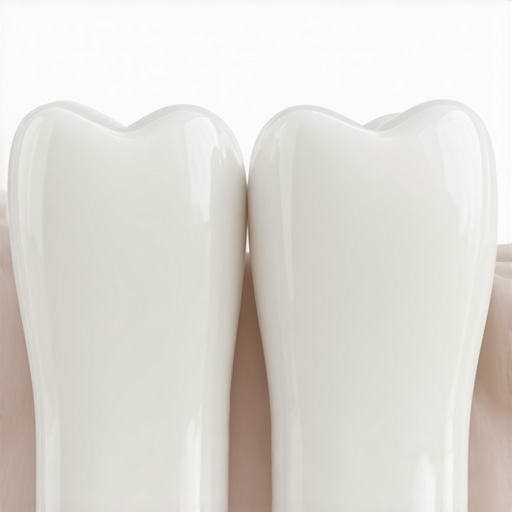 If you are prone to clenching, the risks of skipping your night guard for just one week are not just theoretical—you could be causing micro-fractures in the very porcelain you just paid for.
The Hidden Weak Spot at the Gumline
The nuance that most ‘expert’ guides miss is that the health of the restoration is entirely dependent on the health of the surrounding tissue. If you aren’t caring for your child’s teeth or your own with the same level of detail, that crown margin becomes a gateway for secondary caries. People often assume family dentistry is just about cleanings and cavities, but it is really about the ‘occlusion’—how your teeth fit together. I once worked with a patient who thought they needed a whole new tooth, but we actually found a way for how to fix a jagged front tooth without a full crown, saving them both money and tooth structure. It’s about knowing the limits of the materials. Modern porcelain is strong, but it isn’t flexible; it can’t absorb shock like your natural periodontal ligaments. This is why even a tiny ‘high spot’ on a new restoration can lead to a week of throbbing pain. Have you ever fallen into the ‘it’s fake so I don’t have to floss it’ trap? Let me know in the comments. If you’re seeing signs of wear or feeling that morning tightness, don’t wait—it’s time to contact us and get ahead of the damage before it becomes a ‘swamp’ situation like my old retainer. Remember, a great family dentistry guide isn’t just a list of rules; it’s a blueprint for protecting your smile’s ROI.
Stop Power-Sanding Your Gums
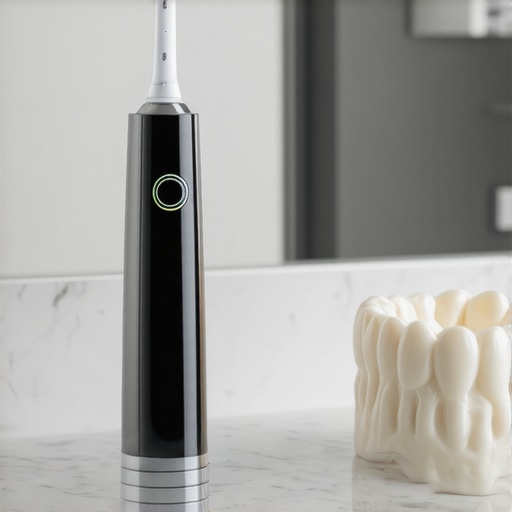
If you are serious about that ROI, you need to stop treating your bathroom cabinet like a junk drawer and start treating it like a specialized laboratory. I personally threw away my manual brush years ago after realizing I was basically ‘scrubbing the deck’ with too much force. This is a massive mistake because why your gums are receding despite using a soft toothbrush often comes down to the user, not the tool. I switched to an electric brush with a pressure sensor—specifically one that glows red when I’m being a caveman—because it protects the delicate interface where my crown meets the gum. If you’re still using a $2 manual brush on a $2,000 restoration, you’re gambling with the lifespan of your smile. You also need to know the truth about how often you should replace your toothbrush head; once those bristles fray, they stop cleaning and start scratching.
How do I maintain my dental work over time?
The secret isn’t working harder; it’s working smarter with fluid dynamics. I swear by a high-end water flosser for my bridges and crowns. Why? Because traditional string floss can sometimes snag on the margins of a crown, and if you pull too hard, you risk micro-dislodging the cement. A water flosser uses pulsating pressure to flush out the ‘dead zones’ that a brush can’t touch. This is especially vital for the best routine for cleaning under a dental bridge, where food particles love to hide and ferment. According to a landmark study in the Journal of Prosthetic Dentistry, maintaining a neutral pH and removing biofilm mechanically without abrasive force is the single greatest predictor of crown success over a 10-year period. If you notice why your gums bleed only in one specific spot, that is your early warning system that your toolkit is failing you.
The Flossing Hack for Tight Crowns
If you have tight contacts where food always gets stuck, stop using the thick, waxy floss. It can actually put lateral pressure on your restorations. I recommend using a PTFE (polytetrafluoroethylene) floss—the stuff that feels like Teflon tape. It slides through the tightest gaps without shredding. This is a game-changer for those who are understanding dental crowns when and why they are needed, as it prevents the ‘pop’ that can stress a new restoration. If you’re feeling bold, try the ‘dye test’ once a month: use a disclosing tablet to see exactly where you’re missing. It’s a humbling experience that shows you exactly where the bacteria are throwing a party on your expensive porcelain.
Smart Materials are Coming for Your Cavities
Looking ahead, the ‘maintenance’ phase of dentistry is about to get a high-tech upgrade. We are moving toward bio-active materials—porcelain and composites that actually release calcium and phosphate to ‘heal’ the tooth structure around them. I predict that within the next decade, we will see ‘smart’ crowns that can alert your phone if they detect a change in acidity or a crack forming beneath the surface. For now, we rely on dental crowns explained through traditional diagnostics, but the future is self-monitoring. My advanced tip for today? Spend three minutes tonight specifically targeting the ‘neck’ of your crown with a water flosser on the lowest setting. It’s the highest impact 180 seconds you can give your oral health. If anything feels off, don’t wait for the pain to start—contact us immediately to catch the small issues before they become dental disasters.
The hard truth about maintaining a multi-thousand dollar smile
I used to think that once the dentist finished the work, my job was done. I could not have been more wrong. The most expensive lesson I learned was that dental work is not just a permanent fix; it is a second chance. If you do not adjust your habits, you will find yourself facing the real cost of delaying a necessary dental crown repair or replacement much sooner than you think. I also realized that while porcelain is tough, it is the natural tooth structure at the gumline that remains the most vulnerable part of the equation.
Secondly, I learned that transparency with your provider is key. You need to be honest about your nighttime habits; if you grind your teeth, even the most beautiful work won’t stand a chance without a guard. Finally, remember that the truth about the lifespan of composite vs porcelain veneers often depends more on how you clean the margins daily than the quality of the material itself.
#IMAGE_PLACEHOLDER_E#
The three items that saved my dental budget
If you are looking for a practical starting point, I personally rely on a few specific tools to keep my oral environment stable. First, a high-quality water flosser is non-negotiable for anyone with bridges or crowns to flush out hidden bacteria. Second, I keep a comprehensive family dentistry guide bookmarked for those moments when I am not sure if a new sensation is a normal adjustment or a red flag. Third, switching to a pH-neutral cleaning solution for my retainer kept the plastic clear for years instead of months. These are not just gadgets; they are the frontline defense for your long-term health.
Your smile is an investment worth protecting
Taking care of your teeth does not have to feel like a second job, but it does require a consistent mindset shift. Whether you are looking into top cosmetic dentistry trends for 2025 or just trying to keep your natural teeth healthy, the secret is proactive maintenance. You have the power to extend the life of your dental work by a decade or more just by being mindful of the small details. Don’t let a small oversight turn into a major emergency. Have you ever found a mysterious white spot on your hardware and panicked? Let me know how you handled it in the comments below!