I remember the first time I upgraded to a high-end sonic electric toothbrush. I felt like I was finally taking my oral health seriously, like a real adult. Then, I spat into the sink and it looked like a scene from a low-budget horror movie. Just pink, frothy foam everywhere. But here is the kicker: when I went back to my manual brush that night? Nothing. Bone dry. No blood. It was baffling and, frankly, a little scary. I felt like my mouth was rejecting the very technology meant to save it. If you have ever felt that sharp spike of anxiety when your expensive gadget makes you bleed, you are not alone. I have spent way too many hours in the chair for comprehensive family dentistry checkups figuring this out, and today, I am going to show you why your gums are revolting and how to fix it without ditching the tech.
That Pink Sink Syndrome Might Not Be What You Think
The biggest mistake I made early on was treating my electric brush like a manual one. I used to press that oscillating head against my gums like I was trying to scrub a deep wine stain out of a white carpet. Big mistake. Your electric brush is a power tool, not a hand tool. When you apply manual-style pressure to a motor moving at 30,000 strokes per minute, you are essentially power-sanding your delicate gum tissue. This is a common reason why your gums are receding despite using a soft toothbrush or why they only bleed when the motor is running. The friction is simply too high for unconditioned tissue. According to a landmark study by the Cochrane Library, electric brushes are significantly more effective at removing plaque than manual ones, but they require a “float and follow” technique rather than a “scrub and scour” approach. If you are not careful, you are just micro-tearing the seal between your tooth and gum.
Is your expensive gadget actually worth the hype?
You might be wondering if you should just throw the whole thing in the trash and go back to basics. I get it. The skepticism is real when a product promises a “dentist-clean feel” but delivers a bloody mess instead. However, the issue usually is not the brush; it is the transition. Your gums have “calloused” (in a way) to the slow, clunky movement of a manual brush. When you introduce high-frequency vibrations, you are hitting spots that have been neglected for years. It is a different sensation than why your toddlers gums bleed when they brush, which is often about new habits; for us, it is about recalibrating our pressure. You also need to consider the truth about how often you should replace your toothbrush head, because frayed bristles on a motor are like tiny needles. Have you ever felt like your electric toothbrush was actually doing more harm than good? I would love to hear your horror stories in the comments—let us figure out if it is your technique or the tech itself. We are about to dive into the exact steps to toughen up those gums and master the vibration.
Master the Hover and Glide Technique
To stop the ‘pink sink’ syndrome, you have to unlearn decades of manual scrubbing. Think of your electric toothbrush like a high-end orbital polisher for a car; if you lean into it, you will burn through the clear coat. You want to let the bristles do the heavy lifting while you simply guide the tool along the path. I remember a particularly frustrating Monday when I tried to force my way through a stubborn coffee stain near a back molar. I pressed so hard the motor actually changed pitch, whining under the strain. I woke up the next morning with a gum line that felt like I had been eating glass. Now, I use a physical cue to stay gentle.
Hold the Handle Like a Violin Bow
Instead of a firm fist-grip, try holding your toothbrush with just your fingertips. This naturally reduces the leverage you have to mash the head against your gums. If you have existing restorations, such as those discussed in dental crowns explained as a solution for damaged teeth, this lighter touch is even more critical. Excessive pressure can irritate the margins where the crown meets the gum. 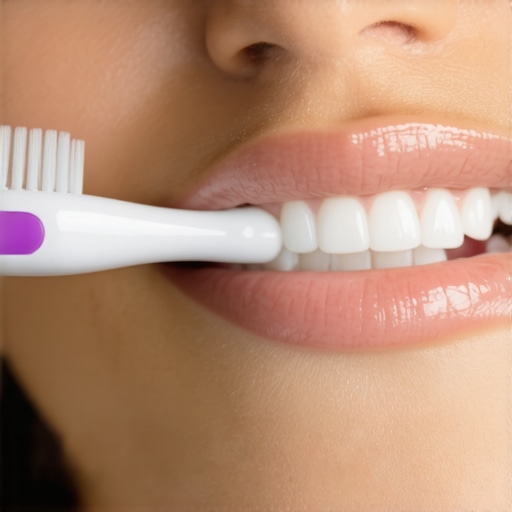
The 45-Degree Angle is Non-Negotiable
Angle the bristles toward the gum line at a 45-degree tilt rather than hitting the teeth head-on. This allows the sonic vibrations to disrupt the bacterial colonies hiding just under the ‘cuff’ of the gum. If you have recently had professional work and are wondering how to tell if your gums are healing after a deep cleaning, watching your angle is the best way to support that recovery. When you get the angle right, the sensation should feel like a vibrating massage rather than a sharp sting.
Divide Your Mouth into Four Power Zones
Most modern brushes have a built-in 30-second pacer. Use it religiously. Spend 30 seconds on each quadrant—upper left, upper right, lower left, and lower right. This structure prevents you from over-polishing one sensitive area while completely ignoring the hard-to-reach molars in the back. If you are planning to transform your look with expert cosmetic dentistry solutions, establishing this baseline of health is the literal foundation of a great smile. I spent years only focusing on the teeth people could see, only to find out my hidden molars were a disaster zone because I rushed the process.
Listen for the Motor Pitch Change
Your brush is equipped with a sensory feedback loop, even if it does not have a fancy red light. If the hum of the motor drops an octave or starts to stutter, you are applying too much force. The mechanical resistance is literal friction against your health. It is the same principle applied when caring for your child’s teeth: gentle, consistent movements always outperform aggressive, localized scrubbing. If you hear that pitch change, pull back immediately until the high-frequency hum returns.Most people treat a dental crown like a permanent ‘shield’ that renders the tooth underneath invincible. In my experience with a family dentistry guide building a lifetime of healthy smiles, I’ve found that the opposite is true. The margin—where the porcelain meets your natural tooth—is actually the most fragile real estate in your mouth. If you’re being too aggressive with your electric brush, you aren’t just cleaning; you’re potentially inviting disaster. This is where understanding dental crowns when and why they are needed becomes vital. You aren’t just maintaining a piece of ceramic; you’re protecting the delicate seal between the artificial and the biological.
Your Crown Isn’t an Invincible Shield
The most common trap I see is the ‘scour and sour’ approach. People think that because porcelain can’t get a cavity, they can blast it with high-intensity sonic pulses. But aggressive brushing at the gum line can cause the tissue to pull away, which is exactly why your gums look dark around a dental crown. That dark line isn’t usually decay; it’s the metal or opaque core of the crown being exposed as your gums retreat in self-defense. 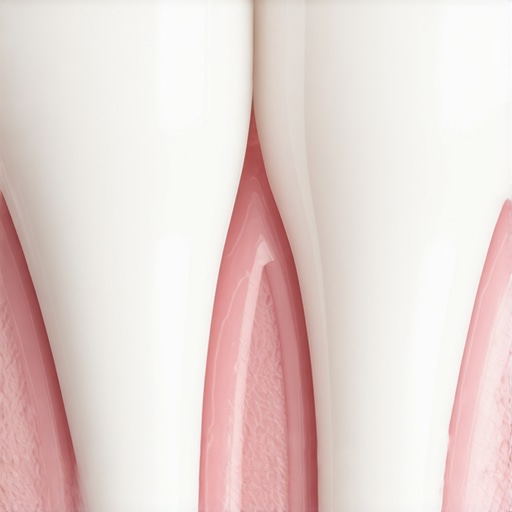
Can sonic vibrations actually compromise your dental cement?
It’s a question that keeps the perfectionists up at night. While modern adhesives are incredibly strong, a study published in the International Journal of Periodontics & Restorative Dentistry suggests that excessive mechanical stress at the margin can lead to micro-leakage. This is the ‘Oops’ factor you need to avoid: if you feel you have to ‘scrub’ to get that clean feeling, you might be helping how to tell if your dental crown is leaking bacteria become a reality for you. We often assume that the more expensive the tool, the less technique we need, but in transform your look with expert cosmetic dentistry solutions, the technique is actually more critical. You are managing ‘biotypes’—essentially the thickness of your gum tissue. Those with thin biotypes who use high-power sonic brushes are at a much higher risk of recession than those with thicker tissue. This nuance is rarely discussed in the manual that comes in the box.
The Secret Danger of Over-Polishing Your Smile
There is also a persistent myth that the ‘cleanest’ feeling tooth is the one that has been buffed to a high shine every single morning. In reality, over-polishing with abrasive toothpastes and an electric brush can wear down the factory glaze on your crowns. Once that glaze is gone, the porcelain becomes porous and prone to staining. This is why some people find themselves looking for revamp your smile top cosmetic dentistry trends for 2025—they are trying to fix the dullness caused by their own ‘perfect’ hygiene routine. Professional-grade restorations are designed to shed plaque easily; you do not need to fight the tooth to get it clean. If you’ve invested in your smile, don’t let a $200 toothbrush be the reason you need a $1,500 replacement. Have you ever noticed your gum line changing after switching to an electric brush? Have you ever fallen into this trap? Let me know in the comments, and let’s troubleshoot your technique.Once you have the ‘float and follow’ technique down, the next step in my personal maintenance routine is the water flosser. I used to think these were just messy toys for people who hated flossing, but after I got my first bridge, my dentist explained that physical string can sometimes snag on the margins of restorations. I use the Waterpik Aquarius because it has a dedicated ‘massage’ mode. If you’ve struggled with sensitivity while using one, learning how to stop your gums from hurting when you use a water flosser usually comes down to the temperature of the water and the pressure setting—I never go above a four on the dial. 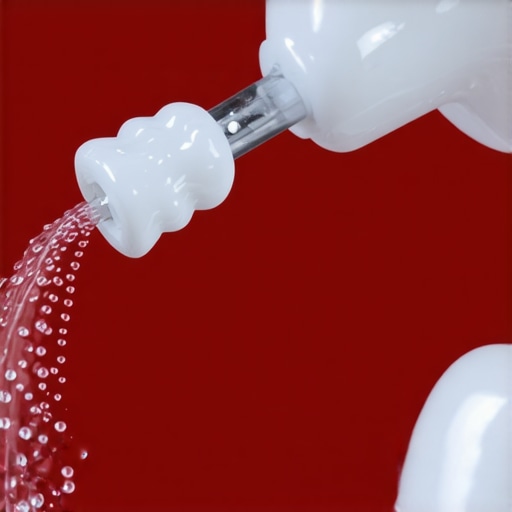
How can I maintain my dental work over the long haul?
Longevity isn’t just about what you do in the morning; it’s about what you do while you sleep. If you have ever wondered why your crown feels tight when you wake up, you are likely grinding your teeth. This nocturnal pressure is the number one killer of high-end cosmetic work. I eventually invested in a custom laboratory-made night guard. It’s a game changer, but it requires its own hygiene routine. I’ve found that using a dedicated ultrasonic cleaner is the best way to clean a night guard to prevent odors and keep bacteria from migrating back onto your teeth. It is a critical step in the family dentistry guide building a lifetime of healthy smiles because protecting your teeth from mechanical wear is just as important as preventing decay.
Watch Out for the Hidden Grit in Your Toothpaste
I also learned the hard way that not all toothpastes are created equal when you have crowns. The American Dental Association (ADA) uses the Relative Dentin Abrasivity (RDA) scale to measure how much a toothpaste wears down your enamel. Many ‘extra whitening’ pastes have an RDA score over 150, which is like using liquid sandpaper on your dental work. For anyone who has gone through the process of deciding between dental crowns vs other restorations which is right for you, you want a paste with an RDA under 70. I personally stick to plain sensitive-formula pastes or high-quality gels that do not rely on high-grit silica for stain removal. Looking ahead, I suspect we are moving toward a world where your bathroom mirror will use AI-driven cameras to highlight specific areas of plaque in real-time, essentially giving you a professional-grade checkup every morning. Until then, the burden of maintenance is on us. Go grab your toothpaste right now and Google its RDA value—if it’s over 100 and you have crowns, consider swapping it for something gentler to protect your investment.
The Most Expensive Lesson My Gums Taught Me
After years of experimenting with every high-tech dental gadget on the market, I realized that the technology is only as good as the hand holding it. If I could go back and tell my younger self a few things about oral hygiene, here is what I would emphasize: First, bleeding is a conversation, not a catastrophe. When you see pink in the sink, your gums are communicating that the current friction level is too high or that bacteria have settled in. Second, the most vital feature on any electric brush isn’t the Bluetooth connectivity; it is the pressure sensor. If your brush doesn’t have a red warning light, you have to train your ears to hear the motor pitch change. Finally, remember that your gum tissue is more like silk than denim—treat it with the same delicacy you would use while caring for your childs teeth. Gentleness is the ultimate power move in dentistry.
Gear That Actually Protects Your Investment
To move beyond the ‘bloody mess’ phase, I have curated a specific toolkit that works in harmony with high-end dental work. I swear by the Waterpik Aquarius for its massage mode, but you must learn how to stop your gums from hurting when you use a water flosser by starting on the lowest setting. If you wake up with tension, a custom-fitted night guard is non-negotiable to prevent mechanical wear; just make sure you know the best way to clean a night guard to prevent odors so you actually want to wear it. I also recommend keeping a printed list of RDA (abrasivity) values for toothpaste in your medicine cabinet. Using a low-grit paste ensures you aren’t accidentally sanding down your enamel or restorations every morning.
Give Your Gums a Fresh Start
You don’t have to choose between high-tech cleaning and healthy, comfortable gums. By shifting from a ‘scrubbing’ mindset to a ‘massaging’ mindset, you allow your tissue to thrive alongside your technology. This balance is the core philosophy behind a family dentistry guide building a lifetime of healthy smiles. Whether you are trying to transform your look with expert cosmetic dentistry solutions or simply want to stop the morning sink-horror, the power is in your technique. Trust the motor, watch your angles, and let the bristles do the work they were designed for. Your smile is an investment worth protecting with a gentle touch. Have you ever noticed your gums feeling sensitive after a long flight or a stressful week? Let me know in the comments below!