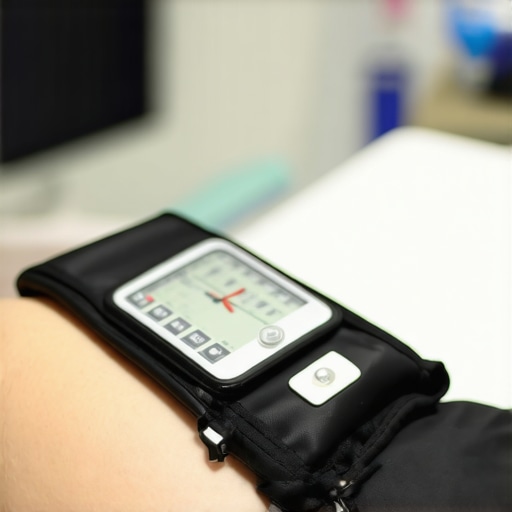
I was sitting in the dental chair, waiting for a routine cleaning, when my hygienist pulled out a black velcro cuff and wrapped it around my arm. I instantly panicked. My mind raced. Had I walked into a doctor’s office by mistake? Was I about to get a physical instead of a polish? I remember asking, with a nervous laugh, ‘Are we checking my teeth or my pulse today?’ That moment of confusion is something almost everyone experiences the first time they see a sphygmomanometer at a dental clinic. Early in my dental health journey, I made the mistake of brushing this off as a waste of time, even secretly wishing they would just get on with the cleaning. I was so focused on cosmetic concerns like wanting to brighten my smile that I completely ignored how my mouth and cardiovascular system talk to each other. Today, I want to demystify exactly why your dental professional cares so deeply about those two numbers on the screen and how it protects your health.
The Real Danger Hidden Behind the Dental Chair
Your dentist isn’t just trying to play general practitioner. They are often your first line of defense against silent cardiovascular issues. When you are about to undergo dental work—whether it is getting fitted for dental crowns or undergoing a routine extraction—your body experiences stress. This stress releases adrenaline, which naturally spikes your heart rate and blood pressure. If your baseline is already dangerously high, a simple dental procedure could trigger a medical emergency right there in the chair. According to the American Heart Association, nearly half of American adults have high blood pressure, and many have absolutely no idea. If your dentist discovers a spike before administering local anesthetics containing epinephrine, they might just save your life by postponing the treatment or adjusting their approach.
Is this just an excuse to charge more for my visit?
I hear this skepticism all the time from neighbors and friends. It feels like an extra, unnecessary step. But here is the honest truth: checking your vitals takes less than sixty seconds and is almost always included as a standard safety protocol at no extra cost to you. Think of it as a free health screening that integrates beautifully with comprehensive family dentistry care. Have you ever had your dental appointment paused because your blood pressure reading was too high?
Understanding the connection between your mouth and your heart is not just academic; it dictates how safe you are during everyday procedures. Think of your cardiovascular system as the plumbing of a high-pressure system. If you try to patch a pipe while the pressure is cranked to maximum, you risk a catastrophic blowout. That is exactly what happens when we attempt complex procedures on someone with untreated high blood pressure.
How Blood Pressure Directly Impacts Common Dental Procedures
When you undergo treatment, your body treats the dental chair as a minor stressor, even if you feel completely relaxed. This physiological response changes how your blood vessels react, which directly affects how your body handles common treatments.
Why Local Anesthetics Need a Stable Cardiovascular Baseline
Most local anesthetics used for fillings or preparing dental crowns contain epinephrine. This vasoconstrictor is added to keep the numbing agent in the targeted area longer and to reduce bleeding. However, epinephrine also temporarily constricts blood vessels and raises your heart rate. If your baseline blood pressure is already sitting in a dangerous zone, that extra squeeze from the anesthetic can push you into a hypertensive crisis. I remember a chaotic Tuesday morning years ago when we skipped the reading on a regular patient because we were running ten minutes behind. Within three minutes of the injection, his chest felt tight and his heart was racing like a motor. We had to stop everything and call emergency services. That messy, terrifying lesson taught me that sixty seconds with a cuff is non-negotiable.
Evaluating Your Risks Before Major Smile Makeovers
The stakes get even higher when you transition from basic care to more involved procedures. If you are exploring modern cosmetic dentistry solutions or restorative work, your body needs to be in an optimal state to heal. High blood pressure restricts micro-circulation, which means your gums do not receive the oxygen-rich blood they need to recover. Whether you are getting prepped for a restoration or trying to fix structural issues, healthy blood flow is the foundation of a successful recovery.
The Standard Protocol for Vitals in the Dental Office
Your dental team follows a specific checklist when they wrap that cuff around your arm. Knowing what they are looking for helps demystify the entire process.
Decoding the Limit Numbers for Dental Work
Generally, if your blood pressure reading is under 120/80 mmHg, you are clear for any routine treatment. If your reading climbs above 140/90, your practitioner will likely proceed with caution, perhaps limiting the use of epinephrine. However, if your numbers cross the 180/120 threshold, most comprehensive family dentistry practices will immediately halt all non-emergency procedures and refer you to a physician. This is not to annoy you; it is to prevent a stroke or cardiac event while you are reclined in the chair.
How to Avoid a False High Reading from White Coat Syndrome
It is incredibly common for your blood pressure to spike simply because you are nervous about the dental drill. To combat this, ask your clinician to take the reading at the very end of your check-up, or suggest sitting quietly for five minutes before they press start on the machine. Uncrossing your legs, breathing deeply through your nose, and avoiding caffeine for an hour before your appointment can make a massive difference in getting an accurate baseline reading.
While understanding standard office protocols is helpful, many patients still believe a common, dangerous myth: that oral health and cardiovascular health exist in completely isolated silos. Everyone says that going to the dentist is just about polished teeth and cavity prevention, but in my experience, treating oral health without assessing your systemic cardiovascular state is like trying to build a heavy brick house on a shifting sand foundation. Your mouth is a highly vascular gateway; ignoring your vital signs during dental procedures is a gamble with your life.
The Critical Traps of Modern Dental Upgrades
The biggest mistake patients make when seeking cosmetic dentistry solutions is rushing into complex aesthetic overhauls while ignoring their overall physical health. If you are experiencing underlying hypertensive issues, your gums will suffer from poor oxygenation and healing. For instance, if you are getting prepared for restorative work, a high cardiovascular baseline can lead to unexpected localized bleeding or even tissue necrosis around your margins. This is the exact ‘oops’ factor that causes many advanced procedures to fail prematurely: patients want a beautiful smile instantly but fail to realize their high blood pressure is actively starving their gum tissue of essential nutrients.
Why do my dental crowns feel uncomfortable when my blood pressure spikes?
It sounds highly unlikely, but there is a direct physical link. When your blood pressure rises, the tiny, highly sensitive micro-vessels inside your periodontal ligament—the tissue wrapping around your tooth root—experience increased throbbing and pressure. This can make a newly placed restoration feel like it is under immense stress. If you already have a situation where your new crown feels like it is hitting too hard when you eat, an spike in blood pressure will amplify that discomfort tenfold, making you believe the restoration itself was fabricated incorrectly when the real culprit is your systemic pressure. A study published in the Journal of the American Dental Association (JADA) confirms that patients with uncontrolled hypertension report significantly higher postoperative pain and localized sensitivity following crown placements and deep cleanings because of this micro-vascular congestion.
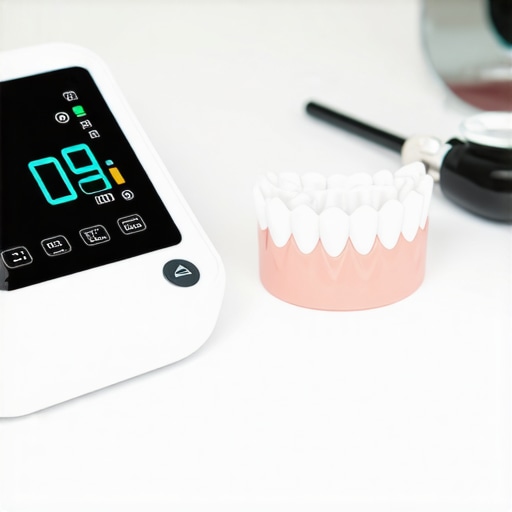
This biological reality is why reputable family dentistry offices refuse to separate oral care from general physical health. True health is holistic. Have you ever fallen into this trap of ignoring your body’s vital signs before a major dental appointment? Let me know in the comments below.
When we look at the longevity of complex restorations, the equipment and daily habits we choose play a far greater role than most people realize. In my personal routine, I do not rely on standard drugstore brushes or generic floss. Instead, I advocate for highly calibrated maintenance systems. My primary tool of choice is an oscillating-rotating electric toothbrush equipped with a built-in smart pressure sensor. This isn’t just about plaque removal; it is about protecting the delicate margins where your natural tooth meets your dental crowns. If you brush too aggressively, you risk gum recession, which exposes the vulnerable root surface underneath. By utilizing a pressure sensor, you ensure that you never exert more than 150 grams of force, preserving both your soft tissue and your investment in cosmetic dentistry solutions.
How do I maintain my oral health baseline at home?
Maintaining a healthy baseline requires more than just brushing twice a day. I highly recommend incorporating a calibrated oral irrigator alongside traditional floss. According to technical clinical guidelines from the American Dental Hygienists’ Association (ADHA), using a water flosser at a medium pressure setting of 70 psi helps flush out subgingival biofilm without damaging the delicate attachments around your restorations. This is especially critical for preventing localized inflammation that can throw off your cardiovascular readings during routine checkups at your family dentistry clinic. To keep things running smoothly, try replacing your brush heads precisely every 90 days. Frayed bristles lose their rounded tips and turn into microscopic saws that scratch your enamel and irritate your gums.
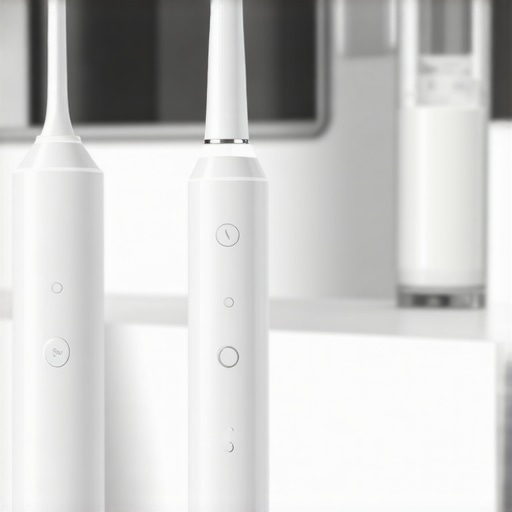
Looking ahead, the future of maintaining our smiles is rapidly shifting toward integrated biometric monitoring. Within the next decade, we will likely see smart toothbrushes capable of analyzing saliva biomarkers in real-time, warning us of systemic inflammation or spikes in stress levels before we even step foot into a clinic. For now, the best action you can take is to upgrade your daily tools. If you want to keep your smile structurally sound, try implementing the 90-day brush head replacement rule today and monitor how much calmer your gums feel during your next cleaning.
When you sit in the chair, you might not expect to have your blood pressure checked, but this simple metric is the unsung hero of safe, successful oral treatments.
What Most Clinicians Hide About Blood Pressure and Dental Work
Throughout my years of researching cardiovascular connections in medicine, I have discovered a few critical facts that average dental clinics rarely explain to their patients:
- The Epinephrine Buffer: When you are anxious, your body releases natural adrenaline. If your clinician injects a local anesthetic containing epinephrine without checking your baseline, your heart rate can spike dangerously. This is why a quick sixty-second check is a vital safety shield.
- Silent Inflammation: High blood pressure often correlates with chronic systemic inflammation. If your gums are constantly red and bleeding, it might not just be poor flossing; your cardiovascular system could be struggling to deliver clean, oxygen-rich blood to your oral tissues.
- Restoration Failures: Patients seeking advanced cosmetic dentistry solutions often do not realize that micro-vascular tension can cause newly placed restorations to feel uncomfortable. If you have ever wondered why your new crown feels like it is hitting too hard when you eat, the real culprit might be systemic pressure throbbing in your periodontal ligament rather than a bad bite alignment.
My Essential Dental Wellness Toolkit
To keep my mouth and cardiovascular system in perfect harmony at home, I rely on a highly specific set of tools that go far beyond standard drugstore recommendations:
- Smart Pressure-Sensing Toothbrushes: I highly recommend models that feature real-time pressure alerts. Keeping your brushing force below 150 grams protects delicate margins around dental crowns and prevents gum recession.
- Calibrated Oral Irrigators: A water flosser running at a stable 70 psi is excellent for flushing out deep subgingival biofilm. This targeted cleaning prevents the localized inflammation that can artificially elevate your blood pressure during checkups at your family dentistry clinic.
- The JADA Clinical Journal: I regularly read peer-reviewed publications from the American Dental Association to stay updated on how systemic health conditions directly impact routine oral surgeries and restorative healing times.
Take Control of Your Next Appointment
Your oral health and your heart are parts of the same beautiful, connected system. The next time you see that black velcro cuff, do not view it as an inconvenience. Embrace it as an essential step toward protecting your body while you build a healthy, confident smile with modern cosmetic dentistry solutions. Have you ever had a surprisingly high blood pressure reading during a routine dental visit? Let me know your thoughts in the comments below.