I stood in front of the bathroom mirror, clutching a box of expensive whitening strips like they were a magic wand. I was desperate. Three years after my root canal, my front tooth had taken on this gloomy, bruised appearance that no amount of scrubbing could fix. It felt like I was wearing a tiny dark cloud right in the middle of my face. I learned the hard way that the difference between a stained tooth and a dead nerve is huge; normal whitening only cleans the outside, but my problem was deep inside the tooth structure.
Why Standard Whitening Kits Failed My Dead Tooth
It was a classic rookie mistake. I thought if I just bleached the surface long enough, that grey hue would eventually surrender. Spoiler alert: it didn’t. In fact, because the rest of my smile brightened up, that one stubborn tooth looked twice as dark by comparison. It was a disaster. According to the American Association of Endodontists, teeth darken after a root canal because of blood products or filling materials left inside the tooth’s chamber. This means the stain is literally trapped behind your enamel. You can’t scrub that away from the outside any more than you can wash a stain off the back of a mirror.
Is whitening a dead tooth even worth the effort?
I get it. You’re probably thinking about just getting a cap and calling it a day. While dental crowns are the ultimate solution for damaged teeth, they can be expensive and sometimes overkill if the tooth is structurally sound. I spent weeks hiding my smile behind my hand before I realized there are specific ways to tackle this internal discoloration. Have you ever felt like you had to choose between a dark tooth or a massive dental bill? If you’ve noticed that your gum line looks dark around an old crown or your treated tooth is fading to grey, you aren’t stuck with it. Today, I’m breaking down the internal bleaching method and other expert cosmetic dentistry solutions that actually work. We are going to get that tooth back to its original shade without the guesswork I suffered through.
How Your Dentist Cleans the Tooth from the Inside Out
To fix a dead tooth, your dentist uses a technique called internal bleaching, often referred to as the ‘walking bleach’ method. Think of it like this: if your house has a stain on the inside of the window, no amount of scrubbing the exterior glass will help. You have to go inside. During your visit, the dentist makes a tiny access hole in the back of the tooth—the same spot where the root canal was performed. They clear out any old debris or staining materials and then place a specialized whitening agent directly into the pulp chamber. Unlike the stuff in over-the-counter kits that can cause a scare when your gums turn white when you use whitening gel at home, this professional-grade bleach is sealed safely inside.
The Waiting Game for a Brighter Smile
Once the agent is in place, the dentist seals the hole with a temporary filling. I remember the first time I had this done. I walked out of the office feeling a strange sense of ‘fullness’ in that tooth, but the real magic happened over the next three to five days. You literally go about your life while the bleach works its way through the dentin from the inside. This is why the role of family dentistry in ensuring oral health for all ages is so vital; they monitor these changes to ensure the tooth doesn’t become too brittle. 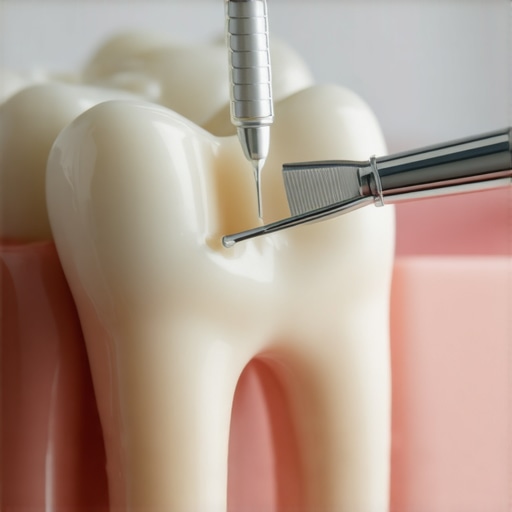
Combine Strength and Aesthetics for Long Term Results
Sometimes, internal bleaching gets you 80% of the way there, but the tooth still looks a bit ‘off’ compared to its neighbors. This is where expert cosmetic dentistry solutions come into play. If the tooth has been through a lot of trauma or several procedures, it might be structurally weak. In my case, after the bleaching, my dentist noticed a small fracture that was only visible under high magnification. We decided that while the color was better, I needed more protection.
Why a Porcelain Shield Might Be Necessary
If bleaching isn’t quite enough, or if the tooth is at risk of snapping, you might need to look into understanding dental crowns and when they are needed. A crown acts like a helmet for your tooth, providing a 360-degree layer of protection while perfectly matching the shade of your other teeth. It’s one of the most reliable cosmetic dentistry trends for 2025 because the materials now mimic the translucency of natural enamel better than ever before. I originally resisted the idea of a crown because I didn’t want a ‘fake’ tooth, but modern dentistry has made them virtually indistinguishable. You get the benefit of a bright, white smile without the fear that the tooth will crumble the next time you bite into an apple.Many people make the mistake of separating their ‘health’ dentist from their ‘beauty’ dentist, but that is a dangerous distinction. In my experience, the role of family dentistry in ensuring oral health for all ages is actually the bedrock of any aesthetic work. If you skip the foundation, your expensive cosmetic fix will fail.
Stop Categorizing Your Dentist as Just a Cleaner
We often assume that ‘cosmetic’ implies something superficial, like a new coat of paint. But with a dead tooth, the fix is structural. A common myth is that you can just slap a veneer over a grey tooth and call it a day. In reality, veneers are incredibly thin and translucent. If the underlying tooth is dark, that grey will ‘ghost’ right through the porcelain, leaving you with a tooth that looks muddy or flat. This is why expert cosmetic dentistry solutions often involve more than just surface-level changes.
The Opaque Trap: Why Veneers Often Fail Dark Teeth
Here is the ‘oops’ factor most people miss: if you try to block a dark stain with a veneer, the dentist has to use a very opaque cement or a thicker porcelain, which often makes the tooth look bulky and fake. I learned that dental crowns are the ultimate solution for damaged teeth that have severe internal staining because they can be crafted with an opaque core that completely masks the darkness while the outer layer mimics natural enamel. 
Does Internal Bleaching Increase the Risk of Tooth Fractures?
This is the million-dollar question for anyone considering the ‘walking bleach’ method. A study published in the Journal of Endodontics indicates that while the chemicals themselves don’t significantly weaken the enamel, the process of opening the tooth multiple times can increase the risk of brittleness. This is why professional oversight is non-negotiable. If you wait too long to protect a treated tooth, the real cost of delaying a necessary dental crown could be the total loss of the tooth. You also need to watch out for the ‘dark halo’ effect; sometimes, your gum line looks dark around an old crown not because the tooth is dying again, but because of the metal margin used in older dental tech. Modern cosmetic dentistry trends for 2025 focus on all-ceramic materials to prevent this exact issue. Have you ever fallen into the trap of choosing a ‘quick fix’ only to have it look worse a year later? Let me know in the comments.
Pick the Tools That Actually Reach the Gaps
Once you have spent the time and money on internal bleaching or a new set of crowns, you cannot just go back to the basic brushing routine you had in middle school. I learned the hard way that regular floss often gets snagged on the edges of dental work. Now, I swear by my water flosser. It is not just about the novelty; it is about the pressure-regulated stream that flushes out bacteria from those tiny crevices where a crown meets the gum line. This is a huge part of the role of family dentistry in ensuring oral health for all ages, as your dentist can show you exactly which angles to target so you do not accidentally irritate your gums. If you have multiple restorations, you should definitely look into the best routine for cleaning under a dental bridge, even if you only have a single crown—the principle of keeping those margins debris-free is identical.
Why Your Night Guard is Your Smile’s Best Friend
If you have any history of clenching your jaw when you are stressed, a night guard is not optional. Porcelain is incredibly strong, but it is also brittle under the wrong kind of pressure. Dr. Gordon Christensen, a top-tier expert in restorative dental techniques and founder of the Clinicians Report, has long argued that marginal integrity—how the crown seals to the tooth—is the most critical factor for longevity. Grinding your teeth at night puts immense lateral pressure on that seal. I did not realize I was a ‘grinder’ until my dentist pointed out the wear facets on my bottom teeth. Now, I do not sleep a single night without my custom-fitted guard. Ignoring this means you are inviting the risks of skipping your night guard for just one week, which can include micro-fractures in your expensive new porcelain.
How do I keep my dental restorations looking new for years?
Maintenance is a marathon, not a sprint. Beyond the specialized tools, you need to be mindful of what you are biting. I have retired my habit of using my teeth as tools to open plastic packaging—that is a one-way ticket to a chipped crown. When you are understanding dental crowns and when they are needed, you start to realize they are high-performance medical devices, not just decorations. Routine check-ups are where your dentist catches the small stuff, like a seal that is just starting to lift, before it turns into a full-blown failure. This proactive approach is what transforming your look with expert cosmetic dentistry solutions is really about; it is the ‘keep-it-working’ phase that happens long after the initial excitement of a white tooth fades.
The Future of Fast Smile Fixes
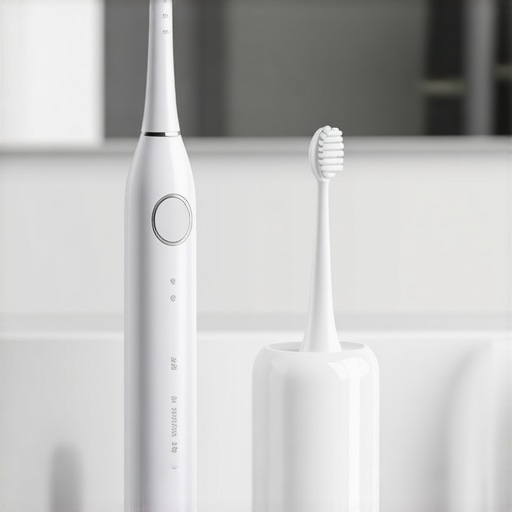
Looking ahead, the landscape of how we handle these issues is changing fast. I predict that the ‘two-week wait’ for a dental lab will soon be a relic of the past. As we see more revamp-your-smile top cosmetic dentistry trends for 2025, AI-driven color matching and in-office 3D printing will become standard. This means if you need a replacement, it can be perfectly matched to your existing teeth in a single visit. For anyone who has ever felt self-conscious about a dark tooth, the barrier to entry is getting lower every day. My advice? Do not wait until the tooth is brittle. Start with a consultation and ask about a custom maintenance plan that includes a high-end electric toothbrush with a pressure sensor—it is the best investment you will ever make in your health. Check out our family dentistry guide to building a lifetime of healthy smiles to see how to integrate these high-tech habits into your daily life.
Lessons I Learned When My Front Tooth Finally Rejoined the Team
Looking back at my years spent hiding my smile, I realized that the biggest hurdle wasn’t the dentist’s chair—it was my own hesitation. First, I learned that transparency is your worst enemy when a tooth is dark. I wasted months thinking a veneer would hide the grey, but without internal work, the darkness always wins. Second, the “foundation first” rule is non-negotiable. You cannot expect expert cosmetic dentistry solutions to last if the underlying tooth structure is compromised. Lastly, patience is the secret ingredient. Internal bleaching takes time to settle, and rushing the final shade match often leads to a result that looks slightly artificial under bright lights.
The Gear That Keeps My Porcelain Looking New
Once you have invested in your smile, you have to treat it like a luxury car. I now use a high-quality water flosser every single night because it reaches the margins where bacteria love to hide, which is essentially the best routine for cleaning under a dental bridge or crown. I also never go to bed without my custom night guard; it is the only way to prevent micro-fractures in the porcelain. My third must-have is a sonic toothbrush with a pressure sensor. It ensures I am not scrubbing too hard, which helps prevent the gum recession that often exposes the dark edges of older dental work.
It is Time to Let Your Smile Out Again
You don’t have to live with a tooth that makes you feel self-conscious. Whether you choose internal bleaching, a crown, or explore the revamp-your-smile top cosmetic dentistry trends for 2025, the technology exists to give you your confidence back. Your journey starts with a simple conversation with a professional who understands the role of family dentistry in ensuring oral health for all ages. Don’t let a “dead” tooth kill your spirit—bring it back to life and start smiling again. Have you ever considered internal bleaching, or are you leaning more toward a full crown? Let me know in the comments below!