I remember biting into a crusty piece of sourdough and feeling that sickening crack. Not the bread—my molar. Suddenly, I was facing a gap that made me feel like a cartoon pirate every time I looked in the mirror. I panicked. I spent weeks staring at the hole, convinced I could just ‘chew on the other side’ forever. Spoiler alert: that does not work. My jaw started aching, and I felt a shadow of myself whenever I laughed in public. I made the classic mistake of thinking all replacements were created equal, nearly wasting hundreds on a cheap, mail-order kit that would have done more harm than good. Today, I am helping you skip that confusion and figure out if a bridge or a partial denture is the path back to your old self.
The Moment My Smile Changed Forever
It happened during a family dinner. A piece of steak, a weird angle, and pop—a tooth I had neglected for years finally gave up the ghost. I was terrified. As someone who prides themselves on being ‘the helpful neighbor’ with all the advice, I felt like a fraud. I quickly learned that understanding when you actually need a crown or a full replacement is the first step to sanity. The reality is that choosing a bridge or implant over a simple gap is not just about vanity; it is about keeping your surrounding teeth from shifting into the empty space.
Is a ‘fake’ tooth going to make me look like a different person?
This is the big fear, right? You are worried you will sound like a bag of marbles when you talk or that your teeth will click like a castanet. I have been there. But here is a surprising fact: the American College of Prosthodontists notes that 178 million Americans are missing at least one tooth. You are not alone, and modern cosmetic dentistry means no one has to know.
Fixed vs. Removable: Which One Actually Fits Your Life?
When I was researching, I was torn between the permanence of a bridge and the flexibility of a partial. A bridge is essentially a series of custom dental crowns linked together to span the gap. It is rock solid and stays in your mouth. On the other hand, a partial denture is something you can pop out at night. Have you ever felt that social anxiety where you are afraid to bite into an apple in public? Tell me, have you faced that ‘gap panic’ yet? If so, you need to know that a bridge is for those who want to forget they ever lost a tooth, while partials are often a more budget-friendly choice for replacing several teeth at once. Stay tuned, because I am going to show you exactly how to decide which one won’t leave you regretting your choice six months from now.
Prepare the Anchors or Your Bridge Will Sink
Think of a dental bridge like a highway overpass. To cross the canyon where your tooth used to be, you need two solid pillars of support. These pillars are your natural teeth on either side of the gap. When you look into dental crowns vs other restorations which is right for you, you will find that a bridge is essentially a three-part unit: two caps for the anchors and a solid tooth in the middle.
Why your healthy teeth might need a trim
During my own procedure, I was shocked to learn that my anchor teeth had to be filed down. It felt like a sacrifice, but those teeth need to be shaped so the crowns can slide over them like a snug glove. If the fit is off, you might notice the real reason your crown feels loose when you chew gum is often a lack of proper surface prep. 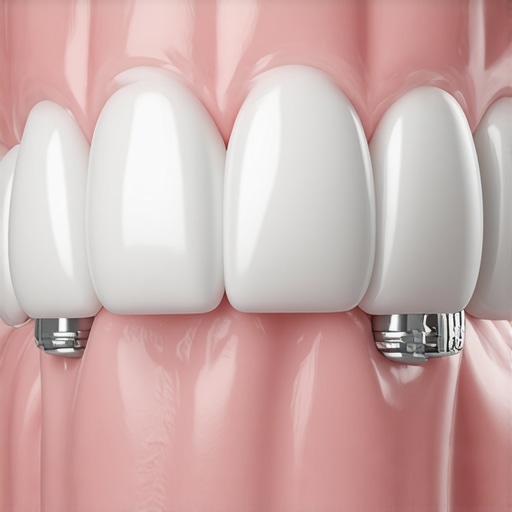
Snap It In and Go With a Partial
If you are not ready to commit to altering your healthy teeth, a partial denture is the tactical gear of the dental world. It uses a thin metal or plastic framework that clips onto your existing teeth for stability. Unlike a bridge, which is cemented in, the partial is something you manage daily. This is where family dentistry guide principles come into play; reminding ourselves that dental appliances are tools that require active maintenance.
Mastering the art of the hidden clasp
The trick is the clasp. Modern expert cosmetic dentistry solutions now use tooth-colored or clear materials so no one sees the metal hook when you smile. I remember my first time trying one; I was terrified it would fly out during a sneeze. In reality, it felt more like a tight-fitting watch strap—it is there, you feel the pressure, but it does not move unless you intentionally release it.
Stop Bacteria From Moving In Under Your New Tooth
The biggest mistake people make is thinking a fake tooth cannot get sick. While the porcelain itself will not decay, the gum line and the natural tooth structure underneath a bridge are prime real estate for plaque. You have to learn how to clean your dental bridge to prevent chronic gum disease by using a specialized floss threader. It is a bit like threading a needle under a fence—you slide the floss through the tiny gap between the gum and the bridge base. If you skip this, your breath will start to give you away, and over time, you might wonder why your dentures dont fit as well as they used to as your bone and gums change shape from chronic inflammation. Keeping that area pristine is the only way to ensure your investment actually lasts more than a few years.Most people treat a dental bridge as a ‘once and done’ miracle, but let’s look at the unspoken reality. We often assume that because it is cemented, it is as permanent as a mountain. However, research published by the American Dental Association (ADA) suggests that the average lifespan of a bridge is typically 10 to 15 years. If you enter the process thinking you will never need another procedure for that gap, you are walking into a common trap. You have to view a bridge as a high-performance machine; it needs scheduled overhauls, not just a quick wash. This is why discussing dental crowns vs other restorations which is right for you is vital. You aren’t just buying a tooth; you are managing a mechanical system that experiences thousands of pounds of pressure every single week.
Why Your Gums Might Turn Gray
A common ‘oops’ factor that catches patients off guard years later is the appearance of a dark, shadowy line at the base of the crown. Many people panic, thinking the tooth is rotting. In many cases, it is actually the metal substructure of a Porcelain-Fused-to-Metal (PFM) crown becoming visible as the gum tissue naturally recedes with age. It is a dead giveaway of dental work and a major reason why top cosmetic dentistry trends for 2025 have shifted almost entirely toward all-ceramic and zirconia materials. If you ignore the hidden reason your gums look dark around an old dental crown, you might miss the fact that your oral architecture is changing. Modern expert cosmetic dentistry solutions can fix this, but the best approach is to avoid metal-based restorations from the start if aesthetics are your priority. #IMAGE_PLACE_HOLDER_C#
Can a partial denture actually cause more bone loss?
This is the sophisticated nuance most beginners miss. While a partial denture fills the gap and helps you chew today, it does not provide the vertical stimulation your jawbone needs to stay dense. When a tooth root is gone, the bone begins to resorb or ‘melt away’ because it thinks it is no longer needed. A partial denture sits on top of the gums, and the constant pressure can actually accelerate this bone loss over decades. This is the real benefit of choosing a dental implant over a bridge or a partial; the implant acts like a root to keep the bone strong. If you choose the partial, you must be prepared for your face shape to shift slightly as the bone height decreases.
Watch Out for the Insurance Replacement Trap
Here is a specific warning: many patients find out too late that their insurance has a ‘frequency limitation’ clause. If your bridge fails after seven years but your insurance only covers a replacement every ten, you are stuck with a massive bill. Understanding the real reason your dental insurance wont cover a replacement crown or bridge can save you from a financial nightmare. Always ask your office for a pre-determination of benefits so you aren’t gambling with your bank account while trying to save your smile. Have you ever fallen into this trap or noticed your dental work changing over time? Let me know in the comments.
Once you’ve navigated the insurance maze and the physical procedure, the real job begins: protecting that investment. I’ve learned the hard way that you cannot treat a bridge or a partial like a regular tooth. If you do, you’ll be back in the chair sooner than you think. I personally swear by the Waterpik Aquarius; I use it every single night on the ‘massage’ setting to stimulate blood flow in the gums around my bridge. It’s not just about removing food; it’s about keeping the tissue firm so the bridge doesn’t become a breeding ground for bacteria. When you are learning how to clean your dental bridge to prevent chronic gum disease, you realize that traditional floss often shreds against the hardware. A water flosser reaches those ‘unreachable’ spots under the pontic—the fake tooth—that manual tools just can’t touch.
The High-Tech Kit That Actually Saves Your Bridge
I also recommend investing in a high-quality electric toothbrush with a pressure sensor. I use the Oral-B Genius series because it vibrates if I press too hard. Why does that matter? Over-brushing can cause gum recession, and as we discussed, recession is the enemy of a seamless smile. If those gums pull back, you start seeing the edges of your custom dental crowns, and that dark line we want to avoid will appear. For those with partials, a sonic cleaner is a game-changer. Instead of just scrubbing with a brush, you drop your appliance into an ultrasonic bath that uses high-frequency sound waves to blast away plaque at a microscopic level. It’s the same technology jewelers use, and it keeps your partial looking like it just came out of the lab. 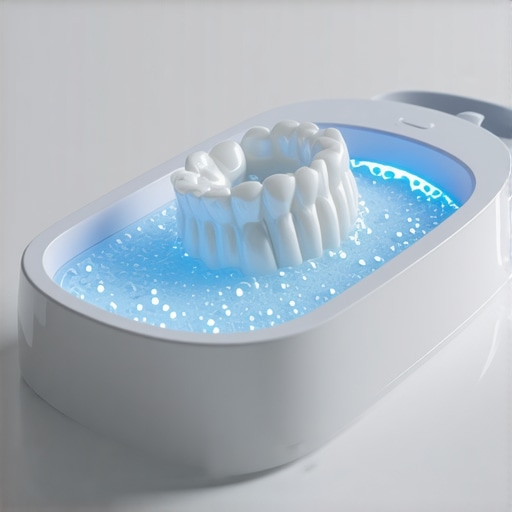
How do I keep my new smile from failing prematurely?
The secret isn’t just in the tools; it’s in the frequency and the technique. I’ve found that a ‘mid-day rinse’ with a pH-balanced mouthwash is crucial, especially after drinking coffee or soda. This neutralizes the acids that can seep under the margins of your bridge. This is a core part of any family dentistry guide for adults: managing the oral environment 24/7, not just for two minutes in the morning. A study published in the Cochrane Database of Systematic Reviews suggests that while flossing is the gold standard, interdental brushes are actually more effective for patients with fixed bridges because they fill the space between the teeth more completely. I keep a pack of GUM Proxabrush cleaners in my car for exactly this reason. If you want the secret to keeping your dental implants healthy for life or your bridge stable for fifteen years, you have to be proactive.
The Digital Revolution Coming to Your Next Checkup
Looking ahead, I predict that the ‘manual’ maintenance era is fading. We are already seeing top cosmetic dentistry trends for 2025 leaning heavily into AI-guided hygiene tools. Imagine a toothbrush that maps your mouth and tells your dentist exactly where you are missing plaque under your bridge. We are also moving toward 3D-printed biocompatible materials that resist plaque better than current porcelain. This isn’t just sci-fi; it’s the next step in expert cosmetic dentistry solutions. For now, my advanced tip for you is this: start using a non-abrasive gel toothpaste rather than a traditional paste. Many ‘whitening’ pastes are too gritty and can actually create micro-scratches on your bridge over time, making it easier for stains to stick. Switch to a gel, use your water flosser religiously, and you’ll find that your ‘new’ smile stays looking new for a decade or more.
The Reality Check Most Dentists Skip
Looking back on my journey, the biggest revelation wasn’t the procedure itself, but how much my mindset had to change. First, remember that your jaw is a living structure; if you choose a partial, the bone can slowly recede, eventually making you wonder why your dentures dont fit as well as they used to. Second, the ‘halo effect’ of a bridge is real—once that gap is gone, you will feel a surge of social confidence you didn’t even realize you had lost. Finally, never underestimate the power of a deep dive into dental crowns vs other restorations which is right for you. A bridge is a permanent commitment to the neighboring teeth, and you need to be certain those ‘anchors’ are healthy enough to carry the weight of your bite for the next decade.
Tools That Keep My Hardware Shining
I have curated a small daily kit that has likely saved me thousands in potential repairs. I strictly use a water flosser because it is the only way to effectively master how to clean your dental bridge to prevent chronic gum disease without the frustration of shredding traditional floss. I also swapped my gritty, abrasive whitening paste for a pH-balanced gel to avoid micro-scratches on the porcelain surface. If you are leaning toward the removable route, learning how to get used to the feel of new dentures in record time often comes down to consistency and using a high-quality, zinc-free adhesive during the first few weeks while your facial muscles adapt. These aren’t just gadgets; they are the essential maintenance crew for your new smile.
Taking the First Step Toward Your Old Self
Do not let the fear of ‘looking fake’ or the complexity of the insurance paperwork keep you from enjoying a meal or laughing at a joke without covering your mouth. Whether you choose the rock-solid stability of a fixed bridge or explore top cosmetic dentistry trends for 2025, the ultimate goal remains the same: restoring your function and your zest for life. Modern expert cosmetic dentistry solutions are now so sophisticated that the only person who will know you have a replacement tooth is you and your clinical team. You deserve to feel complete again and speak with clarity. Have you ever felt hesitant to fix a gap because you were worried about the procedure being too invasive? Let me know your thoughts in the comments below!