I vividly remember the moment I realized I might be doing more harm than good during my nightly routine. It was late, and I was desperately trying to remove stubborn food particles from between my teeth with a toothpick. As I poked and prodded, I felt a sharp sting, followed by a little blood. That uncomfortable sensation was an eye-opener. It made me stop and question whether this everyday habit was secretly damaging my gums rather than helping them.
How a Small Toothpick Can Cause Big Problems
Many of us believe that using a toothpick is a quick and easy way to maintain oral hygiene, especially when brushing isn’t an option. But what if I told you that this common practice could be silently wrecking your gum tissue? The issue lies in the fact that toothpicks are often used with too much force or at the wrong angle, which can lead to gum recession, bleeding, or even infection. I learned this lesson the hard way early on, when I ignored the warning signs and kept pushing through. That mistake made me realize the importance of proper gum care techniques.
Are you also guilty of using a toothpick despite knowing there might be better options? If so, you’re not alone. Many people underestimate the potential risks involved in this seemingly innocent habit.
Is Using a Toothpick Actually Worth the Hype?
At first glance, toothpicks appear to be a convenient tool. But the truth is, there are safer, more effective methods to clean between your teeth and gums. Early in my journey, I made the mistake of dismissing professional advice and relying solely on a toothpick, which only worsened my gum health. According to dental experts, improper use of toothpicks can cause tissue damage and exacerbate gum disease. Learning from that mistake, I began exploring better alternatives, which I will share with you.
By understanding the risks and discovering safer techniques, you can prevent unnecessary harm and maintain healthy gums. Next, I’ll guide you through practical solutions that protect your smile and promote long-term oral health, so stick around.
Choose the Right Tools for Effective Cleaning
Begin by selecting dental floss or interdental brushes instead of toothpicks. These are designed to clean between teeth gently and effectively. I recall a morning when I switched to using floss, which took me just a few minutes but prevented my gums from bleeding and bleeding during brushing. This simple switch transformed my routine and safeguarded my gum health.
Learn Proper Flossing and Interdental Cleaning
Use Gentle, Zigzag Motions
Insert the floss or brush at a 45-degree angle to the gum line. Gently glide it against each side of the tooth, following the curve, without forcing it. When I first adopted this method, my gums felt a little sensitive at first, but after consistent practice, they became healthier and less prone to bleeding.
Don’t Rush the Process
Spend at least two minutes cleaning all spaces thoroughly. I found that taking my time made a noticeable difference in my gum’s appearance and comfort. Rushing might lead to missed spots or damage from excessive force, similar to how improper technique can harm crowns or dental implants; thus, patience is key.
Adjust Your Technique for Sensitive Gums
If you experience discomfort, reduce pressure and focus on gentle motion. Using softer interdental brushes can also prevent irritation. I once accidentally used a firmer brush for my gums, which caused temporary soreness. Switching to a softer option and light pressure restored comfort and prevented recession.
Incorporate Proper Technique for Crowns and Restorations
Be cautious around crowns and dental restorations. Avoid poking or scraping them with force. Use floss threaders for under bridges or around crowns, ensuring no damage occurs. I learned this while maintaining a crown, realizing that improper handling could loosen the restoration. Adopting gentle, correct techniques extends the lifespan of your dental work.
Involve Family and Professional Guidance
Encourage family members to learn proper flossing practices. Regular visits to the dentist allow for personalized advice and adjustments. I visited my dentist for a routine checkup after changing my routine; they confirmed I was on the right track and addressed minor issues before they worsened. For more tips on family oral care, visit family dentistry tips.
Make It a Habit, Not a Chore
Consistent, gentle cleaning prevents gum recession and preserves your smile. When I committed to these methods, I noticed not just healthier gums but a more confident smile. Remember, every small step counts in maintaining oral health and avoiding costly procedures like crowns or implants later on.
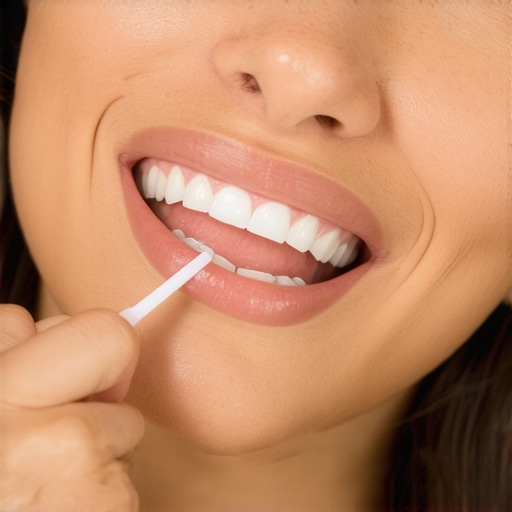 Many patients enter the dental office with common beliefs about family dentistry, crowns, and cosmetic procedures that, in reality, overlook crucial nuances impacting their oral health. For example, the popular myth that all crowns are permanent and never need replacement can lead to neglect of routine checkups, risking underlying decay or structural failure. While crowns are durable, they aren’t invincible; recent studies emphasize the importance of monitoring for micro-leakage and cement deterioration over time.
Why Do Some Cosmetic Treatments Falter Despite Popular Belief?
A widespread misconception is that whitening treatments or veneers last forever. However, experts remind us that lifestyle factors like diet, smoking, and oral hygiene profoundly influence the longevity of cosmetic restorations. A 2020 study in the Journal of Esthetic and Restorative Dentistry underscored that patients who avoid staining foods and maintain regular appointments significantly extend their cosmetic results.
One sneaky trap many fall into involves ignoring early signs of restoration failure, thinking that discoloration or minor chipping isn’t urgent. This oversight can snowball into more complex issues, including tooth fracture or need for more invasive procedures. Regular professional assessments are key to catching these subtleties before they escalate.
Could Choosing the Wrong Material Compromise Your Dental Work?
Absolutely. Not all crown materials are suited for every situation. For example, porcelain-fused-to-metal crowns offer strength but may cause metal allergies or aesthetic issues in the front teeth. Conversely, all-ceramic crowns are more natural-looking but might not be ideal for high-stress areas unless reinforced properly. An in-depth understanding of material science is essential—something many patients are unaware of.
My experience taught me that specifying your needs and understanding the material options can prevent costly mistakes and prolong the lifespan of restorations. Always consult with a seasoned dentist about the best materials tailored to your unique oral environment, as summarized on this expert resource.
Whether discussing family dentistry’s broad scope or specialized cosmetic procedures, grasping these hidden details ensures you make informed decisions. Don’t be lulled into complacency by common myths—your proactive approach can safeguard your smile from overlooked pitfalls. Have you ever fallen into this trap? Let me know in the comments and share your experiences!
Keep Your Smile in Top Shape: Essential Tools for Long-Term Success
Maintaining a healthy, beautiful smile requires more than just visiting the dentist periodically; it demands the right tools and techniques that fit your unique needs. I personally rely on a combination of professional-grade equipment and innovative products that ensure my dental health remains optimal over time.
One essential tool I swear by is an ultrasonic electric toothbrush, like the Philips Sonicare DiamondClean. Its powerful sonic technology effectively reduces plaque and penetrates hard-to-reach areas, which manual brushing often misses. I’ve found that incorporating this into my routine significantly lowers my risk of cavities and gingivitis, especially around crowns and restorations. Regular use of such advanced brushes can extend the lifespan of dental restorations and prevent the development of complications.
In addition to a quality toothbrush, I recommend integrating interdental cleaning devices such as the Waterpik Ultra Water Flosser. Unlike traditional floss, a water flosser delivers pulsating streams of water that dislodge plaque and debris from between teeth and beneath restorations comfortably. My personal experience shows that using a water flosser daily reduces sensitivity and bleeding, particularly around crowns and bridges. Furthermore, it’s gentle enough for those with sensitive gums, making it a versatile addition to your oral hygiene arsenal.
For dry mouth sufferers or those prone to bacterial buildup, antibacterial tongue cleaners like the Orabrush Tongue Cleaner prove invaluable. Regularly cleaning the tongue can prevent bad breath and microbial growth, which directly impacts overall oral health. I’ve observed my breath staying fresher longer and my gums feeling healthier by incorporating tongue cleaning into my routine.
Monitoring tools play a critical role in maintaining long-term results. I use digital plaque disclosing tablets once a week to spot areas I might have missed, ensuring thorough cleaning. These little tablets stain plaque so I can see and target problem spots, reinforcing good habits and making routine cleanings more effective.
How do I keep my dental tools effective over time?
Regular maintenance and replacement are key. For example, replacing your electric toothbrush head every three months prevents bacterial buildup and maintains cleaning efficacy. Cleaning interdental brushes and water flosser nozzles after each use prevents cross-contamination. Following manufacturer instructions for sterilization and storage prolongs their usability and keeps your mouth safe.
Looking ahead, I predict that advancements in oral care technology will continue to evolve, integrating AI-driven diagnostics and personalized treatment plans. Innovations like smart toothbrushes that sync with smartphone apps to monitor brushing habits are already becoming popular. Using these tools now can help you stay ahead and customize your routine effectively.
How do I maintain my dental tools over time?
To ensure ongoing effectiveness, always follow cleaning protocols recommended by manufacturers—this includes rinsing after each use, replacing worn parts, and periodic disinfecting. Investing in high-quality tools is worthwhile; they’re designed for durability and better performance over years of use. Don’t forget to schedule regular professional evaluations to assess and calibrate your at-home routine, preventing issues before they escalate.
By integrating these advanced tools into your daily regimen, you empower yourself to preserve your smile’s health and aesthetics long-term. Experiment with one or two of these recommendations and notice the difference in your oral wellbeing. For a complete guide on effective family dentistry practices, visit family dentistry tips.
What I Wish I Knew About Crowns Before It Was Too Late
One of the most impactful lessons I learned was the importance of choosing the right material for my dental crowns. Initially, I thought durability was the only factor, but I overlooked how the wrong choice could compromise aesthetics and longevity. Consulting with an experienced dentist about the best options tailored to my lifestyle prevented future complications and saved me from costly replacements.
Hidden Truths Dental Professionals Keep Secret About Smile Makeovers
Many patients, including myself, believed that cosmetic procedures like veneers or whitening are one-and-done solutions. However, ongoing maintenance, lifestyle habits, and material quality seriously affect their lifespan. Regular professional assessments and realistic expectations help in preserving that perfect smile longer and avoid disappointment.
My Personal Turnaround—From False Assumptions to Empowered Decisions
Initially, I underestimated the importance of comprehensive family dentistry. I thought routine cleanings were enough, but early signs of gum recession and decay in my loved ones made me realize that proactive, personalized care can prevent significant issues. Now, I advocate for regular checkups and tailored advice, emphasizing the importance of tailored care over one-size-fits-all solutions.
Tools That Transformed My Dental Routine and Why I Trust Them
Having explored various options, I rely on high-quality interdental brushes and professional-grade whitening kits. These tools, recommended by trusted dental professionals, have markedly improved my oral health and confidence. Incorporating these into my routine ensures a deeper clean and longer-lasting results, reinforcing the value of investing in reliable products.
Take Action Today—Your Smile Deserves Better Than Guesswork
Understanding the nuances of family dentistry, crowns, and cosmetic options can feel overwhelming, but armed with the right knowledge, you can make better decisions. Remember, your proactive approach today will pay dividends in years to come. Don’t wait for issues to arise—schedule an evaluation and take control of your dental health now.