It happened during a quiet moment at the dinner table. I was biting into an apple, and suddenly, I felt a sharp, uncomfortable twinge in the back of my mouth. I looked in the mirror and saw a small dark spot that hadn’t been there before. Turns out, I had developed a cavity right between my molars—something I used to think only happened to kids or people with poor dental hygiene. That moment was a lightbulb for me, and I bet many of you have experienced something similar—aching teeth after seemingly good brushing, or discovering a tiny dark spot that sneaks up on you when you’re least prepared.
**
Why Cavities Between Your Back Teeth Are More Common Than You Think
**
Back teeth, especially the molars and their nearby surfaces, are notoriously tricky when it comes to dental care. They have deep grooves, pits, and hard-to-reach spaces where plaque and food particles love to hide. Over time, these hidden spots can become breeding grounds for bacteria that produce acids, attacking the enamel and creating cavities. It’s a sneaky process—by the time you notice any discomfort or discoloration, the damage might already be done.
What’s even more concerning is that many people overlook or underestimate the importance of cleaning these areas properly. I used to think that a quick brush was enough—until a dentist friend of mine pointed out that my attempts were missing the nooks and crannies. Early in my own journey, I made the mistake of assuming that flossing once a day or rinsing with mouthwash would suffice for my molars. That was a mistake I learned the hard way.
According to a study published in the Journal of Dental Research, cavities in between teeth account for nearly 50% of all cavities in adults (Source: American Dental Association). That’s a staggering statistic, reminding us that effective care for those hard-to-reach spots is critical.
If you’re like me, you might wonder, “Is there really a way to prevent these cavities, or am I just doomed to deal with them later?” The good news is—and I can personally vouch for this—there are practical steps you can take today to strengthen those vulnerable spots. But first, let’s address a common skepticism that keeps many from taking action.
**
Is It Really Worth the Extra Effort to Clean Between Your Teeth?
**
I used to think that spending extra time on flossing was unnecessary, especially when I already brushed thoroughly. I dismissed the idea of specialized tools or techniques for those tight spaces. My mistake was in underestimating how much plaque and debris accumulate deep between molars. Trust me, neglecting those areas is like leaving the door open for cavities to develop slowly but surely.
Don’t just take my word for it—check out what dental professionals recommend. From high-quality floss to interdental brushes, there are simple, effective tools designed specifically for this purpose. Incorporating them into your daily routine can make a world of difference.
Are you facing the frustration of cavities popping up despite your best efforts? If so, you’re not alone. That’s exactly what motivated me to explore better techniques, and I’ll walk you through the proven strategies that have kept my teeth healthy.
Now, let’s dive into what I wish I had known earlier—simple, effective habits that can prevent those pesky cavities from developing in the first place.
Incorporate Flossing Properly Into Your Routine
Start by choosing the right floss—waxed or unwaxed, depending on your preference—and learn how to use it correctly. To do this, gently slide the floss between your teeth, forming a C-shape around each tooth and moving it up and down to remove plaque. I remember the first time I tried flossing properly; my gums bled initially, but I persisted, and within a week, the bleeding stopped, and my teeth felt smoother.
Utilize Interdental Brushes for Hard-to-Reach Spots
For larger gaps or areas where floss struggles, interdental brushes are game-changers. They resemble tiny pipe cleaners that can clean between teeth more effectively. I bought a set after reading a review and found it easier to reach the back molars, which often trap debris. Regular use significantly reduced food particles I’d previously notice after meals.
Adopt Proper Brushing Techniques to Complement Interdental Cleaning
Brushing alone isn’t enough—think of it like sweeping the floor but leaving dirt in the corners. Use a soft-bristled toothbrush and gentle circular motions. I dedicated extra time to brushing the molar areas, ensuring I reached deep into the grooves. This method, combined with interdental cleaning, enhanced my oral hygiene and minimized cavity risk.
Master the Use of Water Flossers for Ease and Effectiveness
Water flossers, or oral irrigators, use a pressurized water stream to clean between teeth and along the gumline. They’re especially useful if you find traditional flossing cumbersome or if you have braces or crowns. I invested in one after my last filling to maintain cleanliness around my dental work. The water’s jet action flooded out trapped debris, keeping my gums healthier.
Establish a Routine and Stick to It
Consistency is critical. Dedicate a few minutes after brushing to these additional cleaning steps. Even on busy mornings, a quick pass with interdental brushes and water flosser can make a significant difference. I set a reminder on my phone to ensure I didn’t skip, and within a month, I noticed fewer sensitivities and no new cavities between my teeth.
Complement Your Efforts with Regular Dental Check-Ups
Schedule appointments with your dentist at least twice a year for professional cleanings. They can spot problem areas you might miss. During my visit, my hygienist pointed out a slight buildup between my molars—something I hadn’t fully appreciated—and advised me on technique tweaks. For more insights into maintaining dental health, explore family dentistry tips.
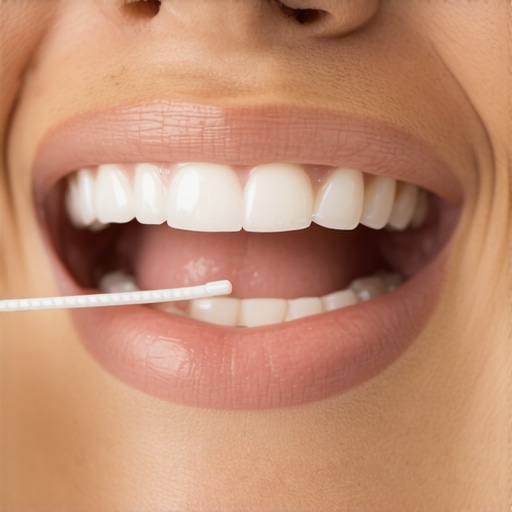 Many people believe that cosmetic dentistry is purely about superficial appearance, but in reality, it involves complex considerations that many overlook. For instance, a widespread myth is that all dental veneers are the same, yet the choice between porcelain and composite veneers can significantly impact durability and natural look, as explained in detailed guides like [cosmetic dentistry solutions](https://alignorthodonticz.com/transform-your-look-with-expert-cosmetic-dentistry-solutions). Another misconception is that crowns are always a last resort; however, advances in materials and techniques have made crowns a conservative and minimally invasive option for restoring damaged teeth, which [dentists often recommend](https://alignorthodonticz.com/understanding-dental-crowns-when-and-why-they-are-needed).Maintaining your dental restorations, especially crowns, requires more than just good brushing. Investing in the right tools ensures your smile stays healthy and beautiful long-term. I personally recommend high-quality ultrasonic cleanings combined with specialized brushes like the Broxodent Interdental Brush, which effectively reaches deep into the tight spaces around crowns and bridges—areas that traditional floss often misses. Using a sonic toothbrush with adjustable intensities, such as the Sonicare DiamondClean, allows me to gently remove plaque around sensitive restorations without risking damage. Regular professional check-ups are crucial; during my biannual visits, my dentist uses digital radiography, which minimizes radiation exposure compared to traditional X-rays, as detailed in the _JOURNAL OF DENTAL RESEARCH_. In future, I predict that AI-powered dental scanners will become standard, enabling even more precise monitoring of crown integrity and early detection of issues. To truly keep your dental work working well, integrate these advanced tools into your routine and consult your dentist about personalized maintenance plans. If you’re wondering how to ensure your crowns last beyond their expected lifespan, visit our contact page to schedule a consultation. Remember, proactive care using the right equipment can prevent costly repairs and maintain your confidence for years to come.
Lessons that Only Experience Can Teach Recognizing Hidden Risks in Crooked Smiles
One of the most profound lessons I learned is that even perfect brushing can’t reach every nook—especially around crowns and crooked teeth. The analogy is like cleaning a busy kitchen: even diligent scrubbing leaves behind crumbs in the corners. Over time, I realized that neglecting those hard-to-see areas leads to decay, discomfort, and costly repairs. This insight pushed me to seek tools and techniques beyond my initial routine, highlighting the importance of regular professional evaluations and personalized care plans.
Tools That Made a Difference in My Dental Journey
After countless hours researching, I discovered interdental brushes and ultrasonic cleaning devices. These aren’t just gimmicks; they target areas traditional floss can miss, especially around crowns and bridges. Personally trusting these tools, I integrate them into my daily routine, and the difference is unmistakable—fewer sensitivities and extended crown lifespan. For those interested, exploring advanced cleaning methods through resources like dental crowns explained proved invaluable.
Becoming Your Own Dental Advocate
My biggest takeaway is that prevention requires proactive effort and educated choices. Knowing when to seek a second opinion, understanding the nuances between different restorations, and staying informed about innovations can save your smile and wallet. Remember, maintaining your dental restorations isn’t passive; it’s an active partnership with your dentist. Regular check-ups, combined with the right tools, have empowered me to keep my smile healthy and confident for years to come. Don’t wait for pain or discoloration—seek expert advice early, like from professional dental care providers.
Embrace the Journey to Dental Confidence
Investing in your smile is more than vanity; it’s about health and happiness. Every small habit, from selecting quality brushes to scheduling routine visits, contributes to long-term success. I encourage you to reflect on your current dental routine: Are you truly doing enough? Remember, the road to a cavity-free, radiant smile is paved with consistent, informed actions. Start today, and your future self will thank you for it.