I remember sitting in a dead-silent waiting room, minding my own business with a piece of cinnamon gum, when click-pop. It sounded like a dry twig snapping inside my skull. The lady next to me actually jumped. It’s embarrassing, isn’t it? That rhythmic, percussive sound echoing through your head every time you try to enjoy a piece of Trident. For years, I just assumed I had a ‘noisy face’ and kept right on chewing, making the problem worse until I could barely open my mouth for a sandwich. I thought I was just ‘breaking it in,’ but I was actually grinding my joints into a state of rebellion. Today, I’m going to help you figure out why your jaw turns into a percussion instrument the second you start chewing and, more importantly, how to make it stop before it turns into a full-blown dental emergency. Have you ever felt that sharp jolt and wondered if your jaw was about to lock shut? You aren’t alone, and you aren’t crazy.
Your Gum Habit is Making Your TMJ Scream for Help
The biggest mistake I made early on was thinking I could just ‘muscle through’ the clicking. In fact, I did something incredibly stupid: I started chewing more gum, thinking I needed to ‘strengthen’ my jaw muscles. Spoiler alert: that’s like trying to fix a sprained ankle by running a marathon. Why your jaw clicks every time you chew a piece of gum usually comes down to the Temporomandibular Joint (TMJ) being overworked or misaligned. When you chew gum, you are forcing that joint to perform thousands of repetitive micro-movements. If the little disc of cartilage that cushions your jaw bone is even slightly out of place, every chew becomes a collision. I’ve spent a lot of time discussing this with my family dentistry provider, and they pointed out that the constant motion prevents the joint from ever resting.
Can I just wait for the clicking to go away on its own?
It’s tempting to ignore it, especially if there’s no pain yet. But the hidden cost of ignoring a clicking jaw joint can be steep, ranging from permanent joint damage to chronic tension headaches. According to the Mayo Clinic, TMJ disorders can lead to significant discomfort and even a ‘locked’ jaw if the disc displacement worsens. This is especially true if you are already struggling to stop clenching your jaw when you feel stressed. My own ‘lightbulb moment’ happened when I realized that my afternoon headaches weren’t from caffeine withdrawal—they were from the constant friction in my jaw. We need to look at how the role of family dentistry extends beyond just checking for cavities; it’s about the mechanics of how your mouth actually moves. If you’ve been wondering how to tell if a headache is actually caused by a bad tooth or a jaw issue, the clicking is your first major clue. We’re going to dive into how to calm that joint down and why giving up the gum might be the best thing you ever do for your face.
Giving Your Jaw the Break It Desperately Needs
The first rule of TMJ recovery is simple but incredibly difficult for some: you have to stop the cycle of inflammation. Every time you pop a piece of gum, you are essentially asking an injured athlete to run a full sprint on a sprained ankle. I learned this the hard way during a brunch where I tried to power through a toasted sourdough bagel while my jaw was already acting up. Mid-bite, my jaw didn’t just click; it felt like a heavy door hinge had suddenly rusted shut. I spent twenty minutes in the bathroom applying a warm wet paper towel to my face, terrified I wouldn’t be able to close my mouth again.
Ditch the Sticky Habit Immediately
If you want the clicking to stop, the gum has to go—no exceptions. It isn’t just about the repetitive motion; it’s about the constant resistance. If you have existing dental work, you might even notice that the real reason your crown feels loose when you chew gum is often the same mechanical strain that is wrecking your joint. By eliminating that constant grinding, you allow the synovial fluid in the joint to actually lubricate the disc rather than being squeezed out by sheer pressure.
Apply Targeted Heat to Melt the Tension
Think of your jaw muscles like a tight knot in a shoulder. Cold is great for a sudden injury, but for the chronic clicking caused by why your jaw clicks and pops when you eat chewy foods, heat is your best friend. I started using a microwaveable flaxseed wrap for ten minutes every night before bed. This softens the masseter muscle—the large muscle on the side of your face—and prevents it from pulling the joint out of alignment while you sleep. 
Gentle Massage and Controlled Opening
Once the area is warm, you can perform what I call the ‘two-finger reset.’ Place your index and middle fingers on the space just in front of your ear where you feel the joint move. Instead of opening your mouth wide, try to open it just an inch while keeping your tongue pressed against the roof of your mouth. This trains the jaw to open vertically rather than swinging out to the side, which is often what causes that loud, uncomfortable pop. Learning how to stop clenching your jaw when you feel stressed is a mental game, but these physical anchors give your brain a safe range of motion to return to.
Recognize When Your Joint Needs a Specialist
Sometimes the click is a symptom of a structural problem that a simple massage cannot fix. If your teeth do not fit together correctly, your jaw will always be fighting to find a comfortable resting place. This is where the role of family dentistry becomes critical. They can determine if you need a custom bite guard or if damaged teeth are throwing off your alignment. In some cases, dental crowns explained: the ultimate solution for damaged teeth might be relevant if worn-down molars have caused your bite to collapse. Even looking into expert cosmetic dentistry solutions can help because properly aligned teeth distribute pressure evenly, taking the load off your overworked TMJ.Let’s dig deeper because there is a massive misconception I see all the time: the idea that any old mouthguard will fix a clicking jaw. Most people assume that if they buy a generic ‘boil-and-bite’ guard from the pharmacy, they’ve solved the problem. In my experience, and as many dental professionals will confirm, these can actually be a dangerous trap. If the material is too soft or doesn’t align with your specific bite, your brain treats it like a chew toy. Instead of resting, your jaw muscles end up clenching harder on the soft plastic throughout the night, essentially giving your TMJ a heavy-duty workout while you sleep. This is where looking into enhance your confidence cosmetic dentistry innovations to watch really matters; professional-grade appliances are precision-engineered to deprogram those muscles rather than agitating them.
Stop Treating Your Mouthguard Like a Chew Toy
If you’ve been using a drugstore guard and noticed your clicking is actually getting louder or your jaw feels tighter in the morning, you’ve fallen into the ‘chew toy’ trap. Professional intervention involves mapping your occlusion—the way your teeth meet—to ensure the joint is in a truly neutral position. Ignoring this nuance is why many people think their TMJ is ‘incurable’ when they are simply using the wrong tools.
One Millimeter Can Ruin Your Entire Bite
The ‘Oops’ factor in jaw health often comes down to recent dental work that wasn’t perfectly calibrated. I’ve spoken with countless people who developed a clicking jaw immediately after getting a new filling or a crown. This is often due to a ‘high restoration.’ Even if a crown is just a fraction of a millimeter too high, your jaw will subconsciously shift its entire path of motion to avoid hitting that spot first. This micro-shift, repeated thousands of times a day, is enough to pull the cartilage disc out of place. It’s a major reason behind understanding dental crowns when and why they are needed correctly; it’s about structural harmony, not just aesthetics. If you suspect your bite is off, you should also learn how to tell if your crown is leaking and trapping bacteria, as inflammation in the surrounding tissue can further complicate jaw alignment.
Does the clicking start the moment you open your mouth?
This is the advanced question that separates a simple muscle strain from a true structural joint issue. According to the American Association of Oral and Maxillofacial Surgeons (AAOMS), a ‘reciprocal click’—one that happens when you open and again when you close—is a classic sign that the disc is sliding in and out of its proper home. If the click only happens when you open extremely wide, it might just be a ligament stretching. However, if that percussive ‘pop’ happens during the first few millimeters of movement, your bite alignment is likely the primary culprit. This level of diagnostic detail is why the role of family dentistry in ensuring oral health for all ages is so vital; they track these subtle changes over years. 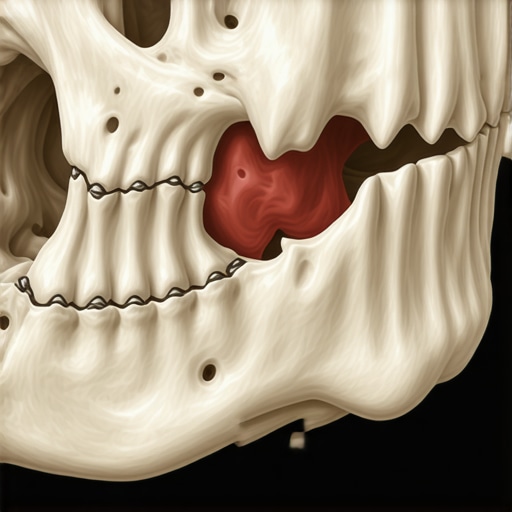 Have you ever fallen into the trap of thinking a drugstore guard would fix your pain? Let me know in the comments. We need to stop treating the jaw like a simple hinge and start treating it like the complex precision instrument it is. If you are ready to stop the noise and restore your bite, it may be time to consider dental crowns explained: the ultimate solution for damaged teeth to realign your vertical dimension and give that joint the rest it deserves.If you really want to move past the temporary relief of a heating pad, you have to look at the data. I’m a bit of a nerd when it comes to the tech side of things, and once I discovered T-Scan technology, my perspective on jaw health changed forever. Instead of just biting down on a piece of thin blue paper—which is what most of us grew up with—this digital sensor records the exact force and timing of every single tooth contact. I’ve seen cases where a patient felt their bite was ‘fine,’ but the sensor showed one tiny cusp hitting a millisecond early, causing the whole jaw to shimmy sideways.
Digital Bite Mapping Beats the Old School Paper Test
This level of precision is why I’m such a fan of top cosmetic dentistry trends for 2025 that prioritize function as much as aesthetics. When your dentist can see a digital map of your bite, they aren’t guessing. They can make microscopic adjustments to your teeth or a new crown to ensure your joint stays centered. If you are debating between dental crowns vs other restorations, remember that the material choice—zirconia versus porcelain—matters because of how those materials wear down over time and affect your opposing teeth. 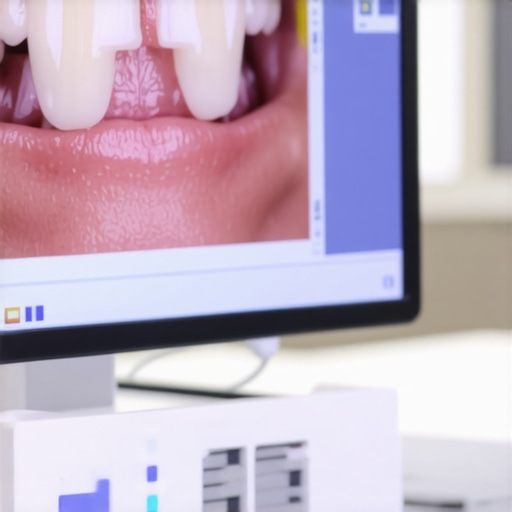
How do I maintain a stress-free jaw over time?
The secret isn’t a one-time fix; it’s a system. First, if you use an occlusal splint, you must keep it pristine. I used to just toss mine in a drawer, but learning how to clean a night guard without using harsh chemicals or bleach saved me from recurring gum irritation. Second, consistency in caring for your childs teeth is the only way to prevent these mechanical issues from being passed down as learned habits, like teeth grinding during homework. According to research published in the Journal of Prosthetic Dentistry, even a 0.5mm discrepancy in crown height can significantly increase muscle activity in the temporalis and masseter.
Why 3D-Milled Crowns are the Future of Comfort
We are entering an era where ‘one-size-fits-all’ is dead. We’re seeing more cosmetic dentistry innovations to watch that involve in-office 3D milling. This means your crown is carved from a single block of high-strength ceramic based on a perfect 3D scan of your mouth, leaving zero room for human error in the lab. This precision is the best defense against future jaw clicking. My advice? Next time you’re in the chair, ask your dentist if they use digital impressions or T-Scan technology. If they don’t, it might be time to seek out a provider who invests in these advanced tools to ensure your jaw stays silent for the long haul.
The Hard Truths I Learned While My Jaw Was Snapping
After years of dealing with a percussion section in my skull, I realized that oral health is a delicate balance, not a contest of endurance. My first big ‘lightbulb moment’ was accepting that noise is a signal, not a personality trait. If you hear a click, your body is telling you that a mechanical system is failing. Another hard lesson was realizing that ‘resting’ my jaw didn’t just mean stopping the gum; it meant evaluating how I held my face during stress. I also learned that the hidden cost of ignoring a clicking jaw joint eventually manifests as worn-down teeth that require much more intensive care later in life. Finally, I discovered that a healthy bite is the foundation for everything else, from how you speak to how well you sleep.
How I Rebuilt a Smile That Does Not Make Noise
If you are ready to move from temporary fixes to long-term silence, there are a few specific paths I recommend exploring with your provider. First, look into family dentistry guide: building a lifetime of healthy smiles to establish a baseline for your jaw’s alignment. If your teeth have already suffered from years of grinding, you should weigh the benefits of dental crowns vs other restorations to see which will best restore your proper bite height. I also suggest researching expert cosmetic dentistry solutions that focus on neuromuscular harmony rather than just ‘straight’ teeth. These tools, combined with a commitment to stop the repetitive strain of chewing gum, are the most reliable ways to keep the synovial fluid in your joints healthy.
Your Journey Toward a Silent and Pain-Free Smile Starts Now
You do not have to live with the constant embarrassment and discomfort of a clicking jaw. By making the decision to prioritize joint health today, you are preventing a future of chronic headaches and potential ‘lockjaw’ emergencies. Remember that why your jaw clicks every time you chew a piece of gum is a solvable mechanical puzzle, not a permanent curse. Whether it is through minor adjustments or more significant understanding dental crowns when and why they are needed, your path to a quiet, functional smile is within reach. Take that first step, talk to a professional, and give your jaw the rest it has earned. Have you ever noticed your jaw clicking more during times of high stress or after a specific meal? Let me know in the comments below.