I’ll never forget the first time I caught my reflection in a restaurant window after getting my smile upgraded. I had spent months dreaming of perfectly aligned, pearly whites, but what stared back at me wasn’t the sophisticated look I’d paid for. Instead, it looked like I had accidentally left a sports mouthguard in. My teeth were bright, sure, but they were also thick, heavy, and—let’s be honest—completely unnatural. I felt like I was wearing someone else’s smile as a costume. It was a crushing realization. I’d gone in searching for expert cosmetic dentistry solutions, but I ended up with what the industry calls chiclet teeth. If you’re feeling like your veneers are taking up too much room in your mouth, believe me, I’ve been in that exact chair. Today, we’re going to peel back the curtain on why this happens and how you can get back that sleek, natural appearance you actually wanted.
The Moment My Smile Felt Like Too Much
The truth is, I made a classic mistake early on: I thought more was better. I wanted the whitest shade and didn’t listen when my dentist tried to talk to me about translucency and facial proportions. I just wanted perfect. But perfect in a lab can look like a wall of white plastic in the real world. According to the American Academy of Cosmetic Dentistry (AACD), a truly natural-looking restoration depends on how light passes through the material. If the porcelain is too dense or too thick, it loses the depth of real enamel. I learned the hard way that a great smile isn’t about being the brightest in the room; it is about harmony. Have you ever looked in the mirror and felt like your new teeth were shouting instead of just looking healthy?
Does Cosmetic Dentistry Always Have to Look This Obvious?
You might be wondering if you’re just stuck with a bulky smile or if natural is even possible once you’ve gone the porcelain route. I used to think I’d just have to live with that heavy feeling against my lip, but that’s simply not true. You deserve a smile that boosts your confidence, not one that makes you want to hide your face. Modern cosmetic dentistry innovations have changed the game, making it much easier to avoid the errors of the past.
Why Your New Smile Might Feel a Bit Like a Costume
There are a few technical reasons why things go south, and it usually starts with the prep work. In my case, I was so afraid of losing my natural enamel that I pushed for a no-prep approach without realizing my teeth were already positioned in a way that required some slimming down first. When you add a layer of porcelain on top of a tooth that hasn’t been properly contoured, you’re essentially doubling the thickness. It is like putting a thick winter coat over a bulky sweater; suddenly, nothing fits right. This is why cosmetic dentistry trends for 2025 are shifting toward much more conservative, highly customized porcelain layers that mimic the natural anatomy of your original teeth. We also have to consider how different restorations compare to ensure the bulkiness isn’t just a side effect of choosing the wrong material for your specific bite.
How to Redesign a Smile That Actually Fits Your Face
Getting rid of that bulky, ‘mouthguard’ feeling isn’t just about filing things down; it is about proper architectural planning. You need to treat your smile like a custom-built home. If the foundation—your natural teeth—isn’t prepped to account for the thickness of the porcelain, the house will always look too big for the lot. This is where expert cosmetic dentistry solutions come into play. A skilled professional will measure your ‘incisal edge’ and ensure the length doesn’t interfere with your speech or bite. Proper planning prevents the ‘over-contoured’ look where the teeth seem to be pushing your upper lip forward.
Insist on a Physical Mock-up
Never, ever skip the trial smile phase. I remember sitting in a specialist’s office where they applied a temporary tooth-colored resin over my teeth. It felt gritty and weird at first, but it was a revelation. Looking in the mirror, I realized the ‘perfectly straight’ design they’d suggested actually made my face look too boxy. By rounding the corners of the lateral incisors just a fraction of a millimeter, the whole look softened immediately. If I hadn’t seen that mock-up, I would have committed to a permanent set of ‘chiclet’ teeth. This step is your insurance policy against regret. 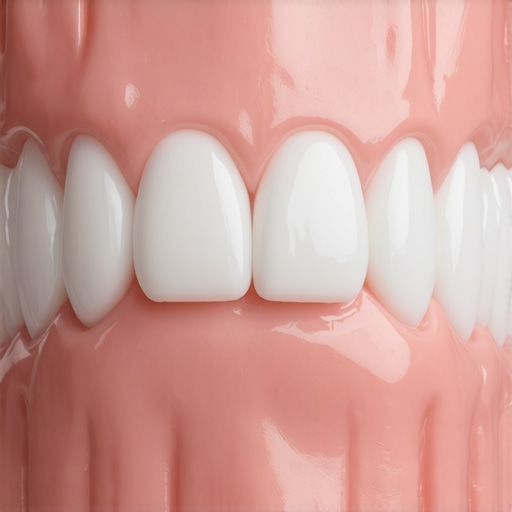
Pick a Material That Doesn’t Block Light
The reason my first set of veneers looked like plastic was the lack of translucency. Natural teeth aren’t solid white; they are layered. The tip of the tooth is usually more ‘clear’ than the base. When reviewing the lifespan of composite vs. porcelain veneers, you’ll find that while porcelain is more durable, its ability to mimic enamel depends entirely on the lab technician’s skill in layering. If they use a monolithic block of ceramic, it won’t have that life-like depth. Ask for feldspathic porcelain or high-translucency zirconia if you want something that looks like it actually grew there. These materials allow light to dance through them rather than bouncing off the surface like a white wall.
Why Proportions Matter More Than Shade
We often obsess over getting ‘Bleach White’ shades, but the human eye notices ‘too big’ before it notices ‘too white.’ In a family dentistry guide context, we see that healthy smiles follow a specific ratio. The central incisors should be about 75% to 80% as wide as they are long. If that ratio is off, the teeth look like squares. If you are dealing with damaged teeth, you might need to understand when and why they are needed versus thinner veneers. A crown wraps the entire tooth, and if the tooth isn’t reduced enough, that crown will inevitably feel tight or look bulky against the gum line. Moving toward cosmetic dentistry trends for 2025, the focus is now on ‘micro-layering,’ where the ceramic is so thin it acts almost like a contact lens for your tooth, preserving the natural silhouette.Let’s dig deeper into a nuance that even some seasoned patients miss: the ‘Biological Width’ trap. Everyone says that the brand of porcelain is the most important choice you’ll make, but in my experience, the technical skill of the margin placement is what actually keeps your teeth from falling out ten years later. If a restoration is pushed too far under the gum line to hide the seam, it can invade the space where your gum tissue naturally attaches to the bone. This isn’t just a minor ‘oops’; it can lead to chronic inflammation and even bone loss. A study published in the Journal of Prosthetic Dentistry confirms that violating this biological space is a primary cause of localized gingivitis around new restorations. This is often the real reason your dental crown is causing your bad breath—not poor brushing, but a physical space where bacteria are trapped by the design itself. 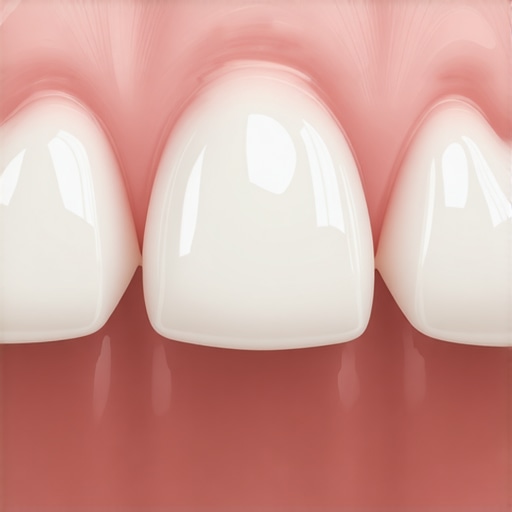
Why Is Your Gum Line Turning Dark or Grey?
One of the most advanced mistakes I see involves light transmission. You might have seen people with a tell-tale grey line at the base of their teeth. I used to think this was just ‘old’ dentistry, but it’s actually a failure of translucency. When light hits a natural tooth, it travels down into the root and illuminates the gum from within. If you choose a material that is too opaque, you block that light, creating a shadow that looks like decay or a bruise. This is exactly why your gums look dark around a dental crown. To avoid this, you need to discuss ‘shoulder’ versus ‘chamfer’ margins with your professional. It sounds like jargon, but it’s the difference between a smile that looks like a masterpiece and one that looks like a repair job. If you are already dealing with damage, looking into dental crowns explained: the ultimate solution for damaged teeth can help you understand how modern all-ceramic options have solved this ‘grey line’ problem once and for all.
Don’t Fall for the Instant Orthodontics Myth
There is a dangerous trend of using veneers to straighten severely crooked teeth—often called ‘instant orthodontics.’ While it’s tempting to skip the braces, over-prepping a tooth to make it look straight can leave the remaining structure weak and prone to fracture. I’ve seen cases where people chose this route only to find the real cost of delaying a necessary dental crown was much higher than they anticipated. A great family dentistry practice will tell you that sometimes, a few months of alignment is better than shaving away healthy enamel forever. The goal of cosmetic dentistry innovations to watch is to preserve as much of your natural self as possible. Have you ever fallen into the trap of choosing the fast fix over the right fix? Let me know in the comments below.Once the numbing wears off and the final glaze is set, the real work begins. I used to think that because porcelain doesn’t decay, I was off the hook for intense hygiene. That was a dangerous assumption. In reality, the margin—the tiny microscopic line where the porcelain meets your natural tooth—is the most vulnerable real estate in your mouth. If that area isn’t kept pristine, you’ll find yourself asking how to tell if your dental crown is leaking bacteria sooner than you think. You need to treat your new smile like a high-performance vehicle that requires specialized tuning.
How can I keep these restorations looking new for decades?
Maintenance isn’t just about brushing; it’s about mechanical protection. I personally swear by a custom-milled occlusal guard. Not the ‘boil-and-bite’ ones from the drugstore, which are too soft and can actually encourage more grinding by giving your jaw something ‘chewy’ to bite into. I use a hard-acrylic 3D-printed guard that is calibrated to my specific bite. This is crucial because even a tiny misalignment can cause porcelain to fracture over time. If you’ve ever wondered why your crown feels tight when you wake up, it’s likely your jaw muscles overworking at night, putting immense pressure on your new work. To keep your gear fresh, you need to know the best way to clean a night guard to prevent odors, as bacteria buildup on the guard can transfer back to your gum line and cause inflammation. 
The Tool That Saved My Gum Line
I stopped using traditional string floss around my restorations and switched to a high-end water flosser with a ‘plaque seeker’ tip. These tips feature three thin tufts of bristles that physically sweep the margin while the water pressure flushes the sulcus. It is significantly more effective at preventing that ‘grey line’ we talked about earlier. While you’re at it, pay attention to your brush; the truth about how often you should replace your toothbrush head is every 12 weeks, but with porcelain, I swap mine every 8 to ensure the bristles remain soft enough not to abrade the glaze. I use a sonic brush with a pressure sensor—if you press too hard, the motor slows down. This is vital because aggressive brushing is why your gums are receding despite using a soft toothbrush, which eventually exposes the edge of your veneers. Dr. Pascal Magne, a leading voice in biomimetic dentistry, emphasizes in his research that maintaining the original biomechanics and ‘stress distribution’ of a tooth is what prevents long-term failure. Looking toward cosmetic dentistry trends for 2025, we’re going to see AI-integrated apps that use your phone’s camera to scan for ‘micro-chips’ in your veneers before they become visible to the eye. This proactive monitoring will turn family dentistry into a high-tech prevention game. My best advice? Ask your dentist for a high-resolution 3D scan of your finished smile today. It serves as a ‘digital master’ that can be used to perfectly recreate a tooth if you ever have an accident. It’s the ultimate insurance policy for your face. Go ahead and request that scan at your next cleaning—it’s the one thing I wish I’d done from day one.
What I Learned After Living With My Smile for Five Years
Reflecting on my journey, the biggest takeaway wasn’t about the cost or the brand of porcelain—it was about the mindset. First, imperfection is what makes you look human. If you look closely at a natural, youthful smile, the teeth aren’t perfectly symmetrical or flat; they have character. Second, the shade ‘Bleach BL1’ rarely looks good on anyone over the age of twenty. I eventually learned that the role of family dentistry in ensuring oral health for all ages is to find a balance between aesthetics and longevity. If you find your current restorations look ‘off,’ it might be because they lack the subtle irregularities that define a real tooth. Also, remember that you don’t always need a full overhaul; sometimes knowing how to fix a small gap without traditional orthodontics can save you from a bulky, over-engineered result.
The Gear I Actually Use to Protect My Investment
Once you have invested in your look, you have to be its fiercest guardian. I trust a specific ‘toolkit’ to keep things looking fresh. I swear by my custom night guard—it prevents the micro-fractures that ruin the glaze. If you notice a change in your aesthetics, like why your gum line looks dark around an old crown, don’t ignore it; it’s often a sign of recession or margin issues. For minor maintenance, I always keep a tab on how to fix a tiny chip in your front tooth without a crown so I don’t panic if I bite something too hard. Most importantly, find a provider who listens to your concerns about ‘bulkiness’ and values your biological comfort as much as the photos in their portfolio.
The Future of Your Face Starts Today
You don’t have to settle for a smile that feels like a mask. Modern dentistry is capable of incredible, invisible artistry that honors your unique facial structure. Whether you are correcting a past mistake or planning your first upgrade, remember that you are the architect of your confidence. If you’re ready to explore a more natural look, it’s time to reach out and contact us to start the conversation. Have you ever looked in the mirror and felt like your dental work didn’t quite match your personality? Let me know in the comments below!