Ever stepped outside on a chilly winter morning and winced because your teeth suddenly felt like they were being jolted by icy shockwaves? I remember the first time it happened; I was caught off guard, clutching my face in shock—and frustration. It was as if my teeth were betraying me just when I needed warmth and comfort the most. That moment was a real eye-opener, making me realize how sensitive teeth can turn even a simple winter breeze into a painful experience.
Why Cold Air During Winter Can Make Your Teeth Feel Like They’re Firebrands
Many folks brush off this sensitivity as just a minor nuisance, but for those of us experiencing it regularly, it’s a clear sign that something’s off. Teeth sensitivity, especially to cold air, is more common than you might think. It often indicates underlying issues like enamel erosion, exposed dentin, or gum recession, which can make teeth vulnerable to temperature swings. When the cold air hits your teeth, it reaches nerve endings that are no longer protected, causing discomfort or even pain.
Early on, I made the mistake of ignoring this warning sign, assuming it was temporary. But ignoring sensitivity can lead to worsening problems, requiring more extensive (and expensive) treatments down the line. Recognizing these early signals is crucial in preventing more serious dental concerns.
Is Tooth Sensitivity During Winter Overhyped or a Sign of Something Bigger?
One common skepticism I hear is whether this sensitivity is just a minor annoyance or something that warrants professional attention. When I first experienced it, I thought I’d just need a quick fix from the local drugstore. However, I soon learned that persistent sensitivity often points to deeper issues, like worn enamel or even cavities. According to [the American Dental Association](https://www.mouthhealthy.org/en/az-topics/s/sensitive-teeth), tooth sensitivity affects nearly 1 in 8 Americans and can significantly impact quality of life if left unchecked.
My biggest mistake early on was delaying a dental visit, thinking I could handle it myself. That delay allowed minor problems to develop into more daunting (and costly) treatments. The good news? Once I understood what was really happening, I was able to take targeted steps to protect my teeth and reduce discomfort.
If you’re nodding along and familiar with this icy pain, don’t worry—you’re not alone. In the upcoming sections, we’ll explore practical, proven methods to combat winter tooth sensitivity, helping you stay comfortable and smiling brightly all season long. Ready to take control of your dental health? Let’s dive in!
.
Strengthen Your Enamel to Block Cold Sensitivity
Begin by using toothpaste formulated for sensitive teeth, which contains potassium nitrate or stannous fluoride. These ingredients help block nerve signals and reinforce enamel. A micro-story: I once switched to a sensitive formula toothpaste and noticed a decrease in discomfort within a week. Consistent brushing with these types of toothpaste is like applying a protective armor to your teeth, preventing cold air from reaching nerve endings.
Master Proper Brushing Techniques
A gentle, circular motion with a soft-bristled toothbrush minimizes enamel erosion and gum recession, which expose dentin— the root cause of sensitivity. I remember brushing too hard out of habit, which made my symptoms worse. Now, I focus on light strokes, much like polishing a delicate surface. This simple change reduces enamel wear and keeps nerves shielded from cold air.
Consult Your Dentist for Customized Treatments
Persistent sensitivity warrants professional intervention. Dentists can apply fluoride varnishes that serve as temporary shields or recommend bonding agents to cover exposed dentin. They might also evaluate if a dental crown is necessary to protect vulnerable teeth. I had a molar with persistent pain; my dentist applied a fluoride gel and suggested a crown, which significantly alleviated the issue. Visiting a professional is like calling in a skilled engineer to reinforce a fragile structure— crucial for long-term relief.
Evaluate Restorative Options Carefully
If your sensitivity stems from structural damage, restorative procedures like dental crowns can restore integrity. These crowns act as caps, covering the entire tooth surface, much like a helmet protects your head. Dental crowns are explained in detail at this resource. My own experience with crowns was straightforward; the procedure was quick, and the durability provided peace of mind during winter.
Adjust Daily Habits to Minimize Cold Exposure
Simple lifestyle changes can make a big difference. Avoid opening your mouth wide in cold wind and sip warm beverages instead of drinking directly from icy containers. Using a scarf over your mouth when outdoors creates a barrier, much like a shield wall, blocking cold air from reaching your teeth. I started wearing a scarf during early mornings, and it noticeably reduced the icy shock, making mornings more bearable.
Incorporate Protective Dental Products
Consider mouth rinses formulated for sensitive teeth, which contain anti-inflammatory agents. Also, using a fluoride rinse after brushing can bolster enamel resilience. These products are akin to a daily reinforcement, gradually building your teeth’s defenses against cold. I incorporated a fluoride rinse into my routine, observing a steady decrease in sensitivity issues.
Address Underlying Gum Issues Promptly
Gum recession exposes dentin, increasing sensitivity. Regular flossing and professional cleanings eliminate plaque that accelerates gum loss. If recession is advanced, gum grafting might be recommended. Treating gum health is like repairing a foundation before installing a new roof; it ensures overall stability. I scheduled an appointment with my dentist after noticing gum recession signs, which led to successful treatment and improved comfort.
Implement Long-Term Maintenance
Consistent oral hygiene and periodic dental check-ups prevent the progression of sensitivity causes. Think of it as maintaining a car: regular oil changes keep the engine running smoothly. I now visit my dentist biannually, catching small issues before they become painful winter surprises, similar to how family dentistry emphasizes ongoing care for all ages.
Many people assume that cosmetic dentistry is purely about superficial improvements, but there’s much more nuance beneath the surface. A frequent myth is that all dental crowns are the same, leading patients to choose the cheapest option without considering longevity or material quality. In reality, the choice between porcelain, zirconia, or a metal-ceramic crown can significantly impact durability and aesthetics, especially in load-bearing areas. For instance, recent studies, such as those published in the Journal of Prosthetic Dentistry, highlight how material selection influences patient satisfaction over time.
Another misconception revolves around the role of family dentistry. Some believe it’s only for basic checkups, yet preventive care and early intervention are vital for maintaining cosmetic restorations and overall oral health. Regular family dental visits allow for early detection of issues like edge wear or gum recession that can compromise crowns or veneers, preventing costly repairs later.
When it comes to advanced restorations like dental implants, a common mistake is overlooking the importance of bone health. Many assume that implant success depends solely on the implant itself, but adequate bone density and quality are critical. A study in Clinical Implant Dentistry and Related Research emphasizes that pre-implant bone assessment can reduce failure rates significantly. This highlights the importance of comprehensive diagnostics, especially for patients considering long-term cosmetic solutions.
Beware of the trap that all cosmetic procedures are quick fixes. Procedures like veneers and crowns require careful planning, temporary restorations, and sometimes multiple visits to ensure optimal results. Rushing these steps can lead to issues like poor fit, discoloration, or even damage to underlying teeth. Advanced practitioners emphasize a holistic approach—integrating functional restoration with aesthetic goals for natural, lasting results.
Have you ever fallen into this trap? Let me know in the comments! For those curious about the latest trends and how to avoid costly mistakes, check out our resource on revamp your smile with top cosmetic dentistry trends for 2025 that focus on longevity and natural appearance, ensuring your investment stands the test of time.
Keeping Your Dental Work in Prime Condition
Maintaining your smile’s integrity involves more than just regular brushing. Over the years, I’ve found that investing in the right tools can make all the difference in extending the life of crowns and other restorations. One of my personal favorites is a thermal toothbrush, like the Oral-B Genius X. It uses advanced sensors and AI to adapt to your brushing style, ensuring gentle yet thorough cleaning without risking wear on sensitive areas or crowns. Additionally, a high-quality water flosser such as the Waterpik Sonic-Fusion adds precision, especially around crowns and bridges, reducing plaque buildup that can compromise your restorations over time.
In my routine, I also rely on a handheld UV sterilizer for my toothbrush, which kills bacteria and fungi—crucial for preventing decay around porcelain crowns. Regular use of these tools has helped me avoid frequent repairs, saving time and money in the long run.
Future Predictions: Smarter, More Patient-Centric Technologies
Looking ahead, I believe the trend will lean toward AI-driven dental devices that monitor your oral health in real-time. Devices will soon be able to alert you to early signs of wear or decay before they become visible, much like how smart home systems predict appliance failures. As technology evolves, dental care will become more proactive, empowering us to act swiftly and preserve our cosmetic work longer.
How do I maintain my crowns and restorations over time?
Consistent routine with high-tech tools is key. Schedule annual professional check-ups, where your dentist can apply protective coatings like fluoride varnishes and perform professional cleanings that reach areas self-cleaning brushes might miss. Incorporating tools such as a sonic toothbrush and water flosser into your daily routine can extend the lifespan of your crowns, veneers, and bridges, ensuring they remain functional and beautiful for years. For more insights on restorative longevity, visit this detailed guide.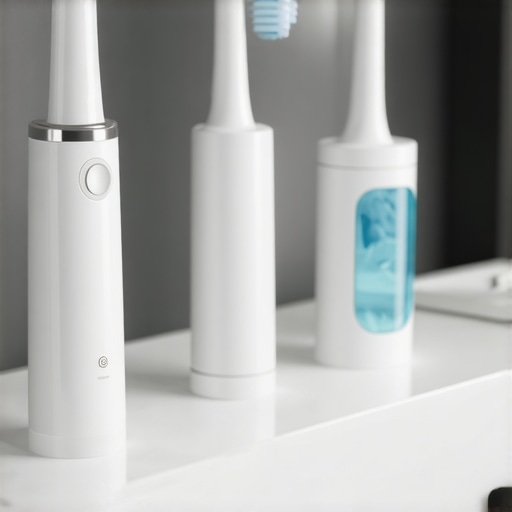
Looking back, the most valuable lessons about cosmetic dentistry and maintaining a radiant smile came from my own experiences. One of the toughest truths I learned was that neglecting early signs of dental issues can lead to complicated—and costly—restorations later. For instance, ignoring that small chip or subtle discoloration often paved the way for bigger problems. My shortcut was thinking that everything would fix itself or wait until it caused real pain. That mindset almost cost me my smile. Now I know that proactive care and education can make all the difference.
A surprising insight was how essential personalized treatment plans are. When I first sought cosmetic improvements, I assumed trendy procedures would suit me without thorough consultation. But my dentist emphasized that unique anatomy, lifestyle, and expectations demand tailored solutions. This personalized approach not only saved me from unnecessary procedures but also aligned my results with my natural beauty. It’s a reminder that customized care is the game-changer.
One lesson I never expected was the importance of proper maintenance beyond the clinic. Consistent routines—like using the right toothbrush and avoiding habits that damage crowns or veneers—are key to longevity. I used to think that once I had a crown placed, my part was done. But I soon realized that daily habits have a huge impact on how long my restorations last and how vibrant my smile remains. It’s akin to tending a garden; ongoing attention keeps everything flourishing. For more tips on maintaining your restored smile, visit this resource.
My Treasure Trove of Dental Wisdom: Tools that Seal the Deal
Over the years, I’ve curated a collection of tools that truly support my dental health. A high-quality electric toothbrush, like the Oral-B Genius X, has been transformative. Its sensors ensure I brush effectively without harming delicate restorations. A water flosser, such as the Waterpik Sonic-Fusion, reaches areas that traditional flossing might miss, especially around crowns and veneers. I also incorporate a UV toothbrush sterilizer, which keeps bacteria at bay and extends the lifespan of my dental investments. These gadgets are more than convenience; they’re integral to preserving your smile’s integrity over time.
My trusted resources include the article on dental crowns versus other restorations. It’s helped me understand what’s best for durability. I also follow family dentistry insights for comprehensive care that benefits all ages. Lastly, I rely on expert advice from innovations in cosmetic dentistry. These sources keep me informed and motivated to maintain a healthy, stunning smile.
Step Into Your Bright Future with Confidence
Embarking on the journey to a healthier, more beautiful smile is a decision that rewrites your confidence story. The path involves mindful habits, professional guidance, and unwavering dedication. Remember, your smile is your signature—nurture it with care, and it will serve you for a lifetime. If you’re contemplating cosmetic dentistry or want to preserve your current restorations, take that first step today. The future of your radiant smile depends on the actions you choose now. Are you ready to make your smile the best it’s ever been?
What’s been your biggest realization about maintaining dental health or cosmetic enhancements? Share your story or questions below—I’d love to hear how you’re taking charge of your smile!
.