I vividly remember the first time I sat in my dentist’s chair, bracing myself for a quick and necessary procedure. As the dentist prepared, I watched her mix goopy, cold impression material that instantly made me think of a dental science experiment gone wrong. The sticky mess clung to my tongue, dripped down my chin, and made my entire mouth feel like I was a rookie in a sticky spider web. That uncomfortable sensation was not only unpleasant but also left me wondering—this can’t be the best way to get an accurate picture of my teeth, right?
The Problem with Traditional Impressions
For decades, dental impressions involved this goopy, gag-inducing process. While effective, it’s far from ideal—messy, uncomfortable, and often triggering gag reflexes. Plus, any movement during the process could ruin the impression, leading to multiple retakes. It’s no wonder many patients found this experience worse than a root canal. However, advancements in technology have started to turn this old method on its head.
Here’s the thing—according to recent research, digital scans are now just as accurate, if not more so, than traditional impressions. These high-tech scans can capture detailed 3D images of your teeth swiftly and comfortably. No more mess, no more gagging, and certainly no more chaos in the dental chair. Instead, you get a clean, quick, and painless process that sets the stage for better-fitting crowns, veneers, or orthodontic work.
Do you ever wonder if there’s a better way? Well, there is. I was skeptical at first, too—mistakenly thinking that digital scans might sacrifice accuracy for comfort. My early mistake? Assuming that the old-fashioned way was the only reliable method. But once I experienced the difference firsthand, I realized just how much more efficient and stress-free modern dentistry has become.Why This Shift Matters
Switching to digital scans isn’t just about comfort; it’s about ensuring your dental treatments are as precise as possible. Accurate impressions mean better-fitting restorations, fewer adjustments, and quicker turnaround times. And let’s face it—avoiding that goopy mess? Absolutely priceless. So, if you’ve ever faced the dread of being stuck with sticky goo in your mouth, you’re not alone. Have you encountered this problem during your dental visits? If so, keep reading—because I’ll guide you through how digital scans can change your experience entirely.
For a deeper dive into modern cosmetic dentistry solutions, check out this resource on cosmetic dentistry innovations. Now, let’s explore exactly how these high-tech scans work and why they’re quickly becoming the new standard in dental care.
}**}#system {
Prepare for Your Digital Scan
Before your appointment, ensure your mouth is clean and free of food particles; brushing thoroughly for at least two minutes is essential. During the visit, sit upright and relax to prevent any unnecessary movement. For my own experience, I arrived with a fresh brush and felt a surprising level of comfort even before the scan began. This preparation reduces the chances of the scanner picking up inaccuracies caused by debris or patient movement.
Positioning and Technique
The dentist will position you comfortably in the dental chair, ensuring your head and mouth are aligned correctly. They will insert a small, wand-like intraoral scanner, which looks like a pen-sized device. Think of it as a tiny camera moving smoothly over your teeth; precision is key. Keep your lips, cheeks, and tongue gently out of the way, as unintended movements can distort the image. During my session, maintaining steady breathing and avoiding swallowing helped improve the scan quality.
Scanning Process Explained
The scanner emits a safe light and captures thousands of images in rapid succession, stitching them together into a detailed 3D model. The dentist systematically moves the scanner across your upper and lower teeth, focusing on areas that need restoration or alignment. I noticed that slower, deliberate movements enhanced the image clarity. The entire process took about 2-3 minutes per arch, which felt quick compared to traditional impressions.
Verifying and Finalizing the Scan
Once the digital impression is complete, the dentist will review the 3D images on their screen in real-time. They will check for any gaps or distortions, which are usually due to unsteady movements or inadequate coverage. If needed, they might redo a section for clarity, similar to retaking a blurry photograph. During my visit, a quick review confirmed that the scan accurately captured my bite and teeth details, ensuring optimal results.
Using the Digital Data for Your Treatment
The high-resolution images are instantly uploaded to specialized software, enabling the dentist or technician to design restorations like crowns, veneers, or orthodontic aligners. Compared to traditional molds, this digital approach reduces errors and saves time. I recommend discussing this process with your provider beforehand—many family dentists now integrate digital impressions as part of comprehensive care. To learn more about how these scans improve treatment outcomes, visit this resource on cosmetic dentistry innovations.
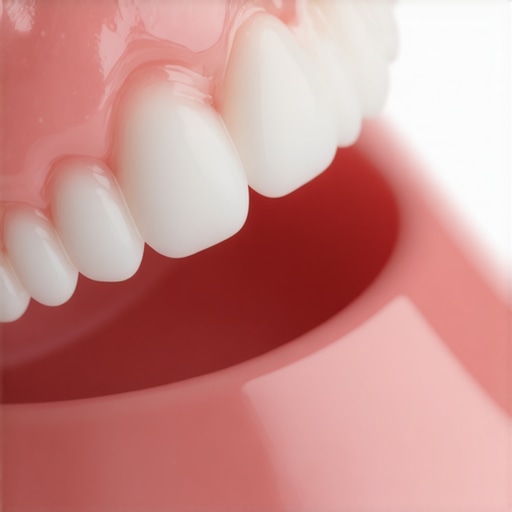
Many people believe that opting for cosmetic dentistry procedures like crowns or veneers is a straightforward decision—simply choose the most attractive option, and you’re done. However, beneath the surface, there are nuanced pitfalls and myths that can lead to suboptimal results. One prevalent misconception is the idea that all crowns are created equal, which couldn’t be further from the truth. In reality, different materials and craftsmanship can drastically influence the longevity and natural appearance of your restorations. For instance, while porcelain-fused-to-metal crowns are durable, they may not blend seamlessly with your natural teeth, leading to a greyish hue at the gum line. For a truly natural look, full ceramic crowns are often the better choice, especially with advances in zirconia technology.
Another common trap is believing that all dentists have the same level of expertise in cosmetic procedures. The truth is, some practitioners specialize or have advanced training in aesthetic dentistry, while others focus primarily on general care. This distinction matters because cosmetic results depend heavily on the skill and artistic eye of the dentist. Failing to do due diligence—such as reviewing before-and-after photos or seeking recommendations—can result in a smile that looks unnaturally perfect or mismatched. Check out this resource on cosmetic dentistry innovations to understand what to look for.
Beyond ads promising instant fixes, many overlook the importance of comprehensive planning in cosmetic treatments. For example, restoring a damaged tooth with a crown without considering the overall bite can lead to uneven wear or discomfort over time. It’s vital to address underlying issues and ensure harmony between your new restoration and existing teeth. Overlooking this nuance can cause long-term problems, including TMJ disorders or accelerated wear on adjacent teeth. As I always advise—consult with a specialist who understands the full scope of aesthetic and functional harmony in dental restorations.
What Advanced Factors May Influence Your Restoration’s Success?
One often-overlooked aspect is the preparation of your tooth surface. Precise tooth prep is essential for proper crown fit and longevity; sloppy or excessive removal can compromise strength or aesthetic outcomes. Recent studies show that minimally invasive preparations preserve more tooth structure, reducing the risk of future problems (more on restoring with crowns). Don’t fall into the trap of accepting a poorly fitted crown because you weren’t informed about the importance of proper preparation. Engage with your dentist about their technique and experience to avoid this common pitfall.
Similarly, misunderstandings about the durability of newer materials can lead patients to expect unrealistic outcomes. For example, some believe that veneers are impervious to damage, but they can chip or crack under undue stress or poor oral habits. Educate yourself about the limitations of each restoration type to make informed decisions. Remember, even the most advanced materials need professional handling and patient awareness to last decades.
Finally, a vital but often ignored aspect is the importance of ongoing maintenance. Regular professional cleanings, good oral hygiene, and avoiding harmful habits like teeth grinding are crucial for preserving your investment. Neglecting these factors can cause restorations to fail prematurely, no matter how high-quality they are.
In summary, understanding the nuances of cosmetic and restorative dentistry is essential for achieving the best long-term results. Don’t be swayed by myths or superficial promises. Instead, seek comprehensive, expert guidance—like consulting a trusted dental professional—to ensure that your smile remains both beautiful and healthy for years to come. Have you ever fallen into this trap? Let me know in the comments.
Investing in the Right Equipment Matters
A key component of maintaining your smile after cosmetic procedures or restorative work is having the *right tools* at your disposal. I personally vouch for the *Waterpik Water Flosser*, which has revolutionized my daily flossing routine. Its pulsating water jets effortlessly remove plaque and debris from between teeth and along the gum line, reaching areas that traditional floss might miss. Regular use of this device has significantly reduced gum irritation and bleeding in my experience, especially around crowns or veneers where plaque accumulation can be problematic.
For maintaining the health of your implants and natural teeth, I recommend using **electric toothbrushes with timers and pressure sensors**, such as the *Oral-B Genius X*. The built-in timing ensures you brush for the recommended two minutes, while the pressure sensors prevent excessive force that could damage gums or restorations. My own switch to this brush improved my brushing technique, and I noticed a marked decrease in gum recession and sensitivity over time. Adopting advanced tools like these aligns with the trajectory of modern dentistry, which emphasizes patient-involved maintenance and prevention.
Modern Software for Tracking Your Progress
Beyond physical tools, digital health tracking apps can aid in overall oral care. I’ve found *Dental Monitoring* particularly useful—it allows you to take weekly photos of your teeth, which a professional monitors remotely. This proactive approach helps catch issues like early signs of decay or gum disease before they escalate. Embracing technology not only empowers you but also extends the lifespan of your restorations by catching trouble early. The future of dentistry is clearly headed toward integrating these smart solutions, making long-term maintenance more manageable and less invasive.
Scheduled Professional Checkups Keep You on Track
Maintaining a relationship with your dentist for routine checkups—every six months or as advised—is crucial. During these visits, tools like intraoral cameras and digital X-rays provide detailed insights that enable early intervention. In my experience, regular assessments with high-tech diagnostics have prevented minor issues from turning into major treatments. Remember, ongoing care is about prevention and catching problems early, which saves you time, money, and discomfort down the line.
Thinking About Scaling Your Dental Care?
If you’re considering expanding your efforts for better long-term results, exploring options like *professional fluoride treatments*, *sealants*, or *custom night guards* might be prudent. These interventions protect against daily wear, grinding, and decay that can compromise your investments in cosmetic or restorative dentistry. For personalized recommendations, consult a family dentist who specializes in comprehensive care. You can find experienced professionals who utilize the latest tools by reaching out through this contact page.
How do I Maintain My Dental Tools and Tech Over Time?
To ensure your equipment continues to serve you well, follow proper cleaning protocols. For example, regularly descale your water flosser as per the manufacturer’s instructions—Mineral buildup can hamper performance. Cleaning your electric toothbrush head every three months with warm, soapy water keeps bacteria at bay. Additionally, keep software on your monitoring apps updated to benefit from the latest features and security patches. Regular maintenance ensures your tools remain effective and reliable, aligning with the trend of precision-driven dental care.
Looking ahead, I predict that dental tech will become even smarter, possibly integrating AI to personalize maintenance routines further. By embracing these advances now—like using a high-quality water flosser or digital tracking—you set a strong foundation for long-term oral health. So, I encourage you to try incorporating one of these advanced tools into your routine today, and experience how modern technology can keep your smile in top shape for years to come.
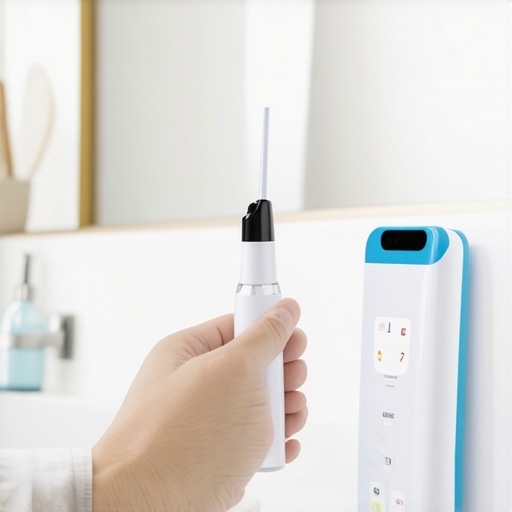
Illustration of a person using a water flosser and digital monitoring app for optimal dental maintenance. Alt text: Person using water flosser and smartphone app in bathroom. Title: Modern Tools for Dental Care and Maintenance.
,
Throughout this journey into the world of cosmetic dentistry and modern restorations, I’ve learned that true transformation goes beyond just a beautiful smile; it’s about understanding the nuances that set exceptional dental care apart. These insights have reshaped my perspective, revealing that patience, expertise, and personalized attention are the secrets to lasting results.
The Deepest Lessons from My Dental Experience
- Patience is a Virtue: Rushing into treatments or settling for subpar solutions often leads to dissatisfaction. Taking the time to choose the right materials, techniques, and professionals makes all the difference in the longevity and natural look of restorations.
- Education Empowers You: Knowing the ins and outs of procedures, from digital scans to material choices, transforms your role from passive patient to active partner. The more you learn, the better decisions you make for your oral health.
- Personalized Care Wins: Every smile is unique, and so should be your treatment plan. Listening to your concerns and preferences ensures that your results not only look great but also feel right for your lifestyle.
- Technology is a Game-Changer: From intraoral scanners to digital treatment planning, embracing new tech accelerates results and enhances precision—cutting down appointments and improving fit.
- Long-Term Maintenance Matters: Investing in quality tools like water flossers and regular check-ups keeps your smile vibrant. A renewed focus on prevention prevents future issues and maximizes your restorative investments.
Tools and Knowledge That Changed My Approach
- Child-friendly dental care tips: Emphasizing gentle, education-focused visits sets the foundation for lifelong health. Trust and comfort are key for all ages.
- Latest cosmetic dentistry trends: Staying updated with innovations like zirconia crowns and digital smile design allows for more natural and durable results.
- Gum health maintenance: Advanced tools and proper technique safeguard against common pitfalls and enhance the longevity of your restorations.
- Choosing the right restoration: Recognizing material differences empowers you to opt for solutions that balance aesthetics and strength tailored to your needs.
Let Your Smile Be a Testament to Your Journey
Embarking on cosmetic or restorative dental work is a commitment to self-confidence and health. Every step, from understanding the importance of digital scans to selecting suitable materials, contributes to a result that resonates with your personality and lifestyle. Remember, your smile isn’t just about appearances; it’s a daily reflection of your well-being and vitality. So, if you’ve ever hesitated about upgrading your dental care, I encourage you to embrace the smart, personalized approach that modern dentistry offers. It’s never too late to invest in a smile that truly represents your best self.
What’s been your most surprising discovery in dental care? Share your story below—I love hearing about your experiences and questions!