I was sitting on my porch, nursing a bowl of triple-chocolate-chunk ice cream, when it happened. A bolt of lightning shot from my lower left molar straight into my brain. I froze, spoon mid-air, praying it was just a passing ‘brain freeze’ for my tooth. But it wasn’t. I spent the next three days playing a dangerous game of ‘Is it a cavity or just cold?’ because I was terrified of a surprise bill. I had convinced myself it was just ‘seasonal sensitivity’—spoiler: that isn’t a real thing—and I almost paid the price for it. If you have ever stood in front of your bathroom mirror poking at your gums with a toothpick, this is for you.
Stop Guessing and Start Listening to Your Molar
You’re probably here because you just felt that familiar, unwanted jolt. Maybe it was a sip of hot coffee or a bite of a cold apple. Now, you’re standing in front of your bathroom mirror, wondering if this is a ‘wait and see’ situation or a ‘call the dentist right now’ crisis. I’ve been in that exact spot, and honestly, I wasted way too much time hoping the pain would just evaporate. Today, we are going to draw a clear line in the sand. We’ll look at the specific sensations that signal a cavity—which is actual structural damage—versus general sensitivity, which is often about exposed nerves or thinning enamel. It is crucial to understand why you experience a sharp zap when eating sweets versus reacting to temperature. According to the Centers for Disease Control and Prevention, about 26% of adults in the United States have untreated tooth decay, often because they misdiagnose their own discomfort. I don’t want you to be part of that statistic.
Is This Pain Actually Worth the Panic?
It’s easy to be skeptical. You might think, ‘Maybe it’s just the weather,’ or remember reading about why your teeth feel sensitive to cold air during winter. But there is a massive difference between a tooth that is temporarily annoyed and one that is actively decaying. Sensitivity usually hits all your teeth or a whole section, while a cavity is a targeted, localized strike. If the pain feels like it has its own heartbeat, you aren’t just sensitive; you’re dealing with an infection. Have you ever tried to ‘tough out’ a toothache only to have it wake you up at 3 AM?
The Expensive Mistake I Made Before My Last Checkup
Let’s talk about my biggest blunder. I had a nagging ache, but since it didn’t hurt every single time I ate, I figured I was fine. I didn’t realize that the real cost of delaying a necessary dental crown or filling isn’t just the money—it’s the extra time in the chair and the risk of a root canal. By the time I finally went to a family dentistry practice, what could have been a tiny patch-up had turned into a major restoration. I ignored the signs because I didn’t know the difference between a fleeting zing and a permanent problem. We’re going to make sure you don’t make that same mistake by breaking down the physical triggers you can test at home right now.To get a real answer about your tooth pain, grab a glass of ice water and a cotton swab. This isn’t high-tech, but it is incredibly effective for home triage. Soak the swab and press it directly against the tooth you suspect is the culprit. If the sharp zing disappears the moment you pull the swab away, you are likely looking at simple sensitivity. However, if that pain lingers for more than ten seconds—or worse, starts to throb—you are likely dealing with an internal infection or a deep cavity. This happened to me last November; I did the ice test, and the pain stayed with me through an entire commercial break. That was my wake-up call. It is often helpful to understand the difference between a stained tooth and a dead nerve before you panic, but lingering pain is a universal red flag that the structural integrity of your tooth is compromised.
Run Your Tongue Across the Surface
Your tongue is more sensitive than your fingertips and can detect microscopic changes in texture. Run it slowly over the area where you feel the discomfort. Does it feel like there is a tiny pothole, a snag, or a jagged edge? Sometimes a cavity manifests as a physical dip or a ‘catch’ that your tongue will notice before your eyes do. If you feel a definite indentation, you might have already lost enough enamel that a simple filling won’t cut it. This is where dental crowns explained as a protective ‘helmet’ for your tooth makes the most sense. A crown essentially caps the tooth to prevent further cracking and seals the nerve away from bacteria. 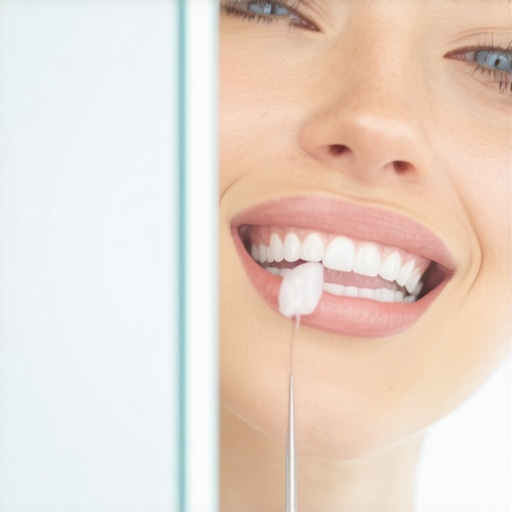
Why You Can’t Wait Once the Throb Starts
When you finally make an appointment, don’t just ask for a quick patch. Ask for a comprehensive evaluation of your bite. A high-quality family dentistry practice will look at whether you are grinding your teeth, which effectively sandpapers your own enamel away, making cavities significantly easier to form. I once thought my molar was dying, but it turned out I was clenching my jaw so hard at night that I was bruising the ligament. If you have kids, caring for your childs teeth involves these same observations—watch if they avoid chewing on one side or if they complain only after eating sugary snacks.
Stop the Decay Before it Hits Your Wallet
The math of dental care is simple but brutal. A small filling is a fraction of the price of a root canal and a porcelain cap. I learned the hard way that the real cost of delaying a necessary dental crown includes the mental stress of wondering if today is the day the tooth finally splits in half while eating dinner. If your tooth has changed color or shows a dark spot, you need to act immediately. You might be weighing dental crowns vs. other restorations, but the best restoration is the one you get before the decay reaches the pulp. Small interventions today prevent invasive surgeries tomorrow.Let’s push past the basic brush twice a day advice and talk about what’s actually happening behind the scenes of a high-end dental practice. One of the biggest myths I used to believe was that cosmetic dentistry was purely about vanity—expensive teeth-whitening or perfectly straight veneers just for the ‘gram. But here is the nuance most people miss: top cosmetic dentistry trends for 2025 are shifting toward functional aesthetics. This means that a cosmetic fix, like bonding or a veneer, is often the only thing preventing the real reason your front teeth are wearing down—which is usually an improper bite that’s slowly grinding your enamel into dust. If you only treat the decay but ignore the mechanical cause, you’re just putting a band-aid on a sinking ship. In fact, a study published in the Journal of Prosthodontic Research highlights that nearly 40% of restoration failures are due to occlusal (bite) disharmony rather than the material of the crown itself.
Stop Thinking of Cosmetic Work as Just a Vanity Project
When you look at the role of family dentistry in ensuring oral health for all ages, it isn’t just about cleaning kids’ teeth. It’s about spotting the subtle oops factor early. My oops was assuming my crown would solve everything. I didn’t realize that a poorly fitted crown can actually throw your entire jaw out of alignment. Have you ever noticed why your crown feels tight when you wake up? That isn’t just a random sensation; it’s a sign that you might be clenching or that the occlusion—the way your teeth meet—is off by a fraction of a millimeter. This is the difference between a crown that lasts twenty years and one that snaps in five. #IMAGE_PLACE_HOLDER_C#
Why Does My New Restoration Feel Like a Mountain?
If you feel like your new filling or crown is higher than your other teeth, don’t just get used to it. An advanced mistake is ignoring that slight elevation, thinking your mouth will adapt. It won’t. Your brain can detect a hair-width difference in your bite, and that extra pressure can cause the nerve underneath to become inflamed, leading to a mystery toothache that no amount of Ibuprofen will fix. You might even notice why your gum line looks dark around an old crown over time—this is often a sign of the margin failing or the underlying tooth structure changing due to excessive force. Have you ever fallen into this trap where you ignored a minor discomfort only for it to become a massive headache? Let me know in the comments below, because these nuances are where the real money is saved or lost.
Once you’ve invested in a major repair, the game changes from ‘prevention’ to ‘preservation.’ I used to think that getting a crown was the finish line, but it’s actually just the start of a different maintenance schedule. If you want to avoid the trauma of a failing restoration, you have to upgrade your toolkit. For me, that meant moving beyond the $2 manual brush and finally investing in a high-quality electric toothbrush with a pressure sensor. Why? Because over-brushing is a silent killer of cosmetic work. If you scrub too hard, you’re not just cleaning; you’re literally wearing away the margins where your natural tooth meets the porcelain.
The One Gadget That Saved My Second Crown
If you have any kind of bridge or crown work, a standard string of floss isn’t going to cut it anymore. I personally switched to a high-pressure water flosser because it reaches the microscopic gaps that a piece of wax string simply misses. This is especially vital when learning the best routine for cleaning under a dental bridge, where bacteria love to throw a party in the shadows. I also keep a stash of interdental brushes—those tiny little ‘pipe cleaner’ looking things—for the spaces between my molars. They are far more effective at removing biofilm than anything else I’ve tried. According to Dr. Gordon Christensen, a leading researcher in restorative dentistry, the longevity of dental restorations is significantly extended when patients use mechanical aids that specifically target the gingival margins.
How do I maintain my dental work over time?
Maintenance is a three-pronged attack: physical cleaning, mechanical protection, and professional monitoring. First, you need to acknowledge the risks of skipping your night guard for just one week. If you are a grinder like me, your expensive new smile is essentially a ticking time bomb without a protective barrier. I’ve seen people snap a porcelain veneer in a single night of stressful dreaming. Second, you have to be realistic about the truth about the lifespan of composite vs porcelain veneers; they aren’t indestructible. Avoid ‘shocks’ to the teeth, like biting into ice or using your teeth to open plastic packaging.
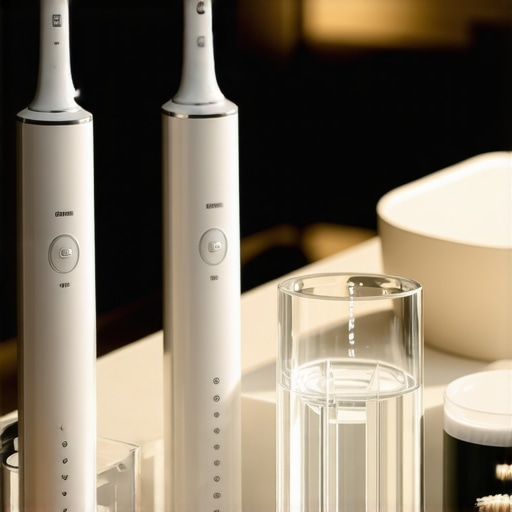
Finally, consistency in caring for your childs teeth and your own means showing up for those boring six-month cleanings. These appointments aren’t just for scraping off tartar; they are for your dentist to check if the seal on your crown is still intact. If they catch a tiny leak early, they can save the whole tooth. If you wait until it hurts, you’re usually looking at a total replacement.
What Dental Care Will Look Like in 2030
I predict we are moving toward a world of ‘proactive diagnostics.’ We are already seeing top cosmetic dentistry trends for 2025 leaning heavily into digital mapping. Soon, your home toothbrush might even have sensors that detect chemical changes in your saliva to warn you of a cavity before it’s even visible. This is why why your culpeper dentist might need a 3d scan to find hidden tooth pain—it’s about seeing through the tooth, not just looking at the surface. My advice? Try the ‘ice water test’ I mentioned earlier today on that one tooth that’s been bothering you, and if it fails, don’t wait. Call your office and ask specifically for a high-res scan instead of just a traditional X-ray to see what’s happening under the hood.
What I Only Realized After My Third Dental Restoration
Looking back at my dental journey, I’ve had a few lightbulb moments that I wish someone had shared with me before I spent thousands on repairs. First, tooth pain is rarely linear; it doesn’t just get slightly worse every day. It often hides for weeks and then strikes with a vengeance the moment you’re on vacation or at a Sunday dinner. Secondly, I learned that a good family dentistry practice is your best financial advisor. They aren’t just looking for holes; they are looking for the structural shifts that cause those holes in the first place. Finally, I realized that my anxiety about the bill was actually what made the bill so high. By the time I stopped Googling and actually made an appointment, I had moved from a simple filling to needing dental crowns explained by a specialist because the decay had compromised the entire tooth structure. If you feel a zing, that is your body’s only way of shouting for help before the bill doubles.
The Survival Kit for Your Teeth
If you want to stay out of the chair for everything but cleanings, you need a specific set of tools. I personally trust a high-pressure water flosser because it is the only thing that effectively manages the best routine for cleaning under a dental bridge or crown. I also never travel without my custom night guard now, because I finally understood the risks of skipping your night guard for just one week and how that pressure mimics the pain of a cavity. Lastly, find a provider who uses modern tech; knowing why your culpeper dentist might need a 3d scan to find hidden tooth pain changed how I view diagnostics. It’s not an upsell; it’s a way to see a problem while it’s still a cheap fix rather than an expensive emergency.
Don’t Let a Tiny Zing Become a Big Regret
Taking care of your teeth isn’t just about hygiene; it’s about protecting your quality of life and your confidence. Whether you are looking into family dentistry for your kids or exploring expert cosmetic dentistry solutions for yourself, the best time to act is always today. Don’t wait for the throb to keep you awake at night. If you’re ready to stop guessing and start healing, it’s time to contact us and get a professional opinion. Your future self—and your bank account—will thank you for being proactive with your oral health. Have you ever tried to tough out a toothache only to have it turn into a major dental project later? Let me know your experience in the comments below!