I’ll never forget the night I stood over my toddler’s bed, listening to him struggle. It wasn’t a cough or a sniffle. It was this dry, heavy rasping sound—his mouth was wide open, and his little chest was working way too hard. For months, I told myself it was just seasonal allergies or a lingering cold from daycare. I even joked with my husband that he sounded like a tiny, congested lumberjack. But then I noticed his morning breath was becoming unbearable, and he always seemed exhausted, no matter how early he went to bed. I made the classic mistake of waiting it out, assuming he’d “just grow out of it.” It turns out, that delay was the worst thing I could have done for his developing jaw.
The Midnight Freight Train in the Nursery
When we talk about caring for your child’s teeth, we usually focus on sugar and brushing. But the way they breathe while they sleep is just as critical. Mouth breathing isn’t just a noisy habit; it’s often a sign that something is blocking the airway, like enlarged tonsils or adenoids. If left unchecked, it can actually change the physical structure of a child’s face, leading to what dentists call “adenoid facies”—a long, narrow face and a recessed jaw. According to a study published by the Journal of International Oral Health, chronic mouth breathing can lead to significant craniofacial changes and even malocclusion. This is why child-friendly dental care is about more than just checking for cavities; it’s about monitoring how the whole mouth and airway work together.
Is This Actually Worth the Hype?
You might be thinking, “It’s just breathing, right?” I was skeptical too. I thought people were overcomplicating things. But once I saw how it affected my son’s focus at school and his dental alignment, I realized it was the root of so many other issues. If you’ve noticed your child’s mouth smells bad even after brushing, or if they wake up with lips that look dry and cracked, you’re likely seeing the first signs. I’ve been there, feeling the guilt of missing the cues, but the good news is that catching it early makes a world of difference. Sometimes, the solution is as simple as a palate expander to help open up those nasal passages. Have you ever caught yourself watching your child sleep and wondering why their mouth is always open? Drop a comment or reach out—I’d love to hear if you’re seeing these same red flags.
Stop Looking at Teeth and Start Looking at the Tongue
Think of your child’s mouth like a busy highway. When they breathe through their nose, the tongue sits naturally on the roof of the mouth, acting like a structural mold that keeps the upper jaw wide and horseshoe-shaped. But the moment they start mouth breathing, the tongue drops to the floor of the mouth. Without that internal support, the jaw begins to collapse inward. I realized this during a follow-up visit when our dentist pointed out that my son’s ‘V-shaped’ arch was literally a physical response to his body gasping for air. This is where family dentistry transitions from simple cleanings to structural engineering.
Run the 2-Minute Lip Test
The easiest way to tell if you need a professional opinion is the ‘Lip Test.’ Watch your child while they are distracted by a screen or a book. If their lips are naturally parted by more than a few millimeters, they are likely bypassing their nasal filters. This bypass leads to dry mouth, which is a playground for bacteria. If you’ve wondered why your child’s mouth smells bad even after brushing, it’s often because their saliva—the mouth’s natural cleaning agent—is being dried up by constant airflow.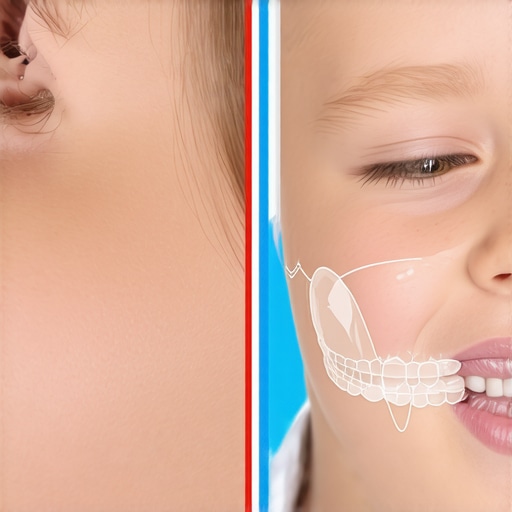
How to Reclaim the Airway
Once we identified the blockage, we had to act fast to prevent permanent changes to his facial profile. We started with a comprehensive evaluation that felt less like a standard check-up and more like a strategy session for his future development.
The Palate Expander Advantage
Many parents assume braces are the only way to fix a smile, but knowing if your child needs a palate expander is actually the key to avoiding more invasive procedures later. Think of an expander as ‘widening the road’ rather than just ‘straightening the cars.’ It gently pushes the two halves of the upper jaw apart, which not only makes room for teeth but also physically opens the floor of the nose. I remember the night we did the first turn on my son’s expander; it felt like a tiny victory. Within a week, the ‘freight train’ snoring stopped, and he woke up without those dark circles under his eyes.
Coordinate with a Proactive Dental Team
You need a team that understands the intersection of family dentistry and airway health. We weren’t just looking for a quick fix like dental crowns, which are great for repairing damage, but rather a way to prevent the damage from starting. If your child’s jaw isn’t growing correctly, their adult teeth will have nowhere to go, leading to massive overcrowding. When we finally got the expander in, it was messy—there was a lot of drool and a few days of complaining about ‘tightness’—but seeing him finally breathe through his nose while sleeping was the most relieved I’ve felt in years. If you’re seeing these signs, don’t wait for the ‘perfect’ age; the best time to intervene is the moment you notice the mouth hanging open.
I used to think that the term ‘cosmetic’ was just code for ‘expensive and unnecessary.’ I assumed that unless a tooth was literally falling out of my head, I didn’t need to worry about anything beyond a standard cleaning. But my experience with my son’s airway issues taught me a hard lesson: in the world of family dentistry, form always follows function. If a tooth is shaped incorrectly or a jaw is too narrow, it’s not just a ‘look’ problem; it’s a health crisis waiting to happen. We often treat expert cosmetic dentistry solutions as a luxury for the rich, but for many, it’s the only way to restore a bite that has been functionally compromised for years.
Stop Thinking of Crowns as Just a Shiny Cap
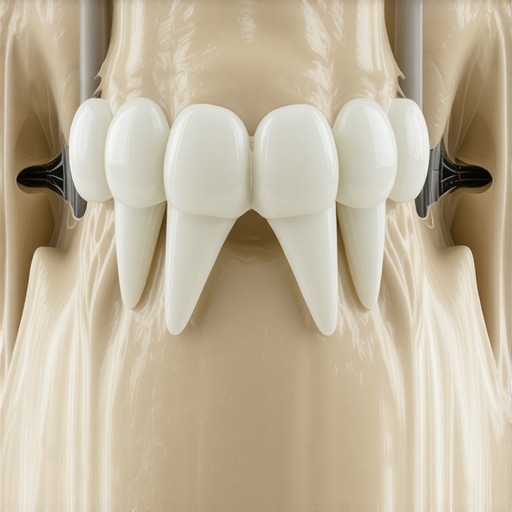
One of the biggest myths I encountered is that crowns are purely for ‘fixing’ a broken tooth. Many parents—and even some adults—believe that if a tooth doesn’t ache, it’s fine. This is a dangerous trap. I’ve seen friends ignore a recommendation for a restoration because they didn’t see the ‘point’ of spending money on a back tooth. However, the real cost of delaying a necessary dental crown isn’t just the eventual root canal; it’s the fact that your entire bite shifts to compensate for that one weak link. When you lose the structural integrity of one tooth, the neighboring teeth start to tilt, leading to a domino effect of misalignment. In my son’s case, we learned that every millimetre of space in the mouth is a battlefield for his future breathing and speech.
Why does my gum line look dark around an old crown?
This is a question that pops up constantly once people move past basic check-ups. Many assume it’s a sign of decay or that the dentist ‘did a bad job.’ In reality, older crowns often used a metal substructure that can become visible as gums naturally recede with age. Understanding why your gum line looks dark around an old crown is essential for long-term maintenance. Modern cosmetic dentistry trends for 2025 have moved toward all-ceramic materials that eliminate this ‘grey line’ entirely, but the nuance here is that the dark line might also indicate a lack of proper hygiene or a biological width violation. According to a study in the Journal of Prosthetic Dentistry, the marginal fit and the material used significantly impact the long-term health of the surrounding gum tissue. It’s not just about the tooth; it’s about how that tooth interacts with your body’s living tissue.
The Trap of Choosing Speed Over Structure
The most common mistake I see—and one I almost made—is opting for the quickest ‘fix’ possible. We live in a world of ‘instant smiles,’ but when you are comparing dental crowns vs other restorations, speed should be your last priority. A ‘quick’ veneer might hide a crooked tooth, but it won’t fix the underlying jaw narrowness that causes mouth breathing. If you just mask the problem with porcelain, you’re essentially putting a fresh coat of paint on a house with a cracked foundation. I’ve learned to ask my dentist: ‘Is this fixing the look, or is it fixing the way I live?’ Have you ever fallen into the trap of choosing the cheapest or fastest dental option only to regret it later? Let me know in the comments, because I’m starting to think ‘slow and steady’ is the only way to handle our oral health.
We often treat the dental chair like a repair shop—you go in when something breaks and leave once it’s patched. But the real magic of modern family dentistry happens in the maintenance phase, long after the initial procedure. I used to be terrible at this. I’d get a professional cleaning and then treat my floss like an optional decoration for months. That changed when I saw the high-resolution 3D scans of my own mouth. If you’ve ever wondered why your dentist might need a 3D scan, it’s because they can see micro-shifts in your bite or thinning enamel long before you feel a single pang of pain.
Stop Guessing and Start Measuring
I’ve become personally obsessed with the Waterpik Aquarius for my evening routine. Why? Because manual flossing around dental crowns is like trying to sweep a tight corner with a straight broom—you just cannot reach the ‘biological width’ where bacteria love to hide. I also swear by Curaprox ultra-soft brushes. Most people scrub their teeth like they’re cleaning a rusty grill, but you actually need to gently massage the gum line to prevent the recession that ruins cosmetic work. This is especially true for children. If you notice why your child’s permanent teeth look yellow compared to their baby teeth, don’t rush for whitening strips. That yellow is actually the thick, healthy dentin showing through. Over-brushing with abrasive pastes at that age will just wear down that vital protective layer before they even hit high school.
The Nightmare of Skipping Your Night Guard
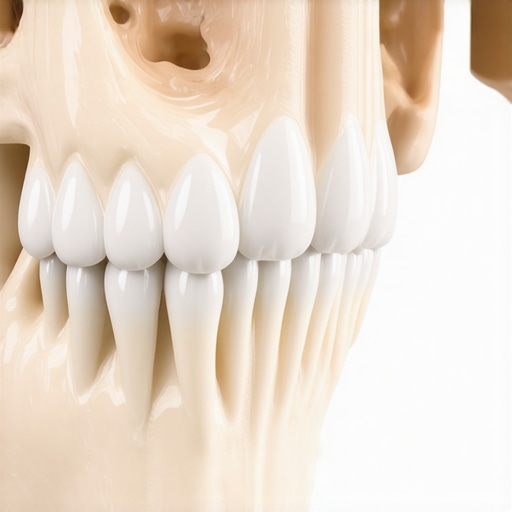
If you’ve invested in expert cosmetic dentistry solutions, a custom night guard isn’t a suggestion; it’s a mandatory insurance policy. I once skipped mine for a week during a high-stress cross-country move, and I could feel my jaw clicking by Friday. The risks of skipping your night guard go beyond just morning muscle soreness—you can actually micro-fracture the porcelain on a brand-new crown. Dr. Bill Robbins, a renowned expert and pioneer in ‘Global Diagnosis,’ argues that we must look at the ‘four core’ elements of every patient: esthetics, function, structure, and biology. If you ignore the function—how your jaw moves and grinds at night—the esthetics of your beautiful smile will eventually fail, regardless of how much you paid for it.
How do I keep my dental work looking new for a decade?
The secret is actually managing the ‘pH balance’ of your mouth. I started using a xylitol-based spray immediately after meals when I’m on the go and can’t brush. It neutralizes the acids that eat away at the margins of your restorations. As we look toward top cosmetic dentistry trends for 2025, we’re seeing a massive shift toward ‘biomimetic’ materials—fillings and crowns that actually expand and contract at the same rate as real teeth. This technology is a game-changer because it means less cracking and far fewer replacements over a lifetime. If you want to truly scale your results, start tracking your sleep quality alongside your essential family dentistry tips. A healthy airway leads to less mouth-drying and less nighttime grinding. Try this today: swap your standard mouthwash for a pH-neutralizing rinse and see how much ‘fuzzier’ your teeth *don’t* feel by the end of the afternoon.
The Hardest Lessons I Learned About Early Intervention
One thing nobody tells you is that a child’s mouth is a blueprint for their entire respiratory health. I spent years thinking a V-shaped jaw was just a genetic quirk, not realizing it was a silent alarm. Here is the insider wisdom I wish I had known before the freight train snoring started:
- Functional structure beats aesthetic every time. When we look at top cosmetic dentistry trends for 2025, the focus has shifted. It is no longer just about whiter teeth; it is about restoring the natural architecture of the face so breathing becomes effortless.
- Delay is the most expensive decision you can make. I learned the hard way that the real cost of delaying a necessary dental crown or a palate expander isn’t just financial—it is the lost time where bone and tissue were still pliable enough to change without surgery.
- Soft tissues tell the biggest stories. If the gums are swollen or the breath is off, your child’s body is trying to communicate a blockage. Proactive child-friendly dental care acts as a translator for those subtle signals before they become permanent problems.
My Daily Lineup for a Resilient Smile
Maintaining long-term results requires more than just hope. These are the specific tools and habits I trust to keep my family’s dental health on track:
- The pH Neutralizer Strategy: I use xylitol sprays religiously after snacks. They stop acid attacks in their tracks, which is vital if you notice your gum line looks dark around an old crown or restoration.
- Gentle Precision Brushes: I have switched the whole family to ultra-soft brushes and a massaging technique. It is the only way to prevent gums from receding even with a soft toothbrush.
- Airway-Focused Evaluations: Do not settle for a dentist who only looks for cavities. Seek out providers who understand the role of family dentistry in ensuring oral health across all developmental stages, specifically focusing on how the jaw supports the airway.
Build a Future Where They Breathe Easy
Taking that first step toward correcting a narrow jaw or a misaligned bite can feel overwhelming, but it is the greatest gift you can give your child. When we prioritize family dentistry that looks at the whole person—airway, bones, and teeth—we are not just fixing smiles; we are improving quality of life. Don’t be afraid to ask for that 3D scan or to question why a tooth is wearing down prematurely. You are your child’s best advocate for a lifetime of healthy breathing and a confident, functional smile. Have you ever noticed your child struggling with heavy snoring or keeping their mouth open while they watch TV? Let me know in the comments below.