I’ll never forget the morning I finally had enough. I’d just finished my morning routine, used a premium minty rinse, and yet, while sitting in traffic, my teeth felt like they were wearing tiny wool sweaters. It was gross. I was doing everything ‘right,’ or so I thought. I was even looking into cosmetic dentistry trends because I thought my enamel was just naturally ‘grabby.’ It turns out, my DIY dental obsession was actually the culprit. If you’ve ever felt like your mouth is a magnet for fuzz even seconds after a deep clean, you aren’t alone, and you aren’t crazy. Today, I’m going to show you exactly why that mouthwash might be betraying you and how to reclaim that slippery-smooth feeling we all crave.
That Tacky Film Is Not Just in Your Head
One of the biggest mistakes I made early on was assuming that the ‘burn’ of mouthwash meant it was working harder. I would gargle until my eyes watered, thinking I was nuking every germ in sight. But here’s the kicker: I was actually stripping away my mouth’s natural defenses. When your mouth gets too dry, your saliva—which is basically a magic lubricant—can’t do its job. Instead of a slick surface, you get a sticky one. You might even notice your teeth feel fuzzy even after you brush them, which is a classic sign that your oral ecosystem is out of whack. According to the Mayo Clinic, many alcohol-based mouthwashes can cause xerostomia (dry mouth), which directly leads to that tacky, uncomfortable sensation because there isn’t enough saliva to wash away residual proteins and food particles.
Is mouthwash actually making the problem worse?
It’s a fair question. We’ve been told since we were kids that rinsing is the final ‘seal’ on a clean mouth. But I found out the hard way that if you stop rinsing your mouth immediately after you finish brushing, you actually allow the fluoride in your toothpaste to do its job. By rushing to the mouthwash, I was washing away the good stuff and replacing it with a drying agent. I’ve spent years obsessing over family dentistry tips to keep my kids’ smiles bright, yet I was failing at the basics myself. Have you ever felt like your expensive dental routine is actually backfiring on you? It’s a total head-scratcher until you see the science behind it. We want that ‘just-left-the-dentist’ smooth, not the ‘I-just-ate-a-spoonful-of-paste’ sticky. Let’s look at what’s really going on behind the scenes of your bathroom sink.
Practical Steps to Eliminate Oral Stickiness
The shift from a ‘clean’ burn to a ‘sticky’ film usually happens because of chemistry, not a lack of effort. If you want that slippery-smooth feeling back, you have to change how and when you use your tools.
Ditch the Immediate Rinse to Save Your Enamel
Think of your toothpaste like a high-end wax finish on a classic car. If you hit it with a high-pressure hose immediately after applying it, you are just flushing all that protection into the gutter. This is precisely what happens when you gargle mouthwash the second you put your toothbrush down. The fluoride and minerals in your paste need time to bond with your enamel to create that glass-smooth surface. I used to be a serial rinser, but once I forced myself to wait thirty minutes, that mid-day fuzz almost entirely vanished. It is also worth noting that no amount of rinsing can compensate for a worn-out tool; if your bristles are splayed, you are not actually cleaning. You might want to read up on the truth about how often you should replace your toothbrush head to make sure you are starting with a clean slate.
Switch to Alcohol-Free Alternatives
Alcohol is a powerful desiccant. While it is great for sterilizing equipment, it is a disaster for the delicate ecosystem of your mouth. I will never forget prepping for my first big presentation at work; I used a professional strength alcohol rinse to ensure my breath was perfect. By the time I reached the podium, my mouth felt like I had been chewing on a stack of dry napkins. I was literally peeling my tongue off my palate mid-sentence. It was a nightmare. If you find that your mouth feels like sandpaper every morning, your refreshing mouthwash is actually dehydrating your tissues, causing proteins in your saliva to clump together and create that tacky, sticky film. Switch to an alcohol-free version containing xylitol, which actually helps stimulate saliva flow rather than killing it off.
Hydrate to Keep Things Slippery
Your saliva is your mouth’s built-in self-cleaning system. It contains specific enzymes and lubricants designed to keep food and bacteria from sticking to your teeth. When you are even mildly dehydrated, your saliva changes from a watery, cleansing fluid into a thick, mucousy sludge. This ropey saliva is exactly what creates that tacky sensation. Drinking water consistently throughout the day is the most basic yet effective cosmetic fix you can implement. 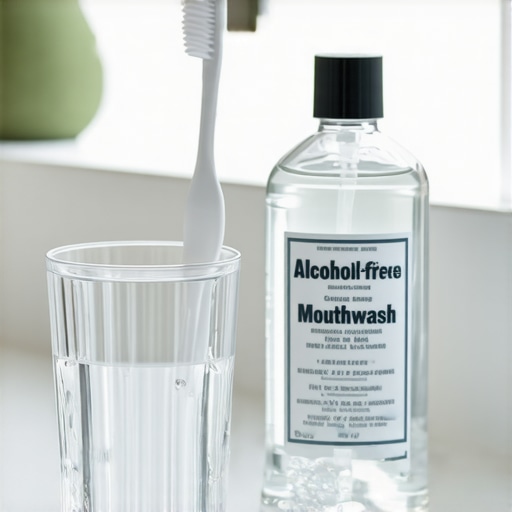 For those looking for more comprehensive advice, a family dentistry guide building a lifetime of healthy smiles can offer deeper insights into how systemic hydration affects oral health across different ages.
Check if Your Old Dental Work Is the Real Problem
If the stickiness isn’t across your whole mouth but seems to catch on specific spots, the issue might be mechanical rather than chemical. Over time, dental restorations can develop micro-textures or marginal gaps that trap biofilm, making your teeth feel fuzzy no matter how much you brush. For instance, dental crowns explained the ultimate solution for damaged teeth as a way to restore smoothness, but if a crown is old or failing, its surface can become grabby. If you suspect your current dental work is the culprit, exploring transform-your-look-with-expert-cosmetic-dentistry-solutions can help you identify if a simple polish or a modern replacement could give you back that slippery-clean feeling you are missing.
The common trap most of us fall into is believing that if a little bit of cleaning is good, a lot of cleaning must be better. We scrub until our gums scream, but in reality, over-polishing can be just as damaging as neglecting your oral health. This is where most people get it wrong: they treat their teeth like a dirty kitchen floor rather than a living biological system. If you have noticed that your teeth feel rough or you see that your gums are receding despite using a soft toothbrush, you are likely part of the ‘over-achiever’ crowd. The friction isn’t just removing plaque; it’s micro-scratching your enamel and restorations, creating tiny valleys where bacteria love to hide and create that persistent tacky film.
And then there is the ‘Oops’ factor. I have seen people try to take matters into their own hands when a restoration fails. Let me be the one to tell you: never, under any circumstances, reach for the industrial adhesives in your junk drawer. There is a massive danger of using super glue to fix a broken crown. Not only is it toxic, but it creates a jagged, uneven surface that will trap more biofilm than you ever thought possible, essentially guaranteeing an infection and a much larger dental bill down the road.
Can the material of my crown actually attract more plaque?
The short answer is yes. While we often focus on hygiene habits, the ‘surface energy’ of the materials in your mouth plays a huge role in how clean they feel. According to a study published in the Journal of Prosthetic Dentistry, the glaze on ceramic restorations can degrade over time due to acidic foods or abrasive toothpastes. Once that smooth factory glaze is gone, the porcelain becomes porous and ‘grabby.’ This is why understanding dental crowns vs other restorations which is right for you is a conversation worth having with a specialist who understands material science. If your crowns feel perpetually fuzzy even after a professional cleaning, it might not be your brushing technique—it might be that the material itself has reached its expiration date and is now a magnet for biofilm.
We also see a lot of confusion within any comprehensive family dentistry guide building a lifetime of healthy smiles regarding ‘perfect’ teeth. People often chase the latest cosmetic dentistry trends without realizing that the health of the underlying tissue is what dictates the literal ‘feel’ of your smile. If you are noticing a strange texture, it could be your body’s way of signaling something deeper. For instance, you should know how to tell if that bump on your gum is an abscess rather than just assuming it’s a food irritation. A sticky feeling combined with a localized bump is a red flag that no amount of alcohol-free mouthwash will fix. Have you ever fallen into this trap of over-cleaning or ignoring a weird texture because you thought your routine was ‘perfect’? Let me know in the comments.
To move past that frustrating tacky feeling and ensure your dental work lasts decades, you have to transition from ‘cleaning’ your teeth to ‘managing’ your oral microbiome. I personally stopped using manual brushes three years ago because I realized I was part of the problem. I switched to an oscillating electric toothbrush with a built-in pressure sensor. Why? Because I was a ‘scrubber.’ I was pressing so hard that I was actually causing the very micro-scratches that allow biofilm to gain a foothold. This tool does the heavy lifting for me, and it is the single best way to prevent the hidden reason your front teeth are wearing down through mechanical abuse.
How do I maintain my dental restorations over the long haul?
The secret to longevity isn’t just about what you do in the morning; it is about the materials you choose and how you treat them. According to the Journal of the American Dental Association (JADA), interdental cleaners like water pulsators are significantly more effective at removing plaque around crown margins than traditional string floss, which can sometimes snag on older restorations. I use a water flosser every night specifically to flush out the ‘dead zones’ around my molar crowns. If you are currently weighing your options, understanding dental crowns vs other restorations which is right for you is essential, as the maintenance for a porcelain-fused-to-metal crown differs slightly from a solid zirconia one.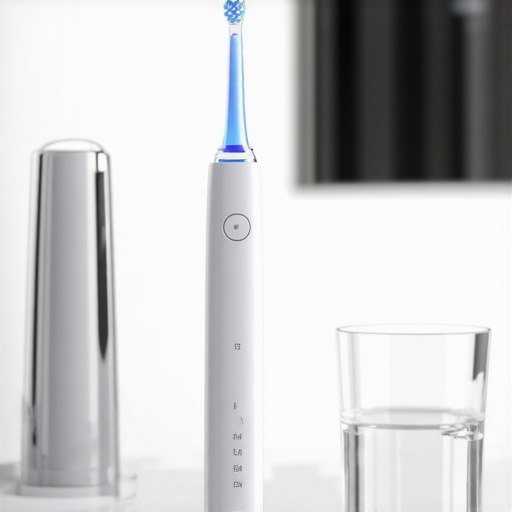
Pick Tools That Do the Thinking for You
I also recommend incorporating a low-abrasive toothpaste. Many ‘whitening’ pastes use gritty silicas that act like sandpaper on cosmetic work. I personally look for a Relative Dentin Abrasivity (RDA) score under 70. This keeps the factory-smooth glaze on your teeth intact, which is the best defense against that fuzzy sensation. For those managing a household, these family dentistry tips can be applied to everyone; getting your kids used to a water flosser early can prevent a lifetime of ‘grabby’ teeth. In my experience, focusing on the role of family dentistry in ensuring oral health for all ages means standardizing these tools across the whole bathroom counter.
The Future of Squeaky-Clean Teeth
Looking ahead, I predict we are moving toward ‘smart’ oral care where our tools will detect specific bacterial strains in real-time. We are already seeing cosmetic dentistry trends that involve bio-active materials that actually ‘heal’ small enamel defects as you sleep. We are nearing a point where the ‘dentist-clean’ feeling won’t be a twice-a-year luxury but a daily reality driven by biotechnology. If you are looking to stay ahead of the curve, keep an eye on cosmetic dentistry innovations to watch, as these will define how we scale our hygiene routines in the next decade. My challenge to you: Go check the RDA score of your toothpaste tonight. If it is high, swap it for a gentle gel for one week and notice how much longer that ‘slippery’ feeling lasts.
The Hardest Lessons I Learned While Chasing the Perfect Smile
Looking back at my years of dental trial and error, the biggest ‘aha’ moment was realizing that my mouth isn’t a kitchen counter; it is a living ecosystem. I spent so much time aggressively scrubbing that I was actually creating micro-abrasions where bacteria could hide. If you find that your gums look a bit off, it is worth investigating why your gums look dark purple instead of healthy pink before you reach for a harsher rinse. I also learned that delaying treatment for a failing tooth can lead to a sticky, bacterial mess that no brush can fix, so do not ignore the real cost of delaying a necessary dental crown. Finally, the most important lesson: stop fighting your saliva. It is your best friend in the quest for that slippery-smooth feeling.
My Personal Essentials for a Glass-Smooth Finish
If you want to replicate that ‘just-cleaned’ feeling at home, you need to be picky about your gear. I have narrowed my routine down to three things that actually work. First, I use a high-quality water flosser every evening. This is non-negotiable, especially for people who need the best routine for cleaning under a dental bridge or around crowns. Second, I only use alcohol-free rinses that contain xylitol to encourage healthy saliva flow. Third, I prioritize child-friendly dental care the foundation of good oral health in my own house, ensuring the whole family uses soft-bristled oscillating brushes that stop us from over-scrubbing. These tools do not just clean; they preserve the factory-smooth glaze on your teeth.
Don’t Let a Temporary Film Steal Your Confidence
Achieving a mouth that feels smooth is not about working harder; it is about working smarter with your body’s natural chemistry. By ditching the drying alcohol and giving your fluoride time to bond, you are setting the stage for long-term health. Whether you are looking into expert cosmetic dentistry solutions or just trying to perfect your daily routine, remember that consistency beats intensity every time. The role of family dentistry in ensuring oral health for all ages is to guide you through these small changes that make a massive difference in how your smile feels day to day. Have you noticed your teeth feel fuzzy specifically after using a certain brand of mouthwash? Let me know your experience in the comments below!