I stood there, staring at my reflection in the bathroom mirror, gagging for the third time that morning. I’d scraped my tongue until it was practically pinker than a summer sunset, yet that metallic, swampy taste lingered stubbornly in the back of my throat. It’s a special kind of social anxiety, isn’t it? That nagging fear that every time you open your mouth, you’re hitting your friends with a wall of yesterday’s lunch. I thought I was doing everything right. I was the guy who carried floss in his glove box and never skipped a professional cleaning. But I was missing the bigger picture, and honestly, I was hurting my mouth more than I was helping it. I want to share exactly what I discovered so you can stop feeling self-conscious and start feeling fresh again.
Stop Scrubbing Your Tongue Raw and Start Looking Elsewhere
For the longest time, I thought the tongue was the only culprit behind bad breath. I made the classic, painful mistake of thinking more pressure meant a cleaner mouth. Spoiler alert: it doesn’t. In fact, I probably irritated my taste buds and caused micro-tears more than I helped my breath. If you’ve ever wondered why your child’s mouth smells bad even after brushing, or your own for that matter, you have to realize that the mouth is a complex ecosystem. Sometimes the smell isn’t even on the surface of the tongue; it’s tucked away in the tonsillar crypts or lurking under old dental work. I once had a crown that was slightly loose, and let me tell you, no amount of scraping could fix that localized funk. If you find yourself in a similar boat with a weird taste near a tooth, you might need to check if you should replace your crown immediately. According to the American Dental Association, nearly 50% of adults suffer from halitosis at some point in their lives, and it is rarely just about a dirty tongue.
Is your current routine actually making things worse?
You might be tempted to reach for the strongest, most alcohol-heavy mouthwash you can find. I certainly did. I thought the intense burn meant it was working. But honestly, drying out your mouth is like throwing gasoline on a fire. When your mouth is dry, bacteria throw a party. I learned the hard way that you should actually stop rinsing your mouth immediately after you finish brushing to let the fluoride do its job. Have you ever felt like you’re doing everything by the book but still getting the stink eye from your partner? It’s frustrating and honestly quite lonely. Today, we’re going to look past the scraper and find the real sources of that persistent odor, from hydration levels to those sneaky tonsil stones that feel like tiny pebbles stuck in your throat. We are going to get to the bottom of why your breath still smells bad after brushing your tongue and get your social confidence back for good.I used to think my morning coffee was my best friend, but my breath told a different story. I’d finish a mug and ten minutes later, my mouth felt like a desert. That’s when I realized the first rule of breath control: moisture is your best defense.
Why your mouth feels like sandpaper every morning
Saliva is your mouth’s natural detergent. It’s packed with enzymes that break down food particles and neutralize the acids produced by bacteria. When you’re dehydrated, that cleaning process stops, and the bacteria start producing stinky sulfur compounds. It’s like running a dishwasher without any water; the soap just sits there, and the plates stay greasy. That’s exactly what happens in your mouth when you’re chronically dry. I started carrying a 32-ounce water bottle everywhere, not just for the gym, but to keep my mouth ‘rinsed’ throughout the day. If you wake up with a parched throat, you might want to look into why your mouth feels like sandpaper every morning to see if it’s more than just a lack of water.
Look for hidden funk under old crowns and bridges
I remember my dentist once pointing out a tiny gap in a crown I’d had for ten years. I couldn’t see it, but I could definitely smell the dental floss after I ran it through that area. It was eye-opening. If you have older dental work, food can get trapped in places a regular brush simply cannot reach. Think of an old crown like a loose roof shingle; water and debris get underneath and rot the wood. You need to learn the best routine for cleaning under a dental bridge or crown to keep those areas fresh. Sometimes, you might even notice that your gum line looks dark around an old crown, which is often a sign that the seal is failing and bacteria are moving in. 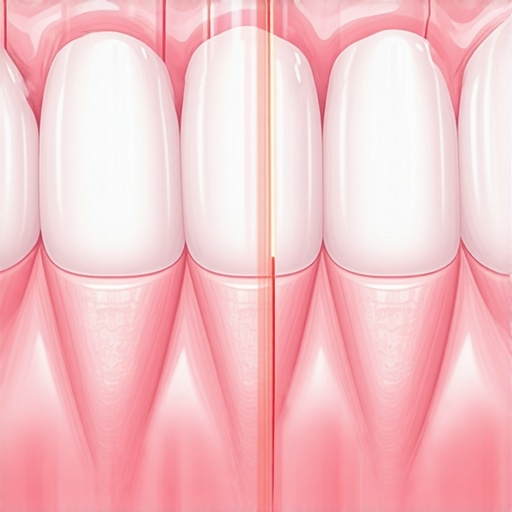
Evict those pesky white pebbles hiding in your throat
I’ll never forget the time I felt a ‘scratch’ in my throat that I couldn’t swallow away. I thought I had a popcorn kernel stuck. I grabbed a flashlight, looked in the mirror, and saw a tiny, yellowish-white speck wedged in my tonsil. It was a tonsil stone. These things are basically concentrated breath bombs made of calcified food and bacteria. Learning how to stop bad breath caused by tonsil stones changed my life. I started using a gentle water flosser on a low setting to keep those crypts clear. If you’re a parent, keeping an eye on this is part of caring for your child’s teeth because kids get these too, and they often can’t describe the sensation.
Stop the rinse cycle and let your toothpaste work
My biggest ‘aha’ moment was realizing I was washing away the medicine. For years, I’d brush and then immediately rinse with water or mouthwash. I was essentially rinsing off the fluoride that was supposed to be protecting my enamel and killing bacteria. Now, I spit, but I don’t rinse. It feels weird at first—a bit pasty—but it gives the ingredients time to actually work. It’s a simple shift that makes a massive difference in how clean your mouth feels an hour later. Consistently keeping the fluoride on your teeth helps prevent the decay that leads to chronic odors.We often treat dental work like a finished construction project—once the crown is on, we stop worrying about that tooth. But that’s a dangerous trap. Many people assume that because a tooth is capped, it’s immune to decay. In reality, the margin where the crown meets your gum is the most critical real estate in your mouth. If you’ve noticed that your gum line looks dark around an old crown, you aren’t just seeing an aesthetic flaw; you’re often looking at a warning sign that the seal has failed. Bacteria are microscopic; they don’t need a gaping hole to move in and start producing those foul-smelling gases. This is why dental crowns explained as a ‘permanent’ fix can be a bit misleading. They are long-term, but they require more meticulous care than your natural teeth because of those tiny junctions. I’ve met people who tried to ignore a slightly loose crown, thinking it would eventually ‘settle’ back in. Never do this. And for the love of everything holy, stay away from the danger of using super glue to fix a broken crown. It sounds like a frantic late-night solution, but the chemicals are toxic and you can trap active infection underneath the seal. If things feel off, you need to know how to tell if your crown needs to be replaced immediately. A study published in the Journal of Dentistry highlights that marginal leakage is a primary cause of restoration failure, often leading to secondary decay that you won’t even feel until it’s reached the nerve. 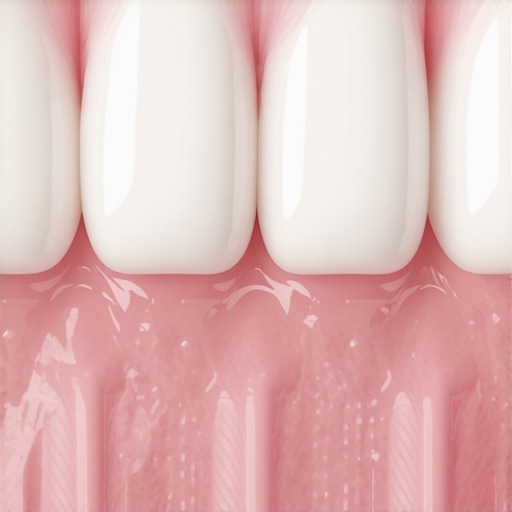
Why does your breath stay funky even when you use expensive rinses?
If you’ve invested in expert cosmetic dentistry solutions but still find yourself reaching for gum every hour, the problem might be your ‘occlusion’ or bite. When teeth don’t meet correctly, it can create micro-cracks or food impaction zones that no brush can reach. This is a nuance often missed in basic hygiene talks. We also tend to get aggressive with tools when we’re frustrated; I’ve seen people cause permanent damage by being over-zealous. You should learn about the hidden dangers of using a toothpick to clean your gums—you might be creating pockets for bacteria rather than removing them. The real cost of delaying a necessary dental crown or adjustment isn’t just financial; it’s the constant stress of knowing your breath isn’t where it should be. Have you ever fallen into this trap of thinking a crown was a ‘forever fix’ only to have it fail? Let me know in the comments.I finally realized that my manual toothbrush was like trying to mow a golf course with a pair of scissors. If you want to protect your investment—especially if you’ve gone through the process of getting crowns or veneers—you need a toolkit that works as hard as your dentist did. I personally swear by a high-frequency sonic toothbrush. I use it because the vibrations create micro-bubbles that reach into the tiny gaps where my gum meets the crown. This isn’t just about ‘cleaning’; it’s about preventing the gingival recession that exposes those dark lines we all hate. If you’re still using a manual brush, you should really check the truth about how often you should replace your toothbrush head to ensure you aren’t just moving bacteria around.
The gear that actually saves my dental work from the bin
For anyone with a bridge or a permanent retainer, a water flosser is non-negotiable. I use mine on a medium setting every single night. It’s the only way I’ve found to effectively clear the ‘tunnel’ under a bridge without shredding my gums. It’s similar to the secret to cleaning your teeth while wearing a retainer; you need that pressurized flow to dislodge what a string simply misses. I’ve noticed that since I added this to my routine, the ‘metallic’ taste I used to get in the afternoons has completely vanished.
How can I keep my cosmetic work looking new for years?
Longevity comes down to the daily grind, not just the biannual checkup. I follow a strict ‘no-stain’ protocol for the first hour after brushing. This is when your enamel (or the porcelain-to-gum junction) is most receptive. According to research published in The Journal of Prosthetic Dentistry, mechanical plaque control is the single most significant factor in the longevity of fixed prostheses like crowns. This is why the role of family dentistry in ensuring oral health for all ages is so vital—it’s about building those maintenance habits before the problems start. #IMAGE_PLACE_HOLDER_D#
What is the future of our smiles?
I predict we’re moving toward a world where your toothbrush doesn’t just buzz; it analyzes. We are already seeing the beginning of AI-integrated sensors that can detect changes in your saliva pH or bacterial load in real-time. By the time we see the top cosmetic dentistry trends for 2025, I expect ‘smart’ crowns that can alert your phone if a seal is starting to leak. It sounds like science fiction, but the technology is closer than you think. For now, my best advice is to stop treating your dental visits like a chore and start treating them like a high-performance tune-up for your most important social asset. Go grab a water flosser tonight and use it on your lowest setting—your breath will thank you by tomorrow morning.
Lessons from my long battle with stubborn mouth odors
After years of thinking I was just destined to have ‘bad genes’ when it came to oral hygiene, I realized that most of what we are told about breath control is surface-level advice. Here is the hard-won wisdom I wish someone had told me a decade ago. First, aggression is not effectiveness. I used to think I could scrub away the smell, but I was actually creating micro-wounds that bacteria loved. Second, your mouth is a mirror of your hydration. If you aren’t drinking enough water, no amount of mints will save you from that dry-mouth funk. Third, dental work is high-maintenance. If you have restorations, you need to understand dental crowns explained as living components of your mouth that require specific care to stay fresh. Finally, don’t ignore the ‘gut-breath’ connection; sometimes the odor isn’t in your mouth at all, but rather a sign that your digestive system or sinuses need a checkup.
My personal toolkit for a truly fresh mouth
To keep my breath fresh and my dental work intact, I’ve narrowed my routine down to a few essential tools that I now consider non-negotiable. I stopped relying on cheap plastic scrapers and invested in a high-quality water flosser. It is the only thing that truly manages the best routine for cleaning under a dental bridge or tight crown margins. I also switched to a pH-balancing mouth rinse that doesn’t use alcohol, which prevents the cycle where your mouth feels like sandpaper every morning. Lastly, I upgraded to an electric brush with a pressure sensor because I found out why your gums are receding despite using a soft toothbrush—it’s often because we press too hard without realizing it. These tools didn’t just change my breath; they changed how long my dental work lasts.
Move forward with a smile that feels as good as it looks
Taking control of your oral health is about more than just avoiding an awkward social moment; it is about the peace of mind that comes with knowing you are healthy from the inside out. Don’t let the frustration of persistent bad breath stop you from being yourself. Whether you need a quick adjustment to your routine or a visit to explore the role of family dentistry in ensuring oral health for all ages, the solution is always within reach. You deserve to speak, laugh, and lean in close without a second thought. Have you ever discovered a hidden tonsil stone or a loose crown was the secret culprit behind your bad breath? Share your story in the comments below!