I remember the exact moment my old dental crown decided to call it quits. I was at a backyard BBQ, halfway through a cob of corn, when I felt a strange, metallic shift in the back of my mouth. No pain—just a sensation that something wasn’t where it was supposed to be. I ignored it for a week, thinking I was just being paranoid. That was my first big mistake. By the time I actually saw my dentist, bacteria had already started a party under that loose porcelain cap. I learned the hard way that the real cost of delaying a necessary dental crown isn’t just about the money; it’s about saving the tooth underneath before it’s too late. I’ve seen friends lose entire teeth because they thought a tiny bit of wobbling was normal. It isn’t. Today, I want to help you avoid the emergency chair by showing you exactly how to spot the signs that your crown is on its last legs. Have you ever felt that weird ‘click’ while chewing and just hoped it would go away? Let me know, because I’ve been there, and I know how tempting it is to look the other way.
Your crown shouldn’t feel like a ticking time bomb
For years, I assumed my crowns were ‘set it and forget it’ pieces of hardware. But the reality is that dental crowns are hard-working restorations that face constant pressure from every meal. If you start noticing why your gum line looks dark around an old crown, it might not just be a cosmetic issue; it could be a sign of recession or even a failing seal. A dark margin often means the underlying metal is showing, but it can also indicate that the fit is no longer snug. When that seal breaks, it’s an open invitation for decay to seep underneath. I once tried to ignore a crown that felt tight when I woke up, only to find out my bite had shifted because the crown was actually lifting. According to data from the American Dental Association, the average lifespan of a crown is about 10 to 15 years, and pushing it much further without a professional check-up is a gamble with your oral health. If you see cracks, feel movement, or notice a persistent bad taste, you aren’t being paranoid—your body is telling you something is wrong.
Is a replacement actually worth the hassle?
I get it—the dentist isn’t exactly the place we want to spend our Saturday mornings or our hard-earned savings. You might be thinking, ‘If it’s not hurting, why mess with it?’ But here’s the kicker: by the time it hurts, the damage is usually deep into the root. If you are currently dealing with a loose crown while on vacation or at home, you’re already in the ‘immediate’ zone. We’re going to dive into the physical signs you can see in the mirror and the subtle sensations that scream for a professional’s eyes, so you can save your smile without the drama of an emergency extraction.
The Tap Test and Other Ways to Check Your Seal
Your crown should feel like a natural part of your body, not a loose Lego piece. The easiest way to start is the visual check. Take a high-powered flashlight and a magnifying mirror—the kind that shows every pore. Look at where the porcelain meets the gum. If you see a dark, shadowy gap, that’s not just a stain; it is a literal doorway for bacteria. I once tried to convince myself that a tiny grey line was just ‘aging,’ but when I looked closer, I could actually see a tiny bubble of saliva move when I pressed on it. That was my ‘Aha’ moment—or more like my ‘Oh no’ moment. If you see this, you need to know why your gum line looks dark around an old crown before the foundation rots away. If you’re debating whether to patch it or replace it, look into dental crowns vs other restorations which is right for you to see if a simple filling might suffice, or if a full replacement is the only way to save the tooth structure. 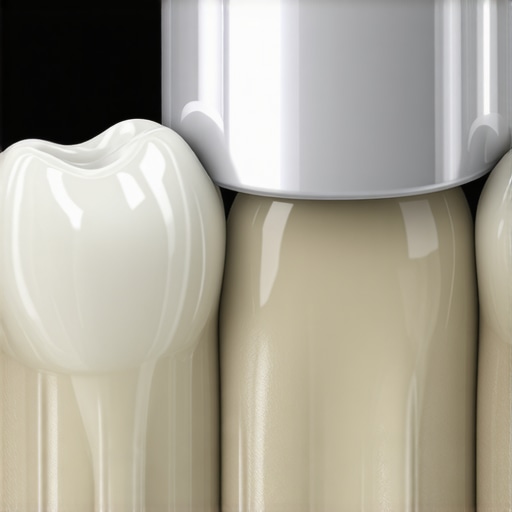
Listen for the click and sniff for the warning
Next, pay attention to the acoustics of your mouth. A healthy crown is silent. If you hear a faint ‘click’ when you release your bite after chewing something sticky, the cement has likely failed. This creates a vacuum effect, pulling the crown up and down like a loose floorboard in your mouth. Along with the sound, trust your nose. If you are flossing and the string comes out smelling like something died—and you are sure it is not yesterday’s dinner—you might be facing the same issue I did where decay was festering in a hidden pocket. This is one of the major 7 red flags that your root canal is starting to fail or that the crown sitting on top of it is no longer sealed.
Why a quick glance in the mirror isn’t enough
Sometimes the damage is invisible to the naked eye, hiding in the ‘blind spots’ where the crown meets the adjacent teeth. This is where family dentistry becomes your best defense. A professional can use a fine-tipped explorer tool to feel for ‘catches’ or soft spots that you would never find on your own. If you are feeling a weird pressure, the reason why your culpeper dentist might need a 3d scan to find hidden tooth pain is likely because 2D X-rays cannot always see through the dense metal or porcelain of the crown itself.
What to do if things feel ‘off’ right now
If you are currently in the middle of a DIY panic, do not reach for the hardware store glue. I have seen people try that, and it is a disaster that often ends in an extraction. Instead, focus on keeping the area clean. If you are away from home, knowing how to fix a loose crown when you are on vacation safely with temporary dental adhesive from a pharmacy can buy you forty-eight hours. Using tools like the best routine for cleaning under a dental bridge or crown can prevent the underlying tooth from becoming unsalvageable while you wait for your appointment. Remember, a temporary fix is just a bandage. The goal is to get back to a state where you are not constantly checking your tooth with your tongue every five seconds.Most people assume that once a crown is cemented, that tooth is ‘armored’ against future problems for life. This is the biggest trap in family dentistry. In reality, a crown creates a 360-degree seam that requires more hygiene, not less. I have seen patients neglect their flossing because they think ‘it is a fake tooth, it cannot get a cavity.’ While the porcelain itself will not decay, the tiny sliver of natural tooth at the margin is more vulnerable than ever. A study published in the Journal of Prosthetic Dentistry highlights that ‘micro-leakage’ at the margin is the leading cause of secondary caries in restorations older than five years. If you are not careful, you are just masking a problem until it becomes an extraction.
Why ‘permanent’ is a dangerous word for your dental work
We often talk about dental crowns as permanent fixes, but I prefer the term ‘long-term restoration.’ When you view it as a piece of machinery rather than a body part, you start to realize why it fails. One major ‘oops’ factor I see is the ‘high spot’—that tiny feeling that one tooth is hitting just a millisecond before the others. People often think, ‘I will just wait for it to settle.’ Do not do that. A crown that is even a hair too high can cause a fractured root or severe pulpitis within weeks. If you are noticing why your crown feels tight when you wake up, it is likely that your bite is off or you are grinding, both of which will shatter even the strongest ceramic. #IMAGE_PLACE_HOLDER_C#
Does the choice of crown material actually dictate your gum health?
While many patients focus on the color, the material of the substructure is what really matters for your biology. In top cosmetic dentistry trends for 2025, we are seeing a massive shift away from metal-fused-to-porcelain because of how the gums react to the base metals. Some people experience chronic inflammation or ‘tattooing’ of the gum tissue, which is often mistaken for infection. If you are debating between materials, comparing the truth about the lifespan of composite vs porcelain veneers can give you a clue about how different materials handle the wear and tear of your specific mouth chemistry.
Stop waiting for the ‘perfect’ time to fix a failing seal
The nuance that most beginners miss is that a failing crown does not always hurt. By the time you see the 7 red flags that your root canal is starting to fail, you might have already lost the structural integrity of the tooth. I have talked to so many people who waited for pain, only to find out the tooth underneath had turned to mush. Have you ever fallen into this trap of thinking your crown was indestructible? Let me know in the comments, because sharing these ‘lessons learned’ is the best way to keep our smiles healthy.I used to think a toothbrush was enough, but after my first failure, I realized that maintenance is an engineering problem, not just a hygiene one. If you want a crown to last twenty years instead of five, you need to shift your kit. First, get a high-quality water flosser. But do not just spray it blindly; aim it at a forty-five-degree angle right at the gum line where the porcelain meets your natural tooth. This prevents the microscopic biofilm buildup that eventually eats away the stump underneath. According to a study in the Journal of Oral Rehabilitation, the precision of the marginal fit in modern restorations often comes down to less than fifty microns, and even a slight accumulation of plaque can lead to micro-gaps that your standard brush simply cannot reach. I also swear by interdental brushes. They are far more effective than string for the wider gaps typically found around crown margins. You really need to master the best routine for cleaning under a dental bridge or crown to ensure you are not leaving a feast for bacteria behind every night. 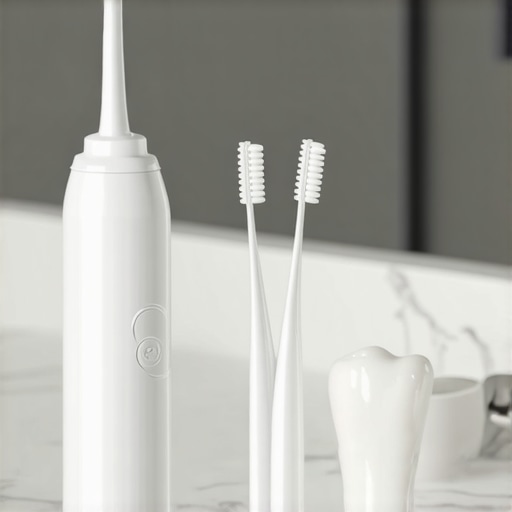
How do I maintain my dental crowns over time?
It starts with being honest about your equipment and knowing the truth about how often you should replace your toothbrush head. A frayed brush will not effectively clean the margins, and that is where the majority of crown failures begin. If you are a grinder, you must stop skipping your night guard for even one week, because the sheer force of nocturnal bruxism can shear a porcelain crown right off its core or cause the underlying tooth to crack. This is the foundation of family dentistry: protecting the investments you have already made. Looking ahead, we are moving toward 3D-printed crowns that are biological mimics. In top cosmetic dentistry trends for 2025, we are seeing the rise of ‘digital twins’ where your dentist keeps a 3D scan of your healthy teeth to recreate the exact bite if a crown ever fails. This technology eliminates the trial-and-error of fitting and helps prevent the hidden reason your front teeth are wearing down due to misalignment. My advanced tip for you today: Buy a pack of size-specific interdental brushes and use one tonight after you think you are already clean. You will be shocked at what the string floss missed. Don’t wait for a ‘click’ to start taking this seriously.
Lessons I Learned the Hard Way Under the Gum Line
Reflecting on my own dental journey, I have realized that the biggest mistake is not having a crown fail—it is waiting until that failure becomes a painful emergency. I finally grasped the nuances of understanding dental crowns when and why they are needed only after I realized they are not bulletproof shields. Here are the three ‘lightbulb moments’ that changed my approach: First, pain is a trailing indicator; if you wait for a toothache, you are often already looking at a root canal. Second, the ‘sniff test’ is more reliable than the mirror; if your floss smells off, bacteria are already colonizing the margin. Third, a crown is a precision tool that requires active engineering maintenance, not just passive brushing.
The Survival Kit for Your Long-Term Restorations
I no longer rely on a standard toothbrush alone to protect my dental work. To ensure my crowns last decades, I have curated a specific toolkit that focuses on the seal. I am now religious about the truth about how often you should replace your toothbrush head because frayed bristles cannot effectively clean the delicate margin where the crown meets the gum. For those with complex dental work, mastering the best routine for cleaning under a dental bridge or crown is the difference between a healthy mouth and secondary decay. I also recommend interdental brushes over string floss for restorations, as they physically scrub the concave areas where bacteria love to hide.
#IMAGE_PLACEHOLDER_E#
Your New Smile Starts With Early Detection
It is easy to feel like dental work is a ‘one and done’ event, but your smile is a living investment. Whether you are following the top cosmetic dentistry trends for 2025 to enhance your aesthetic or you are just trying to keep your natural teeth functional, staying proactive is your best defense. You do not have to wait for a disaster to seek out expert cosmetic dentistry solutions that can reinforce your oral health. Take a moment tonight to really look at your margins—your future self will thank you for the five minutes of diligence. Have you ever noticed a strange sensation with an old crown and just hoped it would go away? I would love to hear your story in the comments below.