I remember sitting down for a steak dinner three weeks after my last dental appointment, expecting a painless meal, only to jump out of my chair the moment my fork met my molar. It was a sharp, electric shock that made me want to swear off solid food forever. I walked out of that clinic originally feeling like a million bucks—no more cavity, no more worry. But there I was, weeks later, wincing at a piece of medium-rare ribeye. I did what most people do: I ignored it. I figured my mouth was just being dramatic and that it would settle down eventually. Boy, was I wrong. That stubborn wince wasn’t just a fluke; it was my body telling me something was physically off. If you are currently nursing a sore tooth every time you eat, I know exactly how frustrating that is. Today, we are going to get to the bottom of why your new filling feels sensitive to pressure weeks later and how we can finally get you back to enjoying your meals without fear.
The Real Reason You Are Still Wincing at the Dinner Table
Most of the time, the culprit isn’t a failed procedure or a bad dentist, but a microscopic alignment issue. When your provider places a filling, they use that blue articulating paper to check your bite. My big mistake? I didn’t bite down normally because my jaw was still half-numb and I was just plain tired of sitting in the chair. I just wanted to go home! Because I didn’t give an accurate bite, my filling ended up being just a fraction of a millimeter too high. This creates what professionals call occlusal trauma. According to the American Dental Association, even a slight imbalance in how your teeth meet can cause the periodontal ligament surrounding your tooth to become bruised and inflamed. It is remarkably similar to wearing a pebble in your shoe; eventually, your foot is going to ache. Sometimes, the issue might be that your new filling feels sharp to your tongue or perhaps it is more of a sensitivity to cold months later, but pressure sensitivity is its own specific beast that usually requires a physical adjustment.
Is it possible the filling was actually done wrong?
It is a fair question and one I asked myself during a late-night session of scrolling through dental forums. The truth is, even the most skilled experts in family dentistry are working in a wet, dark, moving environment on a scale of microns. It is often just a matter of a quick tweak or buff rather than a failure of the material itself. Have you ever felt that annoying zing weeks after leaving the clinic? I would love to hear your story—did you try to wait it out like I did? If the discomfort is becoming a daily struggle, you might need to look into how to manage tooth pain when you cannot see a dentist immediately, but usually, a simple five-minute adjustment at the office is the magic wand you need. It is also vital to distinguish if your toothache is a cavity or just sensitivity before you start worrying about more invasive treatments.
Simple Ways to Spot an Uneven Bite
You do not need a medical degree to perform a basic assessment of your own mouth. Start by slowly closing your teeth together. Do you feel one specific spot making contact before everything else? If so, that is your ‘high’ point. Another trick is to place your fingertip on the outside of your cheek against the sensitive tooth and bite down firmly. If you feel a slight vibration or ‘shudder’ in that tooth that you do not feel in its neighbors, you are likely dealing with a bite interference. This is exactly what happened to me when I tried to ignore my steak-dinner incident. I thought I could ‘self-correct’ by chewing on hard sourdough crusts, hoping the pressure would push the filling down. Instead, I woke up with my jaw feeling incredibly sore after the filling replacement process. I had essentially given my tooth a concussion. 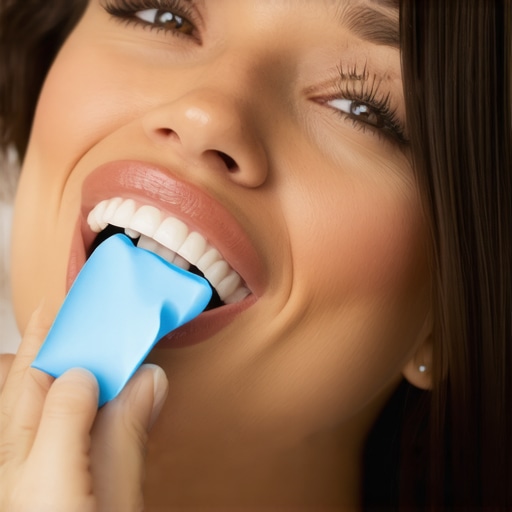
Keep Your Jaw Happy While You Wait for an Appointment
Until you can get back into the chair, you need to treat that tooth like a sprained ankle. Avoid ‘testing’ it. I know it is tempting to keep biting down to see if it still hurts, but every time you do, you are relitigating the injury to the periodontal ligament. Stick to soft foods like yogurt, mashed potatoes, or smoothies. If you are struggling with a similar sensation with other dental work, such as a cap, you might need to know how to fix a temporary crown that feels too high to avoid further inflammation. In the meantime, managing tooth pain when you cannot see a dentist immediately involves using anti-inflammatories like ibuprofen, which target the swelling around the root rather than just masking the nerve pain.
When a Simple Filling Isn’t Enough for a Cracked Tooth
Sometimes, the pressure sensitivity isn’t about the height of the filling, but about the structural integrity of the tooth itself. If the cavity was large, the remaining tooth walls might be flexing under pressure. In these cases, your provider might suggest understanding dental crowns and why they are needed to provide a 360-degree ‘hug’ to the tooth, preventing it from splitting. It is a core part of family dentistry to catch these issues before they turn into emergencies. If you are also looking to improve the look of your smile while fixing these functional issues, keeping up with cosmetic dentistry trends for 2025 can help you choose materials that are both durable and indistinguishable from your natural teeth. For parents, ensuring you are caring for your child’s teeth with essential tips can prevent them from ever needing these complex restorations in the first place. When you finally get back to the clinic, the fix is usually painless. Your dentist will use a high-speed handpiece to buff away the excess composite material. It takes seconds. They will ask you to grind your teeth side-to-side and front-to-back. Do not be shy here; give them a real-world bite. If you feel even a tiny ‘catch,’ say something. This small adjustment relieves the ‘occlusal trauma’ and allows the ligament to finally start healing.I remember sitting down for a steak dinner three weeks after my last dental appointment, expecting a painless meal, only to jump out of my chair the moment my fork met my molar. It was a sharp, electric shock that made me want to swear off solid food forever. I walked out of that clinic originally feeling like a million bucks—no more cavity, no more worry. But there I was, weeks later, wincing at a piece of medium-rare ribeye. I did what most people do: I ignored it. I figured my mouth was just being dramatic and that it would settle down eventually. Boy, was I wrong. That stubborn wince wasn’t just a fluke; it was my body telling me something was physically off. If you are currently nursing a sore tooth every time you eat, I know exactly how frustrating that is. Today, we are going to get to the bottom of why your new filling feels sensitive to pressure weeks later and how we can finally get you back to enjoying your meals without fear.
The Real Reason You Are Still Wincing at the Dinner Table
Most of the time, the culprit isn’t a failed procedure or a bad dentist, but a microscopic alignment issue. When your provider places a filling, they use that blue articulating paper to check your bite. My big mistake? I didn’t bite down normally because my jaw was still half-numb and I was just plain tired of sitting in the chair. I just wanted to go home! Because I didn’t give an accurate bite, my filling ended up being just a fraction of a millimeter too high. This creates what professionals call occlusal trauma. According to the American Dental Association, even a slight imbalance in how your teeth meet can cause the periodontal ligament surrounding your tooth to become bruised and inflamed. It is remarkably similar to wearing a pebble in your shoe; eventually, your foot is going to ache. Sometimes, the issue might be that your new filling feels sharp to your tongue or perhaps it is more of a sensitivity to cold months later, but pressure sensitivity is its own specific beast that usually requires a physical adjustment.
Is it possible the filling was actually done wrong?
It is a fair question and one I asked myself during a late-night session of scrolling through dental forums. The truth is, even the most skilled experts in family dentistry are working in a wet, dark, moving environment on a scale of microns. It is often just a matter of a quick tweak or buff rather than a failure of the material itself. Have you ever felt that annoying zing weeks after leaving the clinic? I would love to hear your story—did you try to wait it out like I did? If the discomfort is becoming a daily struggle, you might need to look into how to manage tooth pain when you cannot see a dentist immediately, but usually, a simple five-minute adjustment at the office is the magic wand you need. It is also vital to distinguish if your toothache is a cavity or just sensitivity before you start worrying about more invasive treatments.
Simple Ways to Spot an Uneven Bite
You do not need a medical degree to perform a basic assessment of your own mouth. Start by slowly closing your teeth together. Do you feel one specific spot making contact before everything else? If so, that is your ‘high’ point. Another trick is to place your fingertip on the outside of your cheek against the sensitive tooth and bite down firmly. If you feel a slight vibration or ‘shudder’ in that tooth that you do not feel in its neighbors, you are likely dealing with a bite interference. This is exactly what happened to me when I tried to ignore my steak-dinner incident. I thought I could ‘self-correct’ by chewing on hard sourdough crusts, hoping the pressure would push the filling down. Instead, I woke up with my jaw feeling incredibly sore after the filling replacement process. I had essentially given my tooth a concussion.
Keep Your Jaw Happy While You Wait for an Appointment
Until you can get back into the chair, you need to treat that tooth like a sprained ankle. Avoid ‘testing’ it. I know it is tempting to keep biting down to see if it still hurts, but every time you do, you are relitigating the injury to the periodontal ligament. Stick to soft foods like yogurt, mashed potatoes, or smoothies. If you are struggling with a similar sensation with other dental work, such as a cap, you might need to know how to fix a temporary crown that feels too high to avoid further inflammation. In the meantime, managing tooth pain when you cannot see a dentist immediately involves using anti-inflammatories like ibuprofen, which target the swelling around the root rather than just masking the nerve pain.
When a Simple Filling Isn’t Enough for a Cracked Tooth
Sometimes, the pressure sensitivity isn’t about the height of the filling, but about the structural integrity of the tooth itself. If the cavity was large, the remaining tooth walls might be flexing under pressure. In these cases, your provider might suggest understanding dental crowns and why they are needed to provide a 360-degree ‘hug’ to the tooth, preventing it from splitting. It is a core part of family dentistry to catch these issues before they turn into emergencies. If you are also looking to improve the look of your smile while fixing these functional issues, keeping up with cosmetic dentistry trends for 2025 can help you choose materials that are both durable and indistinguishable from your natural teeth. For parents, ensuring you are caring for your child’s teeth with essential tips can prevent them from ever needing these complex restorations in the first place. When you finally get back to the clinic, the fix is usually painless. Your dentist will use a high-speed handpiece to buff away the excess composite material. It takes seconds. They will ask you to grind your teeth side-to-side and front-to-back. Do not be shy here; give them a real-world bite. If you feel even a tiny ‘catch,’ say something. This small adjustment relieves the ‘occlusal trauma’ and allows the ligament to finally start healing.
Your Crown Isn’t a Suit of Armor
Most patients believe that once a tooth is crowned, it is essentially invincible. This is a dangerous myth and the biggest ‘oops’ factor in modern dental care. While the ceramic material itself cannot decay, the natural tooth structure underneath is still living tissue. The contrarian truth is that the margin—the microscopic line where the crown meets your gum—is actually the most vulnerable point in your entire mouth. If you stop flossing that area because you think the artificial cap provides 100% protection, you are inviting bacteria to tunnel underneath. Over time, this seal can degrade, leading to what we call micro-leakage.
How Can You Tell if Bacteria is Sneaking Under Your New Crown?
It is a sophisticated problem because you often cannot see the damage in the mirror. You might notice a faint metallic taste or a localized odor that persists despite brushing. This is why knowing how to tell if your dental crown is leaking bacteria is vital for the long-term survival of your smile. A study published in the Journal of Oral Rehabilitation notes that the mechanical stress of chewing can actually cause ‘micro-flexing’ in dental restorations, which eventually fatigues the bonding cement. If you ignore these subtle shifts, you risk the real cost of delaying a necessary dental crown replacement, which could lead to an abscess or even an extraction. 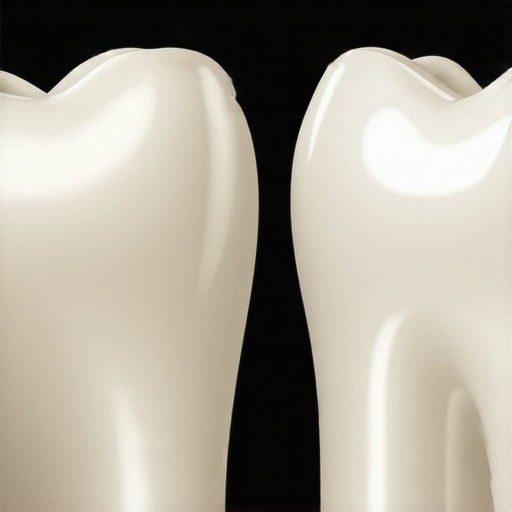
Stop Choosing Fillings for Crown-Sized Problems
One of the most common mistakes is trying to ‘save’ a tooth with a large filling when it clearly needs more support. When choosing between dental crowns vs other restorations and which is right for you, consider the physics of your bite. A massive filling acts like a wedge; every time you chew, it pushes outward against the remaining thin walls of your tooth. Eventually, the tooth splits. A crown, however, provides a structural ‘hug’ that keeps the tooth from fracturing. Even if you are focusing on cosmetic dentistry trends for 2025, the functional health of your restoration should always come first. Have you ever fallen into the trap of thinking a crown made your tooth indestructible? Let me know in the comments—I would love to hear how you have managed your long-term dental work and if you have ever had a ‘perfect’ looking tooth start causing you trouble months later.That ‘perfect’ looking tooth is usually the one I worry about the most because it makes me complacent. When I first got my molars restored, I assumed the hard work was done. I was wrong. The secret to longevity isn’t just picking the right provider; it is the specific toolkit you use once you get home. I personally threw away my traditional string floss for my crowned teeth. Why? Because string floss often ‘slides’ over the margin without actually disrupting the biofilm that gathers at the base. Dr. Gordon Christensen, a leading authority in restorative dentistry, has noted that secondary decay at the crown margin is the primary cause of replacement. To combat this, I switched to a water flosser and interdental ‘proxy’ brushes. I use the water flosser at a 90-degree angle to the gum line, specifically targeting the areas where my dental crowns explained as the ultimate solution for damaged teeth meet the natural tooth. This high-pressure stream flushes out debris that a piece of wax string simply cannot reach. 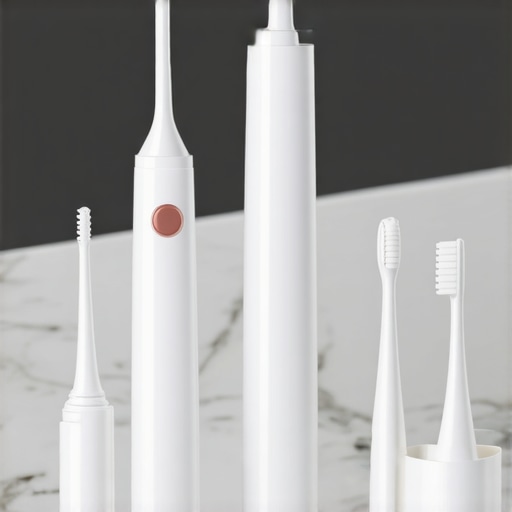
How do I maintain my dental restorations over time?
Maintaining your investment requires more than a quick brush. I’ve found that using an electric toothbrush with a pressure sensor is non-negotiable. If you press too hard, you risk gum recession, and when gums recede, they expose the vulnerable root surface below the crown. I also keep a close eye on any changes in sensation. If you start to wonder how to tell if your dental crown is leaking bacteria, look for localized gum redness or a ‘mushy’ feeling when you chew. In my experience, catching these micro-shifts early is the difference between a five-minute cleaning and a full replacement. Part of a solid family dentistry guide for building a lifetime of healthy smiles involves checking these margins at every six-month checkup, and I never skip those appointments.
Why 3D Scanning is the Future of Pain-Free Maintenance
Looking ahead, the way we maintain our dental health is shifting toward hyper-predictive technology. I suspect that within the next few years, the standard ‘checkup’ will look more like a digital audit. For instance, why your Culpeper dentist might need a 3d scan to find hidden tooth pain is becoming the norm because it allows us to see internal fractures that aren’t visible on a standard 2D X-ray. We are moving toward a world where AI can compare your 3D scans year-over-year to detect wear patterns on your dental crowns vs other restorations before you ever feel a ‘zing.’ This kind of preventative scaling is essential for families, especially when caring for your childs teeth with essential tips, as it helps identify bite issues before they cause permanent damage to adult molars.
Don’t Settle for Traditional Cleaning Methods
If you are still relying on a manual brush and cheap floss, you are leaving the lifespan of your smile to chance. I recommend everyone stay updated on revamp your smile top cosmetic dentistry trends for 2025 to see how materials like zirconia are making restorations even more durable. But even the best material fails without a pro-active routine. My challenge for you: Switch out your traditional string floss for a box of interdental brushes for one week. You will be shocked at the debris they find even after you think you’ve finished brushing. Give your restorations the same level of care you’d give a brand-new car—they are just as expensive and far more important to your quality of life.
Why the Numbness Trap Ruined My First Filling
When you are sitting in that chair, your jaw is frozen, and your brain is just trying to survive the vibration of the drill. I have learned the hard way that you simply cannot trust your mouth’s feedback during those first few hours. If you did not provide an accurate bite check while you were numb, do not feel bad—it happens to almost everyone. The real lightbulb moment for me was realizing that “settling in” should not take weeks. If your bite still feels off 24 hours after the anesthesia wears off, it is a physical obstruction, not a natural healing process. Waiting too long only leads to more inflammation.
Another hard lesson I picked up is that a filling is often just a patch, while a crown is a true shield. If you find yourself repeatedly patching the same tooth, it might be time to stop the cycle. Reviewing a family dentistry guide for building a lifetime of healthy smiles helped me see that long-term health sometimes requires moving beyond basic fillings to dental crowns as the ultimate solution for damaged teeth. Recognizing when a tooth needs more structural support is the key to avoiding that sharp, electric shock at dinner.
Upgrade Your Bathroom Counter Strategy
I no longer rely on a cheap manual toothbrush. I have officially switched to an electric model with a built-in pressure sensor to protect my gum line from receding. To keep my restorations in peak condition, I have added interdental brushes—those tiny “pine tree” shaped tools—to my routine because they scrub the margins where regular floss often glides right over. This is especially important if you are worried about how to tell if your dental crown is leaking bacteria over time.
I also suggest keeping an eye on cosmetic dentistry trends for 2025 to see how newer materials are becoming even more biocompatible and durable. If you are currently nursing a sore spot and cannot get an appointment today, you should definitely look into how to manage tooth pain when you cannot see a dentist immediately to keep the inflammation down. My trusted sources always include the ADA, but I have found that a proactive toolkit at home is what truly extends the life of my dental work.
Take the Pain Out of Your Next Meal
You do not have to “tough it out” when it comes to dental discomfort. Whether it is a simple five-minute bite adjustment or understanding dental crowns to finally fix a structural crack, the relief is usually much faster and easier than you expect. Do not let a tiny microscopic misalignment steal the joy of your favorite foods. Your smile and your comfort are worth the quick visit to your provider. Have you ever had a filling that felt “too high” once the numbness finally wore off? Let me know in the comments how you handled it!