I was sitting on my porch, enjoying a tall glass of iced tea on a sweltering July afternoon. Life was good. Then, I took a sip. Zing! A lightning bolt shot straight through my molar. This wasn’t a new cavity. I’d had that tooth filled back in February. I remember thinking, “Did I just waste my money?” I spent the next three months chewing exclusively on the left side of my mouth, convinced my dentist had just done a bad job. It wasn’t until I stopped playing the “wait and see” game that I realized the real culprit wasn’t just the cold—it was how my tooth had reacted to the procedure itself. [image_placeholder_1]
Why Your Tooth Is Still Grumpy Months Later
If you’re reading this, you’re probably tired of wincing every time you drink a cold soda or step out into a chilly breeze. It’s a special kind of annoyance when a problem you thought was solved comes back to haunt you months later. We usually assume that once the anesthesia wears off and the initial tenderness fades, we’re in the clear. But dental work is more like a minor surgery than a quick patch-up. Your tooth is a living organ, and sometimes, it holds a grudge. Today, I’m going to pull back the curtain on why those nerves stay “on edge” long after the drill has been put away. Whether you’re trying to figure out how to tell if your toothache is a cavity or just sensitivity, or you’re worried the filling wasn’t seated right, we’ll get to the bottom of it. I’ve been through the “ice cream trial by fire” myself, and I promise there’s a light at the end of the tunnel that doesn’t involve more drilling.
Is This Sensitivity Actually Worth a Trip Back to the Chair?
I get it. No one wants to go back to the dentist if they don’t have to. You might be thinking, “Maybe it’s just my ‘new normal’?” or “Will they think I’m crazy for complaining about a six-month-old filling?” Trust me, it’s not in your head. According to the American Association of Endodontists, even a slightly high filling can cause “hyperocclusion,” where that tooth hits first, leading to persistent inflammation of the pulp. It’s essentially a bruise that never gets a chance to heal because you’re “stepping” on it every time you chew.
The One Mistake I Keep Seeing People Make
Early on, I made a classic blunder: I ignored the “bite test.” When my dentist asked, “How does it feel?” while I was still numb, I just mumbled, “Fine,” because I wanted to get out of there. Big mistake. That tiny milligram of extra composite meant my bite was off by a hair. Over months, that microscopic imbalance caused my tooth’s internal nerve—the pulp—to become chronically inflamed. I thought I needed a root canal, but I actually just needed a thirty-second adjustment. If you’ve ever felt like you’re constantly searching for the secret to painless dental cleanings for sensitive teeth because your mouth is always tender, you might be dealing with this exact issue. Have you ever felt that sharp zap and just hoped it would disappear by tomorrow? I’d love to hear if you’re currently “side-chewing” to avoid the cold right now.Let’s talk about the ‘high spot’—the most common reason for lingering pain. Imagine walking all day with a tiny pebble in your shoe. You might not notice it for the first ten minutes, but by mile five, your entire foot is screaming. That is exactly what a high filling does to your jaw. I once spent a whole month thinking I had a massive infection after a routine visit for family dentistry. I was convinced I needed a root canal. When I finally dragged myself back into the chair, my dentist had me bite down on a piece of blue articulating paper. Two seconds of polishing later, the pressure was gone. It felt like taking off a shoe that was two sizes too small. If you’re noticing that your new filling feels sharp to your tongue, it’s a clear sign the margins aren’t flush.
Check Your Alignment Before It Becomes an Abscess
Most people wait until the pain is unbearable because they don’t want to bother the office. Don’t make that mistake. If your tooth hurts only when you bite down, your alignment is likely the culprit. This is a common hurdle when managing child-friendly dental care because kids often can’t communicate exactly where it hurts.
The Tap-Tap Test You Can Do at Home
Take a deep breath and slowly close your mouth. Does one tooth touch before all the others? If yes, you’ve found the problem. This constant pounding on the nerve keeps the pulp in a state of trauma. If the damage to the structure is too extensive for a simple adjustment, you might need to look at dental crowns vs. other restorations to see which is right for your specific situation. 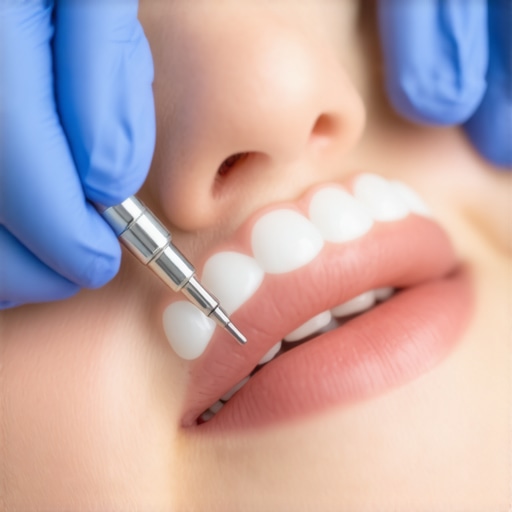
Shield the Nerve with a Proper Restoration
Sometimes a filling is just a temporary fix for a larger problem. If the cavity was deep, the nerve is now closer to the surface. Metal and composite are great, but they conduct temperature changes much faster than natural enamel. If you’re still jumping at cold water after six months, the seal might be compromised. This is where dental crowns explained as the ultimate solution for damaged teeth come into play. Think of a crown as a custom-fitted helmet. It covers the entire tooth, protecting the sensitive inner core from the elements. If you already have one and it’s bothering you, you should learn how to tell if your dental crown has a hidden crack before the bacteria reach the root.
Desensitize While You Wait for Your Appointment
While you wait for your next dentist visit, switch to a potassium nitrate toothpaste. It’s not a permanent fix, but it acts like a mute button for your tooth’s nerves. Also, stop testing the tooth. I used to poke my sore tooth with my tongue or tap it with a finger every five minutes just to see if it still hurt—all I was doing was keeping the inflammation alive. Give it a rest, stick to the other side of your mouth, and get that adjustment scheduled. If you want to go beyond simple repairs, you can transform your look with expert cosmetic dentistry solutions that prioritize both function and comfort.
We often treat dental work like a one-and-done home renovation. You pay the bill, you get the shiny new porcelain, and you expect it to last a lifetime. But here is the contrarian truth most people—and even some practitioners—gloss over: Cosmetic dentistry isn’t just about the ‘look’; it is a high-stakes engineering project. Many patients walk into a clinic asking to transform your look with expert cosmetic dentistry solutions without realizing that if the underlying mechanics are off, that beautiful smile is on a countdown clock to failure.
Stop Treating Cosmetic Work Like a Luxury Purchase
The biggest myth in family dentistry is that ‘cosmetic’ and ‘functional’ are two different categories. In reality, they are inseparable. I’ve seen people spend thousands on veneers only to have them pop off because they didn’t address a minor jaw misalignment first. If your bite isn’t balanced, your jaw will find a way to ‘grind’ that expensive work down to size. This is often why your crown feels tight when you wake up; your muscles are fighting the new shape of your tooth all night long. It isn’t just ‘newness’—it’s a sign that your biological system is rejecting the engineering.
Can an Improperly Fitted Crown Destroy Your Natural Smile?
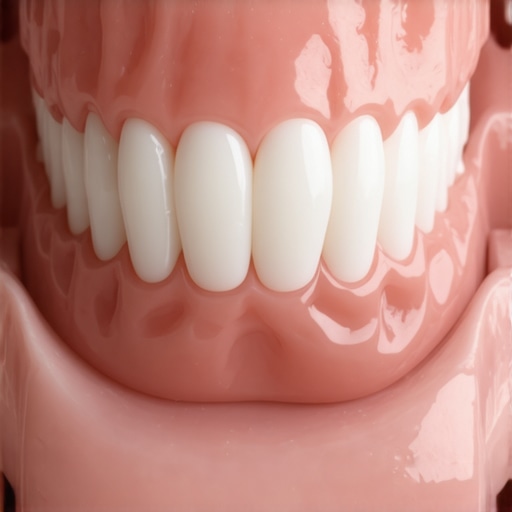
Yes, and this is the ‘oops’ factor most people don’t see coming until it’s too late. When you get a crown, the material choice matters as much as the fit. A study published in the Journal of Prosthodontic Dentistry notes that certain zirconia and ceramic materials are significantly harder than natural tooth enamel. If the crown is even a fraction of a millimeter too high, it won’t just hurt the crowned tooth; it will act like a hammer, slowly shattering the natural tooth directly opposite it. This is why dental crowns explained as a ‘solution’ only work when the occlusion (your bite) is verified with more than just a quick ‘tap-tap’ on blue paper.
The Trap of Picking the Wrong Material
Most patients demand porcelain because it looks the best, but for those with a history of grinding, it’s often the wrong choice. You need to know the truth about the lifespan of composite vs porcelain veneers before you commit. Porcelain is brittle; composite is resilient. If you’re a ‘heavy hitter’ when you chew, a slightly more flexible material might actually save your jaw from chronic pain. I’ve seen countless patients return with ‘phantom pain’ because they chose the prettiest material rather than the one that matched their bite strength. Have you ever fallen into this trap of choosing aesthetics over durability? Let me know in the comments.
Don’t Ignore the Foundation Under the Porcelain
Another common mistake is rushing into cosmetic work while the gums are still slightly inflamed. If you don’t have a solid foundation from consistent family dentistry checkups, your new work will fail at the margins. This is why your gums look dark around a dental crown or why your gum line looks dark around an old crown over time. It’s usually not a ‘bruise’—it’s either the metal substructure showing through as the gums recede or, worse, a sign of micro-leakage. Before you let a dentist place a permanent restoration, ensure your gum health is impeccable, or you’ll be paying for that same crown twice within five years. I always tell my friends: the prep work is 90% of the success. Don’t skip the boring parts just to get to the ‘white teeth’ finale.
If you’ve invested in your smile, the maintenance phase isn’t just about brushing twice a day. I personally swear by the ‘interproximal’ approach. Standard floss is great for natural teeth, but once you have a bridge or multiple crowns, you need to learn the best routine for cleaning under a dental bridge using a dedicated threader or a high-pressure water flosser. According to Dr. Gordon Christensen, a renowned authority in restorative dentistry and founder of the Clinicians Report, the primary reason for crown failure isn’t the material itself, but ‘recurrent decay at the margin’—the tiny seam where the porcelain meets your natural tooth. If that spot isn’t pristine, bacteria will find a way in. This is why I never skip using a 0.5mm interdental brush at least once a day; it reaches the ‘valleys’ between teeth that a string simply skips over.
How do I maintain my cosmetic dental work over time?
It starts with the night guard. I know, they aren’t sexy, and they feel a bit like a sports mouthpiece, but if you’ve had cosmetic dentistry, you are likely a ‘clencher’—most of us are in this high-stress world. You need to understand the risks of skipping your night guard for just one week. A single night of heavy grinding can exert up to 250 pounds of pressure per square inch, which is more than enough to micro-fracture a ceramic crown. My pro tip: keep your night guard in a container filled with a mild antiseptic solution. I’ve found that the best way to clean a night guard to prevent odors is a simple soak with a denture tablet, which keeps the material from becoming porous and harboring bacteria.
The Future of Precision Dentistry is Already Here
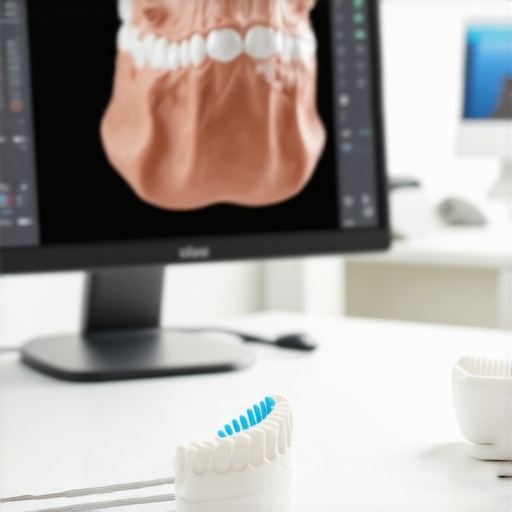
Looking ahead, the ‘wait and see’ era of family dentistry is dying. We are moving toward a world of predictive diagnostics. I’ve already started seeing offices use AI-integrated software that analyzes X-rays to find decay months before a human eye can spot it. This is exactly why your Culpeper dentist might need a 3d scan to find hidden tooth pain. Instead of reacting to a ‘zing’ in your molar, we’ll be using 3D digital impressions to track tooth wear year-over-year. If you’re curious about what’s next, you should check out cosmetic dentistry innovations to watch, like 3D-printed permanent crowns and biomimetic materials that actually re-mineralize the tooth structure. My advice? Ask your dentist for a ‘digital baseline’ scan during your next cleaning. It’s the ultimate insurance policy for your smile’s future.
Hard Truths About What Happens After the Numbing Fades
One thing I learned the hard way is that your mouth is a dynamic ecosystem, not a static model. If you’ve been dealing with a lingering ache after a procedure, here are a few things most people miss:
- The ‘Settling’ Window: It can take up to six weeks for a deep restoration to fully calm down. If it persists longer, you might need to know how to tell if your crown needs to be replaced immediately.
- Bio-Reactions: Not every material works for every patient; sometimes a switch from metal-based crowns to pure ceramic is all you need to stop sensitivity.
- The Domino Effect: One high tooth can cause your whole jaw to shift, leading to headaches you’d never attribute to a molar.
The Essentials I Keep in My Medicine Cabinet
Maintenance is where most people fail. I’ve found that a few specific tools make all the difference in preserving family dentistry work for decades rather than years. I swear by my water flosser—it’s the only way to effectively reach those tight margins where bacteria love to hide. I also suggest reading through a family dentistry guide building a lifetime of healthy smiles to understand how your needs change as you age. Finally, never underestimate a custom-fitted night guard to avoid the risks of skipping your night guard for just one week, which can lead to micro-fractures in expensive work.
Take Control of Your Smile’s Longevity Today
Don’t live in a state of ‘functional discomfort.’ Whether you are pursuing complex cosmetic dentistry or just need a routine check-up, your comfort is the ultimate priority. If that ‘zing’ hasn’t gone away, don’t wait for it to become a crisis; the real cost of delaying a necessary dental crown is often much higher than a quick adjustment visit to your dentist. Take a breath, trust your intuition about your bite, and contact us to get your oral health back in balance.
Have you ever had a filling that felt ‘high’ or weird for weeks? Let me know your experience in the comments below!