I remember sitting at my kitchen table, chewing on a piece of sourdough toast, when a sharp, electric-like jolt shot through my jaw. It wasn’t a dull ache; it was a ‘blink-and-you-miss-it’ zap that vanished as soon as I stopped biting down. I looked in the mirror, pulled my cheek back, and stared at my ceramic crown. It looked perfect. No chips, no loose edges, and no obvious decay. I assumed I was just being paranoid, and that was my first big mistake. I waited three months before calling my dentist, thinking it was just a bit of temporary sensitivity. By the time I actually sat in the chair, that tiny, invisible hairline fracture had invited bacteria to seep toward the pulp. Today, I want to help you avoid the same expensive headache by sharing exactly how to tell if your dental crown has a hidden crack before it becomes a full-blown emergency.
That Weird Zinging Feeling Isn’t Just in Your Head
The problem with porcelain and ceramic is that they are incredibly strong but brittle. Just like a car windshield, a crown can develop ‘craze lines’ or deeper structural cracks that don’t always show up on a standard 2D X-ray. If you’ve been wondering when and why dental crowns are needed, it is usually to protect a vulnerable tooth, but the crown itself isn’t invincible. I learned the hard way that a hidden crack often feels more like a phantom than a physical break. You might notice a sharp zap when eating sweets or a strange pressure specifically when you release your bite. According to the American Association of Endodontists, cracked teeth are a primary reason for tooth loss because they are so notoriously difficult to diagnose until the damage is extensive. If you are noticing a localized pain that comes and goes, your crown is likely trying to tell you something.
Is it actually worth the stress if the pain isn’t constant?
You might be tempted to think that because the discomfort only happens once a week, it isn’t a big deal. I thought the same thing. But a hidden crack is like a slow-moving leak in your home; by the time you see the water on the floor, the structural damage is already done. If you don’t catch it, you are looking at more than just a replacement; you might be looking at an extraction. It is vital to know how to tell if your crown needs to be replaced immediately versus when you have a little breathing room. Trust me, the real cost of delaying a necessary dental crown isn’t just the bill—it is the literal loss of your natural tooth structure. Have you ever felt that strange ‘rebound pain’ where it only hurts the moment you stop biting down? I’d love to hear if your symptoms match what I went through, so leave a comment below!
Perform Your Own Pressure Test at Home
Think of your dental crown as a high-tech helmet for your tooth. It is designed to take the brunt of the force, but even the best armor can develop stress fractures. One of the most effective ways to identify a hidden crack is the ‘release test.’ Take a clean toothpick or a plastic ‘bite stick’ if you have one. Bite down firmly on the crown and then—this is the key—release your jaw quickly. If you feel a sharp, localized sting the moment you let go, that is a classic sign of a structural fracture. This happens because the pressure forced the crack open, and the sudden release let it snap shut, irritating the nerve inside. I remember doing this with a piece of hard sourdough and nearly jumping out of my skin; it was the first real evidence I had that something was wrong under the surface. This ‘rebound pain’ is a mechanical signal that your crown is no longer a solid unit.
Check for Changes in Your Gum Health
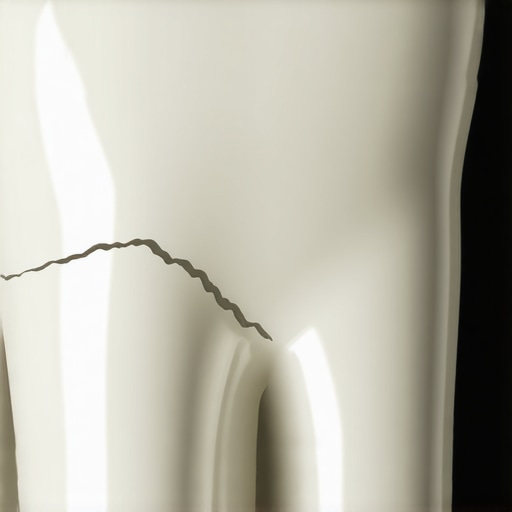
Sometimes the evidence isn’t in the tooth itself, but in the tissue surrounding it. I once noticed that the edge of my crown looked a bit off, almost like a shadow was falling on it. I figured I was just getting older and my gums were receding, but why your gum line looks dark around an old crown can actually be a sign that bacteria are leaking through a hairline crack and staining the underlying tooth structure. If the gum looks puffy or ‘spongy’ only around that one tooth, your body might be reacting to an infection. It is easy to confuse this with general gingivitis, but localized inflammation is a major red flag. In my case, I ignored a tiny bump on my gum for weeks, thinking it was a simple canker sore, only to find out it was a localized abscess caused by a crack I couldn’t even see with a mirror.
Trust Your Senses Beyond the Pain
Pain isn’t always the first indicator, and sometimes the signs are subtle enough to miss if you aren’t paying attention. You might simply notice that your crown feels tight when you wake up, which often points to nightly grinding (bruxism) that creates these fractures in the first place. Over time, that constant pressure acts like a jackhammer on the porcelain. If you start to feel a ‘hollow’ sensation when tapping the tooth with your fingernail, or notice a lingering metallic taste, these are clues that the cement seal has been compromised. When comparing dental crowns vs other restorations, crowns are usually the most durable option, but they aren’t immortal. I once tried to ‘wait it out’ by using extra-sensitive toothpaste, but knowing how to tell if your toothache is a cavity or just sensitivity is crucial; a crack is a mechanical failure that no amount of specialized fluoride can fix.
Why Standard X-Rays Might Miss the Problem
One of the most frustrating parts of my journey was my first dentist telling me everything ‘looked fine’ on the X-ray. Traditional 2D X-rays are like looking at a house from the sidewalk; you can’t see the cracks in the foundation behind the walls. This is why your dentist might need a 3D scan to find hidden tooth pain. A Cone Beam Computed Tomography (CBCT) scan allows them to see the tooth in slices, catching those microscopic vertical fractures that stay hidden in 2D views. If you suspect a crack, ask for advanced imaging rather than just a standard wing-bite. Whatever you do, never attempt a DIY fix; the danger of using super glue to fix a broken crown is immense, as it can trap aggressive bacteria against the dentin and permanently damage the remaining natural tooth structure before the dentist even gets a look at it.
Why a Bulletproof Crown is Actually a Myth
The biggest myth I see in both family dentistry and cosmetic dentistry circles is the ‘bulletproof’ mentality. People often assume that because the visible portion of the tooth is now high-grade ceramic, they can relax their hygiene or skip the night guard. In reality, the most critical part of your restoration isn’t the porcelain top; it’s the microscopic margin where the crown meets your natural gum line. If you don’t maintain a strict routine, bacteria will congregate at this junction. This is often why your gums look dark around a dental crown—it’s not always a metal margin showing; it can be the beginning of ‘recurrent decay’ or micro-leakage through a hidden fracture.
A significant study published in the *Journal of Dentistry* highlights that while crown success rates are high, structural failure often stems from ‘fatigue loading’—the cumulative stress of thousands of bites over years. This brings us to a common ‘oops’ factor: the high bite trap. If your new crown feels just a tiny bit ‘taller’ than your other teeth, do not wait for it to ‘wear down’ or ‘settle.’ Porcelain and zirconia are significantly harder than natural enamel; they won’t wear down, but your underlying tooth structure or the opposing tooth will eventually suffer from the concentrated pressure.
Can your bite alignment actually cause a crown to shatter from the inside?
Yes, and this is where many people get tripped up. They assume the discomfort is just post-operative sensitivity. However, when comparing dental crowns vs other restorations, you have to realize that crowns are rigid shells. If the alignment is off by even a hair, you’re essentially hammer-drilling into your own jawbone every time you chew. This creates a ‘flex’ in the tooth that porcelain cannot handle, leading to internal cracks that no one sees until the crown literally splits in half.
Stop Waiting for Your Crown to Settle
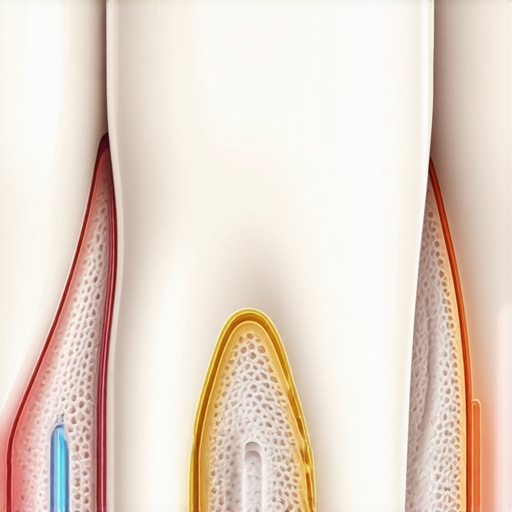
In the realm of expert cosmetic dentistry solutions, we prioritize the aesthetics of the smile, but the physics of the bite is what keeps that smile intact for a decade. Ignoring a crown that feels tight when you wake up is a classic mistake. This sensation often indicates bruxism, which is the leading cause of ‘unexplained’ crown failure. If you are experiencing this, you are effectively testing the limits of your crown’s tensile strength every single night.
In terms of material choice, many patients don’t realize that monolithic zirconia behaves very differently from porcelain-fused-to-metal. Zirconia is virtually indestructible but can be ‘too hard’ for the opposing natural teeth if the occlusal relationship isn’t perfect. This is why a regular check-up with a professional specializing in the role of family dentistry in ensuring oral health for all ages is vital; they check for these wear patterns that you might not feel yet. I’ve talked to dozens of people who thought their family dentistry guide meant a crown was a final, indestructible fix. But without a night guard or a bite adjustment, even the most expensive crown is a ticking time bomb. Don’t let a minor adjustment turn into a full-scale extraction because you were afraid to ‘bother’ the dentist with a small discomfort. Have you ever fallen into this trap of thinking your crown was invincible? Let me know in the comments!
The Three Tools I Use to Protect My Investment
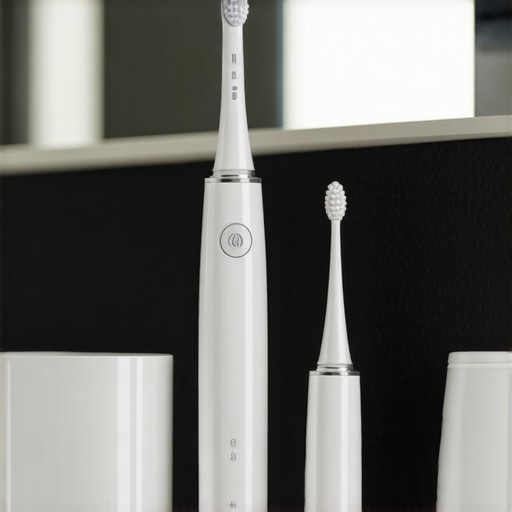
I stopped relying on standard flossing once I realized how easily I could snag the edge of my ceramic restoration. Now, my bathroom counter looks more like a mini-dental lab. I swear by my Waterpik Aquarius; I use it on the ‘floss’ setting specifically because the pulsed water pressure removes biofilm from the crown margin without the mechanical trauma of string floss. If you are still poking around with wooden sticks, you need to stop; the hidden dangers of using a toothpick to clean your gums include damaging the very seal that keeps your crown in place. I also swapped my manual brush for an Oral-B iO Series 9. The pressure sensor is the hero here—it turns red if I am scrubbing too hard, preventing the gum recession that leads to why your gum line looks dark around an old crown. This isn’t just about gadgetry; it is about precision. According to Dr. Gordon Christensen of *Clinicians Report*, the longevity of a restoration depends heavily on the maintenance of the gingival margin. I also keep a strict eye on the truth about how often you should replace your toothbrush head, as frayed bristles are essentially useless at cleaning the tight spaces where a crown meets the tooth.
How do I keep my crown from failing before its time?
Maintenance is a long game, not a weekly chore. The single most important tool in my arsenal is a custom-fit, dual-laminate night guard. I learned this the hard way when I realized the risks of skipping your night guard for just one week can include micro-fractures that compromise the crown’s integrity. When you are sleeping, your jaw can exert up to 250 pounds of pressure per square inch. If you have a crown, you aren’t just protecting the ceramic; you are protecting the root. I make it a point to use the best routine for cleaning under a dental bridge or crown, utilizing interdental brushes like TePes to sweep away the debris that even the best water flosser might miss. Consistency here is what separates a crown that lasts five years from one that lasts twenty.
Smart Teeth and AI Diagnostics are Just Around the Corner
The field is moving fast, and I expect we will soon see crowns with embedded biosensors that can alert your phone to changes in acidity or bacterial load before you ever feel a ‘zap.’ For now, we are seeing cosmetic dentistry innovations to watch such as AI-driven bite analysis. Modern dentists are using T-Scan technology to see exactly where your teeth touch with millisecond precision, ensuring that ‘high bite’ issue never happens in the first place. This level of expert cosmetic dentistry solutions ensures that your smile is as functional as it is beautiful. My advice? Don’t wait for the pain to return. If you haven’t yet, invest in a pressure-sensing electric toothbrush today and see how much easier it is to keep that margin clean. Your future self—and your wallet—will thank you.
The Brutal Lessons My Cracked Crown Taught Me
Looking back at my dental journey, I realized that ignoring the subtle ‘ping’ of pain was essentially gambling with my tooth’s life. First, I learned that a crown isn’t a ‘set it and forget it’ solution; it is a high-performance part that requires active monitoring. Second, I discovered that pain doesn’t have to be constant to be catastrophic. If it hurts only when you eat certain foods, that is a mechanical failure, not just sensitivity. Third, I wish I hadn’t been so frugal initially. Understanding the real cost of delaying a necessary dental crown showed me that a replacement is much cheaper than an extraction. I also learned that dental crowns vs other restorations is a debate about long-term stability rather than just a quick fix.
The Essentials I Use to Protect My Investment
I don’t leave my oral health to chance anymore. My nightstand and bathroom counter are now stocked with specific items that make a tangible difference. I never go to bed without my custom-made night guard because I’ve seen firsthand the risks of skipping your night guard for just one week. For cleaning, I rely on a high-quality water flosser because it flushes the margin—the area where the crown meets the gum—better than any manual string. Finally, I trust an electric toothbrush with a pressure sensor to prevent the gum recession that explains why your gum line looks dark around an old crown. If you are serious about longevity, these tools are your first line of defense.
Your Smile Deserves More Than Just Luck
It is easy to feel overwhelmed by dental jargon or the fear of a looming bill, but catching a fracture early is the kindest thing you can do for your body. Whether you are looking into expert cosmetic dentistry solutions or simply maintaining a healthy bite, trust your intuition. That ‘weird feeling’ you have is a valid signal from your body. A high-quality dental crown can last decades if you treat it with the respect it deserves. Don’t wait until the ‘zap’ becomes a constant throb. Take charge of your oral health today and keep that smile intact. Have you ever felt a sharp pain that disappeared as soon as you stopped chewing? I’d love to hear your story in the comments below!