I woke up last Tuesday, and for a split second, I thought I’d been in a boxing match while I slept. My teeth felt like they had been vibrating all night, and my jaw was so stiff I could barely get a spoonful of cereal in my mouth. It’s a miserable way to start the day, isn’t it? You’re not alone in this. I spent years thinking I just needed a better pillow or that I was sleeping wrong. The truth is much more grounded in what’s happening inside your mouth while you’re out cold. Today, we are going to dive into the real reasons behind that morning facial tension and, more importantly, how to stop it for good. Have you ever woken up feeling like you’ve been clenching your teeth for eight hours straight? [image_placeholder_1]
Stop Blaming Your Mattress for That Aching Jaw
Most of us want to blame our sleeping position, but the culprit is usually bruxism—a fancy word for grinding and clenching. I made a massive mistake early on by buying a cheap, boil-and-bite guard from a local drugstore. I thought I was being thrifty. Instead, I ended up with a misaligned bite that made my jaw sore after a filling replacement I’d had months prior. It was a mess, and it actually made the grinding worse because the guard was so bulky and uncomfortable. Sometimes the issue is as simple as why your crown feels tight when you wake up, which can be a huge red flag that you’re putting immense pressure on your dental work during the night. Even the little ones in our lives aren’t immune; I’ve had neighbors ask why your baby is grinding their teeth during sleep, and the answer often involves the same stress or developmental shifts we face as adults. According to the Mayo Clinic, many people don’t even realize they are grinders until a partner hears the noise or a dentist spots the flattened enamel. Untreated grinding can lead to severe headaches, facial pain, and even fractured teeth. I wish I had known that before I spent a small fortune on massage therapists trying to fix my neck pain when the problem was actually my molars.
Is a custom night guard actually worth the investment?
I get it. You see the price tag for a professional guard at the dentist and you want to run for the hills. Is it just hype? I used to think so, until I cracked a perfectly good molar and realized that understanding dental crowns is much more expensive than preventing the damage in the first place. A custom guard is thin, comfortable, and actually stays in your mouth. Once you get one, you just have to learn the best way to clean a night guard to prevent odors so you don’t wake up with a different kind of morning problem. We are going to look at the mechanical reasons your jaw is complaining and the specific habits you can change tonight to finally wake up feeling refreshed instead of wrecked.
Check your teeth for flattening and transparent edges
The first thing you need to do is grab a flashlight and a mirror. Open wide and look at the biting surfaces of your front teeth and the tops of your molars. If you notice that the edges of your teeth look level—like they’ve been sanded down—or if you see that your teeth look more transparent at the edges lately, you are witnessing the physical erosion of your enamel. Think of your enamel like the tread on a tire; once it’s gone, you’re driving on the rims, and that’s when the real pain starts. Many patients ask me why your teeth are chipping easily despite a healthy diet, and the answer is almost always the sheer mechanical force of night grinding. It is powerful enough to crack walnuts, so your teeth don’t stand a chance without protection.
Invest in a barrier that actually fits
The most effective way to stop the damage tonight is a custom-fitted occlusal guard. Unlike the bulky versions you find in a box at the grocery store, a guard from a dentist is designed from a 3D scan of your actual bite. This is crucial because if a guard is even a millimeter off, it can change how your muscles fire, potentially worsening your headaches. I learned this the hard way years ago when I tried to save a few bucks on a generic guard. I woke up with my jaw locked so tight I couldn’t even yawn. When I finally switched to a professional model, the relief was almost instant because it allowed my jaw joint to rest in its natural, neutral position. Avoiding this step often leads to fractures, and the real cost of delaying a necessary dental crown far outweighs the price of a preventive guard.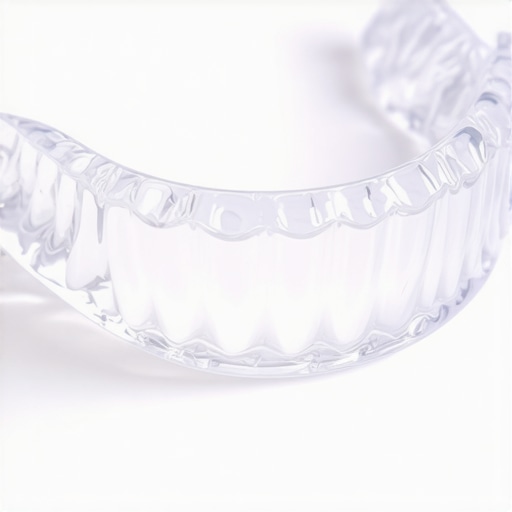
Address the height of your bite
Sometimes the grinding isn’t just about stress; it’s about a physical obstruction. I remember a specific time I had a composite filling replaced on a lower molar. For the next week, I was miserable. It turns out the filling was just a tiny bit too high. In my sleep, my brain recognized that one tooth was hitting before the others and tried to ‘grind it down’ to make everything level. This is why you might notice why your new filling feels sensitive to pressure weeks later. If you’ve recently had dental work or are considering revamp your smile top cosmetic dentistry trends for 2025, ensure your provider performs a thorough bite check. A simple ‘occlusal adjustment’—where the dentist polishes down those high spots—can stop the grinding reflex entirely.
Master the ‘lips together, teeth apart’ rule
This is a behavioral trick you can start practicing right now. During the day, your teeth should actually never touch unless you are chewing or swallowing. Most people sit at their computers with their teeth clenched, which primes the muscles to keep doing it once they fall asleep. Practice placing the tip of your tongue on the roof of your mouth, just behind your front teeth. This naturally forces your jaw to drop and relax. If you notice your children doing the opposite, it’s worth investigating how to tell if your child is mouth breathing during sleep, as restricted airways can often trigger the jaw to clench as a way to keep the throat open. Changing these daytime habits reduces the overall ‘muscle memory’ of tension that carries over into your REM cycles.
While the ‘lips together, teeth apart’ rule is a game-changer, we need to talk about a common myth that keeps people in pain: the idea that bruxism is purely a psychological reaction to stress. Everyone tells you to ‘just relax,’ but in my experience, the physical reality is often a feedback loop that has nothing to do with your workload. Sometimes, your brain is actually trying to solve a puzzle in your mouth. A study published in the Journal of Oral Rehabilitation suggests that even microscopic ‘occlusal interferences’—tiny bumps or misalignments in how your teeth meet—can trigger significant increases in muscle activity. Essentially, if your teeth don’t fit together like a perfect jigsaw puzzle, your jaw muscles will work overtime all night trying to find a comfortable resting spot that doesn’t exist.
Stop assuming your grinding is just a stress problem
This is where the role of family dentistry in ensuring oral health for all ages becomes vital. It’s not just about cavities; it’s about mapping the architecture of your mouth. I’ve seen patients spend years on meditation and muscle relaxants, only to find that a single, slightly high crown was the culprit. If you ignore the structural foundation, you’re just putting a band-aid on a broken leg. This is particularly true for adults who have had various procedures over the years. Each filling or crown changes the landscape of your bite, and if those changes aren’t managed holistically, your jaw pays the price in the morning.
Does your old dental work secretly trigger your jaw pain?
One of the biggest ‘traps’ I see people fall into is ignoring an aging restoration because ‘it doesn’t hurt.’ This is a massive mistake. An old crown that has lost its seal might not cause a sharp toothache initially, but it can shift your bite just enough to restart the grinding cycle. You need to know how to tell if your dental crown is leaking bacteria or has physically degraded. When a restoration fails, your body naturally tries to grind away the ‘foreign’ feeling of the loose or uneven surface. I once waited too long to replace a crown that felt slightly ‘off,’ and by the time I sat in the chair, I’d developed a full-blown TMJ flare-up that took months to subside. 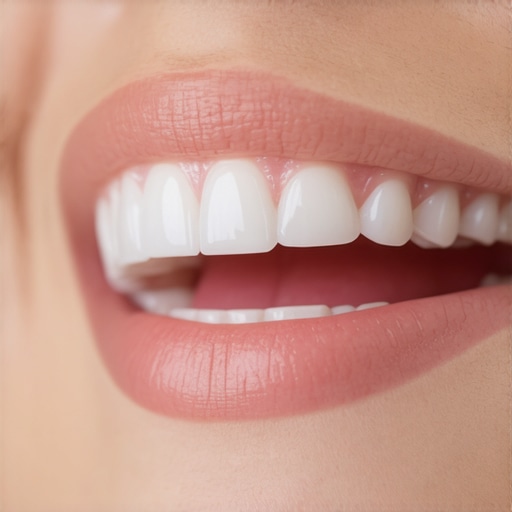
Why aesthetics often hide a structural emergency
We often separate ‘cosmetic’ work from ‘necessary’ work, but that’s a dangerous distinction. If you are looking to transform your look with expert cosmetic dentistry solutions, you must ensure the function matches the form. For instance, if you don’t understand why your porcelain veneers might look bulky or unnatural, you might be missing the fact that they are also physically interfering with your natural jaw path. In my practice, I’ve found that the best cosmetic results are the ones that actually improve the patient’s bite alignment. Choosing between dental crowns vs other restorations isn’t just about the price tag or how white the tooth looks; it’s about which material will withstand your specific grinding forces without causing the surrounding gums to look dark around a dental crown due to excessive pressure or poor fitting.
The secret is to stop looking at your teeth as individual units and start looking at your mouth as a mechanical system. If one gear is slightly out of sync, the whole machine starts to grind. Have you ever fallen into this trap—ignoring a tiny ‘high spot’ or an old crown only to have it turn into a major jaw issue? Let me know in the comments. We need to start prioritizing the engineering of our smiles just as much as the appearance.
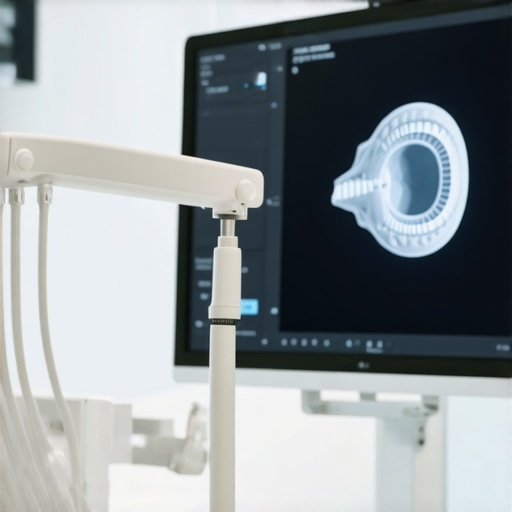
If you want to move beyond just ‘fixing problems’ and start ‘optimizing systems,’ you need to look at the tools that professional dentists use to track changes over time. I’m a huge advocate for digital intraoral scanners like the iTero. Unlike those messy putty impressions that make you gag, these scanners create a 3D map of your mouth that is accurate to the micron. This is where the role of family dentistry in ensuring oral health for all ages really shines. By taking a digital ‘baseline’ scan every year, your dentist can overlay today’s scan with last year’s to see exactly where you are losing enamel or where a tooth has shifted. According to research published in the Journal of Clinical Medicine, the use of computer-aided design and manufacturing (CAD/CAM) in restorative dentistry has reduced the rate of crown remakes by nearly 25% compared to traditional methods, simply because the fit is so much more precise. This precision is non-negotiable when you are understanding dental crowns and how they integrate into your bite long-term.
Ditch the Putty for Digital Precision
Maintenance isn’t just about the teeth; it’s about the tools protecting them. If you’re wearing a night guard or have a bridge, you need to be surgical about hygiene. I personally use an ultrasonic cleaner—a little vibrating bath—with a specialized tablet. It gets into the microscopic pores of the acrylic that a toothbrush simply can’t reach. This is especially vital for people following the best routine for cleaning under a dental bridge, as bacteria love to hide in the tightest spaces. Also, don’t forget the basics: the truth about how often you should replace your toothbrush head is that 90 days is the absolute limit before the bristles lose their structural integrity and start doing more harm than good.
Predictive Tech is Changing the Dental Game
Looking ahead, I predict we are less than five years away from ‘Smart Guards.’ We are already seeing prototypes of mouthguards embedded with pressure sensors that sync to your phone, telling you exactly which nights your bruxism was at its peak. This data will allow us to revamp your smile top cosmetic dentistry trends for 2025 by focusing on prevention before the first chip even happens. It’s a shift from reactive care to predictive engineering. When we can see the exact moment your jaw muscles begin to overwork, we can intervene with lifestyle changes or physical therapy before you ever need dental crowns explained the ultimate solution for damaged teeth as a last resort.
How do I keep my dental work looking brand new for decades?
The answer is a ‘Lifetime Maintenance’ mindset. This is the core of any good family dentistry guide building a lifetime of healthy smiles. It means showing up for those six-month checks even when nothing hurts and being willing to invest in a new guard the moment the old one shows signs of thinning. My challenge for you this week: call your dentist and ask if they have a 3D scanner. If they do, request a digital baseline scan during your next visit. It is the single best ‘insurance policy’ you can have for the future of your smile and the longevity of your dental work. Even for the little ones, caring for your childs teeth essential family dentistry tips should include these high-tech baseline records as they grow.
Hard Lessons from My Years in the Dental Chair
I’ve spent a decade helping people navigate the world of family dentistry, and if there is one thing I’ve learned, it’s that your body never lies. Grinding isn’t just a habit; it’s your nervous system reacting to physical triggers. If you ignore the structural reality of your bite, no amount of meditation will stop the enamel loss. I’ve seen patients who thought they were “cured” by stress management only to return months later needing a dentist to repair a fractured molar because the underlying misalignment was still there. Another hard truth: a high-quality night guard is an investment in your sanity, not just your teeth. Without one, you’re essentially paying for future repairs like dental crowns explained the ultimate solution for damaged teeth down the road.
The Toolkit for a Pain-Free Morning
To truly get ahead of bruxism, you need more than just a piece of plastic. I recommend keeping an ultrasonic cleaner on your bathroom counter; it’s the only way to ensure your guard doesn’t harbor bacteria that can lead to gum irritation. Secondly, always ask for a 3D digital scan during your check-up. This digital footprint is the most powerful tool for ensuring oral health for all ages because it tracks microscopic wear and tear over decades. Lastly, focus on preventative education early—sharing caring for your childs teeth essential family dentistry tips with your family can stop these destructive patterns before they become permanent. [image_placeholder_wrapup]
Take Your Life Back from Jaw Pain
You don’t have to accept a stiff jaw as part of your morning routine. Whether you are looking to transform your look with expert cosmetic dentistry solutions or simply want to sleep without pain, the first step is always the same: recognition and action. By using a family dentistry guide building a lifetime of healthy smiles, you can ensure your bite is balanced and your muscles are finally allowed to rest. Your smile is a precision-engineered machine, and with the right care, it will serve you for a lifetime. Have you ever felt like your teeth were under attack while you slept, or noticed a specific tooth that feels too high when you’re stressed? Let me know in the comments below!