I still remember the Tuesday morning I almost gagged while reaching for my toothbrush. It wasn’t because of a late night or a bad cup of coffee—it was the smell emanating from my own night guard container. I had invested a significant amount of money into my smile, even getting [dental crowns](https://alignorthodonticz.com/dental-crowns-explained-the-ultimate-solution-for-damaged-teeth) to fix years of wear, all because I could not [stop clenching your jaw](https://alignorthodonticz.com/how-to-stop-clenching-your-jaw-when-you-feel-stressed) during my high-stress work weeks. That little piece of plastic was my shield, but it had started to look more like something you’d find at the bottom of a pond. It was cloudy, stained, and smelled like sulfur. My first “neighborly” instinct was to reach for the harshest thing I had: industrial-strength mouthwash and a tiny splash of bleach. I thought, “If it kills germs on a floor, it’ll kill them on this!” Huge mistake. I woke up the next morning with a mouth that tasted like a swimming pool and gums that felt incredibly irritated. I realized then that I was being way too aggressive with something that sits against my sensitive tissues for eight hours a night. Today, I want to help you avoid that chemical burn and show you how to get your guard crystal clear using simple, safe methods that actually work.
Stop Trapping Bacteria Against Your Teeth
It is easy to think of a night guard as a solid piece of plastic, but it is actually quite porous. Every night as you wear it, it absorbs saliva and traps microscopic particles. If you’ve been wondering [why your jaw aches every time you wake up in the morning](https://alignorthodonticz.com/why-your-jaw-aches-every-time-you-wake-up-in-the-morning), your guard is doing the heavy lifting to protect your teeth, but it’s also becoming a breeding ground for bacteria. According to the American Dental Association, dental appliances can harbor significant amounts of bacteria and yeast, such as Candida albicans, which can lead to oral thrush or gum irritation if the appliance isn’t properly sanitized. We often focus so much on [family dentistry guide](https://alignorthodonticz.com/family-dentistry-guide-building-a-lifetime-of-healthy-smiles) basics like brushing and flossing, but we forget that putting a dirty guard back into a clean mouth is completely counterproductive. I made the mistake of thinking a quick rinse under the tap was enough, but that only removes the surface-level film. To really get into those pores, you need a solution that breaks down the biofilm without melting the plastic. Have you ever noticed your guard developing those stubborn white crusty spots that just won’t brush off? I’d love to know if you’ve found a “magic” solution yet, or if you’re as frustrated as I was!
Does a Natural Soak Actually Kill the Bad Stuff?
This is the number one question I get from people who are tired of the chemical aftertaste. There is a common fear that “natural” means “weak.” We are so used to the scent of chlorine or heavy alcohols that we don’t trust vinegar or baking soda to do the job. However, when you look at the [real reason your breath smells like sulfur](https://alignorthodonticz.com/the-real-reason-your-breath-smells-like-sulfur-even-after-brushing) in the morning, it’s often due to anaerobic bacteria. These bacteria hate the oxygenation provided by certain natural combinations. Using harsh chemicals can actually backfire; they can create microscopic pits in the acrylic of your guard, which then act as tiny “caves” where even more bacteria can hide, away from the reach of your toothbrush. By using a gentler, more effective approach, we protect the smooth surface of the guard, making it harder for plaque to stick in the first place. It’s about being smart, not just being loud with your cleaning supplies. Let’s dive into the exact steps to get that “brand new” look back.
Wash Away the Morning Biofilm Before It Hardens
The second you pop that guard out in the morning, you are in a race against time. Saliva is a specialized fluid, but once it hits the air, it begins to dry and harden into a sticky film. If you just toss it in the case, you are essentially ‘baking’ those bacteria onto the plastic. I learned this the hard way during a busy week where I was barely getting enough sleep; I’d just shove the guard into its container and run. By Friday, the guard felt like it was covered in sandpaper. That is exactly why your teeth feel furry even after you just brushed them—plaque is colonizing the surface. Rinse it immediately with lukewarm water. Notice I said lukewarm, not hot. I once thought boiling water would be the ultimate sanitizer, but I ended up with a warped piece of plastic that wouldn’t fit over my molars, nearly ruining the work done by my family dentistry guide professional. Warmth helps loosen the saliva, but heat destroys the custom fit.
Why You Should Never Use Your Main Toothbrush
It is tempting to just use the same brush you use for your teeth, but don’t do it. Most toothpastes are abrasive—they contain tiny particles designed to scrub enamel, which is the hardest substance in the human body. Your night guard is made of acrylic or laminate, which is much softer. When you scrub it with abrasive paste, you create microscopic grooves. These grooves are like luxury hotels for bacteria. You can’t see them with the naked eye, but you’ll notice the guard getting ‘cloudy’ faster. Instead, keep a separate soft-bristle brush specifically for your appliance and use a mild, fragrance-free dish soap. This cuts through the oils and proteins in your saliva without ‘sanding’ the surface down. This is similar to how to clean clear aligners that have turned yellow or cloudy without causing permanent damage to the transparency.
The Vinegar and Baking Soda One-Two Punch
When the cloudiness won’t budge with soap, it is time for a deep soak. Think of this as a ‘reset button’ for your guard. I do this every Sunday morning while I’m making breakfast. Grab a clean glass and mix one part white distilled vinegar with three parts water. Vinegar is an acetic acid, which is incredibly effective at breaking down the calcium deposits (that white crusty stuff) that build up over time. 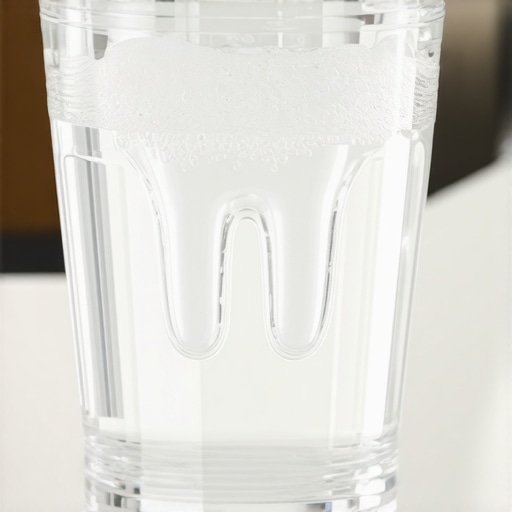
Let the Oxygen Do the Scrubbing
After the guard has soaked in the vinegar solution for about 30 minutes, it might still have a slight scent. This is where the magic happens. Take it out, rinse it, and then place it in a fresh glass of water with a tablespoon of baking soda dissolved in it. The baking soda is alkaline, which neutralizes the acid from the vinegar and helps lift any remaining debris. It is a much safer alternative to harsh bleaches which can make the plastic brittle. I remember one specific time I tried a generic ‘denture cleaner’ that was too strong; it made the edges of my guard feel sharp against my gums. Using this natural soak keeps the material supple and clear. This level of care is essential, especially if you have other dental work, as it helps you how to tell if your crown is leaking and trapping bacteria by ensuring the environment in your mouth stays as neutral and clean as possible.
Air Drying is the Final Shield
The biggest mistake I see people make after a deep clean is putting a wet guard straight into a closed case. This creates a miniature ‘swamp’ environment. Mold and yeast thrive in dark, damp spaces. After your soak and rinse, lay your guard on a clean, lint-free towel and let it air dry completely before closing it up. If you’ve been wondering why your jaw aches every time you wake up in the morning, it might not just be the clenching—it could be the inflammation from a guard that isn’t as clean as it looks. A bone-dry guard is a safe guard. Keeping it dry prevents the growth of the very organisms that cause that dreaded sulfur smell.Most people believe that a night guard’s only job is to provide a physical cushion between the upper and lower teeth. However, if you have invested in dental crowns explained as a solution for worn enamel, the nuance of material choice becomes a critical factor for your long-term health. A common mistake I see is the preference for ‘soft’ or ‘squishy’ store-bought guards because they feel more comfortable initially. In reality, these can be a major trap.
The ‘Soft Guard’ Myth That Could Damage Your Jaw
While it sounds counterintuitive, a soft guard can actually encourage you to clench more. According to the American College of Prosthodontists, soft materials can stimulate the masseter muscle, essentially turning your night guard into a ‘chew toy’ that reinforces the habit of bruxism. A study published in the Journal of Oral Rehabilitation confirms that while soft splints might offer immediate relief, they often increase electromyographic activity in the jaw muscles compared to hard acrylic guards. For those who have undergone a revamp your smile top cosmetic dentistry trends for 2025 treatment, using the wrong material can put immense pressure on your new restorations, leading to fractures or premature wear. 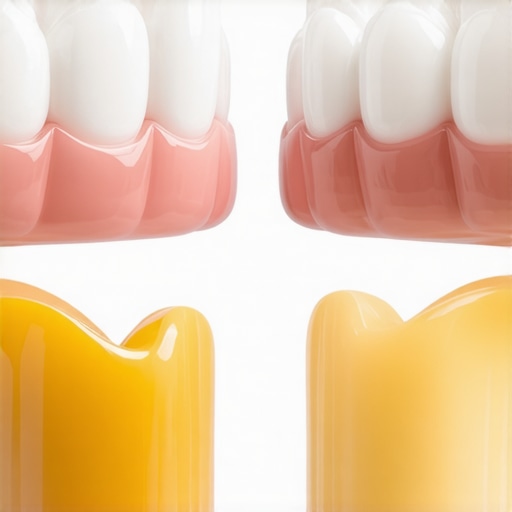
Why Your Custom Crown Needs More Than Just a Surface Rinse
If you are understanding dental crowns when and why they are needed, you know they are designed to be durable, but the margin where the crown meets your natural tooth is vulnerable. When you wear a night guard that hasn’t been deep-cleaned, you are essentially pressing a concentrated layer of acidic biofilm directly against those margins for eight hours. This isn’t just about bad breath; it’s about preventing ‘secondary decay’ under the crown. High-end the role of family dentistry in ensuring oral health for all ages focuses on this preventive synergy: the guard protects the crown from physical force, but only if your cleaning routine protects the guard from chemical erosion.
Why Does Your Bite Feel Different After Six Months of Wear?
This is an advanced question that many long-term users struggle with. If you notice your teeth don’t seem to meet perfectly in the morning, it might not be your teeth shifting—it could be your guard ‘warping’ or accumulating enough microscopic debris to change the way it sits. Even a 100-micron difference in thickness (less than the width of a human hair) caused by scale buildup can alter your bite. This is why professional cleanings aren’t just for your teeth; bringing your guard to your check-up allows your dentist to ensure the appliance hasn’t become a liability to your alignment. Have you ever fallen into this trap of choosing a soft guard over a professional one? Let me know in the comments.If you want to move beyond the kitchen-sink method, I highly recommend investing in a small ultrasonic cleaner. I use a professional-grade model specifically designed for dental appliances. These devices use high-frequency sound waves to create millions of microscopic cleansing bubbles that implode, literally blasting biofilm out of those tiny acrylic pores. It’s the same technology used in premium the role of family dentistry in ensuring oral health for all ages settings to sterilize surgical tools. According to a study published in the Journal of Clinical and Diagnostic Research, ultrasonic cleaning is significantly more effective at reducing microbial counts than manual brushing alone, especially for complex surfaces. This is particularly vital if you have gone through a dental crowns vs other restorations which is right for you decision, as reducing the bacterial load in your mouth directly protects the longevity of your dental work. 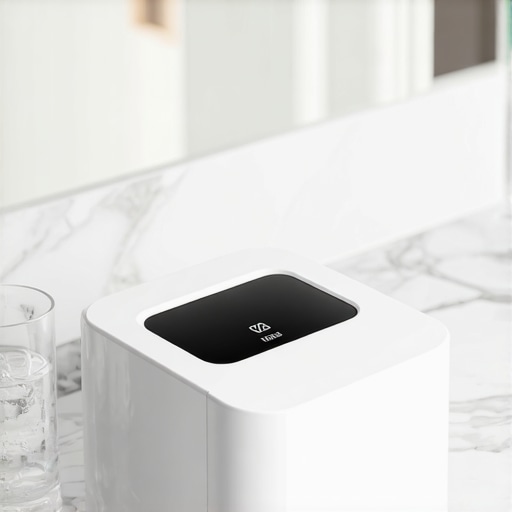
How do I maintain my dental appliance for the long haul?
Maintenance isn’t just about the nightly soak; it is about the environment you create for your teeth. I suggest scheduling a ‘fit check’ every year. Our jawbones and teeth naturally shift as we age—a process often discussed in any family dentistry guide. If your guard starts to feel tight or creates a sore spot, don’t just stop wearing it. That gap in protection is when you risk a the real cost of delaying a root canal for a month if you crack a tooth or crown due to unmanaged clenching. I personally keep a travel-sized bottle of fragrance-free soap in my overnight bag so I never have an excuse to skip a cleaning when I’m away from home. Looking ahead, I predict we will see ‘smart’ night guards within the next five years—3D-printed appliances with embedded sensors that track your clenching intensity and sync with an app. This will allow your transform your look with expert cosmetic dentistry solutions specialist to adjust your treatment plan based on real-time data rather than just looking at the wear on the plastic. If you have children, remember that caring for your childs teeth essential family dentistry tips should include checking for early signs of grinding too. To get started today, I challenge you to ditch the toothpaste and try a mild soap rinse—you will notice the difference in the clarity of your guard by tomorrow morning.
What Five Years of Wear Taught Me About My Oral Shield
One thing nobody tells you is that your night guard is a living history of your stress levels. When I started paying attention, I noticed the wear patterns changed significantly during high-pressure months. If you see deep grooves forming on the surface, don’t ignore them. This is often the first sign that you need to revisit the role of family dentistry in ensuring oral health for all ages to adjust your treatment plan before you accidentally crack a tooth. Another lightbulb moment was realizing that ‘clear’ doesn’t always mean ‘clean.’ Bacteria can be invisible to the naked eye. If your gums feel slightly tender or inflamed in the morning, it’s rarely the physical fit—it’s usually the microscopic hitchhikers you failed to wash away. I’ve learned that a night guard isn’t a ‘set it and forget it’ tool; it’s an evolving part of your health strategy that requires active maintenance.
A Curated Toolkit for Pristine Dental Gear
Over the years, I’ve whittled my routine down to the essentials to save time without sacrificing hygiene. I recommend staying away from ‘mystery’ cleaning tablets sold at big-box stores unless they are specifically PH-balanced, as some can actually degrade the acrylic. Instead, my personal arsenal includes a dedicated high-quality ultrasonic cleaner for deep weekly cleans, a bottle of distilled white vinegar for mineral removal, and a mild, dye-free dish soap for daily use. #IMAGE_PLACEHOLDER_E# If you are looking to revamp your smile top cosmetic dentistry trends for 2025, these small habits will protect that investment better than any expensive whitening treatment could. These tools ensure your guard remains transparent and odor-free for years rather than months.
Invest in Your Future Smile Today
Taking care of your night guard might feel like just another chore in a busy life, but it is actually a vital act of self-care. Every time you rinse and dry that appliance properly, you are preventing systemic inflammation, protecting your dental crowns explained, and ensuring you wake up without the pain associated with bruxism. Your oral health is a long game, and the small, consistent habits are the ones that pay the highest dividends. Don’t let a bit of plaque stand in the way of a healthy, confident you. Have you ever noticed your night guard smelling strange even after a quick rinse? Let me know in the comments below!