I’ll never forget the moment I looked in the mirror and realized my teeth weren’t the same anymore. Years of smoking had turned my once vibrant smile into a dull, yellowish grin. It was a wake-up call that made me question whether I could ever get my pearly whites back. If you’ve found yourself in a similar situation, feeling frustrated and perhaps even a bit hopeless, you’re not alone. I understand how personal confidence plummets when your smile isn’t what it used to be.
Reclaiming Your Smile Doesn’t Have to Be a Dream
Today, I want to share the journey I took—and the proven methods I discovered—to help restore my teeth’s whiteness. Whether you’re looking for simple at-home tips or considering professional treatments, there are realistic options that can transform your smile and boost your confidence. The good news is, you don’t need to continue hiding behind a closed-mouth smile; a brighter, healthier look is achievable with the right approach.
Will These Solutions Work for Everyone’s Unique Situation?
One common mistake I made early on was expecting quick fixes without understanding my specific dental health. Not all whitening methods suit everyone, especially if you’ve had longstanding staining from smoking. Consulting with a dental professional is essential to craft a personalized plan. For a deeper understanding of how different treatments compare, you might check out this comprehensive guide on dental restorations. Knowing your options helps you make informed decisions and avoid costly mistakes.
So, if you’ve been battling stubborn stains from years of smoking and wonder if there’s a way to turn back the clock, stick with me. I’ll walk you through effective strategies and share insights that can finally help you achieve the bright smile you deserve. Let’s dive into the practical steps starting with understanding what really causes those stubborn stains and how professional dentistry can make a difference.
,
Book a Consultation with a Dental Professional
My first move was to schedule an appointment with a trusted dentist who specializes in cosmetic treatments. Think of this as consulting a mechanic before fixing a car; an expert can diagnose issues I couldn’t identify myself. During the visit, I asked about whitening options and potential restorations like dental crowns. The dentist examined my teeth, evaluated the extent of staining, and discussed personalized treatment plans. For a comprehensive overview, explore this article on dental crowns.
Develop a Customized Whitening Strategy
After the consultation, I chose an at-home whitening kit recommended by my dentist. Using a thin, custom-fitted tray filled with a bleaching gel is akin to wearing a tailored suit—comfort and effectiveness go hand in hand. I applied the gel exactly as instructed, ensuring the tray fit snugly to maximize contact with my teeth and prevent saliva from diluting the solution. Regularly maintaining the tray’s cleanliness was crucial to avoid bacterial buildup. I once skipped this step, which resulted in minor gum irritation—an easy mistake to fix once I became aware. For more insights into whitening options, check out latest cosmetic dentistry trends.
Address Stubborn Stains Through Restorative Treatments
For persistent discoloration, my dentist recommended dental crowns—like custom helmets for damaged teeth. These crowns are crafted from durable materials and match the color of natural teeth, creating a seamless smile. The process involved prepping my affected teeth by removing a thin layer to accommodate the crown, then fitting and cementing the restoration. The transformation was visible immediately. Think of it as replacing a chipped tile to restore the aesthetics of your floor—immediate and impactful. I was unsure about the fit at first, but the dentist made adjustments, emphasizing the importance of proper sizing to prevent discomfort. To understand when crowns are necessary, review this comprehensive guide.
Prioritize Preventive Care to Maintain Your New Look
Maintaining my bright smile required consistent dental hygiene practices: brushing twice daily with fluoride toothpaste, flossing thoroughly, and scheduling regular professional cleanings. Think of your teeth as a garden—weekly care and occasional pruning keep everything vibrant. During cleanings, my hygienist used specialized tools to remove plaque and surface stains, much like cleaning years of dirt from a window. This not only preserved my whitening results but also improved my overall oral health. For tips on comprehensive dental care, visit this family dentistry guide.
Stay Consistent and Adapt Your Routine
Finally, I learned that consistency is key. I integrated whitening toothpaste into my routine and limited foods that stained my teeth—like coffee and red wine. Using a straw for beverages minimized contact with my teeth, akin to protecting new paint with a shield. When I experienced minor sensitivities after treatment, switching to desensitizing toothpaste helped. Remember, every smile is unique; regular check-ups allow your dentist to adjust your plan as needed. To stay informed on latest innovations, explore latest cosmetic dentistry innovations.
Many patients and even some practitioners hold misconceptions about crowns and aesthetic dental treatments, often leading to suboptimal choices or unexpected outcomes. One common misunderstanding is that all crowns are created equal; however, the materials used—such as porcelain, ceramic, or metal—offer distinct advantages and limitations that can significantly affect durability and appearance. For example, while porcelain crowns mimic the natural translucency of teeth, they may be more prone to chipping if not properly designed or if the patient consumes excessively hard foods. Recognizing these nuances empowers you to have more informed conversations with your dentist and select the best restorative option for your lifestyle.
A frequent myth is that cosmetic dentistry is purely superficial and lacks long-term benefits. In reality, modern advancements like minimally invasive veneers and digital smile design can enhance function, improve bite, and boost confidence—sometimes with less tooth reduction than traditionally thought necessary. This misconception often discourages individuals from exploring these options early, potentially leading to more invasive procedures down the line. Staying updated with evolving techniques, such as those outlined in latest cosmetic trends, ensures you make choices aligned with current standards of minimally invasive, high-impact care.
What advanced pitfalls should be avoided when opting for family or cosmetic dentistry?
One overlooked nuance is the importance of comprehensive planning and diagnosis before proceeding with treatments. For instance, jumping directly into crown placement without evaluating underlying issues—like decay, occlusion, or gum health—can lead to failure or the need for retreatments. This is akin to building a house on a shaky foundation; the initial investment may seem lower, but the long-term costs rise dramatically. According to studies published in The Journal of Prosthetic Dentistry, failure rates increase when practitioners neglect the holistic assessment of oral health, which highlights the need for a detailed treatment plan.
Additionally, many assume that cosmetic solutions are only for aesthetic improvement; yet, they often contribute substantially to functional dynamics, preventing advanced wear or bite problems. This underscores the importance of partnering with a skilled dentist who can integrate functional and cosmetic goals seamlessly. For insights on how family dentistry plays a role across all ages, explore this comprehensive guide.
Have you ever fallen into this trap? Let me know in the comments and share your experiences of uncovering hidden details that made all the difference in your treatment journey.
Keep Your Smile in Shape with the Right Tools and Techniques
Maintaining the longevity and functionality of dental crowns and cosmetic restorations requires more than just good habits; it hinges on using the right tools and adopting effective practices. Over the years, I’ve refined my routine and invested in specific equipment that has proven essential for preserving my smile and ensuring my dental work lasts. In this post, I’ll share the tools I personally recommend—detailing why they work and how they help prevent common issues like chipping, staining, or looseness.
Power Toothbrushes for Superior Cleaning Power
My go-to is the Sonicare DiamondClean. Unlike manual brushing, it delivers ultrasonic vibrations that dislodge plaque and surface stains without excessive pressure, crucial for crowns and veneers. The gentle yet thorough cleaning prevents accumulation around restorations, reducing the risk of decay at the margins. Regular use of such a device keeps my restorations free from plaque buildup, extending their lifespan. As dental professionals note, sonic technology is beneficial for maintaining implant and crown integrity in the long term.
Interdental Cleaning at Its Best
I prefer using water flossers like the Waterpik Aquarius. These are especially gentle on restorations but powerful enough to clear debris from tight spaces. When flossing, I employ the ‘X’ technique—curving the floss into a gentle C shape around each tooth—ensuring thorough cleaning without damaging the cemented margins. This practice, combined with a water flosser, helps prevent issues like localized gum recession and crown detachment. For specific guidance on flossing around restorations, check out this article on oral hygiene post-restoration.
Use an Oral Irrigator for Soft Tissue Health
Adding an oral irrigator is a game-changer. The pulsating water stream massages gums and dislodges particles that brushing might miss. I use mine daily to keep the area around my crowns healthy, which is vital for preventing gingival recession that can compromise restorative margins. Maintaining healthy gums contributes significantly to long-term crown stability, as emphasized by recent studies on periodontal health and prosthetic longevity.
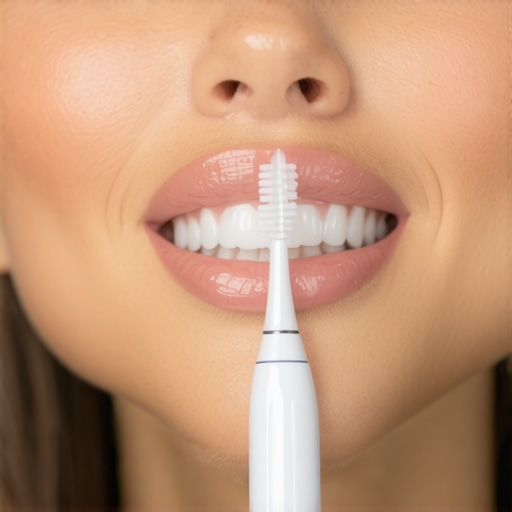
Think of your dental tools as the maintenance crew for your smile. Choosing high-quality, effective equipment means fewer trips to the dentist for repairs and replacements. Moreover, staying consistent with these practices ensures your efforts translate into long-lasting, beautiful results. Remember, routine maintenance isn’t just about brushing—integrating advanced tools like sonic toothbrushes and water flossers can significantly improve outcomes.
How do I maintain my crowns and cosmetic dentistry over time?
Keeping your dental work in prime condition is an ongoing process. Regular check-ups are essential—they allow your dentist to spot early signs of wear or damage and perform professional cleanings that preserve your restorations. I also recommend using recommended products like desensitizing toothpaste if you notice sensitivity, as well as avoiding hard or sticky foods that could chip or dislodge crowns. As I mentioned earlier, adopting a consistent routine with quality tools not only makes maintenance easier but also extends the life of your dental investments. Looking ahead, advancements in dental materials and smart technology—such as AI-driven imaging—promise even more durable and low-maintenance solutions in the future, as discussed in recent cosmetic dentistry trends for 2025.
Lessons That Changed My Perspective on Crowns and Cosmetic Dentistry
- Not All Restorations Are Created Equal: I initially believed that choosing a crown was simply about appearance, but I learned that material durability and fit are equally crucial—trusting my dentist’s expertise made all the difference.
- Personalized Plans Save Time and Money: Rushing into treatment without understanding my unique dental health led to complications. Now, I know that a customized approach ensures long-term success and peace of mind.
- Prevention Is My Best Ally: Regular maintenance and proper tools, like sonic toothbrushes, have been game-changers in preserving my cosmetic results, preventing future issues, and maintaining overall oral health.
Tools and Resources That Guided My Journey
- Latest cosmetic dentistry trends: Staying informed about cutting-edge techniques helps me make confident choices aligned with current innovations.
- Understanding dental crowns: This resource demystified the different types and how they fit into my overall dental plan, making me an empowered patient.
- Innovations in cosmetic dentistry: Learning about new materials and procedures keeps me motivated to invest in my smile’s longevity.
Your Smile’s Next Chapter Starts Now
Remember, achieving and maintaining a radiant smile is a journey filled with discovery, patience, and the right guidance. With each step, you’re building confidence that radiates beyond your reflection. Don’t wait for perfect — start today, and let your smile tell your story of resilience and renewal.
What was the most surprising thing you learned about crowns or cosmetic dentistry during your own journey? Share your experiences below!