I spent three weeks convinced my mouth was trying to eject a titanium screw like a splinter. Every morning, I would stand in front of the bathroom mirror, flashlight in hand, gently poking my gums and wondering if that tiny throb was a sign of success or a very expensive failure. I even made the classic rookie mistake of trying to ‘test’ the sturdiness by wiggling it with my finger—please, if you take one thing from my experience, don’t do that. It is the fastest way to turn a normal healing process into a panicked call to the office. If you have been searching for expert cosmetic dentistry solutions to restore your smile, the waiting game is easily the hardest part. Today, I’m going to help you stop second-guessing your body and show you exactly how to tell if that implant is becoming a permanent part of your jaw.
You Can’t Force the Bone to Cooperate
The process of the bone growing into the implant is called osseointegration, and it is a biological miracle that refuses to be rushed. In the early days, I was constantly checking for any hint of movement. I was terrified that I might be one of the rare cases where the body says ‘no thanks.’ If you are worried about the same thing, it helps to know how to tell if your dental implant is being rejected by your body, because the signs of failure are usually much louder than the signs of success. Most people expect a grand signal that the fuse is complete, but in reality, a successful implant is a boring implant. It shouldn’t feel like anything at all. In fact, a study published in the Journal of Clinical Medicine notes that titanium is so biocompatible that bone cells attach directly to the metal surface without any fibrous tissue interference, effectively making it part of your skeleton.
Is it actually possible for metal to become part of my body?
It sounds like science fiction, doesn’t it? But it’s the gold standard for a reason. When I first started this journey, I was skeptical. I worried that my jaw would always feel ‘heavy’ or that I’d feel a cold chill in my bone during winter. None of that happened. Once the fusion is complete, the implant doesn’t just sit in the hole; it becomes an anchor. If you’ve been wondering if your dental insurance will cover a new implant, you likely already know how much of an investment this is, which only adds to the stress of the healing period. The good news? When it works, you’ll forget it’s even there. Have you caught yourself obsessively checking your implant in the mirror today? Don’t worry, we’ve all been there. Let’s look at the specific indicators that mean you’re finally in the clear.
The Quiet Signs of a Winning Smile
A successful fuse is marked by a total lack of drama. If you can chew soft foods without a sharp ‘zap’ or a dull ache, you are on the right track. Early on, I was confused because I thought I should feel ‘growth’ happening. Instead, the swelling went down, the redness faded into a healthy pink, and the area just felt… solid. It is important to distinguish this from later issues, such as why your dental implant crown keeps coming loose, which is usually a mechanical issue rather than a bone failure. If the base is solid, the rest is just maintenance. Even if you eventually experience things like your dental implant feeling loose after a few years, that often points to gum health rather than the initial fuse failing. Success is a silent, steady foundation.
Listen for the High-Pitched Ring of Success
When you go in for your follow-up, your dentist will likely perform what I call the ‘tuning fork test.’ They take a small metal instrument and gently tap the metal post. I remember the first time this happened; I gripped the armrests of the chair, expecting a jolt of pain to shoot through my jaw. Instead, I heard a distinct, high-pitched ‘clink.’ That sound is music to a dentist’s ears. It means the titanium has integrated so well with the bone that they are vibrating as a single, solid unit. If the sound is a dull ‘thud,’ it usually suggests the bone hasn’t quite packed in tightly enough yet. Think of it like a fence post—if you wiggle it and the dirt around it is loose, you’ll hear a soft, muddy sound. If it’s set in cured concrete, it rings. If you’re worried about any strange sensations during this phase, it’s worth checking how to tell if your dental crown has a hidden crack once the restoration is complete, as structural integrity is everything.
How Your Final Crown Completes the Restoration
The metal screw is the foundation, but the part that makes you feel human again is the crown. Once your dentist confirms the fuse is successful, they’ll move on to dental crowns explained: the ultimate solution for damaged teeth. I remember the day my permanent crown was finally attached. For months, I had been used to a gap or a small metal ‘healing cap’ that felt like a pebble in my mouth. When the porcelain crown went on, my bite felt slightly off for about twenty minutes, which is totally normal. I actually panicked and thought the height was wrong, but my dentist explained that the surrounding teeth were just getting used to having a neighbor again. This is why some people report that their crown feels tight when they wake up during those first few weeks of adjustment.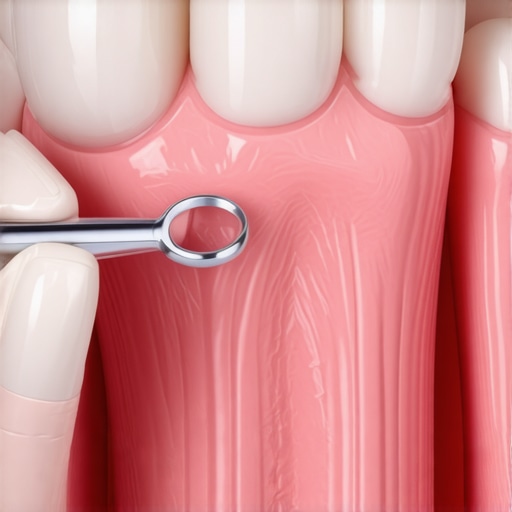
Protect the Investment with Direct Action
Once that crown is on, you aren’t just done; you’re now a guardian of a high-tech prosthetic. You have to treat the area with the same respect you’d give a natural tooth, if not more. I made the mistake of thinking my ‘fake’ tooth was invincible and tried to bite through a hard plastic garment tag. The sharp ‘snap’ I heard sent me spiraling, but luckily I hadn’t damaged the base. It’s a reminder that while expert cosmetic dentistry solutions are incredibly durable, they still rely on your habits. You should maintain a strict cleaning schedule to prevent peri-implantitis, which is basically gum disease for implants. Integrating the role of family dentistry in ensuring oral health for all ages means making sure your dentist checks the site twice a year. If you ever notice the top part wobbling, don’t panic, as why your dental implant crown keeps coming loose is usually a simple fix involving the abutment screw rather than the implant itself. Your job is to keep the gums healthy so the bone stays strong around that titanium anchor.One of the biggest misconceptions I had—and I see it everywhere—is the idea that cosmetic dentistry innovations to watch are purely about the ‘after’ photo. Everyone thinks the goal is just a white tooth, but in reality, the crown is a structural shield for the bone underneath. If you treat it like a beauty product rather than a critical skeletal component, you’ll likely face the ‘oops’ factor within five years. The trap is assuming that because titanium can’t get a cavity, the area is invincible. It isn’t. In fact, a study published in the International Journal of Oral & Maxillofacial Implants highlights that the ‘biological width’—the specific way your gum tissue attaches to the abutment—is the real gatekeeper of longevity. If you neglect hygiene because you think ‘it’s just a fake tooth,’ you’re inviting bacteria to bypass your defenses and attack the very bone that’s holding that expensive screw in place. This is where a family dentistry guide: building a lifetime of healthy smiles becomes your best friend; your regular hygienist sees the subtle changes in your gums long before you feel a wiggle.
Can my dental restoration actually prevent my face from aging prematurely?
It sounds like a marketing pitch, doesn’t it? But there is a hidden nuance here that most people miss. When you lose a tooth, your jawbone starts to resorb—basically, it melts away because it no work to do. This is why your face looks different after losing back teeth; the lower third of your face can actually collapse or ‘sink in’ over time. An implant stops this process, while a bridge or a simple cosmetic cover-up might not. I’ve seen people opt for a quick fix because of the real cost of delaying a necessary dental crown, only to realize later that they’ve compromised their facial structure. If you’re deciding between options, don’t just look at the price tag of the tooth itself—look at the preservation of your jawline.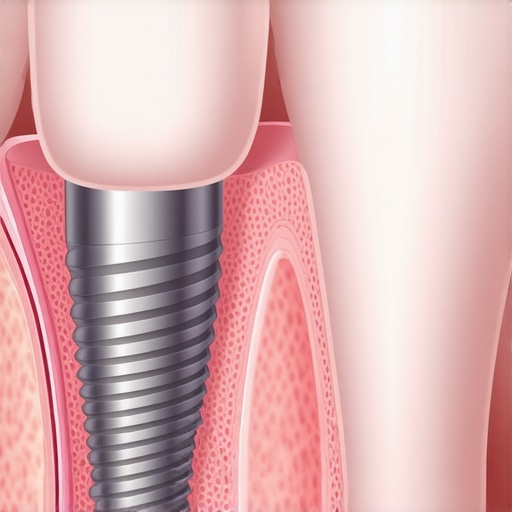
Don’t Panic Over the Dark Line Trap
Another common ‘trap’ that sends people into a tailspin is the appearance of a shadow near the gums. You might notice why your gums look dark around a dental crown and assume the worst. My friend panicked for two weeks, thinking her implant was rotting out. In reality, older crowns often had a metal substructure that would show through as the gums naturally matured or thinned. Today, we have better materials, but the fear remains. If you’re seeing darkness, it’s often a sign of tissue thinness or light refraction rather than an emergency. However, you shouldn’t ignore it; modern expert cosmetic dentistry solutions can swap those old-school crowns for translucent zirconia that looks—and behaves—like a real tooth. Finally, let’s talk about the ‘forever’ myth. Even though your implant can last a lifetime, the crown on top has a shelf life. People get frustrated when they realize they might need a replacement in 10 or 15 years, but think of it like the tires on a high-performance car. The engine (the implant) is solid, but the parts that hit the road (the crown) wear down. Knowing the truth about how often you should replace your toothbrush head is just the start of the maintenance mindset you need. Have you ever fallen into the trap of thinking a dental fix was a ‘set it and forget it’ situation? Let me know in the comments.Once you’ve made the leap into the world of dental restorations, the honeymoon phase eventually transitions into what I call the stewardship phase. It’s no longer about the excitement of the transformation; it’s about the daily grind of protection. I’ve realized that standard drugstore tools often fall short when you are managing a mix of natural enamel and high-end porcelain. If you’ve been looking for expert cosmetic dentistry solutions, you need to match that professional work with a professional-grade home routine. I personally switched to a high-pressure water flosser specifically because of the ‘Plaque Seeker’ tip—a tiny brush-ended attachment that gets into the nooks where a crown meets the gumline. Standard string floss can sometimes shred against the margin of a restoration, but water irrigation flushes the bacteria out without mechanical friction. This is especially vital when you consider revamp your smile: top cosmetic dentistry trends for 2025, which favor minimally invasive but highly precise fits that require meticulous cleaning.
The tools I actually keep in my bathroom cabinet
I don’t just use any toothbrush; I’ve moved to a sonic-powered brush with a pressure sensor. This is a game-changer because many of us tend to scrub harder on our ‘fake’ teeth to keep them white, which actually leads to gum recession. If you’ve ever wondered why your gums are receding despite using a soft toothbrush, it’s often because of the ‘scrubbing’ motion rather than the bristles themselves. I also swear by TePe interdental brushes. These tiny, pipe-cleaner-like tools are the only things that truly navigate the space under a bridge or around an implant abutment. According to Dr. Nicholas Caplanis, a leading expert in implantology and past president of the American Academy of Implant Dentistry, the mechanical debridement of biofilm is the single most important factor in preventing peri-implantitis. Unlike natural teeth, implants lack a periodontal ligament, meaning the blood supply—and therefore the immune response—at the site is different. You have to be the first line of defense.
How do I maintain my dental restoration over time?
Consistency is the only real ‘secret.’ I’ve found that the best way to handle this is to treat your morning and evening routines as two different tasks. In the morning, focus on protection. I use a fluoride-rich paste (even on my crowns) to protect the underlying tooth structure and the surrounding neighbors. This is also the time to think about lifestyle impacts. For example, knowing how to keep your teeth white if you drink coffee every day is a survival skill for anyone with veneers or crowns, as the porcelain itself won’t stain, but the cement lines and your natural teeth definitely will. At night, I focus on the ‘deep dive’—this is when the water flosser and interdental brushes come out. If you are debating dental crowns vs other restorations, remember that the maintenance doesn’t change much, but the stakes do. 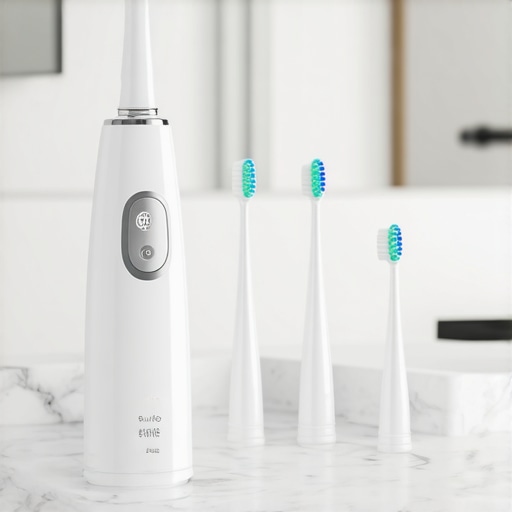
Why the future of dental care is moving into your smartphone
I predict that within the next few years, we will see a massive shift toward AI-guided home monitoring. We are already seeing the beginning of this with ‘smart’ mirrors that can highlight areas of inflammation. Imagine a world where your phone’s camera can scan your mouth and tell you exactly where your gums are starting to look ‘spongy’ before you ever feel pain. This kind of tech will make family dentistry guide: building a lifetime of healthy smiles much easier to follow because the feedback loop will be instant. For now, we have to rely on our own eyes and regular check-ups. If you haven’t yet, I highly recommend trying this advanced tip: dip your interdental brush in a non-alcohol antimicrobial mouthwash before sliding it between your teeth. It delivers the medicine directly to the sulcus where it’s needed most. It’s a tiny tweak that can add years to the life of your restoration.
The Subtle Hard Truths No One Mentions About Living with Titanium
I realized throughout my journey that the “success” sound isn’t just for the dentist; it is for your own peace of mind. One thing I truly did not expect was the “phantom tooth” feeling. Even after the osseointegration is complete, your brain might still “remember” the gap for a few weeks, leading to a strange sensation when you swallow or speak. Additionally, while the titanium itself is impervious to decay, the area where the crown meets the gum is a high-traffic zone for bacteria. It is essential to learn how to tell if your dental crown is causing your bad breath because catching a minor hygiene issue early can prevent the inflammation that threatens your bone’s grip on the implant.
My Must-Have Gear for a Forever Foundation
#IMAGE_PLACEHOLDER_E#
If you want to protect your investment, you have to move beyond the basic plastic toothbrush. I rely on three specific items to keep my restoration in peak condition. First, a high-quality water flosser is non-negotiable for reaching the undersides of the crown that traditional string cannot touch. Second, I keep a variety of TePe interdental brushes in my travel kit to clear away debris after meals. Finally, as we look toward revamp your smile: top cosmetic dentistry trends for 2025, the focus is increasingly on biocompatible maintenance. These tools aren’t just accessories; they are the insurance policy for your surgical outcome. I trust these methods because they provide mechanical cleaning without the aggressive scrubbing that causes recession.
Why This Investment Changes More Than Just Your Bite
Looking back, the weeks of worry and the flashlight checks in the bathroom mirror were just small hurdles on the path to a permanent solution. The confidence of a gap-free smile and the ability to eat without hesitation is worth every second of the waiting game. If you are feeling overwhelmed by the process or are ready to take that first step toward a restored smile, feel free to contact us to discuss your specific needs. By following a comprehensive family dentistry guide: building a lifetime of healthy smiles, you can ensure that your cosmetic dentistry journey leads to a lifetime of oral health. Have you ever felt a “phantom” sensation in a gap where you used to have a tooth? Let me know in the comments below!