I remember the exact sound my front tooth made when it hit the edge of the granite countertop—a dull, sickening thud followed by the unmistakable metallic tang of blood. I reached up, my finger trembling, and gave it a tiny nudge. It moved. Not much, but just enough to send a cold shiver down my spine. At thirty-five, I thought my days of loose teeth were long gone, buried in memories of the Tooth Fairy and playground scrapes. But there I was, staring into the bathroom mirror, wondering if I was about to lose my smile forever. It is a terrifying, visceral moment when you realize your adult teeth aren’t quite as indestructible as you believed. If you are sitting there right now, gently poking a tooth that feels ‘off’ after a fall or a rogue elbow, I need you to stop. Take a deep breath. I have been in those exact shoes, and I know the panic. Today, I am going to share exactly how to navigate this crisis, from the immediate seconds after the impact to the long-term fixes that actually work. Have you ever felt that stomach-dropping sensation of a tooth shifting where it shouldn’t?
Stop Wiggling It and Listen to This
I made a massive mistake in those first few minutes: I kept wiggling the tooth with my tongue to ‘check’ if it was still loose. Every time I did that, I was actually tearing the tiny periodontal ligaments trying to hold that tooth in place. It is a natural instinct to test the damage, but you have to fight it. When you deal with an injury, whether it is a blunt force hit or how to handle a tooth that was pushed into the gum during a fall, stability is your best friend. Your body is remarkably good at healing if you just give it a chance to sit still. This is not just a cosmetic issue; it is a race against the clock to save the living tissue inside the root.
Is My Tooth Actually Going to Fall Out?
This is the fear that keeps you up at 2 AM after an accident. According to the American Association of Endodontists, millions of teeth are injured every year, and the vast majority can be saved if treated within the first hour. Your tooth might feel like it is hanging by a thread, but the goal of modern family dentistry is to stabilize the area before the nerve dies.
The First Three Steps to Save Your Smile
First, do not touch it. Second, rinse your mouth very gently with cool water to see the extent of the damage. If there is a crack, you might eventually need to look into understanding dental crowns to protect what is left. Third, call a professional immediately. I used to think I could ‘wait and see’ if the tooth tightened up on its own, but that delay almost cost me my tooth. If you are currently away from home, knowing how to handle a dental emergency while traveling can be the difference between a simple splint and an expensive implant. We are going to dive into the specifics of splinting and soft-food diets next, because what you eat in the next 48 hours is going to be the deciding factor.
Race the Clock to the Dental Chair
Time is the most critical factor when an adult tooth becomes loose. Think of your tooth like a freshly planted sapling; if the roots are disturbed before they can take hold, the plant dies. In your mouth, those roots rely on a delicate blood supply that can be severed by the force of an impact. You have a narrow window—often called the ‘Golden Hour’—to get professional help. While you might be tempted to wait for a regular appointment, this is a situation for emergency family dentistry. I remember sitting in the waiting room, pulse racing, clutching a cold compress to my face. The mistake I almost made was thinking I could sleep on it. If the nerve inside the tooth dies because of a delay, you move from a simple fix to needing a root canal or an extraction.
Stability Comes First with Dental Splinting
When you finally reach the dentist, the first goal is immobilization. They use a technique called splinting, which is essentially a temporary anchor. I watched my dentist use a thin, flexible wire and a bit of composite resin to ‘tie’ my loose tooth to the healthy, stable teeth next to it. It felt strange—like having a single brace on—but the relief of knowing the tooth couldn’t wiggle anymore was instant. This process is very similar to the best way to fix a loose bracket before your wedding, focusing on immediate structural integrity rather than long-term aesthetics. This splint usually stays on for two to four weeks, allowing the ligaments to reattach and tighten naturally. 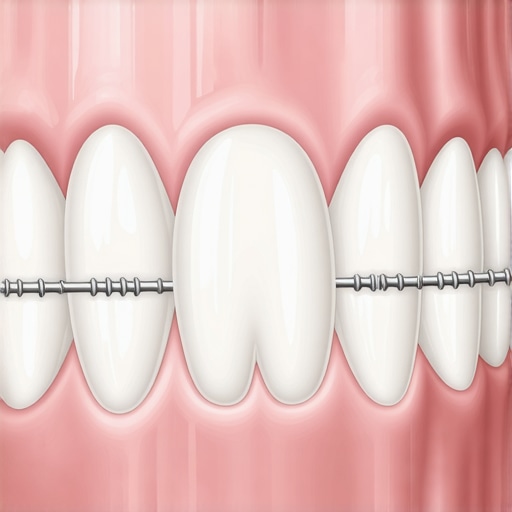
Eat Soft Foods to Protect the Healing Ligaments
While that splint is doing its job, your diet becomes your primary medicine. You cannot put any biting pressure on the injured area. I spent two weeks eating lukewarm mashed potatoes, yogurt, and protein shakes. If you have children who have suffered a similar bump, you might look into the best snacks for kids that won’t cause instant cavities to find soft, tooth-friendly options that aren’t loaded with sugar. Avoid anything crunchy, sticky, or chewy. Even a crusty piece of bread can exert enough lateral force to reset the healing clock. Think of it as a physical therapy period for your mouth; you wouldn’t run a marathon on a sprained ankle, so don’t ask your tooth to crunch through an apple.
Assess the Need for Permanent Restorations
Once the tooth has tightened back up, the journey isn’t necessarily over. Sometimes the impact causes micro-fractures in the enamel or damages the shape of the tooth. If you are lucky, you might only need a minor cosmetic touch-up, such as how to fix a tiny chip in your front tooth without a crown. However, if the trauma was severe, the tooth may darken over time, signaling that the internal pulp has been compromised. This is where dental crowns explained: the ultimate solution for damaged teeth becomes relevant. A crown can provide the long-term structural support that a previously traumatized tooth needs to survive for another twenty or thirty years. Your dentist will likely take X-rays at the three-month and six-month marks to ensure the root is still healthy and that no internal resorption is occurring.Let’s dig deeper into what happens when the initial panic fades. Most people assume that once a tooth stops wiggling, the danger has passed. This is a dangerous misconception. In my experience, the ‘quiet’ phase is often when the most significant damage occurs beneath the surface. You might think your tooth is out of the woods because the pain subsided, but dental trauma is a slow-burn issue.
Why Your Tooth Might Die Months After the Impact
Even if your tooth feels stable, the internal pulp can begin to die off silently. This leads to what we call pulp necrosis. According to the American Dental Association (ADA), follow-up care for dental trauma is not just a suggestion; it is a necessity to catch internal resorption before it dissolves the root from the inside out. This is why a strong relationship with your provider through family dentistry is so vital; they have the baseline records to know when your tooth is truly changing. One common mistake I see people make is confusing a simple discoloration with a surface stain. However, understanding the difference between a stained tooth and a dead nerve is crucial here. If that front tooth starts to look slightly grey or yellow, your ‘fixed’ tooth is actually dying. 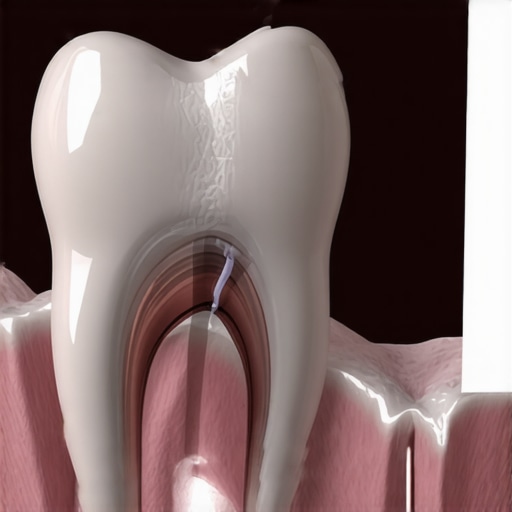
Should You Opt for a Crown Before the Tooth Actually Breaks?
This is the advanced question most patients don’t think to ask. Many believe crowns are only for when a tooth is already shattered. However, if the trauma caused extensive micro-fractures, waiting can be a disaster. When you weigh dental crowns vs other restorations, you have to consider the long-term structural integrity. A preventative crown might save you from a catastrophic vertical root fracture later on. The ‘wait and see’ approach often leads to the real cost of delaying a necessary dental crown, which usually involves a much more expensive dental implant.
The Cosmetic Trap You Need to Avoid
Here is the ultimate ‘oops’ factor: the DIY fix. It sounds insane, but in the heat of a dental emergency, people actually reach for household adhesives. Let me be very clear: the danger of using super glue to fix a broken crown or a loose tooth cannot be overstated. The chemicals are toxic to the pulp and can cause instant, irreversible nerve death. Beyond physical damage, people often view repair as purely functional, but modern cosmetic dentistry innovations allow us to restore your smile so seamlessly that you’ll forget the accident even happened. Have you ever fallen into this trap of thinking a lack of pain meant a lack of damage? Let me know in the comments.Once you move past the emergency phase, the focus shifts from ‘rescue’ to ‘preservation.’ I realized quickly that my standard drug-store toothbrush wasn’t going to cut it anymore. If you want to keep that previously loose tooth in your jaw, you need to upgrade your toolkit. I personally switched to a high-frequency sonic toothbrush because the micro-vibrations are gentler on the periodontal ligaments than the aggressive scrubbing motion we often use with manual brushes.
Invest in a High-End Sonic Toothbrush Today
Using the right tools is part of the broader family dentistry guide that I now live by. I also started using a water flosser on the lowest pressure setting. Why? Because traditional floss can sometimes exert an upward ‘tugging’ force that, while minimal, felt risky while my tooth was still stabilizing. By focusing on these specific tools, you aren’t just cleaning; you are creating an environment where caring for your child’s teeth or your own becomes a science rather than a chore. 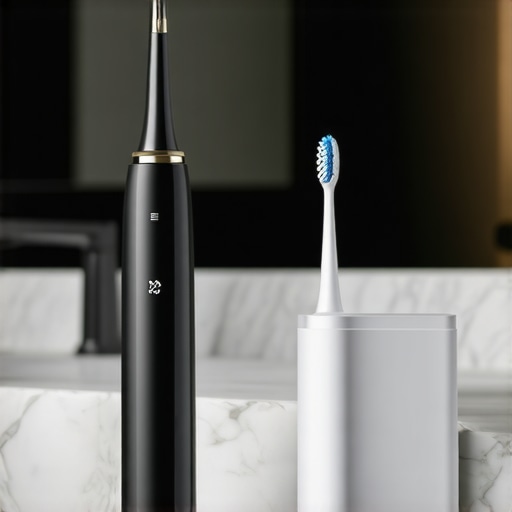
How do I keep my new smile looking perfect for years?
Maintenance isn’t just about brushing; it’s about protecting the structural integrity of your dental work. According to Dr. Gordon Christensen of Clinicians Report, the long-term success of any restoration—whether it’s a natural tooth that was once loose or a new porcelain addition—is heavily dependent on the precision of the fit and the patient’s commitment to avoiding ‘parafunctional habits’ like grinding. This is where you have to be honest with yourself about stress.
Why Your Night Guard is the Only Thing Standing Between You and a Broken Crown
If you find yourself waking up with a tight jaw, you are likely undoing all the hard work your dentist did. I learned the hard way that the risks of skipping your night guard for just one week are very real. The pressure from nocturnal grinding can easily re-loosen a tooth or cause a fracture in understanding dental crowns that you just had placed. If you’ve already invested in expert cosmetic dentistry solutions, a custom-fitted occlusal guard is the cheapest insurance policy you will ever buy. Looking ahead, I predict that ‘Smart Guards’ equipped with bio-sensors will soon be the norm, alerting us via smartphone when our grinding reaches dangerous levels.
Look into the Future of Digital Smile Design
We are entering an era where top cosmetic dentistry trends for 2025 include AI-driven monitoring. Your dentist can now use 3D scans to track tooth movement down to the millimeter, catching issues before you even feel them. This proactive approach is the core of modern family dentistry. When you are deciding between dental crowns vs other restorations, ask your provider about digital impressions; they are far more accurate than the old ‘goop’ molds. My advice? Don’t wait for the next ‘clink’ against a countertop to take your dental hygiene seriously. Go out today and buy a high-quality water flosser; it’s the single best investment I’ve made for my gum health post-trauma.
Three Truths My Dentist Shared After the Splint Came Off
I used to think that once the ‘wobble’ was gone, I could go back to my old habits. My dentist corrected me quickly: a traumatized tooth is like a healed bone—it’s strong but remembers the break. One major revelation was that the nerves can take up to a year to fully stabilize. This is why ongoing family dentistry checkups are non-negotiable. I also learned that the way I brush my teeth affects the ligaments more than I realized. Aggressive scrubbing isn’t just bad for gums; it’s a physical stressor on a healing root. Finally, I discovered that weighing dental crowns vs other restorations isn’t a choice you make once; it’s a conversation that evolves as your tooth ages. Protecting the blood supply today prevents an extraction tomorrow.
#IMAGE_PLACEHOLDER_E#
The Recovery Kit Every Bathroom Cabinet Needs for Long-Term Safety
If you want to ensure your smile remains intact, you need a proactive toolkit. First, throw away that hard-bristle toothbrush. I highly recommend investing in a sonic model that handles the pressure for you. Second, if you have children, start early with caring for your child’s teeth by introducing a water flosser; it’s much gentler on sensitive areas. Third, never underestimate the power of a custom night guard. I learned about the risks of skipping your night guard for just one week the hard way when my tooth started aching again after a stressful deadline. These aren’t just gadgets; they are the frontline defense in a comprehensive family dentistry guide to lasting oral health.
Your Smile Deserves a Second Chance with the Right Care
Losing the stability of a front tooth is a wake-up call that reminds us our health is precious. Whether you are dealing with a recent fall or just trying to prevent future damage, the technology available today in family dentistry means you don’t have to live with a compromised smile. Take it from someone who stared at a loose tooth in the mirror and felt the world ending: you can heal. By choosing the right dental crowns vs other restorations and staying consistent with your routine, you’re not just fixing a tooth; you’re reclaiming your confidence. Have you ever experienced a dental emergency that made you panic? Share your story in the comments below!