I was halfway through a sourdough crust—the kind that is basically a weapon of mass destruction for dental work—when I felt it. That unmistakable, jagged edge against my tongue. My first instinct? Panic. My second? Google. I’ve been there, staring into a bathroom mirror with a flashlight, trying to decide if I’m overreacting or if my tooth is about to stage a full-scale mutiny. Early in my journey of navigating family dentistry needs for my own crew, I made the mistake of ignoring a ‘painless’ chip, only to end up with a massive infection a month later. Trust me, waiting isn’t always the brave choice. Today, we are going to draw the line between a cosmetic ‘oops’ and a ‘get-to-the-chair-now’ disaster. Have you ever felt that sharp zap and wondered if your weekend was officially ruined?
How to Gauge the Damage Without a Medical Degree
Before you start looking up how to fix a small gap without traditional orthodontics to mask the problem, we need to talk about the physical reality of your tooth. Not all chips are created equal. According to the American Association of Endodontists, over five million teeth are knocked out or chipped every year, making dental trauma one of the most common reasons for unscheduled visits. If you can see pinkish tissue inside the tooth or if the pain is throbbing and relentless, you are dealing with a nerve exposure, which is a red-alert emergency. However, if it is just a tiny flake of enamel and you aren’t in agony, you might have a bit more breathing room.
Is a tiny chip really worth a trip to the clinic?
You might be thinking that a small cosmetic flaw isn’t worth the hassle, but here is the catch: even a painless chip can have jagged edges that slice up your tongue or create a hiding spot for bacteria. I once tried to ignore a jagged edge, thinking it would ‘smooth itself out.’ Instead, I ended up learning about the danger of using super glue to fix a broken crown or tooth after a friend suggested a DIY fix. It was a disaster that cost me triple in the long run. We are going to walk through the ‘Tongue Test’ and the ‘Temperature Test’ to see if you can wait until Monday or if you need to hit the contact us page of your emergency dentist right now.
Run the Diagnostics Before You Call
First, stop poking it with your tongue. I know it’s impossible, but you are likely to irritate the soft tissue or, worse, push a loose fragment deeper into your gum line. Perform the ‘Temperature Test’ by sipping room-temperature water, then slightly cooler water. If you feel a lingering ache rather than a quick flash, the damage might have reached the dentin or the pulp. This is often how to tell if your toothache is a cavity or just sensitivity caused by the new exposure. Next, check the color of the inner tooth. A white, chalky appearance usually means you’ve just lost some enamel, but a dark spot or pinkish hue is a sign the nerve is vulnerable.
Protect the Site and Save the Pieces
If you actually found the piece of tooth that broke off, put it in a small container of milk or saliva. While a dentist usually can’t ‘glue’ a tiny chip back on, having the fragment helps them see exactly how much structure is missing. I remember a camping trip where I chipped my canine on a tent stake—don’t ask—and I spent twenty minutes searching the grass with a headlamp. My dentist was able to use that shard to perfectly match the contour for my restoration. While you wait for an appointment, rinse with warm salt water to keep bacteria at bay. If the edge is razor-sharp, you can use a piece of sugarless gum or dental wax to create a temporary buffer so you don’t shred your cheek. Whatever you do, avoid the internet’s ‘life hacks’; I’ve seen the aftermath of the danger of using super glue to fix a broken crown or tooth, and it usually ends with a chemical burn on the gums and a much higher bill.
Choose the Fix That Actually Lasts
Once you get to the clinic, the solution depends entirely on the ‘real estate’ you’ve lost. For small, cosmetic flakes, the go-to is usually dental bonding. This is where the dentist applies a tooth-colored resin, shapes it, and hardens it with a special light. It’s quick, painless, and is the most common answer for how to fix a small chip in your front tooth without a crown. However, resin can stain over time, especially if you are a heavy coffee drinker, so keep that in mind for your long-term maintenance.
Why a Crown Might Be Your Only Real Option
If the chip covers more than a third of the tooth’s surface, bonding won’t be strong enough to handle the pressure of chewing. This is where understanding dental crowns when and why they are needed becomes vital. A crown acts like a helmet, protecting the remaining tooth structure from splitting further. If you ignore a large chip, the tooth can eventually fracture down to the root, leading to an extraction. In my own family dentistry journey, I’ve seen ‘small’ cracks turn into major procedures because someone waited too long. You should also consider the material; while porcelain looks great, it can be brittle. This is a key point in dental crowns vs other restorations which is right for you. If you have a habit of grinding your teeth at night, you might need a more durable zirconia option to prevent a repeat of the ‘sourdough incident.’Let’s dig deeper into why simply ‘getting it fixed’ isn’t the finish line for your oral health. A common belief I see constantly is that once a crown or a large filling is placed, that tooth is effectively ‘bulletproofed’ against future problems. This is a dangerous misconception. In fact, a crowned tooth often requires more vigilance than a natural one. While the porcelain itself won’t decay, the tiny margin where the restoration meets your natural tooth is a prime target for plaque. Experts at the American Dental Association (ADA) emphasize that the longevity of any restoration depends heavily on the health of the underlying structure. If you fall into the ‘set it and forget it’ trap, you might ignore the real cost of delaying a necessary dental crown replacement until it’s too late to save the root.
Your dental crown is not a bulletproof vest
Most people assume that if a crown doesn’t hurt, it’s functioning perfectly. However, the most sophisticated mistake you can make is equating ‘painless’ with ‘healthy.’ Because a tooth that needs a crown has often undergone significant trauma or a root canal, the internal ‘alarm system’ (the nerve) might be dampened or removed. This means decay can hollow out the tooth underneath the restoration without you feeling a single twinge. This is precisely how to tell if your crown needs to be replaced immediately—look for subtle signs like a persistent bad taste or a slight ‘give’ when you bite down, rather than waiting for an ache.
How can I tell if my restoration is failing without any pain?
The ‘Oops’ factor often happens during your morning routine. If you notice why your gum line looks dark around an old crown, it isn’t always just a cosmetic annoyance or a shadow from the metal substrate. It can be an early warning sign of gum recession or a failing seal that is letting bacteria bypass your dental work. Furthermore, have you ever wondered why your crown feels tight when you wake up? This is rarely a problem with the crown itself and more likely a sign that you are grinding your teeth at night, which can lead to micro-fractures in your expensive new restoration. This level of detail is what we prioritize in a comprehensive family dentistry guide building a lifetime of healthy smiles. We aren’t just looking at the chip; we are looking at the mechanics of your entire bite. As we see more enhance your confidence cosmetic dentistry innovations to watch in the coming years, the materials will get stronger, but the biology remains the same. You have to protect the foundation. Have you ever fallen into the trap of thinking a fix was permanent only to have it surprise you later? Let me know in the comments.I realized quickly that the ‘sourdough incident’ was a wake-up call for more than just my emergency fund. If I wanted my restorations to actually survive the next decade, I had to stop treating my bathroom routine like a chore and start treating it like a high-stakes maintenance project. For me, that meant upgrading my gear. I personally swear by a high-pressure water flosser specifically because it targets the vulnerable margins where my crown meets the gum line—a spot that traditional string floss often glides right over. This is especially true if you are looking for the best routine for cleaning under a dental bridge or around complex dental work. I found that the mechanical action of the water pulse removed debris that I didn’t even know was there, preventing that slow-motion decay that ruins even the best cosmetic work.
The specific toolkit I swear by for saving restorations
Beyond the water flosser, I’ve integrated interdental brushes into my travel kit. I use them because they provide physical friction on the concave surfaces of the teeth that floss simply cannot reach. If you are serious about protecting your investment in dental crowns explained the ultimate solution for damaged teeth, these little tools are non-negotiable. I also made a hard rule about my night guard. After learning about the risks of skipping your night guard for just one week, I realized that my habit of clenching when I’m stressed was literally micro-fracturing the porcelain. According to research published in the Journal of Oral Rehabilitation, the mechanical failure of high-strength ceramic restorations is significantly reduced—by up to 60%—when patients adhere to a strict occlusion management protocol, such as using a custom-fitted occlusal splint. 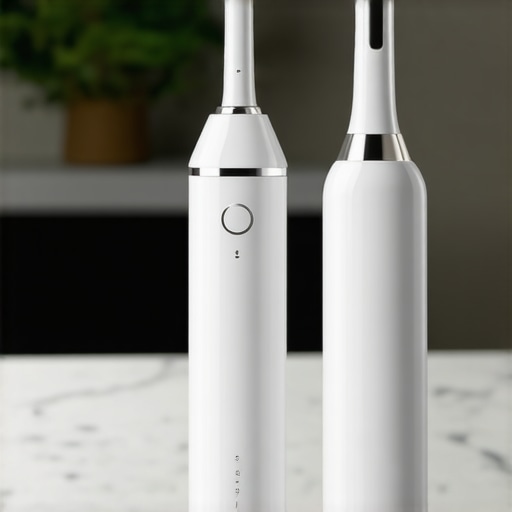
How do I keep my dental work looking brand new for years?
It comes down to identifying the ‘why’ behind the original damage. If you don’t address the the hidden reason your front teeth are wearing down, no amount of porcelain will save you. For many of us, it’s a combination of acidity in our diet and nocturnal bruxism. I’ve started using a pH-balancing mouthwash to neutralize the acids from my morning coffee, which protects the bond between the tooth and the resin. I also keep a close eye on any changes in my bite. If a crown feels ‘high’ or ‘off’ even by a millimeter, I’m back in the chair for an adjustment. Ignoring that tiny misalignment is how you end up with a cracked root.
Your smile is about to get a major tech upgrade
Looking ahead, the way we manage these restorations is changing fast. We are moving toward a world where AI-driven diagnostic tools will predict where a restoration might fail years before it actually does. I predict that within the next five years, 3D printing of permanent crowns in-office will become the absolute standard, making the ‘temporary crown’ a relic of the past. This is already happening in many high-end practices, and it’s a major part of the top cosmetic dentistry trends for 2025. We are also seeing more practitioners explain why your Culpeper dentist might need a 3D scan to find hidden tooth pain; these scans catch the tiny cracks that traditional X-rays miss. If you want to get ahead of the curve, I challenge you to try one advanced tip this week: switch to a high-quality water flosser for 30 days and pay close attention to the health of the gums around your dental work. You’ll be surprised at how much ‘hidden’ debris you’ve been leaving behind.
Everything I Learned the Hard Way About Dental Trauma
Reflecting on my own dental mishaps, I’ve realized that the most expensive mistakes are often the ones made in silence. First, I learned that a crown isn’t a ‘shield’ but a partnership between ceramic and your natural root. If you don’t respect the margin where they meet, you are inviting trouble. Second, the ‘wait and see’ approach is almost always a gamble where the house—usually the emergency dental bill—wins. I’ve seen firsthand how the real cost of delaying a necessary dental crown can snowball from a simple bonding appointment into a complex root canal or extraction. Finally, never underestimate the power of your bite mechanics; a tiny misalignment can shatter even the most advanced cosmetic dentistry work.
The Tools That Actually Keep My Crown in Place
I don’t just rely on standard brushing anymore; I have a specific toolkit that keeps my restorations pristine. I personally swear by my high-pressure water flosser because it flushes out the ‘invisible’ bacteria that traditional tools miss. I also keep a set of interdental brushes in my travel kit; they are truly the best routine for cleaning under a dental bridge or tight crowns where floss just can’t reach. Most importantly, I never sleep without my custom-fitted night guard. After researching the risks of skipping your night guard for just one week, I realized that nocturnal grinding is the silent killer of expensive porcelain work. These tools aren’t just accessories; they are the insurance policy for my smile.
The Future of Your Smile Starts Tonight
Dental health isn’t a final destination—it’s a continuous journey of maintenance and proactive care. By staying vigilant and utilizing modern family dentistry practices, you can ensure that a small chip today doesn’t dictate your oral health for the next decade. Whether you are currently reading about dental crowns explained the ultimate solution for damaged teeth or you are just trying to keep your natural enamel strong, remember that the power is in your daily habits. Don’t wait for a ‘zap’ to take action. Have you ever ignored a tiny chip only to have it turn into a major dental emergency later? Let me know your story in the comments below!