I remember the moment vividly — I was enjoying a crunch of my favorite apple when suddenly, a sharp twinge shot through my jaw. My heart sank. Could it be that my new dental implant was failing? That feeling of uncertainty, right at the dinner table, was unsettling. At that moment, I realized many people aren’t sure how to tell if their dental implant is actually giving out or just reacting to irritation. And honestly, figuring that out can feel like navigating a maze.
Knowing the Difference Between Failure and Irritation
Many folks assume any discomfort near their implant signals disaster. But that’s not always the case. Sometimes, it’s just minor irritation, which can resolve quickly with proper care. Other times, it hints at something more serious — like implant failure. Being able to distinguish between these two scenarios saves you from unnecessary panic and, more importantly, from delayed treatment that could worsen the problem.
Is Misinterpreting Your Symptoms Worth the Risk?
Early in my journey, I made the mistake of dismissing mild soreness as nothing, only to find out later it was a sign of deeper trouble. Ignoring symptoms can lead to the loss of the implant or more complicated procedures down the line. It’s crucial to stay informed. For comprehensive guidance, check out how family dentistry plays a vital role in maintaining long-term oral health. Their approach emphasizes early detection and prevention, which is essential with implants.
According to studies, about 5-10% of dental implants may experience some complications within ten years, highlighting the importance of early recognition (American Academy of Implant Dentistry).
In the next sections, we’ll explore the signs that help you tell whether your implant is truly failing or simply irritated, and what actions you should take on each case. If this sounds familiar, keep reading — understanding these signals can make a real difference in preserving your smile and health.
Perform a Self-Check and Observe
Start by carefully examining your mouth. Look for swelling, redness, or any unusual lumps near the implant site. Notice if there’s persistent pain, loose feeling, or if the implant wobbles when you gently touch it with your tongue or finger. Remember, mild discomfort can be normal initially, but ongoing or worsening symptoms are warning signs. I once found a slight looseness in my implant during a routine mirror check; I noted it immediately and avoided eating hard foods. This vigilance helped me catch potential complications early.
Maintain Oral Hygiene with Precision
Proper cleaning is essential to prevent irritation from turning into infection. Use a soft-bristled toothbrush to brush around the implant area gently, avoiding excessive force that can loosen the implant. Incorporate interdental brushes or floss specifically designed for implants to remove plaque effectively without damaging the surrounding gums. I learned this tip when I struggled with stubborn tartar around my implant—switching to interdental brushes made a noticeable difference. Good hygiene minimizes irritation and is your first line of defense.
Manage Discomfort with Targeted Care
If you experience mild soreness, rinse with warm salt water to reduce inflammation. Avoid tobacco and stick to a soft diet, akin to caring for a delicate flower that needs gentle handling. However, if pain persists beyond a few days, or if you notice increasing mobility of the implant, it’s time to consult a professional. During my experience, I applied a cold compress after noticing swelling, which helped reduce discomfort, but I knew to see my dentist when pain intensified after a week.
Recognize Red Flags and When to Seek Help
Signs of implant failure include severe pain, continuous bleeding, or the implant feeling loose and unstable. Don’t wait—early intervention can save the implant. When I felt a sudden shift in my implant’s stability, I scheduled an appointment promptly. Avoid attempting DIY fixes; professional guidance is crucial. Reach out to your dentist if you notice any of these signs, just like I did when I experienced persistent redness around my implant site. Remember, timely action preserves your oral health and investment.
Use Advanced Diagnostic Tools
Your dentist may employ digital X-rays or 3D imaging to assess the bone integration around the implant. These tools reveal issues that aren’t visible to the naked eye, such as bone loss or infections. Think of it like a mechanic diagnosing a car—sometimes, the root cause is hidden beneath the surface. I faced an asymptomatic deterioration detected only through X-ray imaging, which allowed my dentist to plan a precise intervention. Regular checkups with these diagnostic techniques are vital for long-term success.
Plan Timely Treatments
If a problem is identified, your dentist might recommend procedures like cleaning, antibiotics, or even surgical revision. Often, maintaining good communication with your dental professional leads to better outcomes. I once had a minor infection treated early with minimal intervention, preventing more invasive procedures later. Don’t delay; addressing issues promptly can prevent implant failure and preserve your smile. Remember, your dentist is your ally in this journey, just like the team at family dentistry practices emphasizing early detection and prevention.
While many believe that visiting the family dentist is just about routine cleanings or handling cavities, there’s a nuanced layer that most overlook. Contrary to the common myth that dental care is solely reactive, advanced family dentistry emphasizes proactive, personalized strategies that safeguard long-term oral health. One trap to beware of is assuming every dental issue can be fixed with a quick appointment—some problems require intricate planning, especially with cosmetic procedures like crowns, where precision affects both function and aesthetics. For instance, improperly fitted crowns don’t just look bad; they can lead to bite issues or even gum disease if not correctly designed. An expert guide on dental crowns highlights how crucial proper fit and material choice are for lasting results.
For those intrigued by aesthetics, understanding the subtle differences in cosmetic dentistry can unlock a new level of confidence. Did you know that the shade and translucency of veneers compared to crowns can significantly impact how natural your smile looks? Many clients mistakenly opt for cheaper solutions without considering long-term durability or compatibility with their natural teeth. Here, mastering the nuances—like choosing porcelain veneers for a less invasive enhancement versus full crowns—can make all the difference. Exploring top cosmetic dentistry trends can guide you towards informed choices that align with your personal goals.
What are common misconceptions about family dentistry that might be costing you?
One widespread myth is that children only need their first dental visit around age three. In reality, early dental visits — even before their first birthday — set the foundation for lifelong oral health. This child-friendly approach not only prevents future issues but also familiarizes your little ones with the dental environment, reducing fear and building trust. Ignoring early intervention can lead to more complex treatments later, like the need for crowns or orthodontics, which could have been mitigated through early preventive care. Plus, understanding what comprehensive family dentistry entails helps you navigate insurance coverage, treatment planning, and even cosmetic enhancements tailored for different ages.
Furthermore, many think that cosmetic procedures such as whitening are purely aesthetic. However, staining or discoloration may indicate underlying issues like enamel erosion or decay, which require attention before aesthetic corrections. As with anything, the devil is in the details. Choosing the right approach—be it professional whitening, veneers, or crowns—depends on a thorough understanding of your specific condition. Modern techniques and materials ensure that aesthetic improvements also promote oral health, not compromise it. To prepare for a confident smile makeover, consulting a dentist who stays updated with latest trends is essential.
Are you aware of the subtle signals your teeth and gums might send about deeper issues? Learning to read these clues prevents minor problems from escalating into costly, complex treatments. Let me know in the comments if you’ve ever fallen into this trap or have a story to share about overlooked nuances in dental care. Your insight could help others see beyond the surface and truly grasp the complexities that a dedicated family dentist manages every day.
Investing in the Right Equipment Keeps Your Smile Healthy
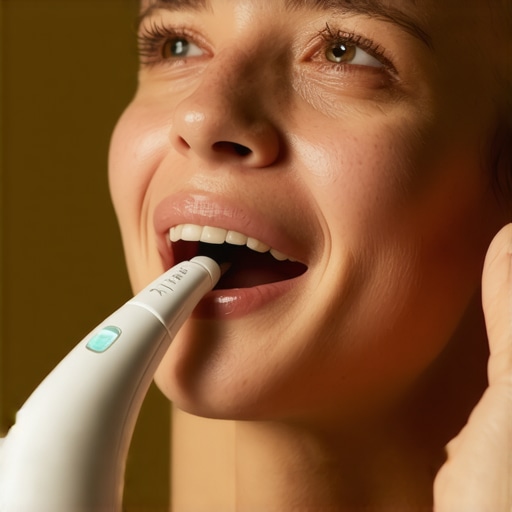
One of the secrets to long-term success with family dentistry and cosmetic procedures like crowns is consistency — and that starts with having the right tools at home. I personally rely on a few key devices that have significantly improved my oral hygiene routine. For example, I use an electric toothbrush equipped with a pressure sensor; it prevents me from brushing too hard, which can damage gums or loosen implants. The Sonicare ProtectiveClean 6100 is my go-to because it combines gentle yet thorough cleaning with customizable modes tailored for sensitive areas and prosthetic appliances.
Why I Trust Systematic Flossing Devices
Flossing around crowns or implants can be tricky. That’s why I recommend using interdental brushes designed specifically for implant care, such as the TePe Interdental Brushes. These allow precise removal of plaque without risking damage, especially around delicate restorations. Regular use prevents buildup that could irritate gums and compromise long-term health. Incorporating such tools aligns with advice from specialists, including those detailed in comprehensive crown care.
Embracing Digital Monitoring and Scheduling
Staying on top of routine checkups is crucial. I utilize an app linked with my dental provider—some practices now offer digital portals that send reminders for cleanings, checkups, and even track your oral health history. This proactive approach aids in early detection of issues like bone loss or hidden infections. As technology advances, integrating digital tools into your self-care routine is becoming less optional and more essential, especially for those with implants or crowns.
How do I maintain my dental tools over time?
Maintaining your equipment is as important as using it. Regularly replace brush heads, keep devices clean, and store them in dry, bacteria-free environments. Following manufacturer guidelines ensures longevity and optimal performance. For example, replacing electric toothbrush heads every three months prevents bacterial buildup and maintains effective cleaning. This simple yet vital routine can substantially extend the lifespan of your tools and safeguard your oral health. Additionally, scheduling periodic professional cleanings, even when vigilant, ensures that no hidden plaque or tartar develops, protecting complex restorations like crowns. For more insights into maintaining your dental tools and routine, read this guide on toothbrush maintenance.
The Future of Dental Upkeep
Looking ahead, I predict that smart oral care devices — equipped with AI analysis — will become commonplace, offering real-time feedback and personalized advice. This trend will empower patients to take a more active role in their long-term dental health, reducing reliance on reactive treatments and emphasizing prevention. Staying current with available technology and integrating these tools can revolutionize how we maintain crowns, implants, and overall oral health.
What steps will you take today to improve your at-home maintenance routine?
Start by trying out the latest electric toothbrush with pressure sensors or adopting interdental brushes if you haven’t already. Small investments in the right tools can prevent costly, invasive procedures down the road. Remember, ongoing maintenance is the foundation of a healthy, confident smile. Don’t forget to consult your dentist for personalized advice, and explore how advanced family dentistry techniques can further support your journey towards lasting oral health.
What I Wish I Knew Before My First Crown Experience
One of the most eye-opening lessons I learned was the importance of choosing quality materials over price. Opting for high-end crowns made a noticeable difference in longevity and appearance. I also discovered that not all dental clinics prioritize patient education, so I became more proactive in asking detailed questions about procedures and materials used.
The Gold Standard for Maintaining Implants and Crowns
From my experience, incorporating specific oral hygiene tools—like interdental brushes tailored for implants—can make a significant difference. Regular visits for digital imaging help detect issues before they escalate. I trust these methods because they empower me to stay ahead of potential problems, saving time and money in the long run.
The Power of Personalized Dental Care
One lesser-known insight is the value of finding a family dentist who customizes care plans based on individual needs. This approach creates a more comfortable experience and ensures all aspects—from aesthetics to health—are covered. My own journey taught me that investing time in building a relationship with my dentist translates into better long-term outcomes.
Curated Resources for Your Dental Journey
For a deeper understanding of crown longevity and implant care, I recommend consulting reputable sources like the comprehensive guides available at Understanding Dental Crowns and digital tools discussed at Crown Comparisons. These resources provide nuanced insights that aren’t always covered in generic articles.
Embrace Your Role in Dental Excellence
Your proactive efforts today can ensure a confident, healthy smile tomorrow. Whether it’s sticking to a personalized cleaning routine or scheduling regular check-ups, small actions compound into long-lasting benefits. Remember, your commitment combined with expert guidance transforms your dental health from maintenance into celebration. Share your experiences below: Have you ever found a simple tool or tip that improved your family’s dental visits? Let’s discuss how small changes can lead to monumental differences.