I woke up at three in the morning with a throbbing pain in my upper left molar that felt like a tiny construction crew was using a jackhammer on my jawbone. I was absolutely certain I needed a crown or, worse, a full-blown extraction. I’d spent the previous hour frantically searching for how to manage tooth pain when you cant see a dentist immediately, convinced that my dental health was crumbling before my eyes. But when I finally hobbled into the clinic, my dentist didn’t reach for the drill. He reached for a box of tissues. It turns out, I didn’t have a dental crisis; I had a massive sinus infection that was pressing directly onto the nerves of my teeth. Today, I’m going to help you solve that middle-of-the-night mystery by showing you exactly how to spot the difference so you don’t panic—or pay for a procedure you don’t actually need.
That Time I Almost Paid for a Root Canal I Did Not Need
The mistake I made was a classic one: I assumed that because my tooth hurt, the tooth was the problem. I was so focused on the localized pain that I ignored the fact that I’d been feeling a bit congested for a few days. I was ready to insist on a major intervention. This is why having a solid family dentistry guide is so important; it teaches you that your oral health is connected to your entire head, not just your gums. The nerves for your upper teeth are essentially neighbors with your maxillary sinuses. When those sinus cavities get inflamed and full of fluid, they expand and put a physical squeeze on your tooth roots. According to the Mayo Clinic, acute sinusitis can cause pressure that mimics a severe toothache because the nerves are so tightly packed together in that small facial space. This “referred pain” is one of the most common reasons people show up at the dentist with perfectly healthy teeth that feel like they’re dying.
Wait, Can a Runny Nose Really Hurt This Much?
It sounds like a stretch, doesn’t it? You might be skeptical, thinking a little congestion couldn’t possibly mimic the sharp, localized agony of a deep cavity. But it can. The pressure is real, and it’s heavy. When you have a sinus infection, the pain is usually dull, aching, and affects multiple teeth at once, whereas how to tell if your toothache is a cavity or just sensitivity often involves a very specific spot that reacts to sugar or cold. I’ve even seen cases where people notice why their teeth feel sensitive when they have a fever, which is often just the body’s systemic response to that same sinus inflammation. Have you ever been convinced you had a cavity, only to find out it was just a seasonal allergy flare-up? It’s more common than you’d think. Knowing the “jump test” and checking your nasal symptoms can save you a lot of stress. Let’s look at the specific physical signs that point to your nose rather than your enamel.
The Jump Test Tells No Lies
To rule out a dental emergency immediately, try the “jump test.” This sounds ridiculous, but it works because of simple physics. If your tooth pain is caused by a dental issue—like a deep cavity or a failing restoration—the pain is usually constant or reactive to temperature. However, if it is your sinuses, the pain is caused by fluid-filled sacs pressing on your nerves. I remember standing in my kitchen, terrified that I needed dental crowns explained as the only fix for my agony. I did a small hop on the spot. My upper molars felt like they were vibrating in a pool of heavy liquid. That is a classic sinus indicator. When you land from a small jump, the jarring motion causes the fluid in your sinuses to shift and strike the sensitive nerve endings of your teeth. If a quick hop makes your teeth throb, you likely need a decongestant, not a drill.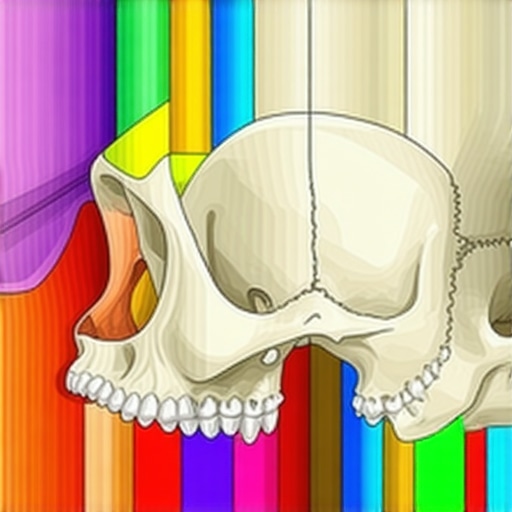
Lean Forward to Find the Source
Another physical diagnostic tool is the postural change. Your sinuses are highly sensitive to gravity. Sit in a chair and slowly lower your head between your knees. If that “toothache” suddenly intensifies or feels like a heavy weight is pushing against your face, your sinuses are likely the culprit. This happens because the inflammation and mucus pool at the lowest point of the cavity, which just happens to be right where your tooth roots sit. This is a common topic in the role of family dentistry in ensuring oral health for all ages, as children often mistake this pressure for a direct injury to their teeth.
Does the Pain Stay in One Spot?
One of the biggest differences between a sinus infection and a true dental problem is the location focus. A cavity or an abscess usually targets one specific tooth. You can point to it and say, “That one hurts.” In contrast, sinus pressure is a team player—it usually makes three or four teeth in the back of your mouth ache simultaneously. If you find yourself wondering how to tell if your toothache is a cavity or just sensitivity, look at the spread. Sensitivity is localized; sinus pain is a neighborhood-wide event. You might even notice why you feel a pulse in your tooth after a workout, which is another sign that blood flow and pressure in the sinus cavity are the real issues.
When the Tooth is the Real Culprit
If you have passed the jump test and bending over does not change the sensation, we need to look closer at the tooth itself. Sinus pain rarely causes sensitivity to sugar or extreme cold. If a sip of ice water or a bite of chocolate sends a lightning bolt through your jaw, that is a structural issue. It could be that you need to learn how to tell if your dental crown has a hidden crack. Bacteria can seep into those tiny fissures, reaching the pulp and causing localized pain that no amount of nasal spray will fix. Unlike the dull ache of a sinus infection, these pains are sharp, specific, and persistent regardless of your head position.One of the biggest myths I encounter in my years of obsessing over dental health is the idea that once a tooth is capped, it’s invincible. People often think of a crown like a suit of armor—once it’s on, the natural tooth inside is safe from the world forever. But here’s the contrarian truth: a crowned tooth actually requires more vigilance than a natural one. The “oops” factor here is the margin—that tiny, microscopic seam where the porcelain meets your gum line. If your oral hygiene slips even a fraction, that seam becomes a high-speed highway for bacteria. This is exactly how to tell if your dental crown is leaking bacteria; usually, it isn’t the porcelain that fails, but the organic seal beneath it. According to the American College of Prosthodontists, while restorations are incredibly durable, their average lifespan is 5 to 15 years, not a lifetime, largely due to recurrent decay at these vulnerable margins. 
What Happens When Cosmetic Goals Clash with Structural Health?
It’s incredibly easy to get swept up in the latest top cosmetic dentistry trends and want a total smile overhaul, but a sophisticated patient knows that over-restoration is a real trap. Sometimes, a conservative filling is better for the long-term integrity of your jaw than jumping straight to a full cap. However, you must carefully weigh that against the real cost of delaying a necessary dental crown. If you wait too long on a tooth that truly needs structural support, you risk a vertical fracture that leads straight to an extraction. Another nuance people frequently miss is the aesthetic shift over time. For instance, why your gum line looks dark around an old crown is often just the metal framework of an older porcelain-fused-to-metal (PFM) crown showing through as the gums naturally recede with age. Modern materials like zirconia have mostly fixed this, but knowing these distinctions is what separates a patient who simply ‘gets work done’ from one who truly manages their long-term health. Have you ever fallen into this trap of thinking a dental fix was a permanent, ‘done-and-dusted’ deal? Let me know in the comments.
After realizing that a crown isn’t a “set it and forget it” solution, I had to completely overhaul my home toolkit. I personally swear by a high-pressure water flosser set to at least a level seven. Why? Because standard string floss often glides right over the microscopic shelf where a crown meets the gum line. If you want to avoid learning how to tell if your dental crown is leaking bacteria, you need that mechanical irrigation to clear the margins. It is the same logic used for the best routine for cleaning under a dental bridge; gravity and string simply aren’t enough to flush out the debris that collects in those hard-to-reach crevices. I also became militant about the truth about how often you should replace your toothbrush head. A frayed brush is essentially just moving bacteria around rather than removing it from the critical junction points of your expert cosmetic dentistry solutions.
Technical precision matters more than most patients realize. The Journal of Prosthetic Dentistry highlights that marginal discrepancy—the tiny gap between the restoration and the tooth—is a primary driver of long-term failure. This is where professional technology bridges the gap. I’ve found that why your culpeper dentist might need a 3d scan to find hidden tooth pain often comes down to seeing what the naked eye cannot. A 3D scan provides a digital baseline that allows your dentist to track wear and tear over years, not just months.
How do I make my dental work last a decade?
Consistency is the secret, but the real “pro tip” is requesting an annual digital overlay scan. When your dentist has a 3D map of your mouth from a previous year, they can overlay today’s scan to see if your gums have receded or if your bite has shifted by even a fraction of a millimeter. This prevents small structural shifts from turning into “I need a crown today” emergencies. For those managing a household, incorporating essential family dentistry tips ensures that every member of the family is using these predictive tools early on. 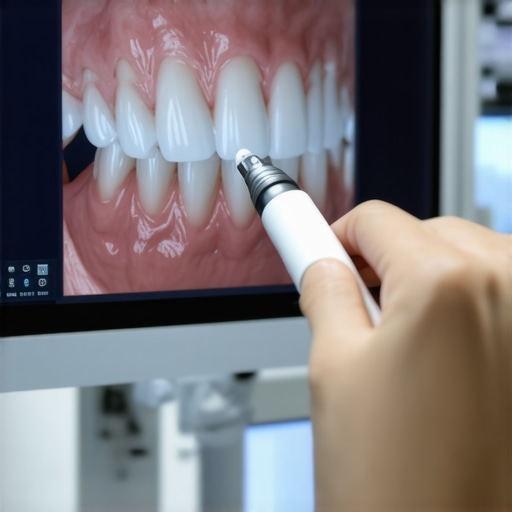
Looking ahead, I predict that we are entering an era of “predictive dentistry” where AI-driven software will analyze these scans to predict where enamel is thinning before a cavity even forms. We are moving away from the old-school “drill and fill” model and toward a data-backed preventative model. My advice? Try this tonight: use a water flosser specifically at a 45-degree angle toward the gum line of your most expensive crown. If you see even a hint of debris, your manual flossing wasn’t doing the job. Take control of the maintenance now so you aren’t paying for the same tooth twice.
What No One Tells You About Living with Dental Restorations
Over the years, I’ve realized that the greatest ‘lightbulb moment’ isn’t just knowing the difference between a sinus ache and a cavity; it’s understanding that your dental work is a living part of your health ecosystem. First, never underestimate the power of ‘referred pain.’ It’s always worth checking your congestion before agreeing to a drill. Second, I learned that choosing dental crowns vs other restorations which is right for you is a decision that impacts your hygiene routine for a decade. Third, I discovered that knowing how to tell if your dental crown is causing your bad breath is a vital skill for catching bacterial leaks early. Being proactive about these tiny shifts saves you from the stress of emergency appointments.
My Personal Toolkit for Guarding Your Dental Investment
I don’t leave my oral health to luck anymore. Here is the arsenal I trust to keep my smile intact. A professional water flosser is non-negotiable for reaching the margins of crowns. For anyone with orthodontic work, the secret to cleaning your teeth while wearing a retainer involves using micro-brushes to prevent plaque buildup. I also suggest looking into the ingredients in your family’s tube; the truth about fluoride free toothpaste for children is a common topic in my household because we want to ensure enamel is always remineralizing. Finally, always ask for digital baseline scans—it is the ultimate way to track changes in your jaw and gums over time.
Take Charge of Your Smile Before the Next Ache
Moving from a state of ‘reactive’ dentistry to ‘predictive’ care has completely changed my relationship with my health. You don’t have to wait for a throbbing tooth to become an expert on your own mouth. By staying informed on cosmetic dentistry innovations to watch and following a comprehensive family dentistry guide, you set a foundation for a lifetime of confidence. Trust your body, listen to the pressure, and never be afraid to ask for a second scan. Have you ever been convinced you had a cavity, only to find out it was actually a sinus infection? Let me know your story in the comments below!