I once woke up, leaned over to whisper a secret to my wife, and saw her visibly recoil like I had just unleashed a toxic cloud. It was humiliating. My mouth felt like I had spent the night chewing on old gym socks and burnt matchsticks. Even though I pride myself on staying on top of my dental visits, that morning sulfur scent was a recurring nightmare that made me dread the first conversation of every day. I even spent weeks wondering if my new dental crown was the hidden culprit behind the stench. We have all been there, standing in front of the mirror, breathing into our hands and wondering how something so small can smell so incredibly foul.
Why Your Mouth Smells Like a Swamp Every Morning
When I first started noticing that pungent, rotten-egg smell, I made a massive mistake: I started rinsing with the strongest, most alcohol-heavy mouthwash I could find. I thought I could just drown the bacteria. Instead, I woke up the next day feeling like my tongue was made of parchment. It turns out, that parched feeling is a huge warning sign. I didn’t realize why my mouth felt like sandpaper, but that dryness was actually making the sulfur production go into overdrive. You see, those stinky odors are caused by anaerobic bacteria that break down proteins and release volatile sulfur compounds (VSCs). According to the American Dental Association, these bacteria thrive in environments where oxygen is low—like a dry mouth during sleep. Today, we are going to stop the guesswork. I am going to show you exactly how to neutralize these compounds so you can stop living in fear of the morning ‘breath check.’
Will My Breath Ever Actually Be Fresh Again?
It is easy to get cynical when every ‘miracle’ toothpaste fails to work. You might worry that you have a permanent problem or that your gut health is the real issue. While systemic issues exist, most of the time, the solution is much closer to the surface. I realized this after years of trial and error within the realm of reliable family dentistry practices. Often, the smell is just a signal that something is trapped. For some, it might be hidden tonsil stones that refuse to budge, or simply a tongue that hasn’t been cleaned properly in years. Have you ever felt like no matter how much you brush, that metallic or sulfurous tang just stays stuck at the back of your throat? You aren’t alone, and it’s usually not because you’re ‘dirty’—it’s because you’re likely missing the specific hiding spots these bacteria love.
Clean the Hiding Spots You Usually Ignore
To truly neutralize sulfur, you have to realize that your mouth is not a flat surface; it is a complex landscape of microscopic caves and textures. If you only brush the tops of your teeth, you are leaving 80% of the bacteria behind.
Scrape Your Tongue Like You Mean It
Most people think brushing their tongue with a toothbrush is enough, but it usually just moves the bacteria around like a broom pushing dust into a carpet. I remember the first time I used a metal tongue scraper. I had been using a soft-bristle brush for years, but after seeing a video about oral biofilms, I bought a stainless steel U-shaped tool. The first time I dragged it from the back of my throat to the tip, I actually gagged—not just from the sensation, but from the thick, pale-yellow film it pulled off. It was a wake-up call. That film is a literal blanket for bacteria to hide under. Use a metal scraper twice a day. Start as far back as you can without triggering a heavy gag reflex and pull forward with firm, even pressure. This mechanical removal is the single most effective way to lower the sulfur load in your mouth.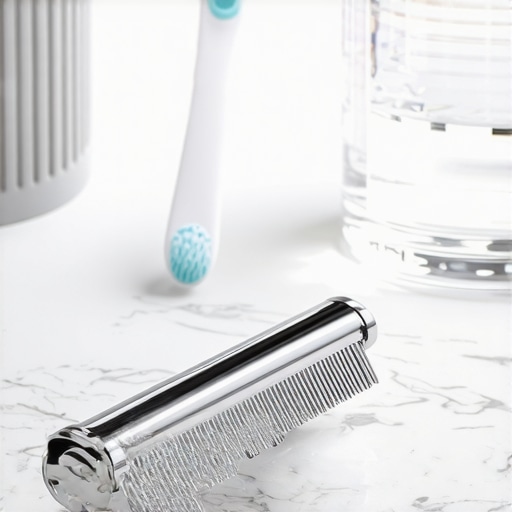
Ditch the Alcohol and Drink More Water
If you are still using a mouthwash that burns, stop immediately. That burn is the feeling of your oral tissues drying out, which creates the perfect low-oxygen environment for stinky bacteria to thrive. When your mouth is dry, you lack the saliva necessary to wash away food particles and neutralize the acids produced by bacteria. This is often why your mouth feels like sandpaper every morning. Instead, focus on drinking water consistently throughout the day and chew xylitol gum to stimulate your natural defenses. Saliva is your body’s best natural mouthwash because it is rich in minerals and oxygen that kill anaerobic bacteria.
Check Your Crowns and Bridges for Trap Zones
If the smell is localized or you notice a sour tang when you press your tongue against a specific tooth, your dental work might be the culprit. Food particles love to hide under the margins of old restorations. You should learn how to tell if your dental crown is causing your bad breath by checking for bleeding or sensitivity in that specific spot. For those with more complex hardware, you need to master the best routine for cleaning under a dental bridge using threader floss or an interdental brush. If you ignore these tiny gaps, you are essentially leaving a compost pile in your mouth. Many patients eventually have to figure out how to deal with a persistent bad taste under a dental bridge because they skipped this one-minute daily cleaning step.
Sanitize Your Night Guard Every Single Morning
If you wear a retainer or a guard to stop grinding, that piece of plastic is a magnet for odors. I used to just rinse mine with cold water and throw it in the case, but within a week, the case smelled like a gym bag. You have to prioritize the best way to clean a night guard to prevent odors, which involves a dedicated soak or a non-abrasive cleanser. If you put a bacteria-laden guard back into your mouth at night, you are marinating your teeth in the very compounds we are trying to eliminate. Scrubbing the guard with a soft brush removes the biofilm that a simple rinse leaves behind.If you think your dental work is a ‘set it and forget it’ situation, you are falling for the biggest myth in family dentistry. Most people believe that once a tooth is capped, it is invincible. This is a dangerous trap. In reality, the margin—the tiny line where the crown meets your natural gum—is a battleground. Everyone says ‘brush harder’ to stop smells, but in my experience, no amount of scrubbing can fix a failing seal. If that seal fails even slightly, you have a microscopic ‘cave’ where sulfur-producing bacteria throw a party that no toothbrush can reach. This is when and why dental crowns are needed to be replaced, not just repaired.
Can a tooth that doesn’t hurt still cause chronic halitosis?
Absolutely. Waiting for pain is the worst way to manage your oral health. A study published in the International Journal of Oral Science highlights that anaerobic pathogens can colonize the internal surfaces of restorations long before a cavity or ‘ache’ triggers a warning. This is often how to tell if your dental crown is causing your bad breath without any physical discomfort. If you notice a persistent ‘dirty’ taste, even if the tooth feels rock solid, the seal is likely compromised. Modern tech can help; sometimes your dentist might need a 3D scan to see these hidden micro-gaps.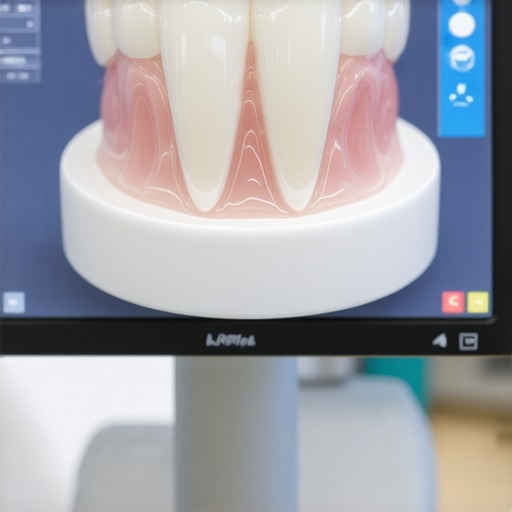 Another mistake I see is focusing solely on the ‘white’ part of the tooth. When we talk about expert cosmetic dentistry solutions, we have to look at the ‘pink.’ If your gum line looks dark around an old crown, most people think it is just a shadow. While that can be true, it is often a sign of gingival recession caused by bacterial irritation under the crown edge. You are looking at a ‘red flag’ for sulfur production. This is why the real cost of delaying a necessary dental crown replacement isn’t just about the tooth—it’s about stopping the source of the odor. Have you ever fallen into the trap of waiting for pain before visiting the dentist? Let me know in the comments.
Upgrade Your Toolkit to Keep the Smell Away
If you want to move beyond just surviving the morning and actually maintain a clean, fresh-smelling mouth, you have to stop relying on a basic toothbrush. I used to think a manual brush and some cheap floss were enough, but after my first crown, I realized I was still failing the ‘breath check.’ The problem is that traditional floss is a flat string trying to clean a curved, three-dimensional space. To really scale your oral health, you need tools that can reach the ‘blind spots.’ I personally switched to a high-pressure water flosser because it flushes out the sulcus—the tiny pocket between your gum and your tooth—where anaerobic bacteria hide. This is a critical part of the best routine for cleaning under a dental bridge or around the base of a crown. If you aren’t flushing those gaps daily, you’re just waiting for a sulfur explosion.
Why Interdental Brushes Beat Traditional Floss
I am a huge advocate for interdental brushes—those tiny little ‘pipe cleaners’ for your teeth. String floss often just slides over the bacteria without actually scrubbing them away. Interdental brushes, however, have bristles that expand to fill the entire gap. According to Dr. Gordon Christensen, a world-renowned expert in restorative dentistry and founder of Practical Clinical Courses, the longevity of any restoration depends heavily on the patient’s ability to disrupt the biofilm at the margin. I use these brushes every night, and the difference in gum health is night and day. If you are worried about how to tell if your crown needs to be replaced immediately, look at the health of the gum right where the brush enters; if it’s constantly bleeding despite cleaning, that seal might be gone.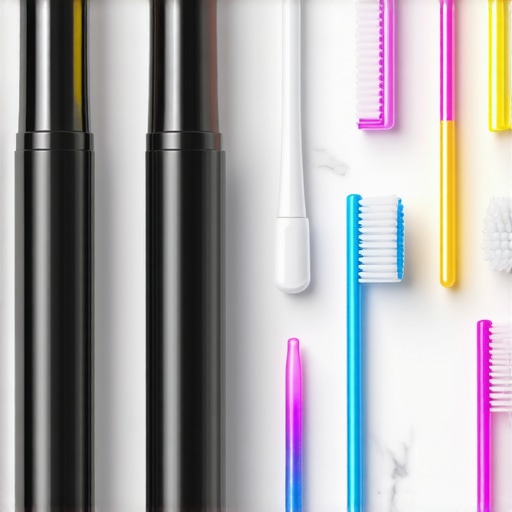
How do I maintain my dental work for the next decade?
Maintenance isn’t just about what you do at home; it’s about staying ahead of the tech. We are moving into an era where enhance your confidence cosmetic dentistry innovations to watch include smart sensors and bio-active materials that actually help fight bacteria. In the meantime, I stay consistent with professional cleanings. I used to skip them, but then I learned that dental crowns vs other restorations which is right for you often depends on how much bone and gum support you have left. If you let tartar build up around a crown, you are literally dissolving the foundation of your investment. In the future, I suspect we will see more dentists using digital imaging as a standard for every check-up; for instance, why your culpeper dentist might need a 3d scan isn’t just for surgeries anymore—it’s to find the microscopic decay that causes that persistent bad taste before it becomes a full-blown infection. I recommend everyone try the ‘interdental brush challenge’: swap your floss for these tiny brushes for just seven days. You will be shocked by the amount of debris—and the odor—you’ve been leaving behind in those hidden gaps.
Why Brushing More Was Actually Making My Breath Worse
For a long time, I thought the solution to my ‘swamp breath’ was just more friction and more mint. I was wrong. The biggest lightbulb moment for me was realizing that aggressive brushing actually caused microscopic trauma to my gums, creating more surface area for bacteria to hide. I also learned that sulfur isn’t just about ‘dirt’; it’s about chemistry. If you don’t address the anaerobic environment, you’re just masking a fire with perfume. Another hard lesson was that learning how to tell if your crown needs to be replaced immediately isn’t always about a loose fit—it’s often about that faint, persistent metallic scent that won’t go away. I spent months ignoring it, only to find out the seal had been breached years prior. Finally, I realized that the role of family dentistry isn’t just to fix holes, but to act as a preventative scout for these invisible odor-makers.
The Gear That Finally Stopped the Sulfur
You don’t need a hundred products, just the right tools to disrupt the biofilm. Here is what I personally trust to keep the sulfur compounds at bay:
- A Stainless Steel Tongue Scraper: Unlike plastic alternatives, these can be sterilized and provide the necessary tension to actually lift the film off the back of your tongue.
- Interdental Brushes: I consider these more important than my actual toothbrush for reaching the gaps where sulfur is born. When weighing dental crowns vs other restorations, remember that the maintenance of these gaps determines your long-term breath quality.
- Xylitol-Based Mints: These stimulate saliva flow without the sugar that feeds odor-causing bacteria.
- A High-Pressure Water Flosser: This is my secret weapon for flushing out the ‘trap zones’ around the edges of expert cosmetic dentistry solutions like veneers and crowns.
Reclaim Your Morning Confidence
Bad breath can feel like a social cage, but it doesn’t have to be your permanent reality. By shifting your focus from ‘cleaning the teeth’ to ‘neutralizing the oral environment,’ you take the power back. Whether you are following the latest top cosmetic dentistry trends for 2025 or just trying to get through a morning meeting without anxiety, consistency is your best friend. Your journey to a fresher mouth starts with one small change tonight—maybe it’s that tongue scraper or finally booking a professional check-up to ensure your dental work is sealed tight. Have you ever discovered a hidden source of bad breath that surprised you? Let me know in the comments below!