I was halfway through a story at a dinner party when I felt it: a sudden, rhythmic hum right in my jawbone. It wasn’t pain, but it was deeply unsettling, like a tiny tuning fork had been struck behind my lip. I froze, mid-sentence, convinced my expensive new dental work was about to rattle right out of my mouth. I’d spent months navigating the world of cosmetic dentistry, yet no one had warned me my tooth might start moonlighting as a pager. For weeks, I stayed quiet, making the massive mistake of assuming I was just losing my mind or that my bone hadn’t healed properly. Today, I’m going to demystify this ‘vibrating’ sensation so you don’t have to sit in silence like I did. We will look at why resonance happens, when to call the professional, and how to tell if it’s just your body getting used to its new hardware.
Why Your Jaw Vibrates When You Talk
That buzzing feeling is often a simple case of resonance. Because dental implants are made of titanium and fused directly to your bone, they don’t have the ‘shock absorbers’ (periodontal ligaments) that natural teeth possess. This means when you hit certain frequencies with your voice—especially those ‘V’ or ‘Z’ sounds—the vibration travels through the metal and into your skull. It’s a visceral sensation that can make you wonder if your dental implant is failing or just healing. In my early days, I was so worried that I even compared it to the time I felt a molar vibrating when I bit down, but the mechanics here are totally different. Research published in the Journal of Oral Implantology suggests that the resonance frequency of an implant is a direct indicator of its stability; sometimes, that ‘buzz’ is actually a sign of a rock-solid connection! Have you ever felt a sudden hum or buzz when you’re in the middle of a sentence?
Is this buzzing sound a sign of a total failure?
I know the fear. You start thinking the screw is loose or the dental crown is about to spin off. While it is true that you should watch out for a crown that feels like it is spinning in place, a slight vibration during speech is usually just a quirk of physics. If there is no pain and no visible movement when you press on it, your implant is likely just ‘singing’ along with your voice. In the next section, we’ll dive into the specific signs that mean you actually need to head back to the chair.
Run the Manual Stability Test at Home
Before you spiral into a Google-induced panic, perform a simple physical assessment. I call this the ‘firm pressure check.’ Take a clean Q-tip and apply gentle but firm lateral pressure to the tooth in question. If you feel even a fraction of a millimeter of shift, that is a mechanical issue, not resonance. This is a key step in how to tell if your dental implant is failing or just healing. During my own ‘vibration phase,’ I did this ten times a day. One afternoon, I realized the vibration only happened when I spoke, not when I pushed. That distinction saved me from an emergency weekend visit. It taught me that while the bone was solid, my nerves were just over-sensitized to the new structure.
Listen for the Difference Between Bone and Metal
There is a specific acoustic signature to a healthy implant. Because titanium is denser than bone, it acts like a conductor. If you tap it gently with a metal spoon and hear a clear, high-pitched ‘ring,’ that’s actually good news—it means the osseointegration is solid. A dull ‘thud,’ however, might indicate that the surrounding tissue or bone isn’t gripping the post as it should. This is where dental crowns explained as a solution can get complicated; sometimes the vibration isn’t the post itself, but the way the crown sits on the abutment. If the sound is sharp, your implant is a permanent part of your anatomy.
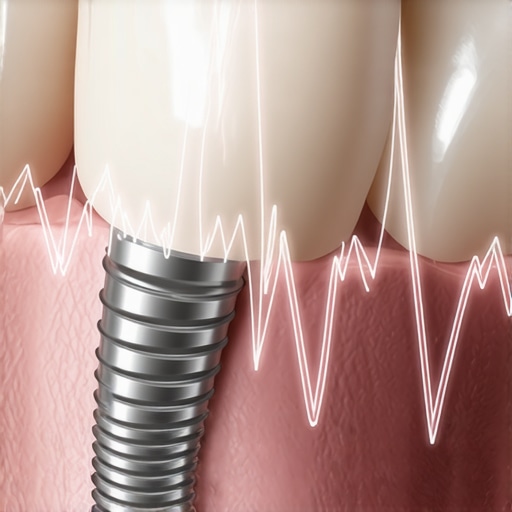
Why Your Dental Crown Might Be the Real Culprit
Often, the buzz isn’t coming from your jawbone at all. If the screw connecting the crown to the implant has loosened slightly—even a microscopic amount—it creates a tiny gap. This gap becomes a playground for sound waves. You might notice why your dental implant crown feels loose after several years because the tiny screw inside has succumbed to the constant pressure of chewing. When you speak, the air rushing past or the vibration of your vocal cords makes that loose crown rattle like a loose floorboard. I remember trying to record a podcast a few months after my surgery; every time I said the word ‘vivid,’ the vibrations were so intense I thought the microphone would pick it up. It turned out the crown just needed a half-turn of tightening.
When to Move from Self-Check to Professional Intervention
If the vibration is accompanied by a metallic taste or any redness in the gums, stop the home tests immediately. These are the red flags that move you beyond simple physics and into the realm of clinical care. Whether you are seeking expert cosmetic dentistry solutions or just a routine check-up, a professional can use a specialized torque wrench to ensure everything is tightened to the exact specification required. Catching a loose screw early prevents it from snapping or damaging the internal threads of the implant. Following a family dentistry guide means knowing that even these high-tech replacements need a ‘tune-up’ occasionally to maintain a lifetime of health.
Why ‘Set and Forget’ is a Dangerous Mindset
Common wisdom suggests that once you upgrade your smile through cosmetic dentistry innovations, the work is over. But here is the contrarian truth: an implant is not a ‘set and forget’ device. One of the biggest mistakes I see patients make is assuming that because titanium doesn’t decay like a natural tooth, it doesn’t need the same level of scrutiny. This ‘invincibility myth’ leads people to ignore that rhythmic hum or a slight vibration, thinking it is just a harmless quirk. In reality, that vibration can be an early warning of a mechanical mismatch. If you treat your new hardware like a permanent, unchangeable fixture, you might miss the subtle shift that indicates you need a ‘tune-up’ to prevent long-term bone loss.
Can a vibration sensation indicate a leaky crown seal?
While we often focus on the bone, the connection between the crown and the abutment is where most nuances hide. If you start noticing a hum, it could be a sign of a ‘leaky’ crown. This isn’t just about fluid; it is about air and bacteria. When the seal isn’t perfect, sound waves can resonate in the micro-gap, creating that buzzing feeling. This is why learning how to tell if your crown is leaking and trapping bacteria is a skill every implant patient should learn. It is an advanced nuance that even some general check-ups might overlook if you don’t speak up about the specific ‘sound’ of your tooth. Have you ever fallen into this trap of thinking your implant was invincible? Let me know in the comments.
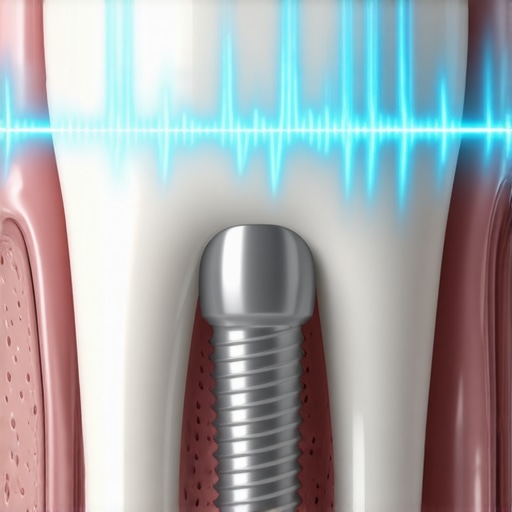
The Danger of Over-Tightening Your Dental Crown
There is a specific trap called ‘over-torquing.’ When patients feel a slight movement or vibration, the instinct—and sometimes the mistake of an inexperienced clinician—is to simply tighten the screw as much as possible. However, titanium has its limits. A study published in the International Journal of Implant Dentistry highlights that excessive torque can actually lead to ‘strain-induced bone resorption’ or even screw fracturing. It is a delicate balance. If your practitioner doesn’t use a calibrated torque wrench, they might be setting you up for failure while trying to fix a simple buzz. This is why choosing family dentistry for all ages that specializes in modern restorative techniques is vital; they understand that ‘tight’ isn’t always ‘right.’
Why Your Bite Matters More Than the Screw
Many people obsess over the implant itself, but the way your teeth meet—your occlusion—is the real hero or villain of the story. If your dental crowns vs other restorations comparison didn’t account for your specific bite force, you might experience ‘hyper-occlusion.’ This is where one tooth hits just a fraction of a second before the others. Because an implant has zero give, that extra force turns into a vibration that echoes through your jaw. I have seen cases where a simple ‘buffing’ of the crown surface stopped the vibrating sensation instantly. It wasn’t a failure; it was just a physics problem. Don’t let a minor alignment issue turn into a major surgery because you waited too long to address the ‘buzz.’ Reach out and contact us if you feel your bite is even slightly off; your jawbone will thank you.
The Specialized Gear Your Medicine Cabinet Needs
To keep that ‘vibrating’ sensation at bay and ensure your investment lasts decades, you need more than a standard manual toothbrush. I’ve transitioned my routine to include a high-pressure water flosser specifically because it flushes out the microscopic debris that accumulates around the implant neck—debris that a standard string often misses. This is a staple in any family dentistry guide because it protects the delicate soft tissue seal around your post. I also swear by using an intraoral camera at home once a month. Being able to see a dental crown from a 45-degree angle on your smartphone screen lets you spot the tiny gaps or ‘leaks’ we discussed earlier before they become structural failures. Most home versions are now affordable and sync via Wi-Fi, providing a perspective your bathroom mirror simply cannot offer.
How do I maintain my dental restorations over time?
Maintaining your look is about consistency and the right tech. Beyond the daily flush, you must consider the abrasive index of your toothpaste. For expert cosmetic dentistry solutions to stay pristine, you should look for a Relative Dentin Abrasivity (RDA) score below 70. High-abrasion pastes can micro-scratch the surface of porcelain, making it easier for stains to latch on and creating a dull finish over time. Also, if you’re prone to stress-clenching, which aggravates that ‘humming’ sensation through mechanical stress, you absolutely need a custom night guard. Learning how to clean a night guard without using harsh chemicals is just as important as wearing it, as bacteria on the guard can migrate to your implant site, causing peri-implantitis.
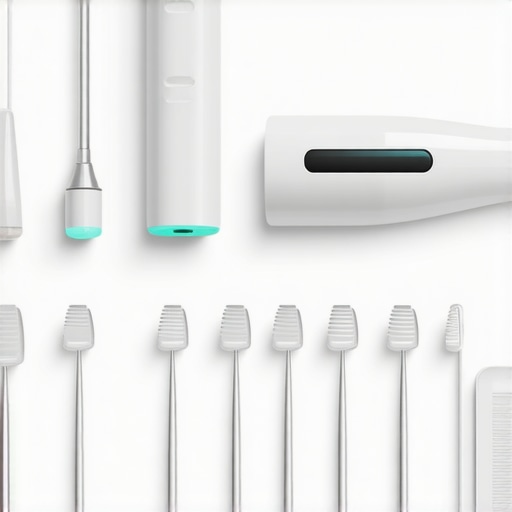
Why You Should Stop Using Standard Floss on Metal
Standard floss is great for natural teeth, but for an implant, it can be a liability. Tiny shreds of plastic or wax can actually get caught in the rough texture of the titanium screw if any part of it is exposed at the gumline. Instead, use ‘Super Floss’ or specialized interproximal brushes with plastic-coated wires. According to technical protocols from the Association of Dental Implantology (ADI), avoiding metal-on-metal contact during cleaning is crucial to prevent scratching the abutment. If you scratch that surface, you’ve just created a five-star hotel for plaque. I’ve seen patients who thought they were being diligent actually compromise their top cosmetic dentistry work simply by using the wrong tools for the job. Switching to a plastic-coated proxy brush is the single best change you can make today.
Professional Stability Checks as the Gold Standard
Beyond your home tools, I recommend asking your dentist for a resonance frequency analysis (RFA) during your annual check-up. Using a device like the Osstell ISQ, they can assign a numerical value to your implant’s stability. If that number drops over time, it’s a non-invasive way to catch bone loss before the implant actually feels loose. It removes the guesswork that comes with manual ‘poking’ or the anxiety of wondering if that vibration is normal. Combining this data-driven approach with your home routine ensures that your family dentistry for all ages provider is keeping a digital log of your jaw’s health. It’s about moving from ‘feeling’ to ‘knowing’ your status.
The Future of Smart Implants is Closer Than You Think
Looking ahead, we are moving toward ‘bio-interactive’ restorations. Within the next decade, I predict we will see cosmetic dentistry innovations that include pH-sensing sensors embedded directly into the crown. These sensors will alert your phone the moment the environment around your implant becomes too acidic, signaling a bacterial bloom before you ever feel a vibration or pain. We are shifting from reactive ‘drilling and filling’ to proactive data-driven oral health. For now, the best tool you have is awareness. My best advice? Buy a high-quality electric brush and check how often you really need to replace your toothbrush to ensure those bristles are effectively sweeping the gingival margin without causing recession. Try this tonight: Use your smartphone’s flashlight to inspect the gumline around your crown; if you see any gray shadows or debris your brush missed, it’s time to upgrade your toolkit.
Three Realities of Modern Restorations That My Dentist Forgot to Mention
Going through the ‘vibrating’ phase taught me that biological integration is just the first step of the journey. First, I realized that my brain was as much a part of the healing process as my bone; eventually, your nervous system learns to ignore the new acoustic signature of titanium. Second, I learned that stopping jaw clenching is the secret to preventing that rhythmic hum from becoming a chronic annoyance. Finally, I discovered that even the most expensive cosmetic dentistry trends for 2025 won’t save a tooth if the bite alignment is even a hair off.
The Only Tools I Trust to Protect My Smile Every Single Day
If you want to move past the worry, you need a proactive toolkit that addresses the specific needs of metal-based restorations. I personally rely on a high-pressure water flosser because it reaches the microscopic nooks where bacteria love to hide around the implant neck. I also recommend keeping a digital log of your stability check-ups—this is a key part of any family dentistry guide for long-term success. Lastly, never underestimate a custom-fitted night guard; it is the ultimate insurance policy for your investment. By understanding when and why dental crowns are needed, you can better appreciate the maintenance they require to stay silent and secure.
#IMAGE_PLACE_HOLDER_E#
Your Story Deserves a Voice Without the Vibration
It is easy to feel isolated when your mouth starts making noises you didn’t expect, but remember that you are in control of your recovery. Whether you are dealing with a simple case of resonance or a minor mechanical adjustment, taking action today prevents a small buzz from turning into a major headache. Stay curious, stay diligent with your cleaning, and don’t be afraid to lean on professional expertise to ensure your cosmetic dentistry solutions remain as functional as they are beautiful. Your smile is an investment in your confidence, and you deserve to wear it without a second thought. Have you ever felt a strange hum in your jaw after a procedure, or are you just starting your implant journey? Let’s talk about it in the comments below.