I vividly remember that moment—biting into an apple, feeling a sudden, sharp ache in my jaw, and realizing one of my molars was gone. It was a stray piece of fruit that uncovered a bigger problem I had been ignoring: I’d lost a tooth months earlier, but I kept telling myself it wasn’t urgent. Little did I know, that delay was about to lead to a cascade of issues. Skipping timely replacements might seem like a minor choice, but as I learned firsthand, it can have serious consequences for your oral health.
The Hidden Dangers of Waiting Too Long to Replace a Missing Tooth
When a tooth goes missing, your mouth doesn’t just sit idly. The gaps can cause neighboring teeth to shift, creating misalignment, increased wear, and even bite problems. I didn’t realize that my procrastination would eventually make it harder to chew, cause jaw discomfort, and lead to further dental work. Believe me, I wish someone had explained how crucial prompt action is. Today, I want to share with you why timing matters and how waiting can turn a simple fix into a complicated, costly affair.
Is It Really That Bad to Wait? The Skeptic’s Perspective
I used to think, “It’s just a missing tooth. I’ll get around to it.”
But early on, I made one mistake that many people do—assuming that the gap wouldn’t cause any issues. In reality, delaying your replacement can accelerate bone loss and increase the risk of neighboring teeth shifting out of place. Regular dental checks could catch these problems early, but if you ignore the gap, you’re setting yourself up for trouble.
Research shows that untreated tooth loss can lead to jawbone deterioration, which affects the stability of other teeth and the overall facial structure. This can also impact your confidence and appearance. The good news is, there are effective solutions, like dental implants or crowns, that restore both function and aesthetics. But the key is not to wait until problems become unmanageable.
If you’ve experienced the frustration and embarrassment of a missing tooth, you’re not alone. Many overlook the urgency and end up with more complex, expensive procedures. Curious about how to prevent that? Stay tuned as we walk through the practical steps to protect your smile and restore your confidence efficiently.
Schedule an Immediate Dental Evaluation
My first move was to book an appointment with my dentist as soon as I noticed the gap. Don’t wait—early evaluation helps identify the best solution for your situation. During the appointment, the dentist will examine the site, assess bone health, and discuss restoration options. Think of it like bringing your car to a mechanic; timely diagnostics prevent further damage. For guidance on choosing the right dental practitioner, visit Contact Us.
Select the Appropriate Replacement Method
Understand Your Options
Choose between dental implants, bridges, or dentures based on your oral health and budget. For example, I learned that implants act like natural roots, preserving jawbone density, much like a sturdy tree supports its branches. A consultation helps determine the best fit. Read more about dental crowns and why they might be part of your treatment plan if outlined early.
Assess Bone Density and Gum Health
My dentist used digital scans to evaluate bone quality, which is critical for implant stability. This process is akin to checking soil quality before planting a tree—healthy soil ensures long-term success. If bone loss is detected, a graft might be necessary. Explore why crowns are needed and how they integrate with other restorations.
Prepare Your Mouth for Restoration
Oral hygiene is paramount before any procedure. I was advised to brush twice daily, floss, and use antiseptic rinses to minimize infection risk. Imagine preparing a canvas before a painting; a clean mouth ensures the restoration lasts longer and looks natural. For family-friendly tips, see Family Dentistry Tips.
Implement the Restoration Technique
Getting a Dental Implant
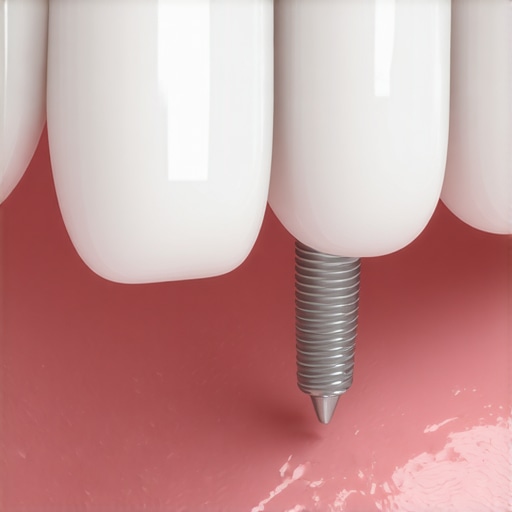
This involves surgically placing a titanium post into the jawbone, which serves as a root substitute. The process resembles installing a new pole into a sturdy fence; it requires precision. After healing, a crown is attached, restoring full function. I personally experienced a smooth healing when following my dentist’s post-op instructions carefully.
Opt for a Dental Bridge
If the bone isn’t suitable for implants, a bridge anchored onto adjacent teeth can fill the gap. Think of it like building a bridge between two cliffs using supports. This method is quicker but may impact neighboring teeth. Learn more about bridges vs. implants.
Confirm the Success and Maintain Your New Smile
Regular checkups ensure your restoration stays secure and healthy. Just as a gardener waters plants regularly, consistent dental visits prevent future problems. Brushing, flossing, and avoiding hard foods extend the lifespan of your new tooth. To keep your smile shining, review cosmetic dentistry solutions tailored to your needs.
 Many people think they understand crowns, family dentistry, and cosmetic treatments, but in reality, misconceptions run deep. Let’s dig deeper into the nuances that often get overlooked, and reveal common traps that can compromise your oral health. For example, a widespread myth is that dental crowns are only for cosmetic enhancement. While they do improve appearance, their primary role is restorative, especially in cases of weakened or damaged teeth. According to the American Dental Association, crowns provide structure and durability, far beyond superficial aesthetics. Yet, many assume they’re solely vanity solutions, which leads to delayed or inappropriate treatments.
Another misconception concerns family dentistry, with some believing it’s only necessary for children. In truth, regular family dental visits are crucial for all ages, serving as preventive care that detects issues early on. Family dentistry fosters a holistic approach, monitoring oral health as your body ages. Skipping routine checkups often results in complex problems that could have been avoided, like gum disease or decay that worsens over time. For comprehensive insights on building lifelong healthy smiles, visit our Family Dentistry Guide.
Now, let’s challenge a popular belief in cosmetic dentistry—the idea that whitening or veneers are quick fixes for flawed smiles. While they do offer dramatic results, they are not magic bullets; the health of your underlying teeth matters greatly. Overlooking dental health prior to cosmetic procedures can cause failures or sensitivities. An article on latest trends in cosmetic dentistry emphasizes the importance of proper diagnostics and maintenance.
A common trap many fall into involves underestimating the role of the general dentist. Some believe specialists are only needed for complex procedures, but a skilled general dentist manages more than just cleanings—they serve as first responders to problems and coordinators of your care. Missing early signs can lead to costly treatments later. For example, neglecting early cavity detection can result in root canals or crowns, which are more invasive. To avoid such pitfalls, routine exams are your best defense.
On an advanced note, a question I often get from savvy readers is: How can I tell if a crown or restorative work is failing before symptoms appear? The answer involves paying attention to subtle cues like changes in bite, sensitivity, or movement of the crown. Experts recommend regular digital scans, which can detect micro-movements or decay early, as detailed in the article how to spot failing restorations. Taking proactive steps saves money and preserves your health.
In conclusion, the real understanding of crowns, family dental care, and cosmetic procedures entails moving beyond myths to appreciate their true functions and limitations. Do you ever fall into these traps? Let me know in the comments and share your experiences.Maintaining dental crowns, implants, and other restorations requires the right tools and consistent routines to ensure long-term success. Personally, I rely on a combination of professional technology and daily habits to keep my smile healthy and functional. A key piece of equipment I recommend is an electric toothbrush with a timer and pressure sensor. This ensures thorough cleaning without damaging the restoration or gums, something manual brushes can’t always guarantee. Additionally, investing in water flossers has revolutionized my oral hygiene; they effectively remove plaque around crowns and implants where traditional floss might miss, preventing decay and gum issues. For those with cemented crowns or bridges, interdental brushes are invaluable for cleaning under pontics and tight areas, reducing bacteria buildup that could compromise the restoration.
In terms of software, digital monitoring systems like Videa or Dental Monitoring enable both dentist and patient to track oral health continuously. These tools use intraoral cameras and AI algorithms to detect early signs of wear, decay, or misalignment, allowing for timely intervention before minor issues escalate. As technology advances, I anticipate an increase in AI-driven home care devices that can detect problems even more accurately, making maintenance more proactive.
How do I maintain crowns and implants over time? Routine checkups are fundamental. During visits, my dentist examines my restorations with digital scans, which detect micro-movements or early decay that visual inspection might overlook. I also follow strict hygiene practices at home—brushing twice daily with fluoride toothpaste, using interdental brushes, and incorporating antimicrobial rinses. Consistency is the secret sauce.
Finally, scheduling regular professional cleanings is vital. Dentists utilize ultrasonic scalers and suction devices that can reach areas I cannot access at home. These tools help remove stubborn plaque and tartar, extending the lifespan of restorations. I recommend exploring advanced tips like personalized maintenance plans that include periodic imaging and digital checks—these are game-changers for long-term oral health.
Looking ahead, it’s clear that integrating AI-driven diagnostics and smart oral care devices will become standard in family and cosmetic dentistry. This evolution promises to catch issues early, reduce costs, and improve patient outcomes. So, why not try incorporating an ultrasonic scaler into your routine and see the difference it makes in maintaining your crowns and implants? Pair this with regular professional evaluations, and your smile will stay flawless for years to come. For more insights, visit our Family Dentistry Tips page to learn how to optimize your entire family’s oral health.One eye-opening realization I had was how small decisions early on can ripple into major dental challenges later. Over time, I learned that neglecting the subtle signs of wear or decay often led to complex—and costly—procedures. That lesson emphasized the importance of trusting your gut and taking prompt action at the first hint of dental discomfort or damage. It’s a reminder that your proactive approach today can save you from unnecessary suffering tomorrow.
What I Wish I Knew about Crown Care and Family Dentistry Early on
- Maintaing consistent hygiene routines is crucial; even the best crown can fail if neglected. I found that regular brushing and flossing are your first line of defense against future issues.
- Choosing a family-friendly dentist isn’t just for kids—it’s about building a healthcare partnership. A trusted family dentist can spot problems early, making treatments simpler and less invasive.
- Misconceptions about cosmetic dentistry can delay essential work. I used to think whitening was enough, but family dentistry revealed underlying issues that needed addressing first for lasting results.
- Technology isn’t just fancy—it’s lifesaving. Digital scans and AI diagnostics help catch restorations’ issues before they become painful or expensive, something I wish I’d prioritized earlier.
- Preventive care trumps reactive treatments. Regular visits aren’t just about cleaning; they’re about safeguarding your entire smile and facial harmony.
Key Resources That Changed How I Approach My Dental Well-being
- Child-friendly dental care guide: Emphasizing early habits ensures lifelong oral health and helps prevent complex restorations later.
- Upcoming cosmetic dentistry trends: Staying informed about new techniques motivated me to seek improvements thoughtfully, blending function and aesthetics.
- Family dentistry tips: Practical advice helped me maintain healthy teeth for my whole family, creating a strong foundation for future care.
- Expert cosmetic dentistry insights: Knowing what’s possible boosted my confidence and clarified expectations around smile enhancements.
Take Charge of Your Dental Future Today
Your smile is more than just aesthetics; it’s a reflection of your overall health and confidence. By embracing consistent care, staying informed, and seeking expert guidance early, you can preserve and enhance your smile’s beauty and functionality. Remember, the decisions you make now — like consulting a trusted family dentist or investing in quality restorations — will pay dividends in the years ahead. You have the power to take control and make your dental health a top priority. Why wait to heal or improve something that can transform your entire life? Your journey toward a resilient, radiant smile starts today.