I remember sitting at dinner with my family, trying to enjoy a steak, and feeling that dreaded tug under my dental bridge. It wasn’t just the food stuck; it was the nagging fear that I was neglecting a part of my mouth I couldn’t even see. For a long time, I just hoped my regular toothbrush was doing the heavy lifting. I was wrong. Dead wrong. In fact, if you’ve ever dealt with a persistent bad taste under a dental bridge, you know exactly the kind of anxiety I’m talking about. I’m here to tell you that ignoring it doesn’t make it go away; it only makes the eventual dentist bill higher. Today, we are going to fix that routine once and for all so you can stop worrying about your breath and start enjoying your meals again.
That Funky Smell Under Your Bridge Isn’t Just in Your Head
When I first got my bridge, I thought I was set for life. I understood the basics of dental crowns and how they bridge the gap of missing teeth, but I completely underestimated the maintenance required for the underside. One morning, I realized my breath smelled like something was rotting despite brushing three times a day. It was embarrassing. It turns out that food particles and bacteria love the pontic—the fake tooth—more than almost any other part of your mouth. This space is a magnet for debris, and if you don’t clear it out, it becomes a breeding ground for problems. I learned the hard way that a standard toothbrush can’t reach the ‘basement’ of your bridge. Have you ever noticed your gum line looks dark or felt a strange pressure in that area? These are the early warning signs I ignored until my gums were screaming for help.
Is Floss Threading Actually Worth the Hype?
Most people roll their eyes at the mention of floss threaders or specialized picks. I did too. I figured if I was brushing well, the rest would take care of itself. That was my biggest rookie mistake. Skipping that deep-clean under the bridge led to inflamed gums and a frantic call to my family dentist. I thought I was saving time, but I was actually risking the health of the teeth holding the bridge in place. According to a study published by the American Dental Association (ADA), plaque biofilm that accumulates under fixed prosthetics can lead to localized gingivitis and even the failure of the supporting teeth if left unchecked. You have to get under there. It’s not just about aesthetics or cosmetic dentistry solutions; it’s about keeping your real teeth from rotting away under the expensive bridge you just paid for. Tell me, have you ever tried those tiny interdental brushes and felt like you were just poking your gums for no reason? I’ve been there, and I’m going to show you how to use them without the pain.
Master the Art of the Under-Bridge Sweep
Think of your bridge like a low-clearance deck attached to your house. You can sweep the top of the boards until they shine, but if leaves and debris rot underneath, the whole structure eventually suffers. In your mouth, that ‘debris’ is plaque and bacteria that harden into tartar, leading to the exact reason why your teeth feel fuzzy even after you brush them. To get under the pontic—the fake tooth—you need to change your angle of attack. Stop thinking about vertical brushing and start thinking about horizontal threading. I remember my first attempt at this; I was standing in front of the mirror with a piece of flimsy floss, trying to shove it through a gap that didn’t exist. I ended up with a sore gum and a bruised ego. The secret isn’t force; it’s using the right delivery system.
Thread the Needle Without Losing Your Mind
The gold standard for this is a floss threader or specialized ‘super floss.’ These tools have a stiffened end that acts like a needle. You guide that stiff end through the space between your natural tooth and the bridge, pull the fuzzy part of the floss through, and then use a back-and-forth ‘sawing’ motion. This is how you physically scrape away the film that a toothbrush can’t reach. If you are struggling with a persistent bad taste under a dental bridge, this step is non-negotiable. I once spent twenty minutes in a hotel bathroom trying to get a piece of spinach out from under my bridge with a regular threader. It was messy, but the relief of finally clearing that gap was better than any professional cleaning I’d had.
Can a Water Flosser Do the Heavy Lifting?
If your manual dexterity isn’t great, or if the idea of threading floss makes you want to skip the chore entirely, a water flosser is your best friend. It uses a pressurized stream to flush out the ‘basement’ of your bridge. It’s significantly more forgiving than a toothpick which can damage your gums. When I switched to a water flosser for my nightly routine, I noticed the inflammation around my dental crowns vanished within a week. The trick is to aim the tip at a 90-degree angle to the gum line and let the water do the work. It’s also a great way to ensure you don’t have the same issues as children, such as why your child’s mouth smells bad even after brushing, which often comes down to missed spots in the back of the mouth.
Pick the Right Tool for Those Tight Gaps
Sometimes, even floss isn’t enough for those tiny triangular spaces where the bridge meets your real teeth. This is where interdental brushes come in. They look like tiny, soft pipe cleaners. I used to be terrified of these, thinking they’d make my gaps bigger. In reality, they are essential for preventing the bone loss that makes bridges fail. Just remember: stop rinsing your mouth immediately after you finish brushing or using these tools; you want the fluoride from your toothpaste to sit in those newly cleaned crevices to keep the supporting teeth strong.Let’s get one thing straight: the biggest lie we tell ourselves is that a crown or bridge is a ‘set it and forget it’ solution. In the world of family dentistry, I often see patients who think their porcelain teeth are immune to decay. But here is the contrarian truth: a crowned tooth is often harder to keep healthy than a natural one. Why? Because of the margin. If that tiny seam where the bridge meets your gum isn’t kept meticulously clean, bacteria can seep underneath. This is called micro-leakage, and it is the silent killer of expensive dental work. I’ve seen people maintain their natural teeth for eighty years only to lose a bridge in five because they assumed the synthetic material didn’t need the same love.
Avoid the Trap of Abrasive DIY Whitening
One major ‘oops’ factor I see is the obsession with brightness over structural integrity. When that bridge starts to look a little dull, people often try to scrub away stains using DIY methods. However, the mistake of using baking soda to whiten your teeth at home is that it’s far too abrasive for the delicate glaze on your dental work. Once you scratch that surface, you’ve essentially created a microscopic playground for plaque. I’ve seen beautiful cosmetic dentistry solutions ruined in months because someone wanted a quick whitening fix. If you want to keep your restoration looking new, stick to non-abrasive gels and professional cleanings that won’t compromise the porcelain seal.
Why Your Bridge Might Be Hurting Your Natural Teeth
This is where the nuance of ‘biological width’ comes in. A study published in the Journal of Prosthetic Dentistry highlights that if a restoration is placed too deep under the gum line, it can trigger chronic inflammation that actually dissolves the bone supporting the tooth. This is often why your gum line looks dark around an old crown; it’s not just metal showing through, it might be your body’s inflammatory response to a poorly fitted margin or a lack of oxygen in the tissue. Protecting that delicate balance between the hardware and your organic tissue is the hallmark of a good family dentistry guide for long-term health.
Can a Failing Root Canal Mimic Bridge Pain?
It’s a question I get asked by people who have had their bridge for years and suddenly feel a ‘phantom’ ache. Sometimes, the pain isn’t the bridge at all, but the tooth acting as the anchor underneath. You have to watch for 7 red flags that your root canal is starting to fail. If you feel a dull ache or a pulse in the area when you lie down, the bridge hardware might be perfectly fine, but the foundation is crumbling. Understanding dental crowns vs other restorations is key to knowing when it’s time to repair and when it’s time to replace the whole unit to save your jawbone. Have you ever fallen into this trap of thinking your dental work was invincible? Let me know in the comments.If you want to keep that bridge for twenty years instead of five, you need a toolkit that looks more like a precision mechanic’s bench than a standard bathroom counter. Personally, I stopped relying on basic string floss years ago. I swear by the GUM Proxabrush Go-Betweens—specifically the ‘tight’ or ‘ultra-tight’ sizes. The reason is simple: the wire is coated, so it won’t zap your dental crowns with that jarring metal-on-metal feeling. I carry a couple in my pocket because let’s face it, a piece of steak trapped under a bridge at a business lunch is a social emergency. This kind of attention to detail is what a good family dentistry practice should be teaching you during every check-up.
How do I maintain my dental bridge over time?
Consistency is the boring answer, but the technical answer is ‘biofilm disruption.’ You aren’t just removing food; you are breaking up the sticky colony of bacteria before it can calcify. I recommend a two-stage approach: a high-pressure water flosser at night to clear the large debris and an interdental brush in the morning to scrub the margins. If you skip a day, that film starts to harden. This is the secret to preventing cavities in between your back teeth and protecting the abutment teeth that hold your bridge in place. Remember, understanding dental crowns means knowing that they are only as strong as the organic root beneath them. 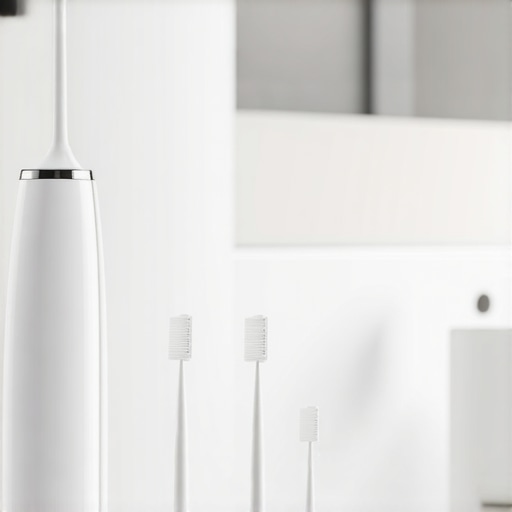 Clinical researchers like Dr. Gordon Christensen, a titan in clinical dental education, have highlighted that the ‘margin’—the exact seam where the crown meets the tooth—is the most vulnerable square millimeter in your mouth. If you aren’t using a high-fluoride toothpaste at that specific junction, you’re leaving the door open for decay. I actually use a tiny ‘end-tuft’ brush to paint a little extra fluoride paste right along the gum line of my bridge after my main cleaning. It takes an extra thirty seconds, but it’s a hell of a lot cheaper than a replacement or a second round of cosmetic dentistry solutions. Looking ahead, I predict we are going to see a shift toward AI-integrated home oral scanners. Imagine a device that plugs into your phone, takes a high-res photo under your bridge, and uses spectral analysis to alert you if it detects the early signs of micro-leakage or sulfur-producing bacteria. We are already seeing top cosmetic dentistry trends for 2025 leaning heavily into bio-compatible materials that actually encourage gum re-attachment. It’s an exciting time, but until that tech is in every bathroom, the manual maintenance falls on you. My best advice? Stop what you’re doing right now and order a pack of interdental brushes or a water flosser. Don’t wait for your next family dentistry guide update; your gums will feel the difference in less than a week.
The Hard Truth About Your Bridge That No One Mentions
After years of navigating life with a restoration, I’ve realized that the mental shift is the most important part. First, you have to accept that your bridge is not a ‘set and forget’ armor for your gums. The biggest mistake is assuming that because the material is synthetic, the area is immune to trouble. In reality, the teeth holding that bridge in place are actually more vulnerable to decay than your natural, un-crowned teeth. I also learned that if you start to see a shadow, it is often a sign of gum recession or micro-leakage; check out why your gum line looks dark around an old crown to catch these issues before they turn into a full-scale failure. Finally, remember that your breath is the ultimate barometer for your oral health. If you feel that familiar phantom scent, don’t mask it with mints; get under the pontic immediately.
What I Keep in My Medicine Cabinet for Peak Oral Health
If you want to keep your smile intact, you need a specialized toolkit. I personally trust Waterpik Water Flossers because they flush out the hidden ‘pockets’ where traditional string simply can’t reach. For those tight spaces, I recommend GUM Proxabrush interdental cleaners, as they are specifically designed to scrub the sides of the abutment teeth without scratching the porcelain. When you are comparing dental crowns vs other restorations, you’ll find that these tools are the gold standard for longevity. I also suggest keeping a close eye on your coverage; it is worth learning how to tell if your dental insurance will cover a bridge replacement, just in case you need an upgrade to more modern materials in the future.
Why Investing in Your Smile Today Saves Your Future Self
Taking those extra three minutes every night isn’t just about avoiding a persistent bad taste under a dental bridge; it is about protecting your self-esteem. Your smile is often the first thing people notice, and keeping it healthy allows you to speak, laugh, and eat with total confidence. As we look toward cosmetic dentistry innovations to watch, the focus is shifting toward even more durable and natural-looking options, but the fundamentals of care will never change. You’ve done the hard work of getting the bridge; now, do the easy work of keeping it. What’s the biggest hurdle keeping you from a perfect flossing routine? Let me know in the comments!