I’ll never forget the sound. It was a Tuesday night, I was halfway through a bowl of slightly-too-salty popcorn, and then—*snap*. It wasn’t a loud noise, more like a tiny glass ornament breaking inside my mouth. I poked at my molar with my tongue and felt a sharp, jagged edge, but here’s the kicker: it didn’t hurt. Not even a little. So, like a lot of folks, I did the “sensible” thing and ignored it. I figured if it didn’t hurt, it wasn’t an emergency. That single decision turned what could have been a simple afternoon visit into a multi-thousand-dollar saga involving a root canal and emergency surgery. Today, I want to pull back the curtain on why that “wait and see” approach is the most expensive gamble you’ll ever take with your smile and your wallet.
Stop Waiting for the Pain to Start
We’ve been conditioned to think that if we aren’t clutching our jaws in agony, everything is fine. But when it comes to understanding dental crowns, pain is actually a late-stage warning light. By the time it hurts, the damage has usually reached the sensitive nerve. I learned the hard way that handling a cracked tooth that doesn’t hurt yet is the difference between a routine reinforcement and a full-blown dental crisis. A crown isn’t just about making things look pretty; it’s about structural integrity. When a tooth is compromised, every bite you take is like driving a car with a cracked windshield on a bumpy road—eventually, that crack is going to spiderweb.
Is This Just a Sales Pitch From My Dentist?
It’s easy to feel skeptical when you’re told you need a procedure for a tooth that feels fine. I used to think crowns were just a “bonus” for the clinic until I saw the X-rays of my own decay seeping under an old restoration. According to the American Dental Association, untreated structural cracks can lead to deep-seated abscesses that risk spreading infection to other parts of the body. If you’ve noticed that your old silver fillings are finally failing, you’re standing at a crossroads. You can reinforce that tooth now while the foundation is still solid, or you can wait until it splits down to the root, leaving you with no choice but an extraction and an expensive implant. Have you ever found yourself avoiding chewing on one side of your mouth just because a tooth feels “weird” but not necessarily painful?
The Hidden Costs of Procrastination
When your dentist suggests a restoration, they aren’t just looking at the surface; they are looking at the long-term survival of your bite. I didn’t realize early on that dental crowns are the ultimate solution for damaged teeth because they act like a literal helmet, protecting the vulnerable parts of your natural tooth from further decay. If you wait until the tooth breaks completely, you’re not just risking the tooth itself; you’re risking your entire facial alignment. It sounds dramatic, I know, but your face actually looks different after losing back teeth because the jawbone begins to resorb without the tooth root there to stimulate it. Taking action today is about more than just a crown; it’s about keeping your face, your bite, and your savings account intact.
Get the Structural Reinforcement Your Tooth Needs
Think of a tooth with a massive cavity or a deep crack like a house with a compromised foundation. You can keep painting the walls, but eventually, the structure is going to fail. This is where dental crowns act as the ultimate solution for damaged teeth. Instead of just plugging a hole, the crown encases the entire visible portion of the tooth, redistributing the pressure of your bite so the root doesn’t split under the weight of your daily meals. When I finally sat in the chair for my procedure, I realized that choosing crowns over other restorations wasn’t just about the aesthetics; it was about ensuring I could chew without anxiety for the next decade.
The Precision Work Behind the Scenes
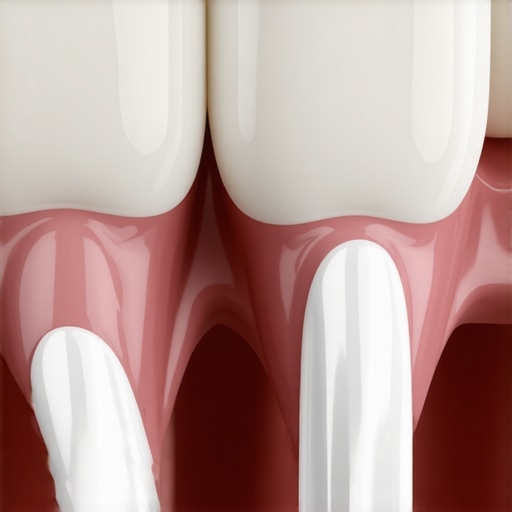
The process starts with clearing out the “rot.” If you have decay under an old filling, the dentist has to remove every microscopic bit. If they don’t, the bacteria will continue to eat your tooth from the inside out, even under a brand-new cap. Once the tooth is clean, it’s reshaped into a sturdy “post” that will hold the new porcelain. It needs to be shaped perfectly so the final crown fits flush against the gum line. If you’ve ever wondered why gums look dark around a dental crown, it often comes down to an older fit or metal-based materials. Modern expert cosmetic dentistry solutions now use all-ceramic options that eliminate that metallic shadow entirely.
Don’t DIY Your Dental Care
I have to share a somewhat embarrassing moment. A week before my final crown was ready, my temporary one popped off while I was at a wedding. In a moment of pure panic, I actually considered using a household adhesive I found in a junk drawer. Thankfully, common sense kicked in. I learned that the danger of using super glue to fix a broken crown is immense; the chemicals can kill the tooth nerve and cause permanent damage. Instead, I used a tiny dab of dental-grade temporary cement from a local pharmacy. Whether you are fixing a loose crown on vacation or just managing the wait for the lab, professional-grade materials are the only safe bet.
Make Oral Health a Family Standard
It’s easy to focus on our own dental drama once a tooth breaks, but the real victory is preventing these issues for the people you love. Applying these lessons to your kids is the best way to ensure they never have to experience a sudden dental emergency. Following a comprehensive family dentistry guide helps you spot the signs of wear before they become expensive problems. For instance, knowing how to tell if your child has a cavity before they are in pain can save them from needing invasive procedures later in life. It’s about building a proactive culture where the dentist is a partner in your long-term health.
One of the biggest misconceptions I hear—and one I fell for myself—is the idea that once a tooth is capped, it’s basically bionic. Everyone says a crown ‘saves’ the tooth, but in my experience, thinking of it as a permanent shield is a dangerous trap. You cannot just stop worrying about that tooth once the procedure is over. In fact, 7 red flags that your root canal is starting to fail often involve the area directly beneath a perfectly good-looking crown. If you aren’t flossing specifically around the base, bacteria will find that microscopic seam where the porcelain meets your natural enamel. This is known as marginal leakage, and it is the primary reason crowns fail long before they should.
The Bionic Tooth Myth
Challenging the common belief that crowns are indestructible is vital for your long-term health. While the ceramic material cannot decay, the natural tooth structure underneath certainly can. I have seen cases where the entire tooth crumbled inside the crown because the patient assumed they were ‘immune’ to cavities in that spot. According to a study published in the Journal of Prosthetic Dentistry, the longevity of any restoration is dictated by the integrity of the marginal seal. If you notice why your gum line looks dark around an old crown, you are seeing a warning sign that the seal might be compromised or the gum is receding, exposing the vulnerable root. 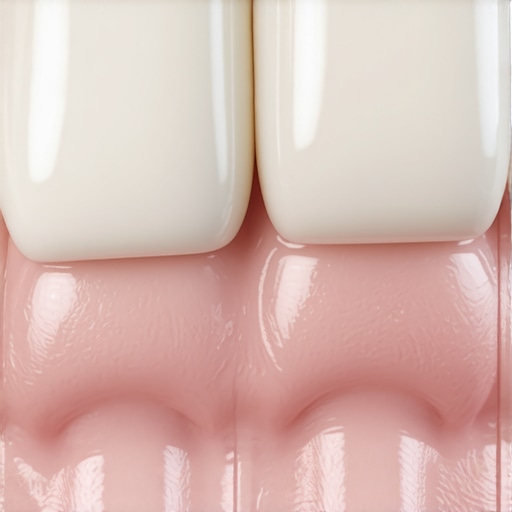
Will my crown stay white forever?
This is the nuanced question most people forget to ask during the color-matching phase. While high-quality porcelain is incredibly stain-resistant, your surrounding natural teeth are not. This creates a significant hurdle when you decide to revamp your smile with top cosmetic dentistry trends for 2025. If you choose to whiten your teeth a year after getting a crown, the crown will remain its original shade, potentially leaving you with a mismatched look. Always talk to your dentist about your long-term whitening goals before the final porcelain is fired.
Avoid the Mechanical Failure Trap
Another ‘oops’ factor involves treating a crown like a tool. Many patients are surprised to find the hidden reason your front teeth are wearing down is actually a functional bite issue like bruxism. If you don’t address the grinding, you will shatter a new crown just as quickly as you damaged your original tooth. Modern cosmetic dentistry innovations to watch have given us stronger materials, but they aren’t magic. You still need to protect your investment with a night guard if you are a heavy grinder. Have you ever fallen into this trap of thinking a dental fix was ‘one and done’ only to have it bite you later? Let me know in the comments.
If you’re serious about protecting that investment, you need to upgrade your toolkit beyond the basic drugstore toothbrush. I personally swear by the combination of an electric toothbrush with a pressure sensor and a high-end water flosser. Why the pressure sensor? Because I realized I was scrubbing so hard I was actually causing my gums to pull away from the crown margin. I found that why your gums are receding despite using a soft toothbrush often comes down to technique, not just the brush itself. By switching to a model that vibrates rather than rotates, I’ve managed to keep the interface between the ceramic and my gum line perfectly sealed.
The Secret Weapon for Crown Longevity
I also integrated a tapered interdental brush into my nightly routine—the kind that looks like a tiny Christmas tree. It is the only tool that physically disrupts the sticky biofilm at the crown margin where water flossers sometimes just glide over. A meta-analysis published in the Journal of Clinical Periodontology confirms that interdental brushes are significantly more effective at removing plaque in the narrow spaces around crowns and bridges than traditional string floss. This is especially true if you are following the best routine for cleaning under a dental bridge, as these areas are notorious for trapping debris that leads to failure.
How do I keep my new smile working for decades?
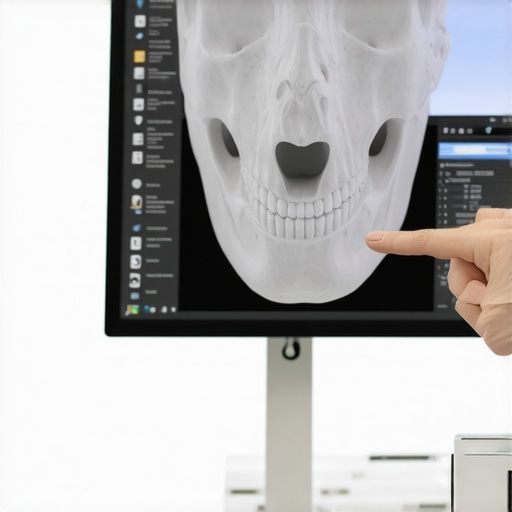
Maintenance isn’t just about what you do at home; it’s about the diagnostic technology your dentist uses to catch micro-leaks before they become abscesses. I now insist on 3D scans during my check-ups. Standard 2D X-rays can sometimes hide decay that is tucked directly behind a dense porcelain crown. This is why your Culpeper dentist might need a 3d scan to find hidden tooth pain that simply doesn’t show up on a traditional bite-wing. By seeing the tooth in a 360-degree digital space, we can ensure the internal structure remains as solid as the day the crown was cemented.
The Next Big Shift in Dental Longevity
Looking ahead, I predict we are moving toward ‘Smart Crowns’ embedded with pH-sensitive sensors that can alert your smartphone if the environment under the restoration becomes too acidic. Until then, we rely on cosmetic dentistry innovations to watch like bioactive cements that actually release calcium and phosphate to help remineralize the natural tooth structure underneath the cap. This technology is a game-changer for anyone looking at top cosmetic dentistry trends for 2025, as it shifts the focus from purely aesthetic to biological preservation.
Scaling Healthy Habits for the Whole Family
The best way to manage the long-term cost of dentistry is to start these high-tech habits early. When you transition from individual care to the role of family dentistry in ensuring oral health, you realize that teaching a child to use a water flosser now prevents a five-thousand-dollar crown twenty years from now. I’ve found that essential family dentistry tips aren’t just about brushing; they are about teaching the ‘why’ behind the tools. Try this: Swap your regular floss for a week of interdental brushing and see if that ‘weird’ taste or slight puffiness around your crown disappears—it’s the fastest way to verify your cleaning routine is actually working.
The Hardest Lesson I Learned About My New Molar
Looking back at my dental journey, the biggest shift wasn’t in the procedures I received, but in how I viewed them. I used to think a crown was like a permanent shell that made my tooth invincible. Now, I know better. A restoration is a second chance to get your hygiene right. If you’ve been understanding dental crowns as a simple fix, remember that the natural tooth structure underneath is still alive and vulnerable to decay at the margins. I also learned that choosing crowns over other restorations is about more than aesthetics; it’s about structural preservation that keeps your bite functional for decades.
My Go-To Kit for Long-Term Maintenance
I stopped relying on cheap drugstore brushes once I realized how much was at stake. My current toolkit is built on precision: an electric brush with a pressure sensor to protect my gum line and interdental brushes to clean the tiny seams where porcelain meets enamel. I also make it a point to see a professional who understands the role of family dentistry in ensuring oral health for the long haul. These tools aren’t just about cleaning; they are about protecting an investment that cost me thousands of dollars and several stressful nights. I personally trust the combination of high-tech diagnostics and consistent, mechanical disruption of plaque to keep my smile intact.
Invest in Your Smile Before the Snap Happens
You don’t have to wait for a Tuesday night snap to take your oral health seriously. By prioritizing child-friendly dental care for the kids and being proactive about your own cracks and chips, you can avoid the emergency chair altogether. Modern dentistry is incredibly gentle, and the peace of mind that comes with a stable, healthy mouth is worth every penny. Take that first step and book a check-up before the pain starts. Have you ever ignored a weird feeling in a tooth until it became a real problem? Share your experience below.