I remember the first time I felt it. It was 6:30 AM, my coffee was still brewing, and as I absentmindedly bit down, my molar felt like it had spent the night in a trash compactor. It wasn’t exactly pain, but a weird, localized pressure—as if my tooth had suddenly grown a size too large for its custom-made porcelain hat. I immediately panicked. I assumed my dental crown was failing or that some invisible infection was brewing underneath. Early in my journey with restorative dentistry, I actually made the frantic mistake of trying to ‘wiggle’ the crown to see if it was loose, which only made my gums angry. Trust me, poking at a restoration with a metal tool at dawn is not the way to go. Today, I want to pull back the curtain on why that morning tightness happens and help you breathe a sigh of relief.
That Morning Squeeze Isn’t Just in Your Head
That sensation of a vice-grip on your tooth is incredibly common, yet rarely discussed in the recovery room. When you first get a restoration, you’re usually focused on why you need a crown in the first place, not how it will feel six months later at sunrise. The reality is that your teeth are not static; they live in a dynamic environment of bone, ligaments, and muscle. According to the Journal of Oral Rehabilitation, nearly 13% of adults suffer from sleep bruxism, a condition where you grind or clench your teeth during the night without ever knowing it. When you clench, you apply hundreds of pounds of pressure per square inch. This pressure can slightly inflame the periodontal ligament—the tiny ‘shock absorbers’ holding your tooth in place—making the crown feel snug or ‘tall’ until you’ve been awake for an hour and things settle down.
Is it possible my crown actually shrunk or moved?
It is a valid fear to think the hardware itself is changing. I used to worry that my crown was somehow reacting to the temperature of my room or shifting on its own. The truth is, the porcelain or zirconia won’t shrink, but your gum tissue and the surrounding teeth certainly can react to stress. If you are noticing that your teeth feel sore after a long night of sleep, it is rarely the crown’s fault and almost always a sign of nocturnal activity. I once waited weeks to tell my dentist about this, fearing I’d need a whole new procedure, but the fix was much simpler than I imagined. Have you ever woken up and felt like your bite was just ‘off’ for the first ten minutes of the day?
Stop the Grinding Before It Damages Your Investment
If you don’t address that morning tightness, you risk more than just a weird sensation. Constant clenching can lead to the porcelain chipping or, worse, the cement seal breaking. If you’ve ever wondered about the danger of using super glue to fix a broken crown, you already know that DIY fixes are a nightmare. The goal is to prevent the damage before you reach that level of desperation. By understanding the mechanics of your jaw, you can start taking steps to relax those muscles before your head hits the pillow. We are going to look at the practical ways to ease that pressure and keep your smile feeling comfortable from the moment you wake up.
Protect your crown with a custom night guard
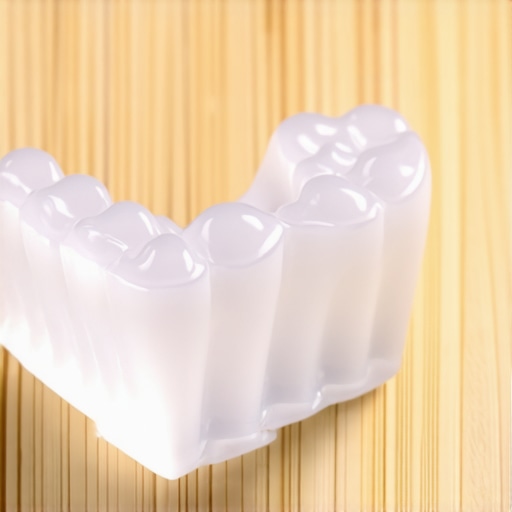
The single most effective tool in my arsenal wasn’t a special toothpaste or a vibrating brush; it was a hard acrylic night guard. Think of your crown like a high-performance tire and your jaw like a heavy-duty engine. If you rev that engine all night with the brakes on, something is going to snap. Most people grab a soft guard from the pharmacy, but that’s a mistake. I once spent $20 on a boil-and-bite guard because I was impatient. Instead of helping, the soft rubber felt like a chew toy to my brain. I woke up with my jaw locked so tight I could barely eat my cereal because my muscles spent eight hours trying to ‘kill’ the guard. A hard guard from your dentist keeps the jaw in a neutral position, preventing the ‘morning squeeze’ entirely. If you’ve been on the fence, you should know the risks of skipping your night guard for just one week can range from minor discomfort to a fractured restoration.
Keep your teeth apart with the ‘N’ position
You can actually train your mouth to relax during the day so it doesn’t carry that tension into the night. My dentist taught me a trick: say the letter ‘N’ and notice where your tongue goes. It should rest gently against the roof of your mouth, just behind your front teeth. In this position, your upper and lower teeth should not be touching. I used to catch myself clenching while typing emails, and by the time I went to bed, my masseter muscles were already exhausted. It’s a common reason why one specific tooth hurts only when you are stressed. By practicing the ‘N’ position, you give those periodontal ligaments a break, ensuring they aren’t already inflamed by the time you hit the pillow.
Make sure your bite is actually balanced
Sometimes the tightness isn’t about your habits—it’s about the math. If your new crown is even a fraction of a millimeter too high, it will take the brunt of every bite you make. This is called ‘hyperocclusion.’ Think of it like walking with a small pebble in one shoe; eventually, your whole hip is going to hurt. Your dentist can perform a quick adjustment by having you bite on thin articulating paper to find the high spots. When comparing dental crowns vs other restorations, remember that crowns require the most precision in how they meet their neighbors. A simple five-minute buffing session can sometimes eliminate that morning pressure instantly.
Schedule a check-up for the whole family
If you’re noticing these issues, it’s a great time to bring the rest of the household in too. Clenching and grinding are often hereditary or lifestyle-based. Following a family dentistry guide can help you spot these habits in your children before they need major work. Catching a grinding habit early is much easier than dealing with the real cost of delaying a necessary dental crown later in life because of preventable wear and tear.
Why Natural Beauty is Harder to Achieve than Perfection
People often think getting a crown is a final fix, but the most sophisticated mistake you can make is assuming the work is done once the cement cures. In the world of high-end restoration, the biggest challenge isn’t making a tooth white; it’s making it disappear into your smile. Everyone says you should go for the brightest shade possible to look your best, but in my experience, the ‘bleach’ look is the quickest way to flag that you’ve had significant work done. Natural teeth are not monochrome; they have a specific property called translucency, where light enters the tooth and bounces around before reflecting back. According to research in the International Journal of Esthetic Dentistry, failing to account for this ‘optical layering’ is why some crowns look like flat, opaque blocks of plastic next to their vibrant neighbors. When you revamp your smile with 2025 trends, the focus is on light-play and depth, not just a high-wattage glow.
Why does my gum line look dark even if the tooth is healthy?
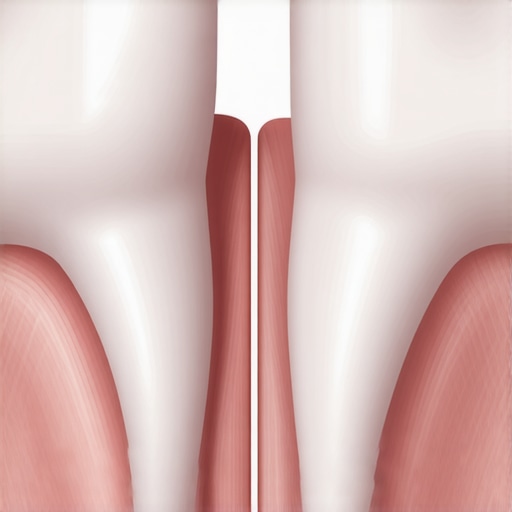
This is a question I get all the time from patients with older restorations. You might notice that your gum line looks dark around an old crown and immediately fear that the tooth is rotting underneath. While decay is a possibility, it is often just the metal ‘collar’ of an old-school porcelain-fused-to-metal (PFM) crown showing through as your gums naturally thin or recede over time. Modern cosmetic dentistry innovations to watch, like all-zirconia or e.max restorations, have completely eliminated this ‘black line’ issue because they are entirely metal-free. If you are evaluating dental crowns vs other restorations, opting for these newer materials ensures that even if your gums shift in ten years, your smile remains seamless.
The Traps of Reactionary Family Dentistry
The ‘Oops’ factor in managing a household’s oral health is waiting until a child complains of pain to visit the office. Many parents focus purely on catching cavities, but a true family dentistry guide emphasizes that we are monitoring growth patterns and jaw development, not just decay. Skipping these early checks means missing the critical window for interceptive care. Establishing child-friendly dental care early ensures that we aren’t just reacting to problems, but guiding the adult teeth into their proper positions safely. By shifting from a ‘fix-it-when-it-hurts’ mindset to a proactive structural mindset, you save thousands in future orthodontic and restorative costs. Have you ever fallen into the trap of picking a tooth shade that was way too white? Let me know in the comments.
It is one thing to achieve a perfect smile, but it is another thing entirely to keep it working for the next twenty years. I used to think a regular soft-bristled brush was enough until I saw the microscopic plaque buildup around my crown margins during a check-up. My dentist showed me how even a tiny bit of debris can lead to your gum line looking dark around an old crown or, worse, localized inflammation that compromises the bone. To avoid this, I had to stop being a casual brusher and start being a technician of my own mouth.
Ditch the manual brush for a sonic upgrade
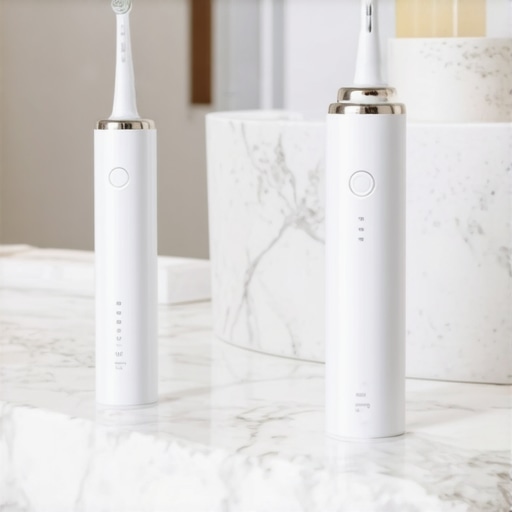
I switched to the Philips Sonicare ProtectiveClean 6100, and I will never go back. Why? Because it has a built-in pressure sensor that pulses when you press too hard. Most people with new crowns over-brush out of a desire for cleanliness, but this aggressive friction is exactly why your gums are receding despite using a soft toothbrush. A study published in the Journal of Clinical Periodontology highlighted that patients using power toothbrushes saw a 21% reduction in plaque compared to manual users over a three-month period. By letting the sonic vibrations do the work, you protect the delicate junction where the porcelain meets your natural tooth.
How do I maintain my dental restorations over time?
The secret isn’t just brushing; it’s irrigation. I recommend the Waterpik Aquarius Professional specifically because it has a ‘Floss’ mode and a ‘Hydro-Pulse Massage’ mode. For anyone with dental crowns or bridges, using a water flosser is non-negotiable. It reaches the tiny pockets that string floss often skips, preventing the decay that causes 7 red flags that your root canal is starting to fail. If you are managing a household, remember that caring for your child’s teeth follows the same logic—establishing these high-tech habits early prevents the need for major restorative work down the road.
The 2030 vision of the smart tooth
Looking ahead, the industry is moving toward ‘bio-interactive’ materials. We are already seeing cosmetic dentistry innovations to watch that involve crowns capable of releasing fluoride or calcium to the underlying tooth. In the near future, I predict we will have ‘smart’ restorations embedded with sensors that can alert your phone if it detects a pH drop, signaling a potential cavity before it even becomes visible on an X-ray. When you revamp your smile with 2025 trends, you are already stepping into a world where technology and biology are becoming one. If you want to keep your expert cosmetic dentistry solutions looking pristine, my advanced tip is this: start using a water flosser with a 1:10 ratio of antimicrobial mouthwash to water once a week. It’s a game-changer for keeping those margins tight and healthy. Go ahead, try the Waterpik for 30 days and see if your dentist doesn’t notice the difference at your next cleaning.
The Unspoken Realities of Living with Restorative Work
I wish someone had told me earlier that a crown isn’t just a porcelain cap; it’s a new member of your mouth’s delicate ecosystem. First, I learned that ‘phantom tightness’ is often a physical messenger for stress held elsewhere in the body. If your crown feels small in the morning, your jaw is likely whispering about your daily workload. Second, never ignore a new ‘click’—if you hear a tiny sound when you release your bite, it is usually a sign you need a microscopic adjustment. Lastly, the longevity of your work depends entirely on the health of the bone beneath it, which is why the role of family dentistry in ensuring oral health for all ages is so vital; it is about protecting the foundation, not just the porcelain facade.
My Personal Setup for a Forever Smile
To keep my dental investment secure, I rely on three specific tools that I trust implicitly. I use the Philips Sonicare ProtectiveClean because its pressure sensor prevents me from scrubbing away my gums. I also keep a travel-sized repair kit in my bag, because knowing how to fix a loose crown when you are on vacation provides incredible peace of mind. Finally, I recommend reading The Dental Diet by Dr. Steven Lin; it completely changed how I view the nutrients my teeth need to stay remineralized and strong from the inside out.
Take the Pressure Off Your Future Self
You do not have to wake up in discomfort or fear that your restoration is failing. By making small, proactive shifts today—like using a hard guard or perfecting your tongue posture—you ensure that your expert cosmetic dentistry solutions last for decades rather than just a few years. Your smile is a living, breathing part of you; treat it with the patience and technical care it deserves. Have you ever felt that strange ‘morning squeeze’ after a particularly stressful night? Let me know about your experience in the comments below!