I was sitting at a backyard barbecue, halfway through a piece of grilled corn, when I felt it—that sickening, tiny little shfit. It wasn’t a sharp pain, but a subtle wiggle in the one place where movement is supposed to be impossible. My dental implant, the one I’d spent months and a small fortune on three years ago, felt like it was coming unanchored. My heart did a slow somersault. I remember thinking, ‘Is this it? Is my jaw literally rejecting this thing?’ It’s a terrifying sensation because we’re told implants are permanent solutions. But here’s the truth: that wiggle doesn’t always mean you’re losing the tooth. Today, I’m going to walk you through exactly why that ‘permanent’ fixture might be acting up and how to tell the difference between a minor tweak and a major emergency.
The Moment You Realize Your Permanent Tooth Isn’t So Permanent
For a long time, I lived with a slight ‘clicking’ sound whenever I chewed on my left side. I made the classic mistake of ignoring it, assuming I was just being paranoid. I figured since I was staying on top of my family dentistry appointments, everything was fine. But that clicking was actually the first sign that something was drifting. When an implant feels loose after a few years, it’s usually not the titanium post in your bone that’s moving; it’s the hardware on top. Think of it like a loose door handle on a very solid door. In many cases, it’s just the abutment screw—the tiny connector—that has backed out slightly. It’s surprisingly common, yet it feels like a total catastrophe when you’re the one experiencing it. You might even start wondering how to tell if your dental implant is being rejected by your body, but don’t jump to that conclusion just yet. Have you ever felt that sudden, heart-sinking moment where your dental work felt a little too ‘human’ and fragile?
Is My Implant Actually Failing or Just Needs a Tune-Up?
It is easy to spiral into worst-case scenarios, especially when you start Googling. However, the American Academy of Implant Dentistry (AAID) points out that while dental implants boast a success rate of around 98%, mechanical issues like a loose crown or screw are the most frequent ‘hiccups’ patients face years down the line. It’s often a matter of why your dental implant crown keeps coming loose rather than the implant failing to fuse with the bone. I’ve learned that the ‘wiggle’ is often just a maintenance call. Whether it’s a case of understanding dental crowns and their lifespans or checking for bone loss, we need to look at the mechanics first. If you’ve been feeling a pulse or a shift, let’s dive into the three main culprits behind that loose sensation and what you can do about it before you lose sleep over it.
Pinpoint the Problem Without Losing Your Mind
The first thing I did after that barbecue was head straight to a mirror. If you feel a shift, you need to determine if the movement is coming from the crown (the visible tooth) or the post (the root). Think of your implant like a high-end mountain bike pedal. If the pedal wiggles, it’s usually just the bolt connecting it to the crank arm, not the arm itself snapping off. Gently place your index finger and thumb on the crown and see if you can toggle it. If the gums don’t move with the tooth, you’re likely dealing with a loose abutment screw. This is actually a relief because it means your bone is fine, but you still need to act fast. If you let it wobble, you risk how to tell if your dental crown has a hidden crack forming from the uneven pressure, which can turn a simple tightening into a full replacement.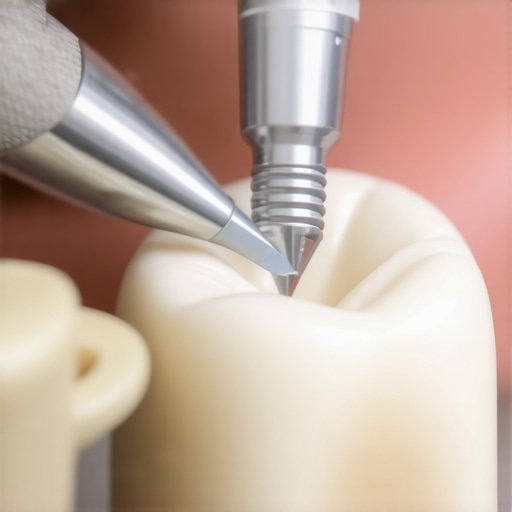
What Happens Inside the Dental Office
When I finally sat in the chair, my dentist didn’t reach for a scalpel; he reached for a tiny, specialized torque wrench. Most people don’t realize that dental crowns explained as part of an implant system often have a tiny access hole covered by a bit of composite resin. My dentist simply popped that resin off, inserted the wrench, and tightened the screw back to the manufacturer’s exact specifications. It took ten minutes. However, if you wait too long, the internal threads can get stripped. This is the real cost of delaying a necessary dental crown repair—the difference between a quick tweak and having to replace the entire internal assembly. I remember the sheer relief of feeling that tooth become rock-solid again. It felt like my mouth was finally ‘whole’ once more.
The Three-Minute Tightening That Saved My Sanity
I’ll never forget the sound of that tiny ‘click’ when the wrench reached the right tension. It was the sound of a five-thousand-dollar investment being saved. My dentist explained that why your dental implant crown keeps coming loose is often due to ‘material fatigue’ or micro-movements from clenching. He showed me the old screw, which had tiny silver flakes on it—evidence that it had been grinding against the abutment every time I chewed that grilled corn. If I had waited another week, I might have snapped the screw entirely inside the implant body, a nightmare scenario that involves precision drilling and a lot of sweat.
Keep the Wiggle from Coming Back
Maintenance is not just about brushing; it’s about managing the forces in your mouth. After my repair, I was prescribed a custom night guard. I used to think they were just for people with stress, but for implant patients, they are insurance policies. Consider the risks of skipping your night guard for just one week; the constant grinding can vibrate those tiny screws loose over months of sleep. You also need to ensure you’re getting regular check-ups. A professional can spot the ‘clicking’ I ignored long before it becomes a physical wiggle, ensuring your hardware stays as permanent as it was promised to be.Most people assume that high-end dental work is purely about vanity, but that is a dangerous misconception. In my experience, the line between ‘looking good’ and ‘functioning correctly’ is non-existent. When people look to transform your look with expert cosmetic dentistry solutions, they often forget that a crown or veneer that isn’t perfectly calibrated to your bite will eventually fail, no matter how white it is. A common belief is that cosmetic work is a luxury, but in a comprehensive family dentistry guide, you will find that these procedures are often necessary to restore the structural integrity of a tooth.
Stop Thinking of Cosmetic Dentistry as a Luxury
The reality is that form follows function. If a crown is shaped poorly, it won’t just look unnatural; it will cause your jaw muscles to overcompensate, leading to the kind of grinding that vibrates screws loose. This is the biggest ‘oops’ factor I see: patients assuming that once a crown is placed, the tooth is ‘invincible.’ It is a trap to believe that because the outside is porcelain, the natural tooth underneath is safe from harm. In fact, the edge of the crown is its most vulnerable point. If you don’t stay updated on the latest revamp your smile with top cosmetic dentistry trends for 2025, you might miss out on materials that bond more effectively to prevent leakage. 
The Invisible Gap That Ruins Restorations
Let’s get technical for a second. The most common mistake is ignoring the ‘margin’—the microscopic area where the crown meets your gum line. A study published in the Journal of Prosthetic Dentistry notes that even a gap as small as 50 microns can allow enough bacteria to seep in to cause secondary decay. This is why you might eventually need to know how to tell if your dental crown has a hidden crack or a failing seal. If you can feel a tiny ‘ledge’ with your fingernail or tongue at the base of the tooth, the seal is likely compromised. This isn’t just a minor flaw; it’s a ticking time bomb for the root.
Why Is There a Shadowy Line Near Your Gums?
Many patients notice a dark or grey tint near the gum line of an older crown and assume it’s just ‘aging.’ While some older porcelain-fused-to-metal crowns have a metal base that shows through, this shadow is often the first sign of why your gum line looks dark around an old crown—it can signal that the gums are receding due to a poor fit or that the underlying tooth is beginning to decay. When you are understanding dental crowns and their lifespan, you have to realize they are not ‘set and forget’ devices. Whether you are weighing dental crowns vs other restorations or just checking on a ten-year-old bridge, the fit is everything. Remember, the real cost of delaying a necessary dental crown replacement isn’t just the financial expense; it’s the risk of losing the foundation of your tooth entirely. Have you ever fallen into the trap of thinking your dental work was indestructible? Let me know in the comments if you’ve ever had a ‘permanent’ tooth surprise you.I’ve spent a lot of time researching what actually keeps these high-end fixes in place, and it’s not just luck; it’s about having a professional-grade toolkit at home. My personal ‘save-my-smile’ kit includes a Waterpik specifically fitted with the Plaque Seeker tip. Unlike regular string floss, which can sometimes shred against the titanium abutment, this specific tip has three thin tufts of bristles that can navigate the microscopic gaps around the crown’s base. I also stopped buying generic heads for my electric brush because understanding the truth about how often you should replace your toothbrush head changed how I viewed bacterial colonies. If those bristles are even slightly flared, they aren’t cleaning; they are just moving debris around the most expensive parts of your mouth.
How do I maintain my dental restorations over time?
The secret is moving from reactive care to predictive technology. Every year, I now request a 3D CBCT scan rather than just a traditional bitewing X-ray. You might wonder why your Culpeper dentist might need a 3D scan to find hidden tooth pain or structural issues, and the answer is depth. A standard X-ray is a flat map, but a 3D scan is a GPS for your jawbone. It can spot the earliest stages of bone resorption around an implant post long before you ever feel a wiggle. According to the International Journal of Oral & Maxillofacial Implants (IJOMI), early intervention when a screw first begins to lose its initial torque can prevent nearly 90% of later prosthetic failures. This is the difference between a ten-minute tightening and a multi-stage surgical replacement. 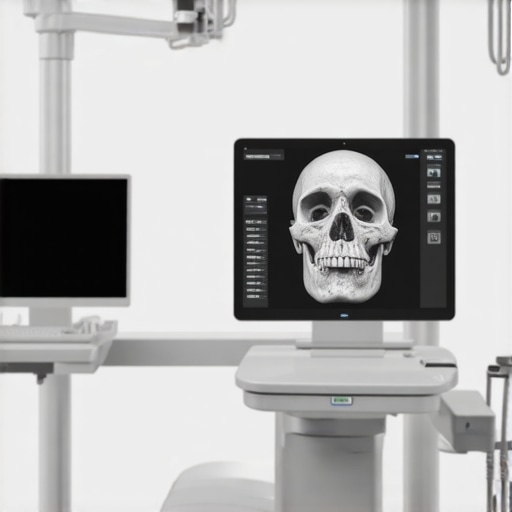 Looking forward, I predict that within the next decade, we will see ‘smart’ crowns equipped with internal sensors. We are already seeing the beginning of this shift with cosmetic dentistry innovations to watch, such as AI-driven bite analysis that can predict exactly where a crown will chip before it happens. For now, the most effective tool you have is consistency. If you have sensitive teeth and tend to avoid the dentist, ask for the secret to painless dental cleanings for sensitive teeth—which usually involves specialized ultrasonic scalers—to ensure you never miss these critical check-ups. My best advice? Go buy a specialized bridge and implant flosser today; it’s the single most effective way to ensure that the seal around your implant remains airtight for life.
What My Surgeon Never Mentioned About Long-Term Stability
After living through the ‘wiggle’ scare, I realized there are nuances to dental longevity that don’t always make it into the initial consultation. First, I learned that your bite is dynamic; as you age, your natural teeth move, but your implant stays anchored. This can create ‘high spots’ that act like a hammer on your restoration. Second, the ‘Sneeze Test’ is real—if you feel a tiny vibration during a sudden jaw movement, call your office immediately. It is often the first whisper of a loose screw. Finally, I discovered that choosing dental crowns vs other restorations is only half the battle; the real work is in the years of micro-adjustments that keep your jaw in harmony. It’s about being proactive rather than waiting for a failure.
My Personal Survival Kit for a Rock-Solid Smile
I don’t leave my oral health to chance anymore, and neither should you. My daily routine involves a few non-negotiables that have kept my hardware silent and secure. I swear by high-quality interdental brushes—specifically the rubber-coated ones—that don’t scratch the titanium post. I also prioritize knowing the best way to clean a night guard to prevent odors and bacterial buildup, because that guard is the only thing standing between my stress-grinding and a broken abutment. For anyone looking for a comprehensive roadmap for their household, the family dentistry guide is my go-to recommendation for understanding how the health of your whole family’s smiles impacts your own long-term success. I trust these tools because they focus on the biology of the mouth, not just the appearance.
Treat Your Smile Like the Investment It Is
At the end of the day, a dental implant or a crown is more than just a medical procedure; it is a commitment to your future self. It’s easy to feel invincible once the numbness wears off and the tooth looks perfect, but remember that even the best cosmetic dentistry requires a vigilant partner. Don’t ignore the tiny clicks or the subtle shifts. If you suspect something is off, learning how to tell if your crown needs to be replaced immediately can save you from a much larger headache down the road. Take charge of your oral health today, and if you have questions, never hesitate to contact us for professional guidance. Have you ever felt a ‘click’ or a ‘wiggle’ in your dental work that turned out to be a simple fix? Share your story in the comments below!