I remember the morning my son’s first adult incisor finally poked through the gumline. I was ready with the camera, expecting a pearly white milestone. Instead, I saw a tooth that looked… well, kind of like a piece of aged cheddar compared to the snow-white baby teeth surrounding it. I panicked. I immediately started scrubbing harder, thinking I’d failed as a parent. My mistake was assuming all teeth were created equal, and it is a trap many of us fall into when we are obsessing over child-friendly dental care. Today, I’m going to show you why that ‘yellow’ look is actually a sign of a strong, healthy tooth and when you should actually be concerned about discoloration.
Stop Scrubbing Because Those Yellow Teeth are Actually Normal
It’s a classic optical illusion that plays tricks on every parent’s mind. Baby teeth are often called ‘milk teeth’ for a reason—they are incredibly white and relatively translucent. When a permanent tooth erupts right next to them, it looks dull by comparison. The reality is that adult teeth are structurally different; they have a much thicker layer of dentin, which is the naturally yellowish tissue under the enamel. This is a design feature meant to help those teeth last for the next eighty years. Early on, I made the mistake of thinking my son needed professional whitening, but that would have been a disaster for his developing enamel. As I learned through our journey with family dentistry, adult teeth also have larger pulp chambers, which contributes to that deeper hue.
Is it just poor brushing habits or something worse?
You might be worried that the shade difference indicates a lack of hygiene or some underlying decay. While white spots on new teeth can sometimes signal a mineral issue, the general yellowish cast is usually just biology at work. According to the American Academy of Pediatric Dentistry, permanent teeth simply have more calcified tissue, which is not as bright as the primary teeth they replace. If you are following essential family dentistry tips and keeping up with regular cleanings, you are likely doing just fine. Have you ever looked at your child’s new teeth and felt like you were failing the ‘pearly white’ test? You are definitely not alone, and understanding the anatomy of these new arrivals is the first step toward dental peace of mind.
How to Tell if That Yellow Hue is Actually a Problem
Before you rush to buy whitening strips, you need to perform a quick visual assessment. The difference between healthy dentin and a hygiene issue is often found in the texture rather than the shade. Natural yellowing from the tooth’s internal structure will look uniform and smooth. If the color looks patchy or fuzzy, you are likely dealing with plaque buildup that hasn’t been reached. When I first noticed my son’s teeth changing, I spent ten minutes with a flashlight and a mirror trying to distinguish between a stain and a shadow. It turns out, white spots on new teeth or chalky patches are far more concerning than a consistent warm tone. If the enamel looks shiny and feels hard to a clean fingernail, that yellow you see is just the strength of the adult tooth showing through.
Run the Fingernail Test for Plaque
To be sure the discoloration isn’t just surface debris, gently run a clean fingernail or a soft toothpick along the gum line of the new tooth. If a white, cheese-like substance comes off, that is plaque, not the tooth color itself. Even the most diligent kids miss spots, which is why your child needs a professional cleaning even with perfect brushing habits. If nothing scrapes off and the tooth remains that same ‘creamy’ color, you are looking at healthy, thick enamel. 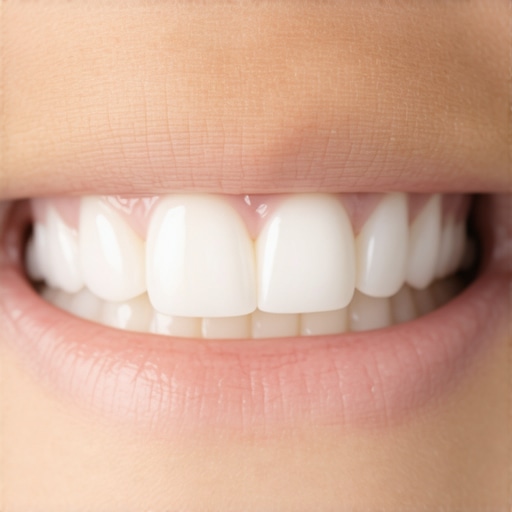
Check the Texture Against Surrounding Teeth
Compare the surface of the new permanent tooth to the neighboring baby teeth. Is it pitted or does it have deep grooves? Permanent molars often have more character than baby teeth, but if the yellowing is accompanied by a rough or ‘eaten-away’ appearance, it could be enamel hypoplasia. This is a condition where the enamel didn’t form correctly. However, if the surface is as smooth as a polished stone, the color is likely just a natural byproduct of the larger pulp and thicker dentin layer that permanent teeth require for longevity.
Protect the Enamel You Already Have
Once you realize the color is natural, the goal shifts from ‘whitening’ to ‘preserving.’ I once fell into the trap of thinking a more abrasive paste would help. I bought a tube of ‘natural’ charcoal scrub and let my son go to town. Within three days, his gums were red and he complained of sensitivity. It was a mess, and I quickly learned through a talk about essential family dentistry tips that the truth about charcoal powder is that it can actually strip away the precious enamel you are trying to clean.
Stop Brushing Like You’re Scrubbing a Grout Line
The ‘how’ of brushing matters more than the ‘how long.’ You want to use a circular motion with a soft-bristled brush. Think of it like polishing a car rather than scrubbing a dirty floor. Aggressive horizontal scrubbing can lead to gum recession, making the teeth look even more yellow as the root becomes exposed. If you notice your child’s brush bristles are splaying outward after only a few weeks, they are pressing way too hard.
Hold Off on Professional Cosmetic Fixes
It is tempting to look into expert cosmetic dentistry solutions the moment a child’s smile looks ‘off,’ but patience is your best tool here. Professional whitening is generally not recommended until all permanent teeth have erupted and the tooth pulp has fully matured—usually around age 14 to 16. Using harsh chemicals on a young tooth with a large pulp chamber can cause intense, lasting pain. Instead, focus on maintaining a healthy environment so that when they are older, they have a strong foundation for any cosmetic dentistry innovations they might want to explore.One of the most persistent myths I see in the parenting world is the idea that dental work—especially restorative work like crowns—is a ‘set it and forget it’ solution. We often treat family dentistry as a series of boxes to check: fill the cavity, straighten the tooth, move on. But the real expertise lies in understanding that a restoration is only as good as the biological foundation it sits on. I’ve spoken with specialists who argue that we often over-intervene too early. For instance, while you might be tempted by expert cosmetic dentistry solutions to fix a slight overlap in your child’s new teeth, doing so before the jaw has fully finished growing can actually compromise their long-term bite stability. This is the ‘perfection trap’—chasing a Hollywood smile at the expense of functional longevity.
Why ‘Perfect’ Teeth Might Actually Be a Red Flag
In my journey through the world of building a lifetime of healthy smiles, I’ve learned that a ‘perfectly’ white, uniform row of teeth in a ten-year-old can sometimes be a sign of trouble later. When we ignore the natural variations in tooth shade and shape, we risk missing the subtle cues our bodies give us. A study published in the Journal of Dentistry highlights that overly aggressive preparation for cosmetic purposes can reduce the lifespan of the natural tooth structure by up to 50%. This is why I always advocate for the most conservative approach possible. If you rush into cosmetic dentistry trends without a solid health foundation, you’re just building a house on sand.
What causes that annoying dark shadow around old crowns?
This is a question that stumps even the most diligent patients. You might notice a dark line appearing where the tooth meets the gum. Most people assume it’s decay or that the dentist did a poor job. In reality, why your gum line looks dark around an old crown often comes down to the material used—traditional porcelain-fused-to-metal crowns have a metal substructure that becomes visible as gums naturally recede with age. It isn’t necessarily a failure of the crown, but rather a nuance of how materials age with your body. Understanding which restoration is right for you means looking ten or twenty years down the line, not just at next month’s photos. 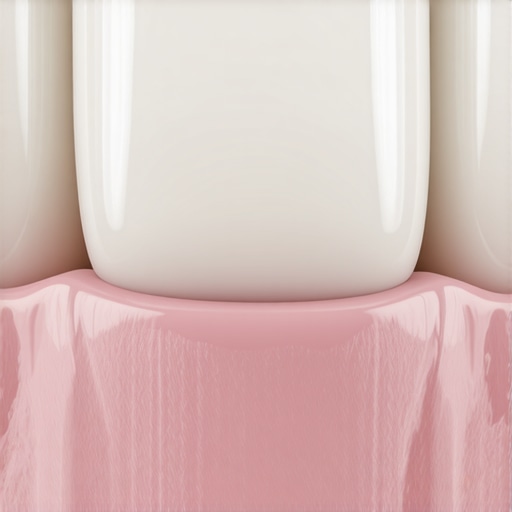
Stop treating your child’s mouth like a project to be finished
The biggest ‘oops’ factor I see is parents wanting to ‘fix’ things that aren’t broken. If you’re worried about white spots on new teeth or minor gaps, remember that the mouth is a dynamic, changing environment. According to the American Dental Association, many minor alignment issues self-correct as the permanent molars move into place. Forcing an intervention too soon can lead to ‘dental fatigue’ for the child and potentially unnecessary costs. Whether you are understanding dental crowns for yourself or child-friendly dental care for your little ones, the goal should always be health over aesthetics. Have you ever fallen into the trap of wanting a quick cosmetic fix only to realize later it wasn’t necessary? Let me know in the comments!
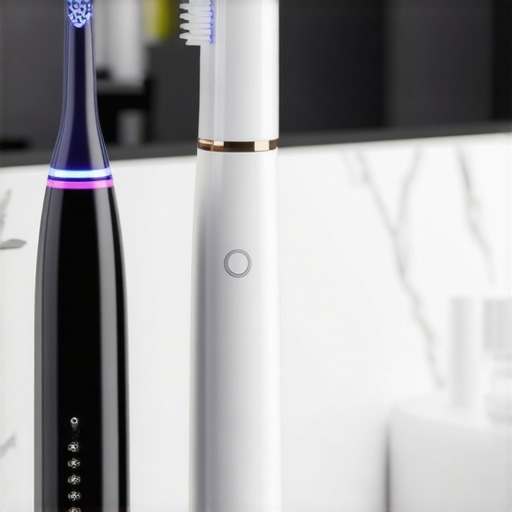
It took me years to realize that the most expensive dental tools aren’t always the best ones, but the smartest ones are worth their weight in gold. After my ‘charcoal disaster,’ I decided to stop guessing and start investing in gear that actually protects the enamel. I transitioned our household to electric toothbrushes with built-in pressure sensors—specifically models that flash red when you press too hard. This was a game-changer for my kids, who used to treat their gums like a DIY home renovation project. By mastering essential family dentistry tips at home, we’ve managed to keep our bi-annual checkups boring, which is exactly how you want them to be.
Why Your High-Tech Brush Needs a Low-Tech Attitude
I personally use a Sonicare with a pressure sensor because it removes the temptation to scrub. The vibration does the work, and my only job is to guide it. This is especially important if you have restorations. If you are understanding dental crowns and how they interface with your natural gum line, you know that aggressive brushing is the fastest way to cause recession. Once that gum moves, you might start wondering why your gum line looks dark around an old crown. It’s often not a cavity, but the exposed edge of the restoration that was never meant to see the light of day. According to Dr. Gordon Christensen of Clinicians Report, the longevity of a restoration is more dependent on the patient’s home care habits than the material itself. Using a soft touch isn’t just a suggestion; it’s a financial strategy to avoid premature replacements.
How do I maintain my dental work over time?
Maintenance is about consistency and the right supplementary tools. For anyone in the family with braces or bridges, a water flosser is non-negotiable. I use mine every night with lukewarm water because it reaches the nooks and crannies that traditional floss misses, especially under a bridge. If you’ve ever worried about how to tell if your dental crown is leaking bacteria, the best defense is ensuring that no plaque sits at the margin for more than twelve hours. For my son, who is now a teenager, we’ve also integrated a high-fluoride rinse at night to reinforce that ‘yellow’ adult enamel we were so worried about years ago. It’s about building a lifetime of healthy smiles through layers of protection, not just one single ‘fix-all’ product.
The Shift Toward Predictive Digital Care
Looking ahead, I predict we are moving away from ‘reactive’ dentistry—where we only fix things when they hurt—and toward ‘predictive’ care. We are already seeing the rise of AI-integrated intraoral cameras that can track enamel wear over months. In the next few years, cosmetic dentistry innovations will likely include home-scanning apps that alert you to a crack before it becomes an emergency. Imagine being able to see how to tell if your dental crown has a hidden crack using your smartphone. This tech is coming, and it will make the role of family dentistry more about data management and prevention than ever before. My advice? Get comfortable with the tech now. If you haven’t yet, try using a disclosing tablet on your kids (or yourself!) once a week. It’s a low-tech way to see exactly where you’re missing plaque, and it’s the single most effective way to improve your brushing technique overnight.
My Hard-Won Truths About Transitioning to Adult Teeth
Looking back at that morning of panic, I realize now that I was looking for perfection when I should have been looking for resilience. Here are the lightbulb moments that changed how I approach my family’s dental health:
- The ‘Ugly Duckling’ phase is real and necessary. It’s not just about the color; the gaps and the oversized look of new teeth are part of the natural process of building a lifetime of healthy smiles. Most of these issues resolve themselves as the jaw grows.
- Whiter isn’t always stronger. In fact, the very white color of baby teeth is due to their lower mineral density. That creamy, yellow-ish adult tooth is actually a powerhouse of calcified tissue designed to last a lifetime.
- Prevention is quieter than a cure. I spent so much time worrying about white spots on new teeth when I should have been focusing on the simple habit of drinking more water to rinse away acids throughout the day.
- Wait for the wisdom of age. I’ve learned that rushing into expert cosmetic dentistry solutions for a pre-teen is often a mistake. Their mouths are still moving targets, and what looks ‘off’ at eleven often looks perfect by sixteen.
The Survival Kit I Trust for Every Dental Milestone
I stopped buying every ‘miracle’ product on the shelf and narrowed our home care down to a few high-quality tools that prioritize child-friendly dental care without the fluff. Here is what we actually use:
- Pressure-Sensor Electric Toothbrushes: These are the single best investment we made. They teach kids that ‘scrubbing’ is the enemy of enamel and help prevent the recession that makes you wonder why your gum line looks dark around an old crown later in life.
- Disclosing Tablets: These are my favorite ‘low-tech’ tool. They turn plaque bright purple or blue, making it impossible for my kids to argue that they ‘already brushed.’ It’s a visual game-changer for hygiene.
- High-Quality Water Flossers: Especially as kids move toward orthodontic work, a water flosser is much more effective than traditional string for reaching the deep crevices where bacteria hide.
- The ADA MouthHealthy Database: When I see something weird—like adult molars coming in with ridges—I check this evidence-based resource before I let Google-fueled anxiety take over.
Let Your Child Grow Into Their Smile
It is incredibly easy to get caught up in the aesthetics of your child’s teeth, especially in a world where everyone seems to have a filtered, neon-white smile. But the greatest gift you can give your child is a mouth that is functional, pain-free, and strong. By focusing on child-friendly dental care that respects the natural biology of those new permanent teeth, you are setting them up for decades of confidence. Don’t be afraid of the ‘yellow’—embrace it as the sign of a tooth that is ready to do its job. Have you ever had a ‘panic moment’ when you first saw your child’s adult teeth coming in? Let me know your story in the comments below!