I woke up last Tuesday with a headache so sharp I thought my brain was trying to vacate my skull through my ears. It wasn’t a flu or a hangover. It was that familiar, dull throb in my hinges—the unmistakable sign that I’d been treating my molars like a nutcracker all night long. For years, I just shrugged it off as “stress,” but then I finally looked closely in the mirror. My teeth looked worn down, almost flat at the edges. If you’ve ever wondered why your teeth look shorter than they did ten years ago, you aren’t alone, and you definitely aren’t stuck with this pain. Today, I’m sharing the exact steps I took to finally give my jaw—and my sanity—a break.
Stop Grinding Your Teeth Into Dust Before It’s Too Late
The truth is, clenching (or bruxism, if we’re being fancy) is like a silent thief. It steals your enamel, cracks your expensive fillings, and leaves you exhausted. I made the massive mistake early on of thinking I could just “will” myself to stop. I’d catch myself during a stressful workday with my teeth locked tight and think, Just relax, buddy. But by then, the jaw muscles were already overtaxed. I waited so long to address it that I actually cracked a molar on a piece of sourdough bread, leading me to research why your molar cracks when you are only eating something soft. It was a wake-up call that cost me a lot of time and money in the dentist’s chair.
According to the Mayo Clinic, bruxism is often a physical response to stress, but it can also be linked to sleep apnea or even an abnormal bite. It isn’t just “in your head”; it’s a physiological loop that feeds on itself. Today, I’m going to share the exact routine I used to break that cycle and protect my smile. We’re going to talk about physical resets, mental checks, and when you might actually need to look into understanding dental crowns and why they are needed to repair the damage already done. Have you ever caught yourself mid-afternoon with a sore face and realized you haven’t relaxed your jaw in hours? Tell me I’m not the only one!
Can a simple night guard actually solve the problem?
I used to be super skeptical about this. I thought, “How is a piece of plastic going to stop me from being stressed?” The short answer is: it won’t. A guard is a vital tool to prevent you from the costly reality of needing dental crowns vs other restorations, but it’s a defensive play. To truly stop the clenching, you have to retrain your brain and the resting position of your tongue. If you’re tired of waking up feeling like you’ve gone ten rounds in a boxing ring, it’s time to move beyond the “just relax” advice and look at some real-world tactics that actually work.
Master the Art of the Neutral Jaw
The most effective tool I ever learned wasn’t a fancy gadget; it was a simple mantra: “Lips together, teeth apart.” Think of your jaw like a car engine. You wouldn’t leave your car revving in the red zone while parked in the driveway, right? That’s exactly what you’re doing when you clench during the day. Your teeth should only touch when you are chewing or swallowing. Every other second of the day, there should be a small gap between your upper and lower arches. If you find yourself wondering why your jaw aches every time you wake up in the morning, it’s often because you’ve been “revving” that engine all night long, and the habit has bled into your daylight hours.
Keep Your Tongue on the Roof of Your Mouth
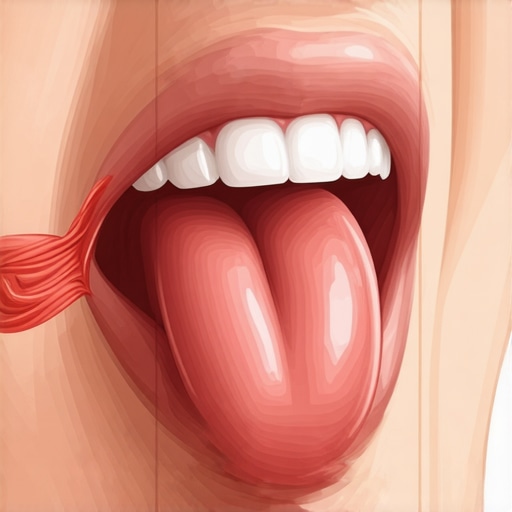
This is the “secret sauce” of jaw relaxation. Try this right now: say the letter “N” and hold the position where your tongue hits the roof of your mouth, just behind your front teeth. This is the natural resting spot. When your tongue is parked there, it’s physically much harder to clench your jaw shut. It acts like a natural spacer. I started placing little red sticky notes on my computer monitor and steering wheel. Every time I saw one, I’d check my tongue. Within three weeks, the constant tension in my temples started to lift. This kind of preventative habit is a huge part of a comprehensive family dentistry guide building a lifetime of healthy smiles, as it prevents the structural wear that leads to major dental work later.
My Five-Minute Evening Reset
Last November, I was so stressed about a project that I actually woke up with a lockjaw sensation. I realized my “mental” relaxation wasn’t reaching my physical muscles. Now, I use a specific physical reset. I apply a warm, damp washcloth to the sides of my face for five minutes before bed. The heat acts like a signal to the masseter muscles—the heavy lifters of the jaw—that their shift is over. I follow this with “jaw yoga,” where I gently open my mouth as wide as is comfortable and then slowly close it, focusing on a straight path. It sounds silly, but it broke the cycle of nocturnal grinding that was destroying my enamel.
When Home Remedies Aren’t Enough for Cracked Teeth
If you have been grinding for years, you might already have visible damage. I had one tooth that was so worn down it looked like a flat pebble. In those cases, you have to look at restorative options. This is where dental crowns explained the ultimate solution for damaged teeth becomes a reality. A crown acts like a protective helmet for a tooth that’s been beaten down by years of bruxism. It restores the height of your bite and prevents further cracking. If the aesthetics of your smile have suffered significantly, you might want to revamp your smile top cosmetic dentistry trends for 2025, which include materials that are both incredibly strong and indistinguishable from natural teeth. You can transform your look with expert cosmetic dentistry solutions that don’t just fix the look, but actually rebuild the function you’ve ground away.
I used to think that once I paid for a crown, I was basically buying a ‘forever’ tooth. I was wrong. The most common trap people fall into—and I fell into it too—is treating the symptom while the underlying cause keeps raging. If you jump straight into cosmetic fixes because you want to transform your look with expert cosmetic dentistry solutions, but you haven’t addressed the bite force that broke your tooth in the first place, you are essentially building a glass house in a hail storm. You’ll just end up wondering why your porcelain crown feels too high when you bite down, when the reality is that your jaw is still trying to grind it into powder. Let’s talk about a contrarian truth: The ‘prettiest’ material isn’t always the best for your mouth. While we all want that Hollywood sparkle, choosing the wrong material for a heavy grinder is a recipe for disaster. This is why dental crowns explained the ultimate solution for damaged teeth usually involves a deep dive into zirconia versus lithium disilicate. Zirconia is nearly indestructible, but if it’s not polished perfectly, it can actually act like sandpaper on your natural teeth. Finding that balance is the hallmark of a great family dentistry practice—they look at your whole mouth’s ecosystem, not just one tooth.
Is it possible to actually outsmart your own nocturnal reflexes?
Many ‘experts’ will tell you that bruxism is just stress, but advanced research suggests a much more nuanced picture. A study published in the Journal of Oral Rehabilitation notes that sleep-disordered breathing can often trigger the jaw to clench as a way to keep the airway open. If you’re only focusing on ‘relaxing,’ you might be missing a respiratory red flag. This is the ‘oops’ factor of DIY dental care: assuming you know the source of the pain. It’s why I always tell people to weigh their options when looking at dental crowns vs other restorations. Sometimes, you need a night guard that also helps with your breathing, not just a shield for your enamel. The nuance here is that dental health is a legacy. What you do for your jaw today affects how you’ll eat and speak twenty years from now. That’s why caring for your child’s teeth essential family dentistry tips often focus on early bite alignment—it prevents the structural ‘war’ I’ve been fighting in my own mouth. Have you ever spent thousands on a fix only to have it fail a year later because nobody told you about the ‘why’? Let me know in the comments—I’d love to hear if you’ve fallen into that same expensive trap.
The real work starts the moment you walk out of the clinic. If you’ve invested in expert cosmetic dentistry solutions, you’re now the guardian of a very expensive piece of functional art. I used to think a standard toothbrush was enough, but after my third crown, I realized I was bringing a knife to a gunfight when it came to long-term maintenance.
How do I keep my dental work from failing in five years?
The secret isn’t just brushing; it’s managing the mechanical forces in your mouth. If you’re a grinder like me, your number one tool is a custom-fit occlusal guard. Not the “boil and bite” ones from the pharmacy—those can actually make your jaw clench harder because the material is too soft. You need a hard acrylic guard that is perfectly balanced to your specific bite. Beyond that, I’ve become obsessed with my water flosser. If you’ve ever wondered how to stop your gums from hurting when you use a water flosser, the trick is starting on the lowest pressure setting and aiming at a 90-degree angle to the gum line. This flushes out the “transition zone” where your crown meets your natural tooth—a prime spot for bacteria to hide.
Stop Guessing and Get a Digital Bite Map
One of the coolest things I’ve discovered recently is T-Scan technology. While the old-school “bite on this blue paper” method works for most, T-Scan is a digital sensor that shows exactly how much pressure is hitting each tooth in real-time. According to research by Dr. Robert Kerstein, a leading expert in computer-guided occlusal therapy, even a few microns of imbalance can lead to tooth fracture or chronic headaches. If you feel like your bite is slightly “off” after a procedure, don’t just live with it. Addressing this early is how you avoid the frustration of why your porcelain crown feels too high when you bite down.
Future Proof Your Smile with Digital Scans
Looking ahead, I see a massive shift toward AI-integrated diagnostics in family dentistry. We are moving away from messy physical impressions and toward 3D digital “snapshots” that can track tooth wear over a decade with millimeter precision. This means your dentist can catch a grinding habit before you even feel the first ache, allowing for preventative adjustments. It’s part of the cosmetic dentistry innovations to watch as we move into 2025.
Protect the Investment for the Whole Family
It’s not just about us adults, either. Developing these habits early is the best gift you can give your kids. Following a family dentistry guide building a lifetime of healthy smiles means teaching them that tools like water flossers and mouthguards are just as essential as their sneakers for sports. I’ve started making my “evening reset” a family affair—we all do our jaw stretches and hygiene routine together. If you want to dive deeper into the specifics of materials or need a professional eye on your current bite, I highly recommend you reach out to a specialist who uses digital mapping. Try this tonight: Use the “N” tongue position for one minute before you sleep, and see if you wake up with less tension tomorrow morning. It’s a small step that makes a massive difference in the lifespan of your dental work.
What My Dentist Finally Taught Me After My Third Cracked Molar
Reflecting on my journey from chronic headaches to a stable, healthy bite, I’ve realized that the most expensive mistakes were the ones where I assumed things would just get better on their own. Here is the insider perspective I wish I had on day one:
- Your bite is a mechanical system: Stress might be the fuel, but the alignment of your teeth is the machinery. You can’t just relax your way out of a physical misalignment if your teeth are fighting each other.
- Prevention is always cheaper than restoration: A custom night guard might feel like a splurge, but it is a tiny fraction of the cost compared to understanding dental crowns and why they are needed after a major fracture occurs.
- The “N” position is a genuine game changer: It is the only way I found to physically force those heavy masseter muscles to decompress during a high-stress workday.
The Only Tools That Saved My Jaw from Burnout
If you are serious about protecting your enamel for the long haul, you need more than just a standard toothbrush. These are the three pillars of my current maintenance routine that keep my restorations intact:
- The Precision Water Flosser: This is non-negotiable for anyone with crowns or bridges. I learned how to stop your gums from hurting when you use a water flosser by using lukewarm water and the right 90-degree angle, which keeps my gum line healthy without the irritation.
- Digital Bite Mapping: I stopped guessing why my teeth felt sore after I saw a digital 3D scan of my bite. If your dentist doesn’t offer digital mapping, it might be time to find a modern clinic that uses T-Scan technology to balance your bite forces.
- Family-Centered Habits: Oral health is a legacy. I have incorporated caring for your child’s teeth essential family dentistry tips into our nightly routine so my kids don’t grow up with the same structural damage I faced.
#IMAGE_PLACEHOLDER_E#
Stop Punishing Your Smile and Start Healing Today
You do not have to wake up with a dull ache for the rest of your life. Whether you need to transform your look with expert cosmetic dentistry solutions or you simply need a better nightly reset, the power is in your hands to stop the wear and tear before it becomes a dental emergency. A healthy, functional mouth is the foundation of your overall well-being. If you are tired of the constant tension and ready for a professional fix, don’t hesitate to reach out to a specialist who can map out a plan for your specific bite. Your future self—and your teeth—will thank you. Do you find yourself clenching your teeth mostly during the stressful workday, or is it a mystery that only happens while you are fast asleep? Let me know in the comments below!