I was sitting at my kitchen table, minding my own business with a slice of buttered sourdough, when I heard a sound like a dry twig snapping inside my skull. It wasn’t a peanut. It wasn’t a rogue popcorn kernel. It was just bread. But that sickening pop meant one thing: my molar had finally given up the ghost. I remember staring at the half-eaten crust in total betrayal. How could something so soft do so much damage? If you are currently running your tongue over a sharp new edge in your mouth, wondering how a marshmallow or a piece of pasta just broke your tooth, I have been exactly where you are. Today, I am going to pull back the curtain on why our teeth decide to quit at the least expected moments and how we can get your smile back on track. [IMAGE_PLACEHOLDER]
The Hidden Weakness Behind the Sudden Snap
It is rarely the soft food’s fault. Think of your tooth like a windshield that has been pelted by tiny pebbles for a decade. You might not see the damage, but the structural integrity is waving a white flag. When that final piece of bread comes along, it is simply the straw that breaks the camel’s back. I made the mistake early on of assuming that teeth chipping easily was just a part of aging that I had to accept. I ignored the tiny “craze lines” I saw in the mirror, thinking they were just cosmetic. That was a costly oversight. Those micro-fractures are actually deep-seated invitations for a full-blown break. Have you ever felt that terrifying crunch while eating something as soft as a banana or a muffin?
Is my tooth really that fragile now?
You might be feeling a bit skeptical—or maybe even a little betrayed by your own body. You brush, you floss, and you avoid the hard candy, yet here you are. The reality is that our teeth endure incredible pressure. According to the American Association of Endodontists, many people suffer from “cracked tooth syndrome,” where repetitive stress from chewing or grinding eventually causes a fracture that is often invisible to the naked eye until the final break occurs. This is why many of my neighbors and friends eventually find that dental crowns are the ultimate solution for restoring that lost strength. If you are currently in pain and spiraling, don’t panic. Knowing how to manage tooth pain in the short term is your first step while we figure out if you need a simple filling or a more robust restoration.
Stop the Tongue Torture and Assess the Damage
The moment the snap happens, your tongue becomes a frantic detective; it cannot stop poking the scene of the crime. If you have lost a piece of the tooth or a previous restoration, you need to act like a forensic investigator immediately. Find the piece if you can. If it is a filling that fell out, you need to know the best way to store a lost filling because your dentist might actually want to see what failed. I once tried to ignore a jagged edge during a weekend camping trip, thinking I could just tough it out. By Sunday, my tongue was so raw I could barely speak. I tried using a bit of orthodontic wax, which is a lifesaver, but knowing how to fix a sharp edge on a tooth that is cutting your tongue with temporary materials from a pharmacy is a skill every adult should have. Rinse with warm salt water immediately to clear out any debris and keep the area clean until you can get into the chair. 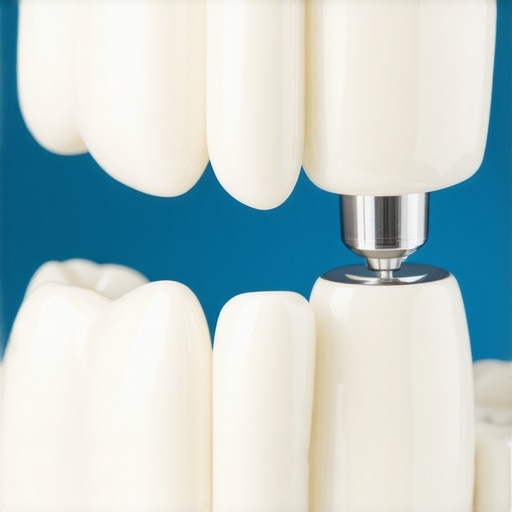
Why That Simple Filling Might Not Cut It
We often hope for a quick patch-up, like a bit of spackle on a drywall hole. But a tooth is a dynamic, pressure-bearing structure that survives hundreds of pounds of force every day. If the break covers more than half the width of the tooth, a standard filling won’t provide the necessary “hoop strength” to keep the remaining walls from splaying apart. This is where you move from basic repair to structural reinforcement. When I finally sat in my dentist’s office after my own sourdough disaster, he explained when and why dental crowns are needed. Think of a crown like a thimble on a finger or a helmet on a head; it encases the entire visible portion of the tooth, holding it together so the bite force is distributed evenly rather than focused on a weak fracture line. If you are weighing your options, checking out dental crowns vs other restorations can help you decide if you want a permanent fix or a temporary gamble that might fail again in six months.
Build a Fortress for Your Whole Family
It isn’t just about the one tooth that broke today; it is about the environment that allowed it to happen. Often, these sudden breaks are the result of years of neglect or improper habits that started in childhood. This is why I started taking my kids’ dental health much more seriously after my own ordeal. We transitioned into a more proactive approach, following a family dentistry guide to catch issues like grinding or thin enamel before they turn into emergency moments. It is much easier to apply dental sealants on back molars for the little ones than it is to manage a cracked molar in your forties. I even had to learn how to stop thumb sucking for my youngest, because those early alignment issues create “hot spots” of pressure that lead to fractures later in life. Consistency across the board is what saves your wallet and your nerves in the long run.It is a common misconception that getting a crown or a veneer is a ‘one and done’ cosmetic fix. Many people think they are buying a shield that makes the tooth invincible, but the reality is far more complex. In my experience, the most expensive crown in the world is only as good as its margin—the tiny seam where the porcelain meets your natural tooth. If that margin is even a fraction of a millimeter off, it becomes an invitation for bacteria to seep underneath. I learned that you have to watch for signs of trouble; knowing how to tell if your dental crown is leaking bacteria is actually more important than how white the tooth looks in photos. While everyone is chasing the latest cosmetic dentistry trends for 2025, the real experts are focusing on the ‘occlusion’—how your teeth actually fit together when you chew.
Why ‘Perfect’ White Teeth Might Be Failing You
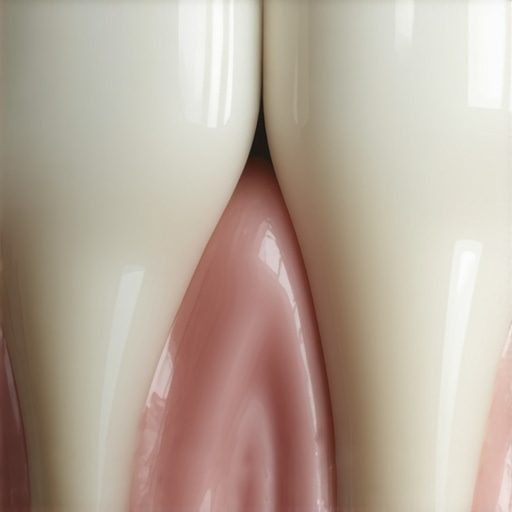
Can a crown actually hide a bigger problem underneath?
Yes, and this is the nuance most people miss. A crown can look beautiful on the outside while the tooth structure underneath is slowly deteriorating due to recurrent decay or micro-fractures that were not properly sealed. This is why I always tell people that expert cosmetic dentistry solutions are about the foundation, not just the facade. According to a study published in the Journal of Prosthetic Dentistry, the longevity of a restoration is more dependent on the health of the surrounding gum tissue and the precision of the fit than the material itself. If your dentist is not obsessing over the way your jaw moves, you might be heading for a structural failure. The interaction between the porcelain and the soft tissue is a delicate dance. If the crown is too bulky, it can cause localized gingivitis or recession. This is why some people notice why your porcelain crown has a dark line at the gum line over time—it is often a sign of tissue irritation or poor margin placement.
Don’t Wait to Break in a New Crown
The biggest ‘oops’ factor I see is when patients ignore a crown that feels just a tiny bit ‘tall’ or ‘high.’ You might think you will ‘break it in’ like a new pair of shoes. This is a dangerous trap. A crown that hits first when you close your mouth acts like a hammer, driving excessive force into the bone and ligament every time you swallow. I have seen people end up needing an emergency root canal simply because they did not address why your porcelain crown feels too high when you bite down within the first few days of the procedure. This is also why the role of family dentistry in ensuring oral health for all ages is so vital. It is not just about cleaning; it is about having a professional who monitors these margins and bite forces year after year. Have you ever fallen into this trap of ignoring a ‘slightly off’ tooth? Let me know in the comments.
Equip Your Bathroom Like a Professional Lab
After my sourdough disaster, I realized that my standard manual toothbrush wasn’t doing the heavy lifting needed to protect a high-end crown. I transitioned to a high-frequency sonic brush, but the real game-changer was the specialized water flosser. If you have any prosthetic work, you need to understand the best way to clean under a dental bridge to prevent smells because bacteria thrive in those tiny, stagnant corners where traditional floss can’t reach. I personally add a small capful of non-alcohol antiseptic rinse to my flosser’s reservoir twice a week; it is an aggressive but effective way to ensure the tissue around my restorations stays pink and tight. It is not just about the fancy gadgets, though; it is about the simple logistics of wear and tear. We have all heard the advice, but the truth about how often you really need to replace your toothbrush is non-negotiable—if the bristles are splayed, you are essentially scrubbing your expensive porcelain with a dull, ineffective tool. 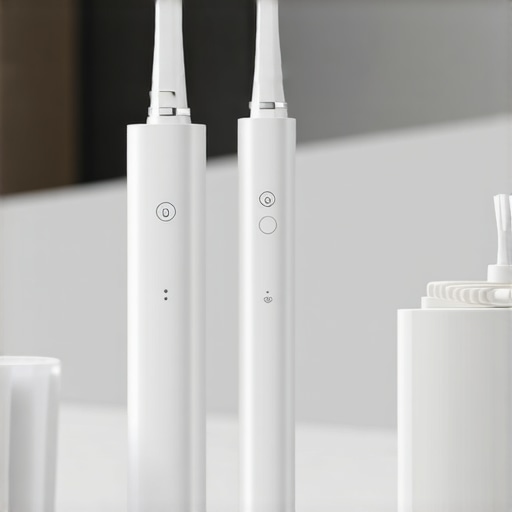
How can I maintain high-end dental work over the long haul?
The secret to a twenty-year crown isn’t a better toothpaste; it is a better physical barrier. Dr. Gordon Christensen, a titan in clinical dental research, has noted for decades that the average lifespan of a restoration is drastically shortened by nocturnal bruxism. I wear a custom-fitted occlusal guard every single night without fail. I know that why your jaw aches every time you wake up in the morning is usually a red flag for grinding, which can snap a ceramic crown just as easily as it would a natural tooth. For my kids, we have integrated child-friendly dental care early on, teaching them that these maintenance habits are far cheaper and less painful than the emergency chair.
Your Next Crown Might Be Printed in Minutes
Looking ahead, the way we handle these ‘snaps’ is shifting toward incredible speed and precision. I predict that within the next five years, the ‘temporary crown’ will become a relic of the past for most family practices. We are seeing a massive surge in cosmetic dentistry innovations to watch, specifically in-office 3D milling and AI-driven shade matching. Instead of waiting two weeks for a lab, your dentist will likely scan your mouth and print a permanent, perfectly fitted crown while you wait in the lobby. If you are tired of playing defense with your oral health, I highly recommend you contact us to evaluate your current bite alignment before your next ‘sourdough moment’ happens. My specific pro-tip? Buy a pack of plaque-disclosing tablets today. They cost pennies but will show you exactly where your cleaning routine is failing, allowing you to protect your investment before the decay starts.
The Hard Truth About Living with Restored Teeth
Reflecting on my own dental journey, I realized that a broken tooth is often a wake-up call rather than a random accident. First, don’t wait for the pain to start before you take action; a silent crack is a growing crack that only gets more expensive the longer you wait. Second, the success of your repair depends heavily on your daily habits. I used to think of a crown as an invincible shield, but it is actually a delicate partnership between the porcelain and your care routine. Finally, never underestimate the power of a proper bite adjustment—if it feels just a tiny bit tall, it will eventually cause the restoration to fail. Addressing these nuances early is the difference between a fix that lasts five years and one that lasts twenty.
My Essential Toolkit for Lasting Dental Work
Maintaining high-end dental work requires more than just a quick brush before bed. I have found that a dedicated toolkit makes all the difference in the world. I highly recommend investing in a high-quality water flosser; it is truly the most effective way I have found for cleaning under a dental bridge to prevent smells and keeping bacteria at bay. For the younger members of the household, I swear by essential family dentistry tips like using fluoride-enriched paste to strengthen their developing enamel before cracks can even start. I also keep a stash of plaque-disclosing tablets to verify my technique, and I never go a night without my custom occlusal guard to protect my investment from the destructive forces of nighttime grinding.
Take the First Step Toward a Stress-Free Smile
Taking the leap to repair your smile can feel overwhelming, but modern cosmetic dentistry trends for 2025 are making these procedures faster, stronger, and more natural-looking than ever before. You do not have to live in fear of the next piece of crusty bread or a crunchy snack. By embracing a proactive approach and prioritizing child-friendly dental care for the whole family, you ensure that every member of your household keeps their natural teeth for a lifetime. If you are ready to stop the constant tongue-poking and start eating with confidence again, please contact us for a full evaluation. Have you ever had a tooth break at the most inconvenient moment possible? Let me know your story in the comments below!